Skip to content

Recent Posts

  • How David Bradshaw Is Preserving His Family Honey Farm
  • Animals That Seem to Escape Normal Aging
  • When Distressed Animals Approached Helpful People
  • How Two Climbers Survived Everest Without Bottled Oxygen
  • A Wild Buck Runs Beside an Ohio Boy

Most Used Categories

  • Nature & Wildlife (714)
  • Risk (63)
  • Human Interest (40)
  • Exotic Animals (22)
  • Survival (20)
  • Hunting (19)
  • Bees/Swarms fear (15)
  • Suspense (10)
  • Adventure (3)
  • Gears (2)
Skip to content
  • About Us
  • Contact Us
  • Disclaimer
  • Privacy Policy
  • Terms & Conditions

Hive Hunters Tales

  • Suspense
  • Nature & Wildlife
  • Human Interest
  • Hunting
  • Bees/Swarms fear
  • Exotic Animals
  • Risk
  • Survival
  • Adventure
  • Gears
  • Home
  • Human Interest
  • A Wild Buck Runs Beside an Ohio Boy
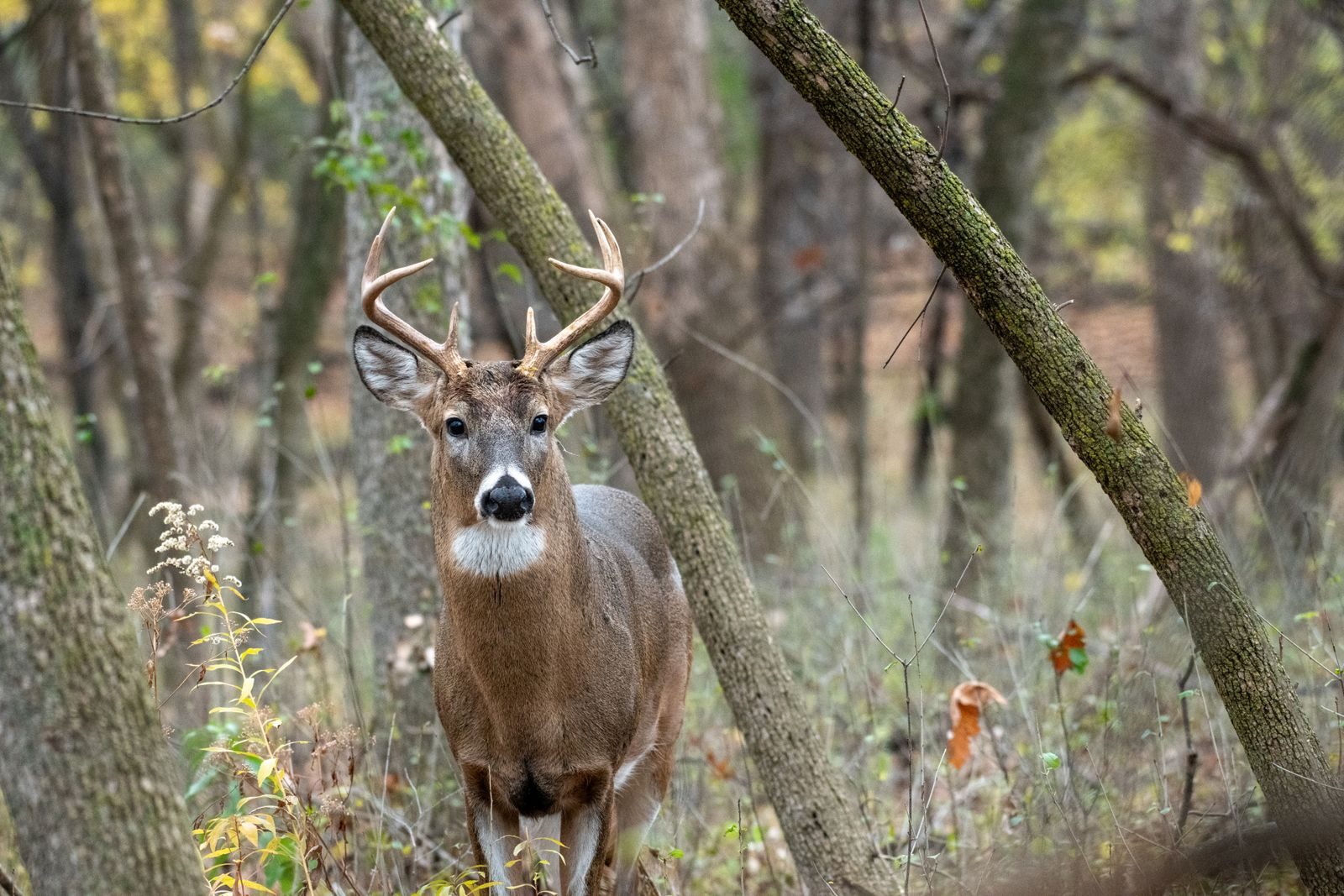
A majestic white-tailed deer stands alert in the autumn forest, showcasing its impressive antlers.

A Wild Buck Runs Beside an Ohio Boy

JakeAugust 7, 2026August 7, 2026

A young buck regularly visited a family’s property in Ashland, Ohio. Video showed the deer running and hopping beside children who remained safely behind a backyard fence.

The movements looked playful, but a short video cannot reveal exactly what the deer intended. The family correctly reminded the children that the familiar visitor remained a wild animal.

The Buck Returns
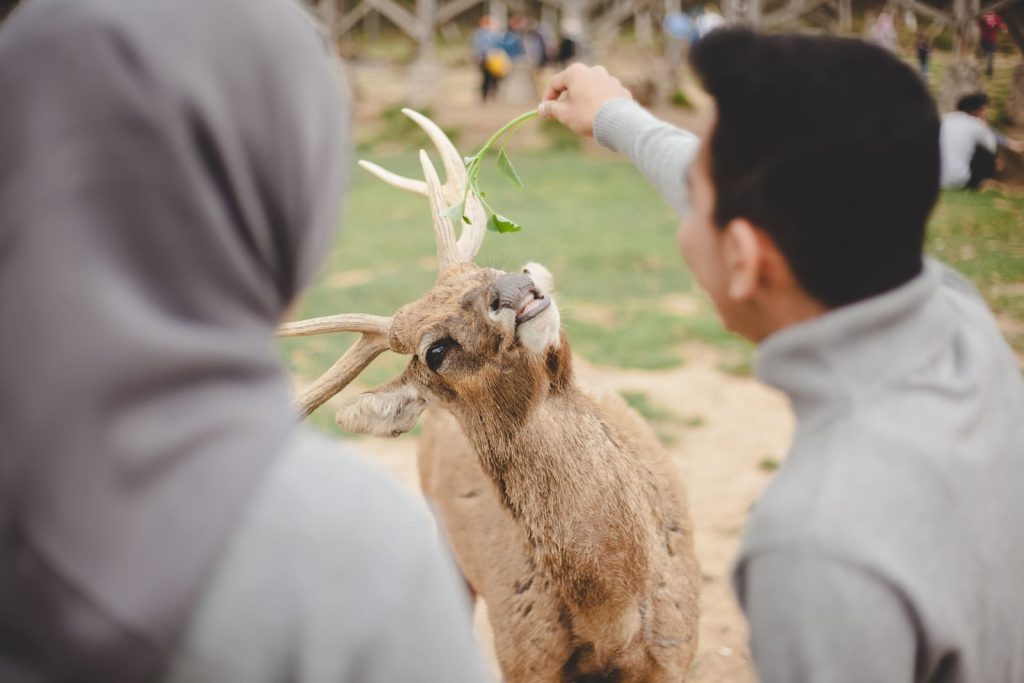
Back view of blurred couple visiting zoo and feeding deer with green grass
Photo by Dede Avez on Pexels

The deer, reportedly called Benny by the family, began appearing regularly near their home. Familiarity allowed the family to recognise him, but regular visits do not make a wild deer domesticated. His behaviour could change with age, season, stress, food availability, or the presence of other animals.

The Boy Starts Running
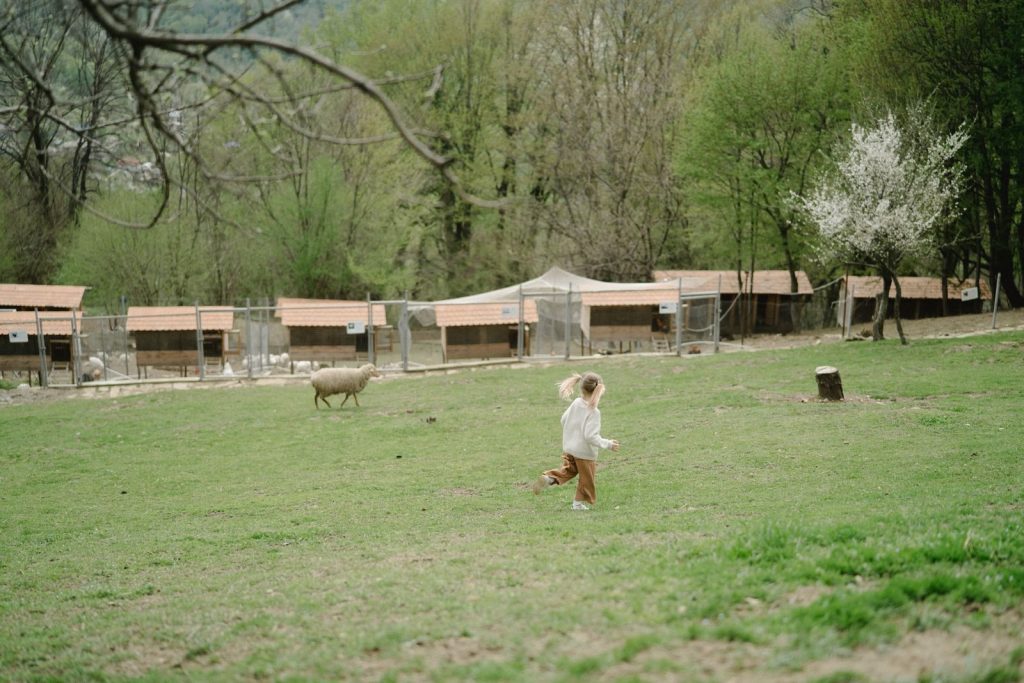
A young child runs joyfully across a green pasture in spring, with sheep and farm enclosures in the background.
Photo by Anastasia Shuraeva on Pexels

Footage showed a child running along one side of the fence while Benny moved beside him on the other. The buck hopped, turned, and followed the boy’s direction. The fence created an important physical boundary that allowed the interaction to happen without direct contact.

Deer Can Play
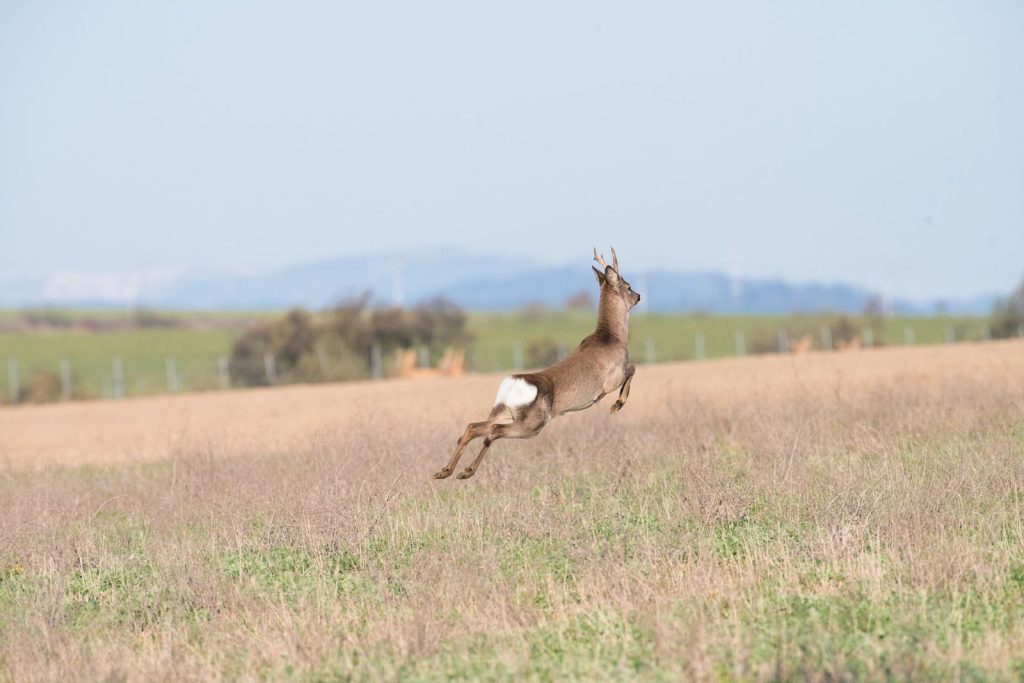
A roe deer jumps gracefully across a field showcasing wildlife in motion.
Photo by Michal Petráš on Pexels

Scientists have documented playful running, jumping, chasing, and object interaction among young deer. Play may help developing animals practise movement and social behaviour. However, viewers cannot prove from the clip alone that Benny understood the activity as a shared game with the child.

The Fence Matters
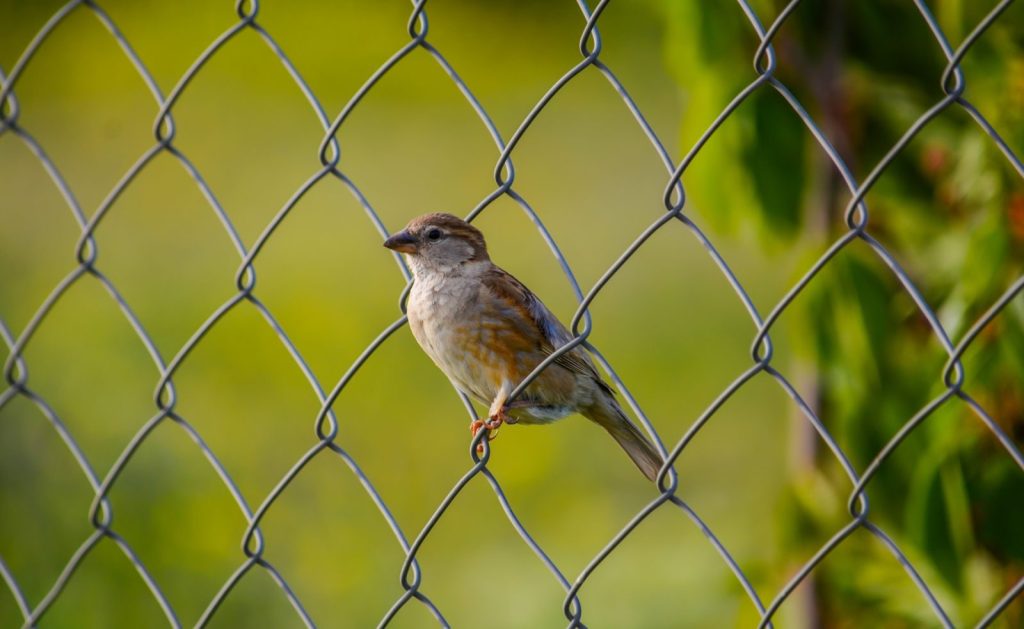
A sparrow perched on a chain link fence with a blurred green background in Kurdistan Province, Iran.
Photo by Michael Bayazidi on Pexels

The family said they stayed on the opposite side of the fence and taught the children that the buck was still wild. That precaution reduced the possibility of being kicked, struck by antlers, or caught between the deer and an escape route.

Bucks Change During Rut
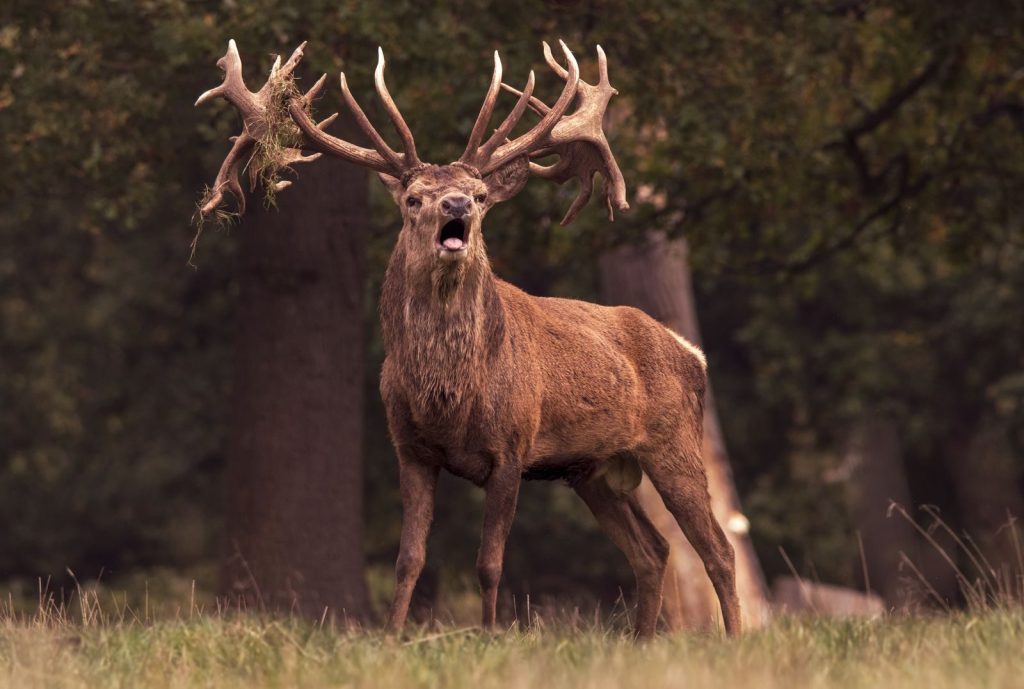
A powerful red deer stag stands with mouth open in an English forest.
Photo by Victoria Bowers on Pexels

Male deer can become more unpredictable during the autumn breeding season, known as the rut. Increased testosterone, competition, and reduced fear may lead a familiar buck to approach, challenge, or strike people. Wildlife officials warn that hand-fed males can become especially dangerous during this period.

Feeding Creates Problems
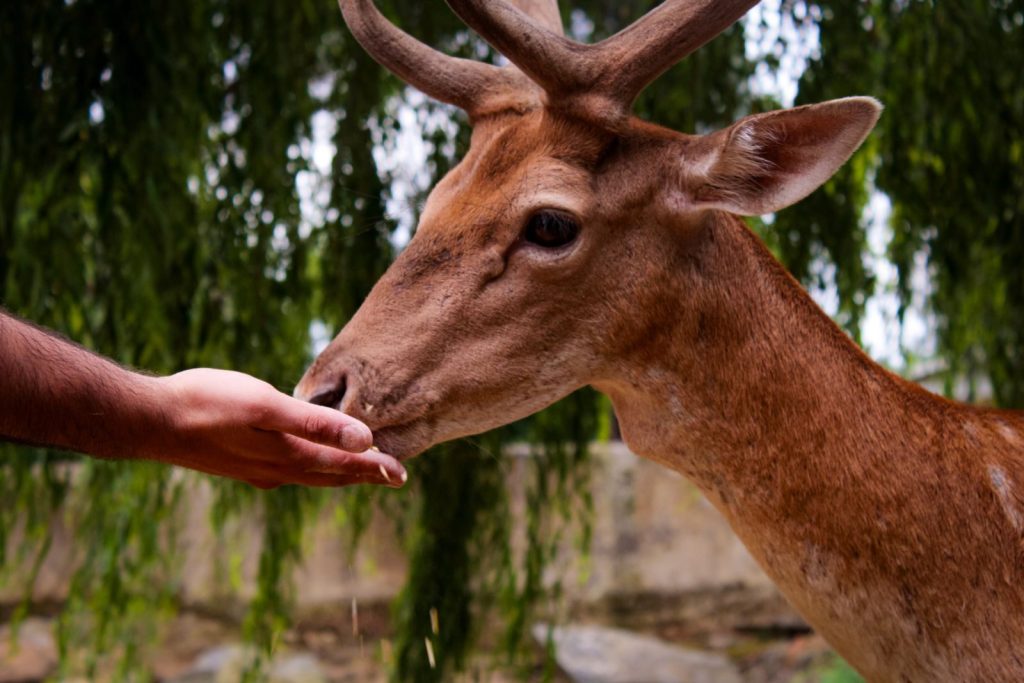
A close interaction where a human hand feeds a deer, illustrating trust and connection with wildlife.
Photo by Havva Kılınç on Pexels

Feeding deer can cause them to associate houses and people with food. Habituated wildlife may lose its natural caution, gather near roads, damage gardens, spread disease, or become aggressive when food is unavailable. Human snacks can also provide unsuitable nutrition.

Does Protect Their Young
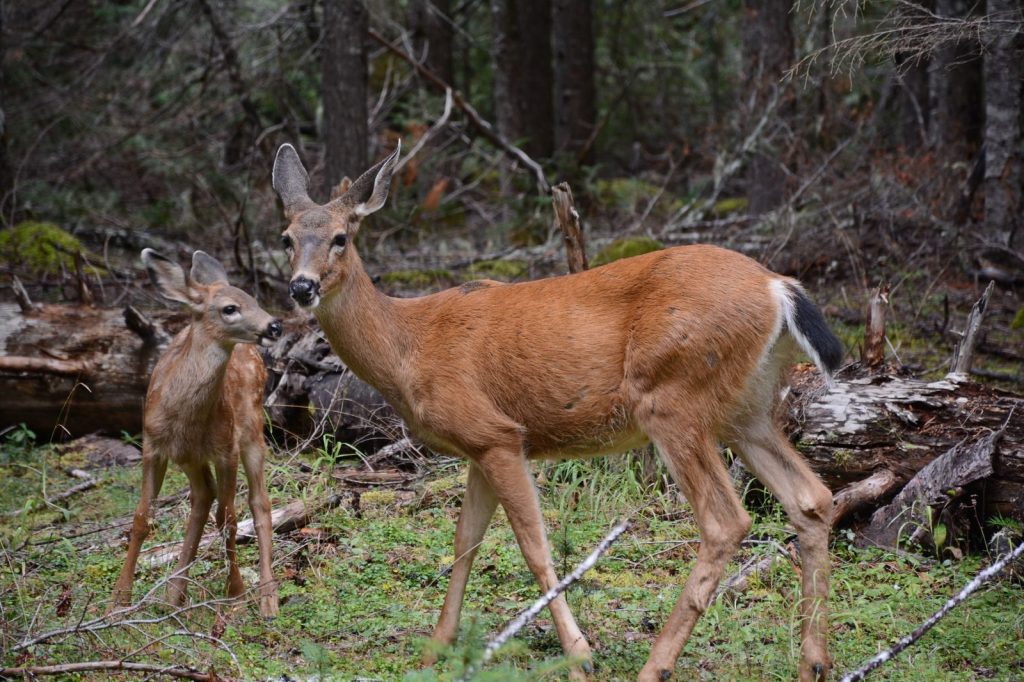
A mule deer and fawn standing in a lush Washington forest clearing.
Photo by Jeff Wiles on Pexels

Female deer can also defend newborn fawns when they perceive a threat. Documented defensive encounters show that even animals normally considered gentle may strike or chase when offspring are nearby. Children and pets should therefore remain well away from hidden fawns and watchful mothers.

Enjoy the Visit Safely
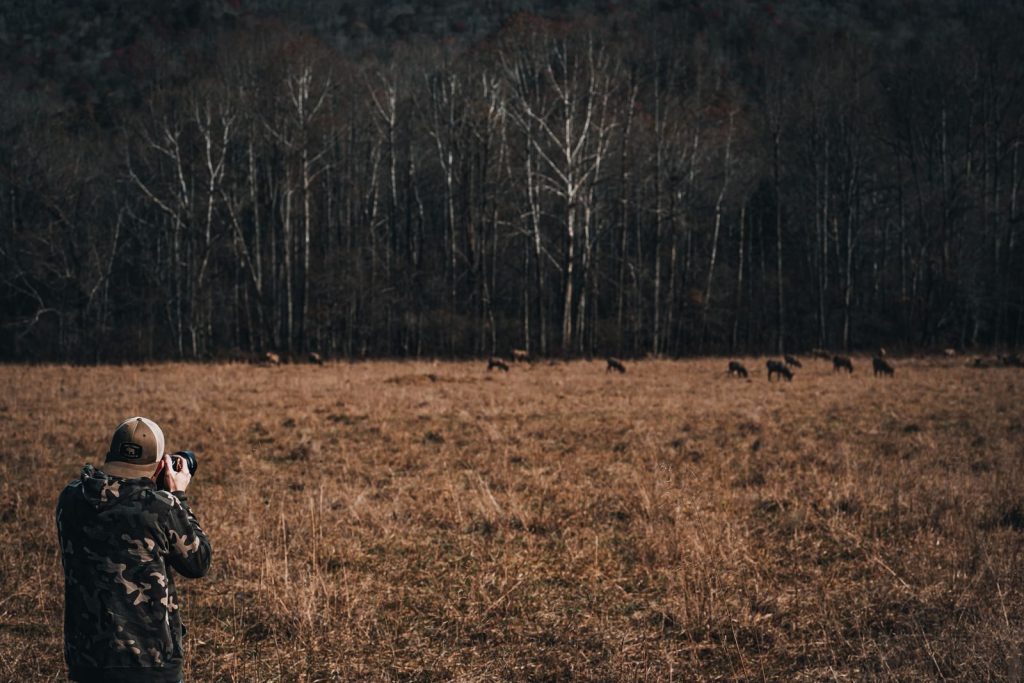
A photographer in camouflage captures animals in a grassland setting.
Photo by Connor Scott McManus on Pexels

The safest way to enjoy a visiting deer is through a window, fence, or camera lens. People should avoid touching, chasing, cornering, or feeding it. A calm animal deserves the same distance as a nervous one because its next reaction cannot be guaranteed.

Featured Image: Photo by Andrew Patrick Photo on Pexels
Post navigation

Previous: 6 Mammals That Form Strong Human Bonds
Next: How Two Climbers Survived Everest Without Bottled Oxygen

Related Posts

Close-up of a blue-eyed black lemur with striking orange fur leaning on a cage.

When Distressed Animals Approached Helpful People

August 7, 2026August 7, 2026 Jake
Close-up of a human hand gently patting a deer's head, showcasing human-animal interaction.

6 Mammals That Form Strong Human Bonds

August 7, 2026August 7, 2026 Jake
A close-up of a lamb nuzzling a human hand in sunlight.

How Care Builds Trust Between Animals and People

August 7, 2026August 6, 2026 Jake

Leave a Reply Cancel reply

Your email address will not be published. Required fields are marked *

Recent Posts

  • How David Bradshaw Is Preserving His Family Honey Farm
  • Animals That Seem to Escape Normal Aging
  • When Distressed Animals Approached Helpful People
  • How Two Climbers Survived Everest Without Bottled Oxygen
  • A Wild Buck Runs Beside an Ohio Boy
Copyright All Rights Reserved | Theme: BlockWP by Candid Themes.