Science does not identify one universally best companion animal. A successful relationship depends on the animal’s temperament and welfare needs, along with the person’s home, time, finances, experience, and expectations.
Research is strongest for dogs, cats, and horses. Smaller mammals can also form meaningful relationships, although their communication, housing, veterinary care, and social needs differ greatly.
No Universal Winner
A review of child–animal relationships found the strongest reported bonds most often involved dogs, followed by cats, horses, and small mammals. However, study methods varied, and a strong bond did not guarantee better health in every situation. Compatibility and responsible care matter more than choosing a species from a simple ranking.
Dogs

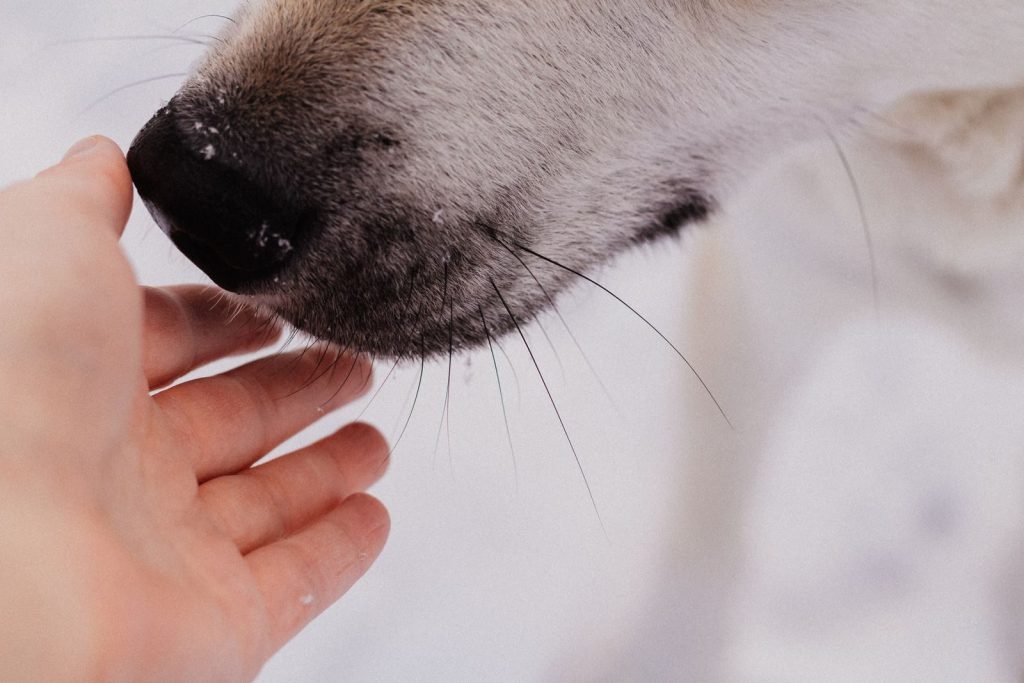
Dogs have been shaped through domestication to communicate and cooperate with people. A well-known study found that mutual gazing between dogs and owners increased oxytocin in both, creating a positive feedback loop associated with social bonding. Dogs also require training, exercise, healthcare, companionship, and behaviour suited to the household.
Cats
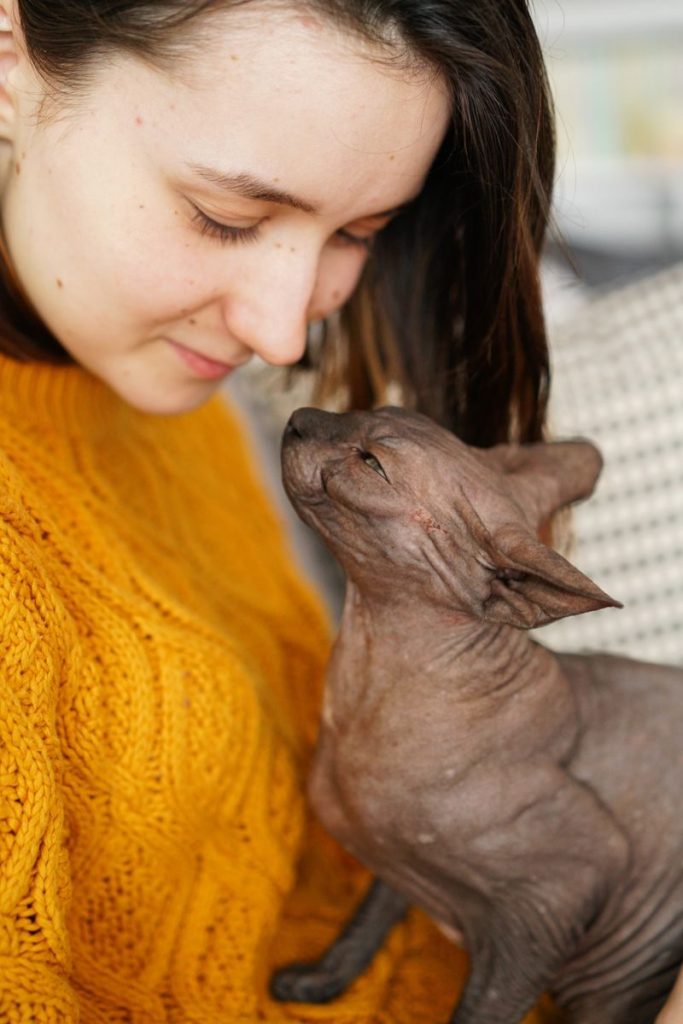
Cats can form secure attachment relationships with human caregivers. In controlled tests, many kittens and adult cats used their caregiver as a source of comfort after a brief separation. Cats vary greatly in sociability, and a satisfying relationship depends on respecting individual preferences for touching, play, hiding, resting, and personal space.
Horses

Horses can develop complex working and social relationships with familiar people. They learn from repeated handling, training, body posture, and rewards. Scientific reviews warn that human contact can create either positive or negative emotional responses, making humane training and careful attention to the horse’s behaviour essential for a healthy partnership.
Rabbits
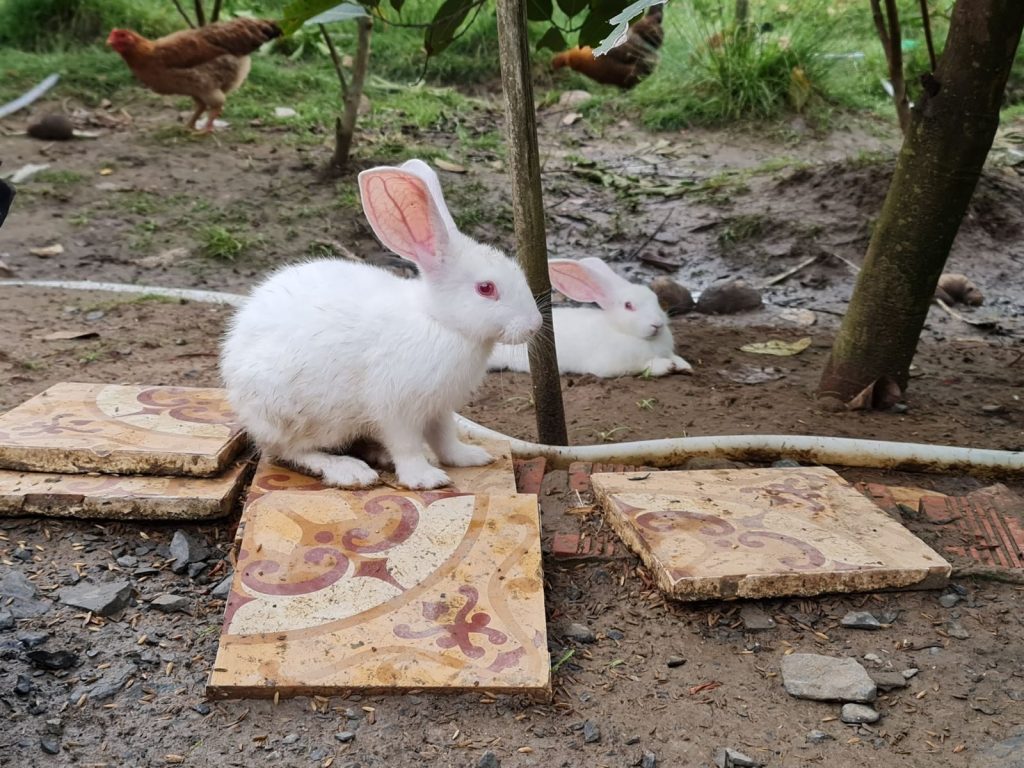
Domestic rabbits can become comfortable with patient caregivers, but they are prey animals and may dislike being lifted or restrained. Research also shows that rabbits benefit from living with a compatible rabbit companion. Human affection cannot completely replace suitable housing, hiding areas, exercise, forage, veterinary care, and interaction with their own species.
Guinea Pigs
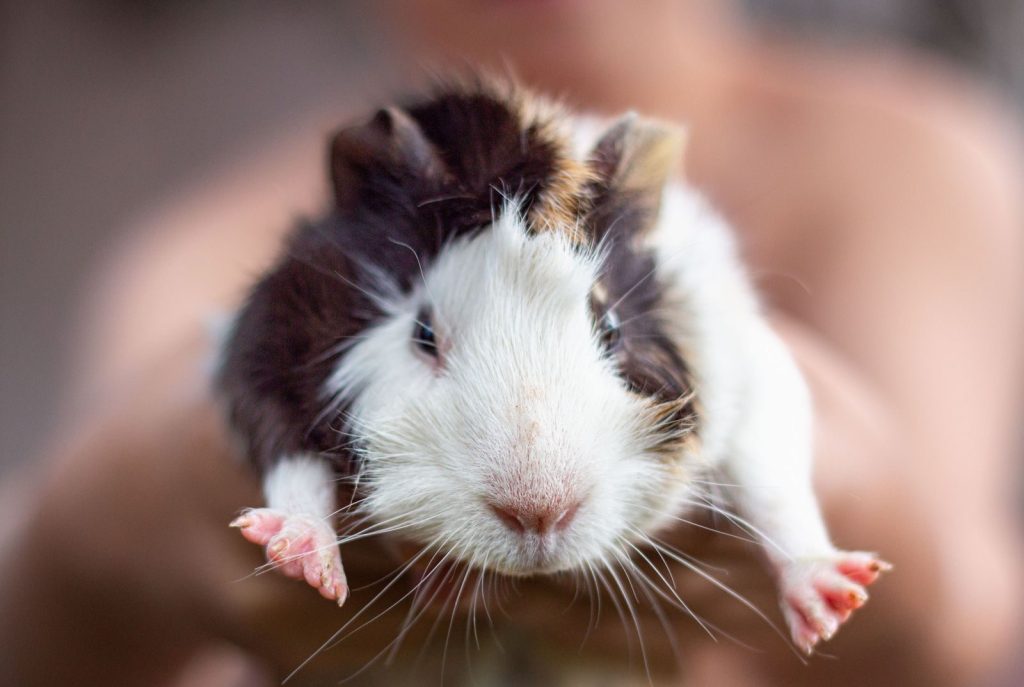
Guinea pigs are social, vocal mammals capable of recognising routines and interacting positively with gentle caregivers. Classroom studies have linked structured guinea-pig interactions with increased social behaviour among some children. Their welfare still depends on appropriate companionship, sufficient space, careful handling, vitamin C, hiding places, and access to knowledgeable veterinary care.
Pet Rats
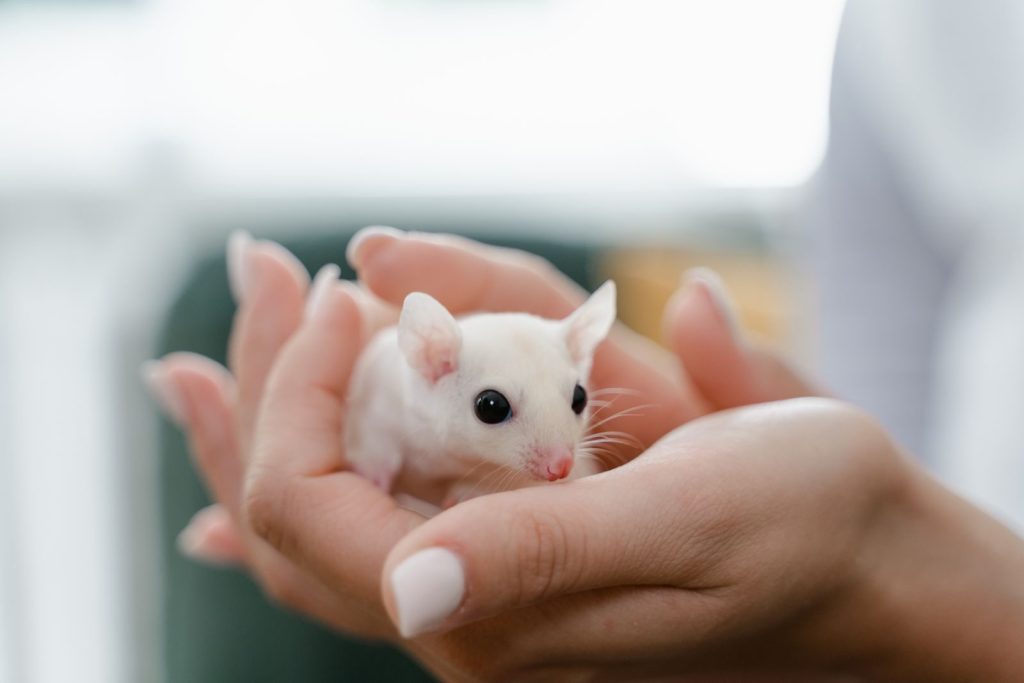
Domestic rats can display distinct personalities, approach familiar caregivers, and respond positively to gentle stroking and interaction. Recent research has examined owners’ descriptions of close social relationships with pet rats. Because rats are highly social, they normally need compatible rat companions, enrichment, climbing opportunities, healthcare, and daily attention from people.
The Right Match

The best companion is an animal whose needs can be met throughout its life. Potential caregivers should consider lifespan, cost, allergies, housing, local laws, activity level, veterinary access, social requirements, and existing animals. Companionship benefits are real for many people, but research does not show that ownership automatically improves everyone’s health or happiness.
Featured Image: Photo by Alex Nguyen on Pexels