Animal lifespans are difficult to compare. Some insects spend years as larvae but survive only hours as flying adults, while certain fish and reptiles complete their entire lives within months.
These examples include both unusually short adult stages and complete lifespans. They are not presented as a perfect ranking because survival changes with habitat, weather, predators, disease, and conditions in captivity.
American Mayfly

The female American sand-burrowing mayfly, Dolania americana, may survive for less than five minutes after reaching its winged adult form. She must mate and return her eggs to the water during that brief period. However, the animal previously spends about a year developing as an aquatic nymph, so five minutes represents only its final life stage.
Luna Moth

An adult luna moth normally lives for approximately one week. It emerges from its cocoon with no functional mouthparts, meaning it cannot eat during the adult stage. The moth survives on energy stored while it was a caterpillar and uses its remaining time to locate a mate, reproduce, and lay eggs.
Northern Caddisfly
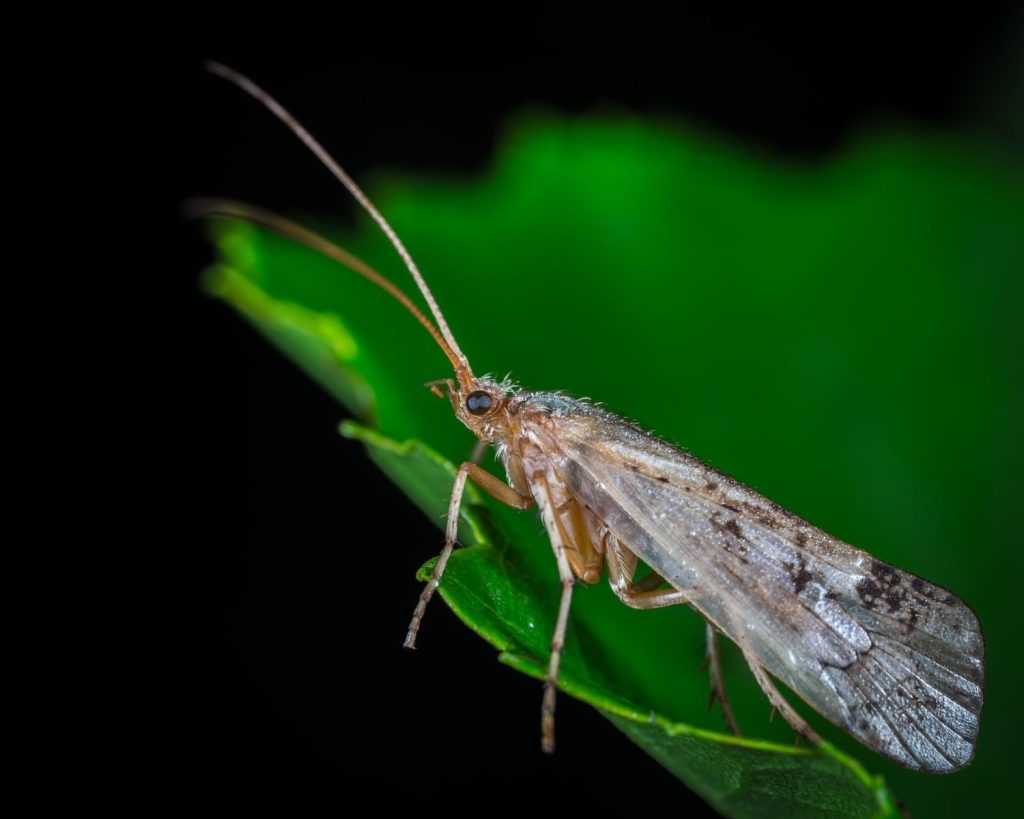
Northern caddisflies spend most of their lives underwater as larvae, sometimes remaining there for several years. Their winged adult stage may last only days or weeks. Adults remain close to streams, reproduce, and lay eggs that begin the next aquatic generation. Their short final stage can therefore hide a much longer developmental period.
Adult Dragonfly
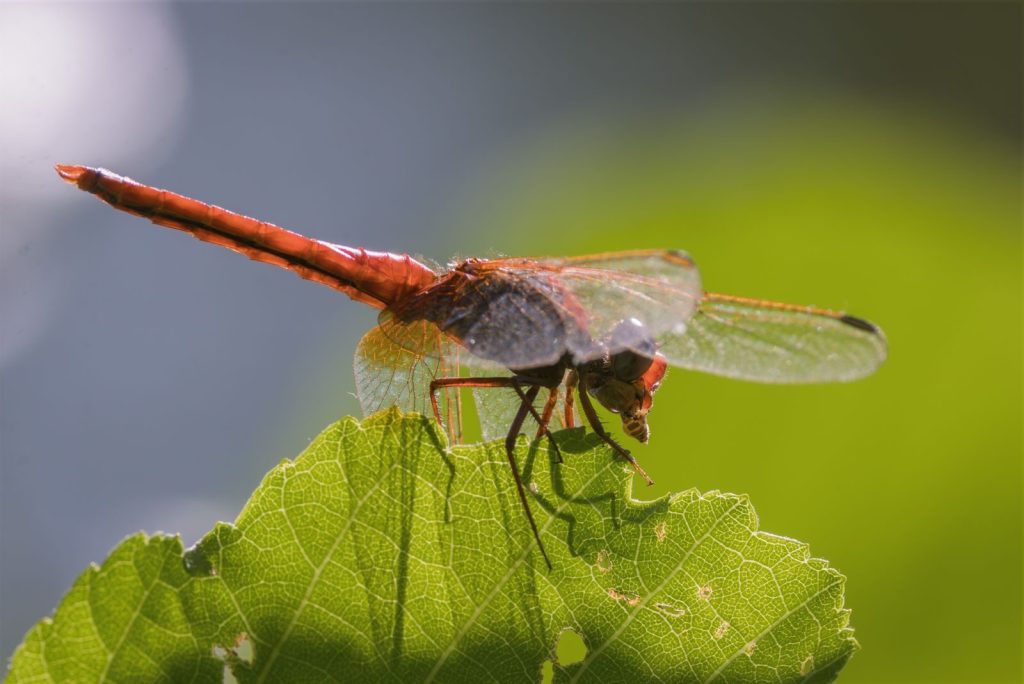
Dragonflies may spend months or years underwater as predatory nymphs before transforming into flying adults. For many species, the adult stage lasts only one to three weeks, although some survive longer. During this final period, they hunt insects, establish territories, find mates, and reproduce around ponds, marshes, rivers, and other freshwater habitats.
Pygmy Goby

The seven-figure pygmy goby, Eviota sigillata, completes its entire life in no more than approximately 59 days. Scientists determined its age by examining daily growth rings in tiny ear bones called otoliths. The fish spends about three weeks as a larva before settling on a coral reef, growing rapidly, reproducing, and dying.
Turquoise Killifish
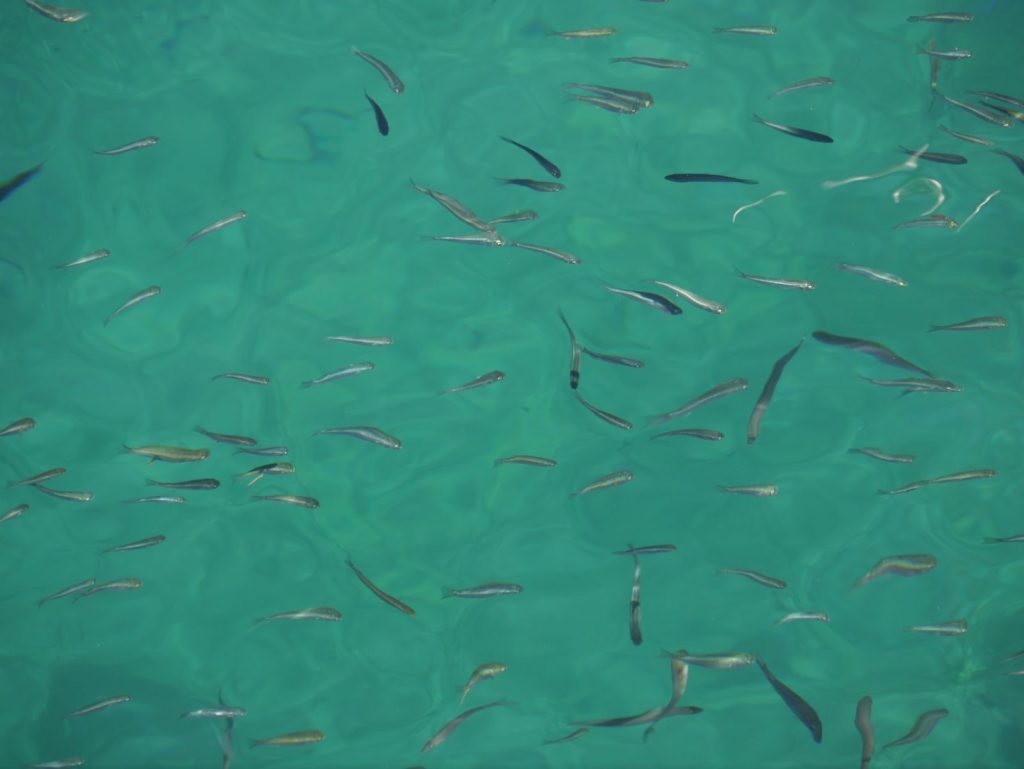
The African turquoise killifish has a lifespan of approximately four to six months under commonly studied conditions. It lives in temporary pools that appear during seasonal rains and later dry out. Adults grow and reproduce quickly, while drought-resistant embryos can remain dormant in dry mud until water returns and the next generation hatches.
Labord’s Chameleon
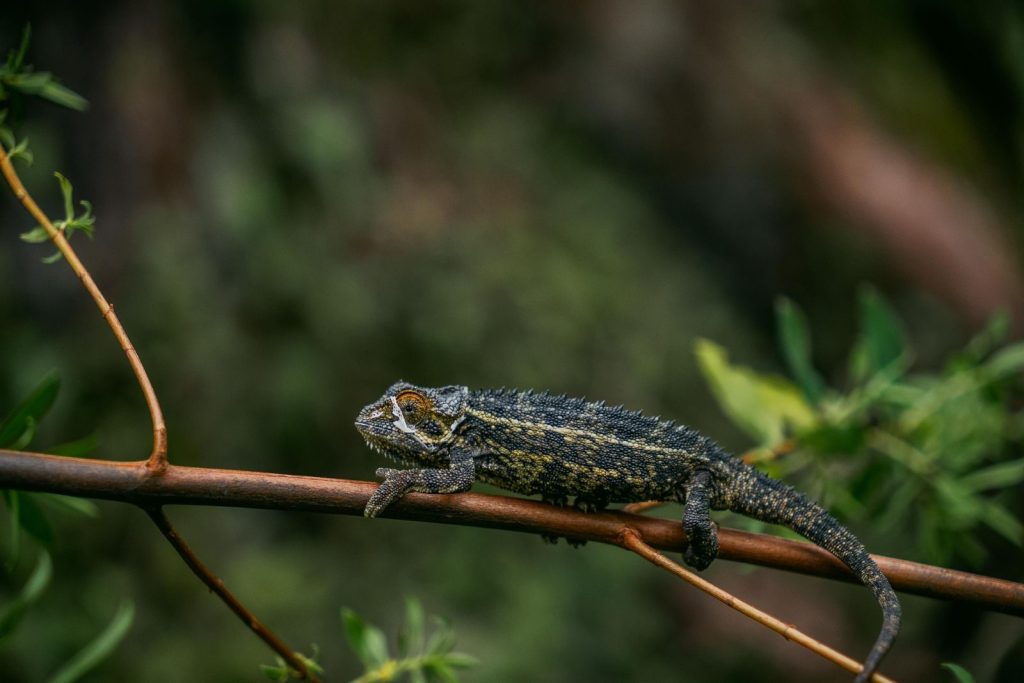
Some Labord’s chameleon populations in Madagascar live only four to five months after hatching. The animals grow rapidly, reach maturity, reproduce during the rainy season, and then die. Their eggs remain underground for much longer, often developing for eight or nine months before the following rains allow the young chameleons to emerge.
Male Antechinus

Male antechinus marsupials generally live for about one year and reproduce only once. During a short breeding season, they reduce sleep and compete intensely for females. Stress hormones rise, the immune system deteriorates, and the males die soon afterward. Females may survive for roughly two years and sometimes raise more than one litter.