Many people dream of bringing home a cat that happily curls up in their lap for hours. But after adoption, some owners are surprised to find their feline companion prefers sitting nearby instead of snuggling. While this may seem like a lack of affection, experts say it’s simply part of a cat’s natural behavior.
Unlike dogs, cats often show love in quieter, more subtle ways. Understanding these unique behaviors can help owners build stronger, more trusting relationships with their pets.
Cats Show Love Differently
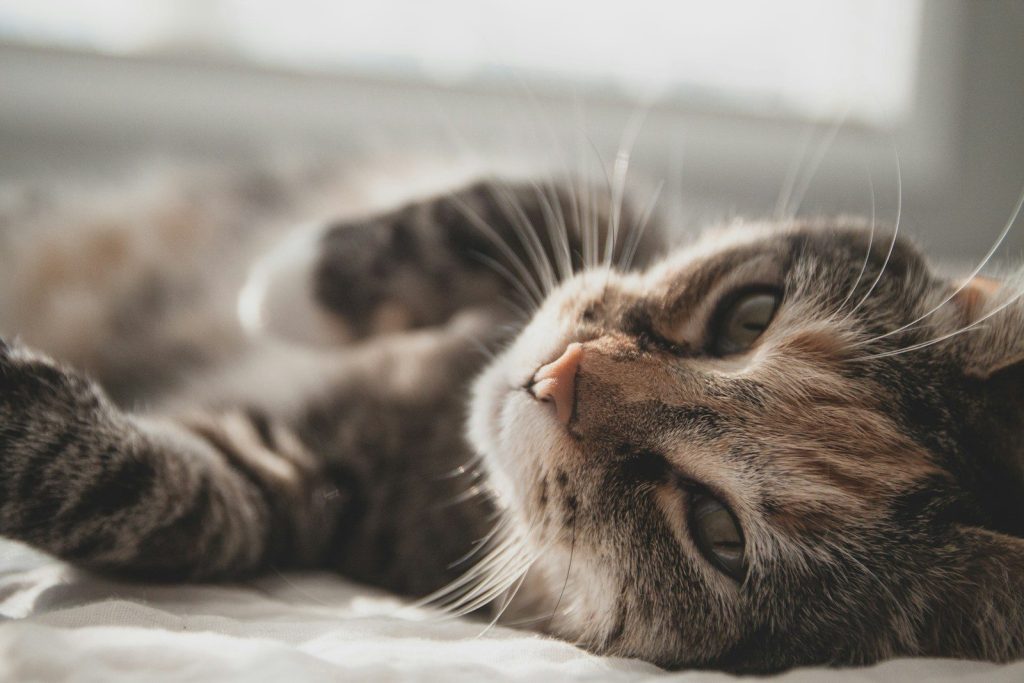
According to veterinarians, domestic cats have inherited many behaviors from their wild ancestors, who were generally more independent than pack-living animals like dogs.
Rather than constantly seeking physical contact, many cats prefer to stay close to people they trust. Sitting beside you on the couch, following you from room to room, or quietly resting nearby are often signs of deep affection, even if they don’t enjoy being hugged.
Affection Doesn’t Always Mean Cuddles
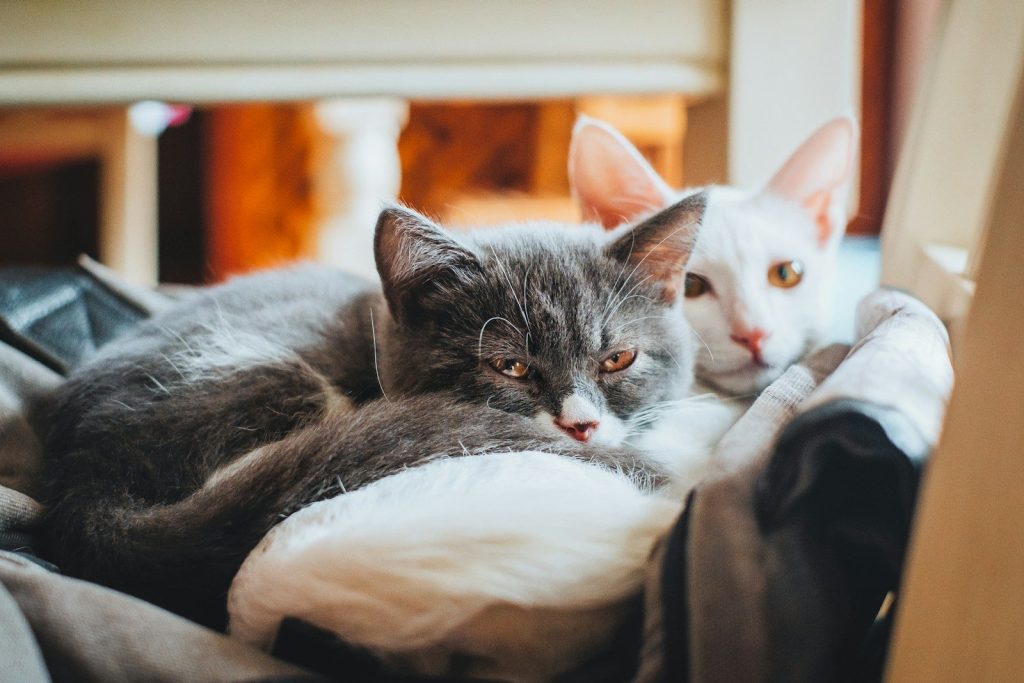
Many owners mistakenly believe that a cat who refuses to sit on their lap doesn’t love them.
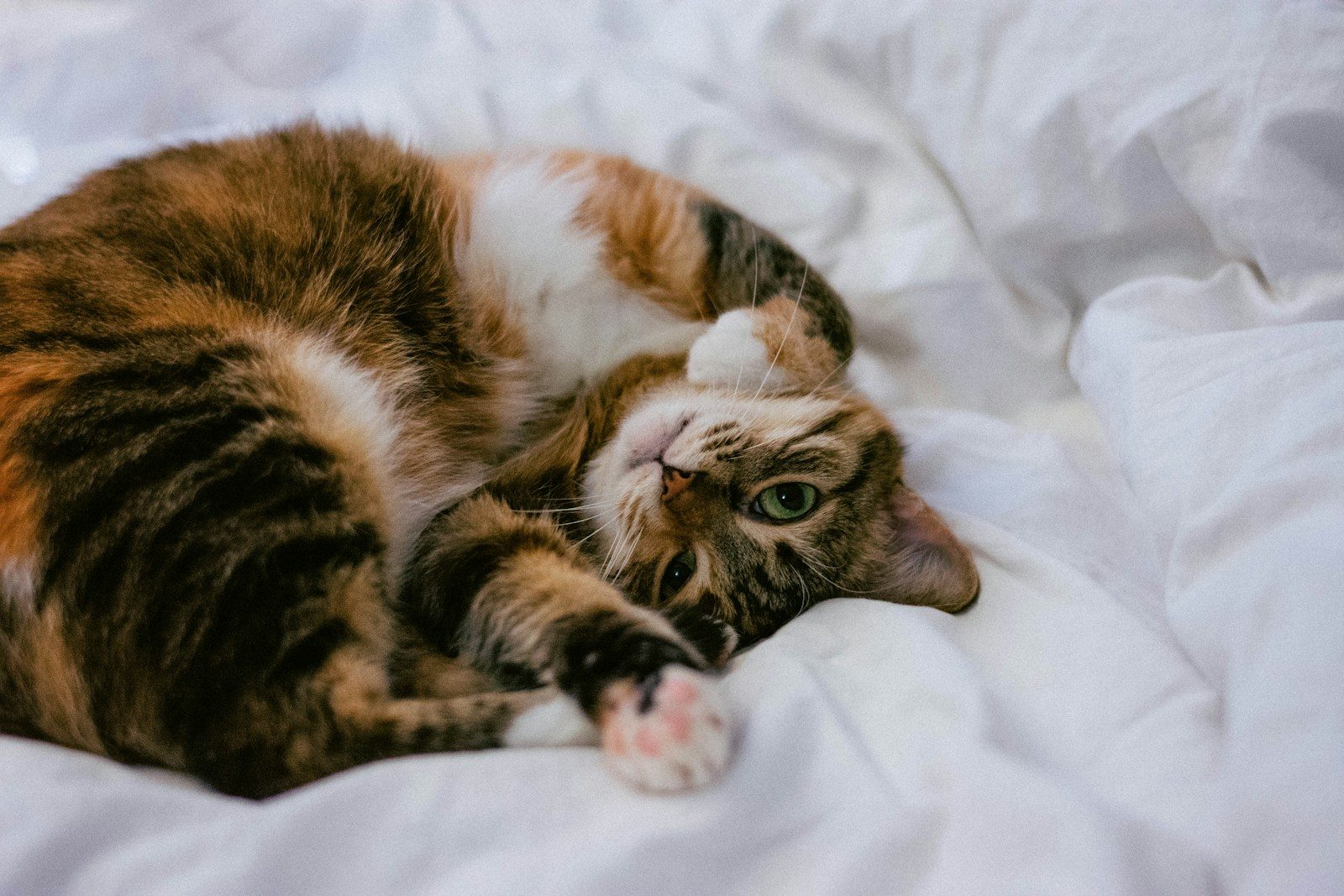
In reality, cats express affection through behaviors such as purring, slow blinking, gentle head bumps, kneading with their paws, and even soft “love bites.” These subtle gestures are their way of showing comfort and trust, even if they prefer to keep a little personal space.
Why You Can’t Force a Cat to Snuggle
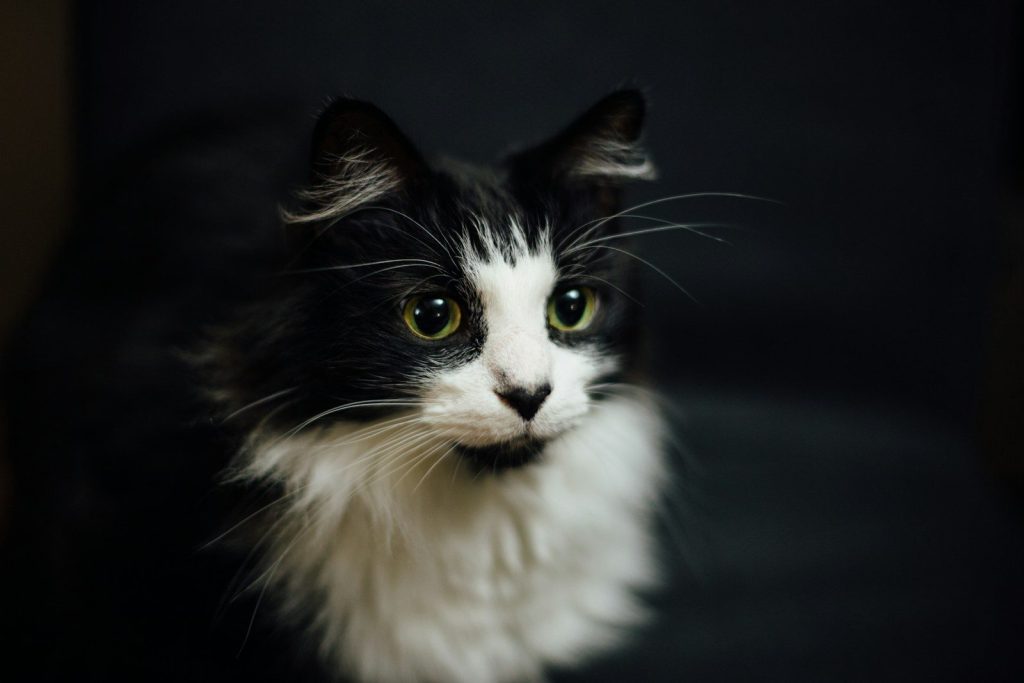
Trying to pick up or cuddle a cat that isn’t interested usually has the opposite effect.
Cats value having control over their personal space. When people repeatedly force physical contact, many felines become anxious and may avoid future interactions. Allowing your cat to decide when and how it wants attention helps build confidence and strengthens your bond over time.
The Best Way to Build Trust
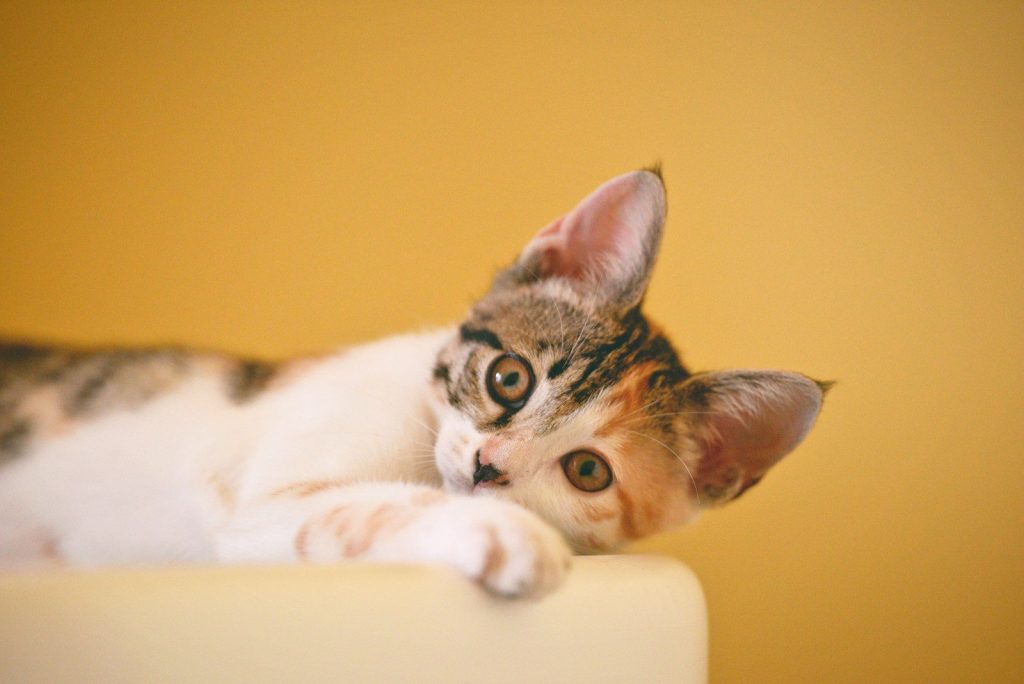
Patience is one of the most effective ways to earn a cat’s affection.
Spending quiet time together, speaking softly, and allowing your cat to approach you first creates a safe and predictable environment. Once your pet feels comfortable, gentle petting around the head, cheeks, ears, or along the back is usually more welcome than full-body hugs or being picked up.
Every Cat Has a Unique Personality
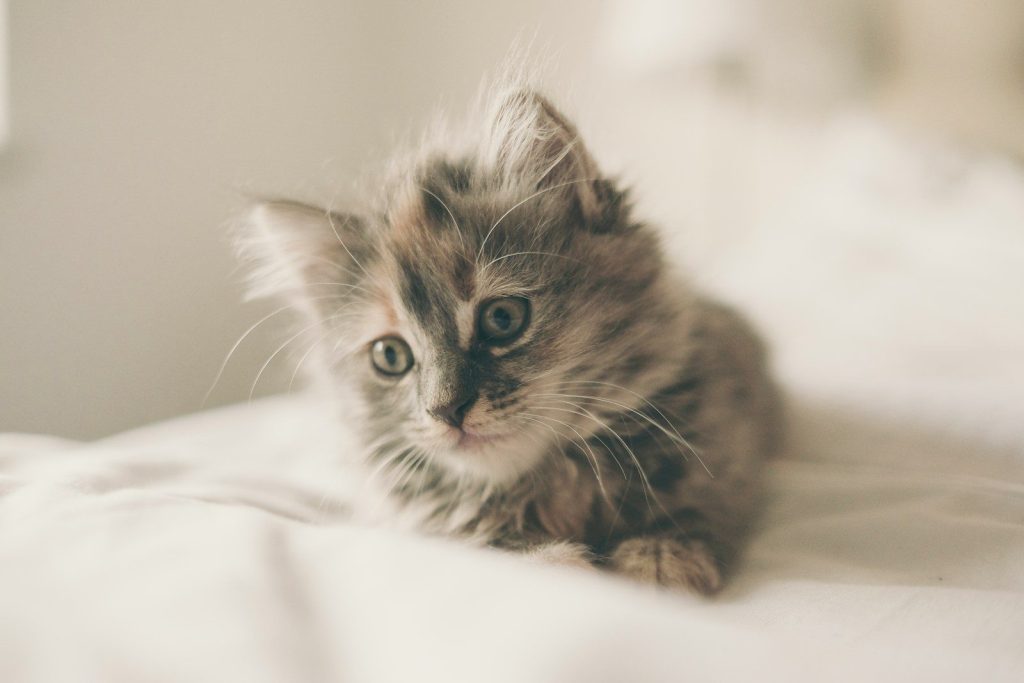
Just like people, every cat has its own temperament.
Some are naturally outgoing and love being held, while others are more reserved and prefer expressing affection from a comfortable distance. Early socialization, life experiences, breed, and personality all influence how cuddly a cat becomes, so comparing one feline to another is rarely helpful.