
For decades, scientists have puzzled over one of the most unusual features of the Tyrannosaurus rex: its extremely small arms compared to its massive body. Despite being one of the most powerful predators to ever exist, T. rex had forelimbs that were surprisingly short and seemingly underdeveloped.
Recent research from University College London suggests a new explanation that links the dinosaur’s tiny arms to the evolution of its powerful head and jaws.
The Mystery of Tiny Arms
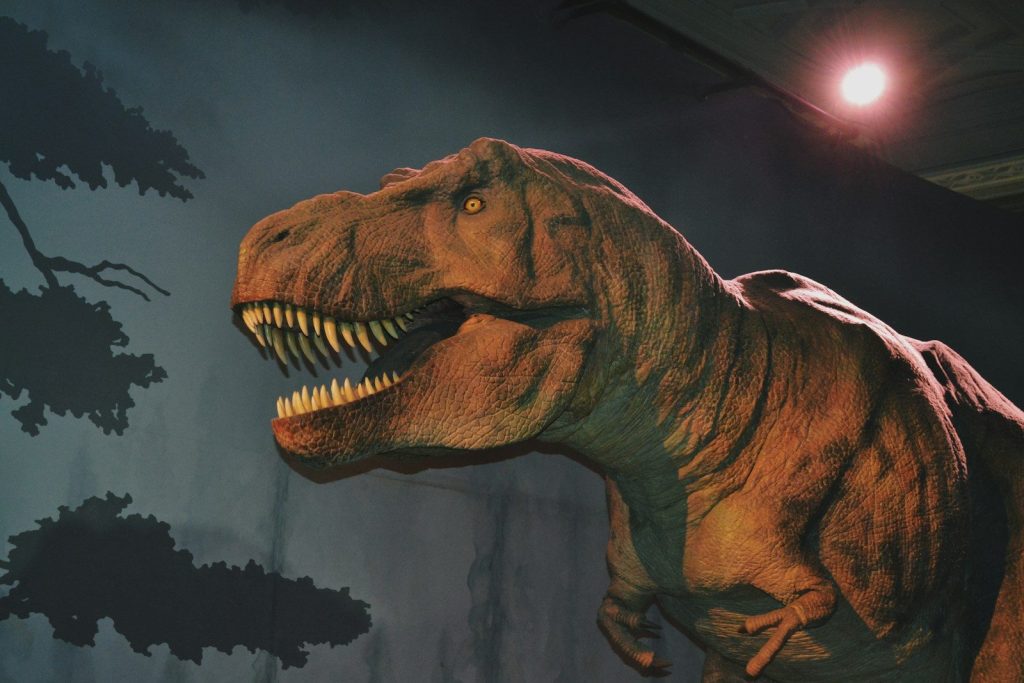
Tyrannosaurus rex had arms that were only about three feet long. In comparison to its huge body, these limbs were extremely small and raised questions for decades.
Other large predatory dinosaurs also show similar reductions in arm size. This pattern suggested that something broader was influencing forelimb evolution.
Stronger Heads Took Over

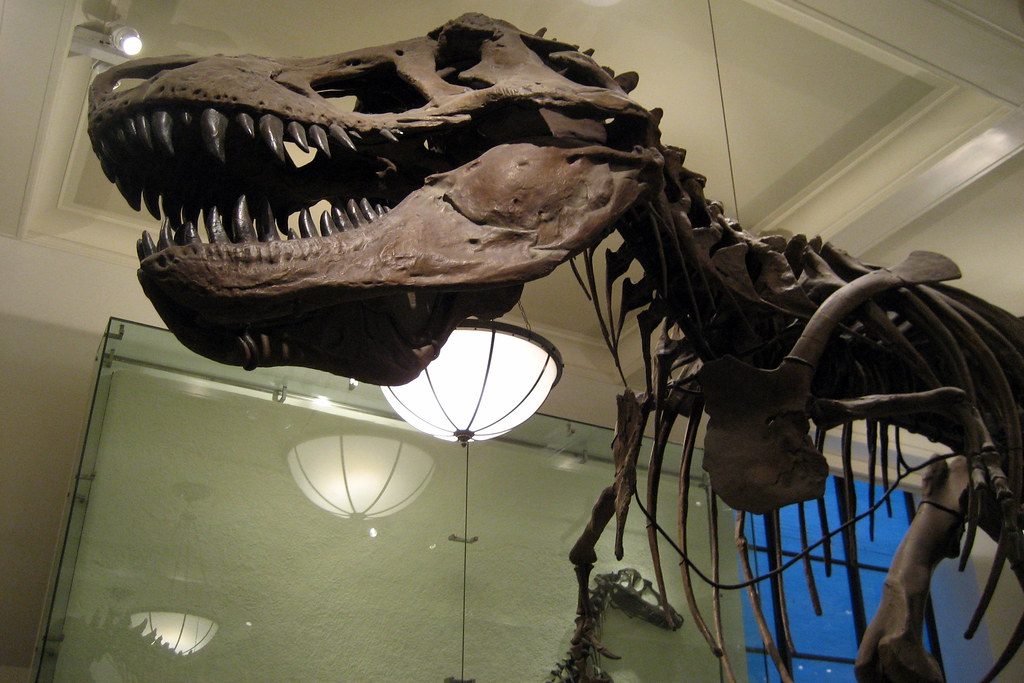
Researchers propose that T. rex relied more on its skull and bite force than its arms. As its jaws became stronger and more efficient, the need for large arms decreased.
The head effectively became the main hunting tool, replacing the role once played by forelimbs. This shift reduced the functional importance of arms over time.
“Use It or Lose It” Evolution
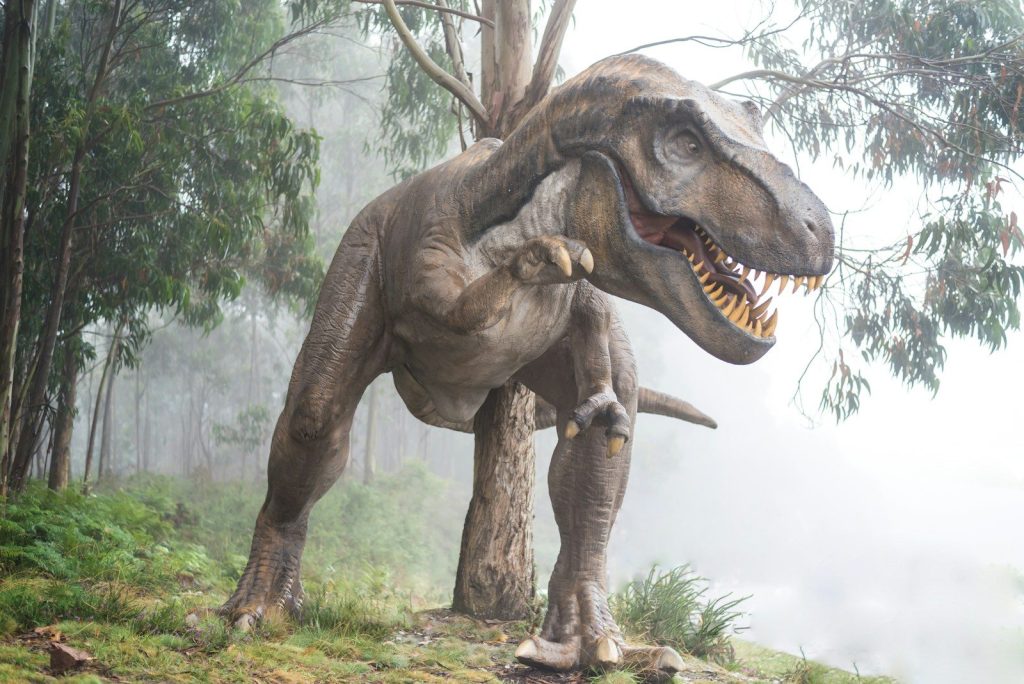
The study suggests that evolution favored traits that were most useful for survival. Since the arms were less important, they gradually became smaller across generations.
This process is often described as “use it or lose it,” where unused features shrink over evolutionary time. Natural selection favored stronger bites over longer arms.
Evidence From Multiple Dinosaur Species
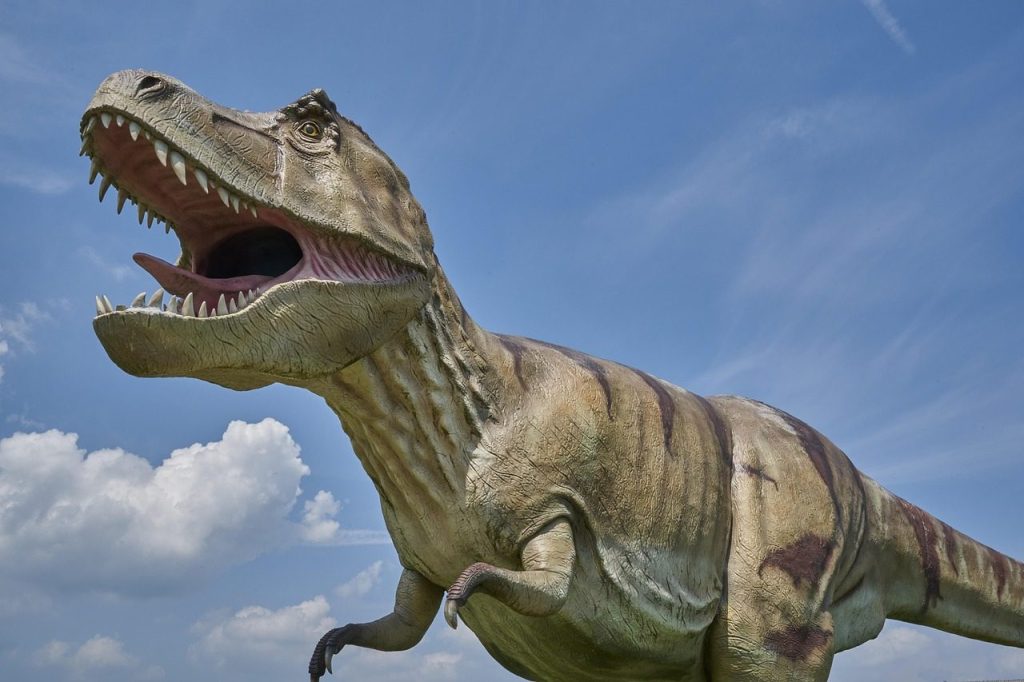
Scientists analyzed data from dozens of theropod species. They found a clear link between large skulls and reduced forelimb size.
This pattern appeared in several unrelated dinosaur groups, suggesting a shared evolutionary pressure. It strengthened the idea that head-based hunting influenced arm reduction.
Not Just About Body Size
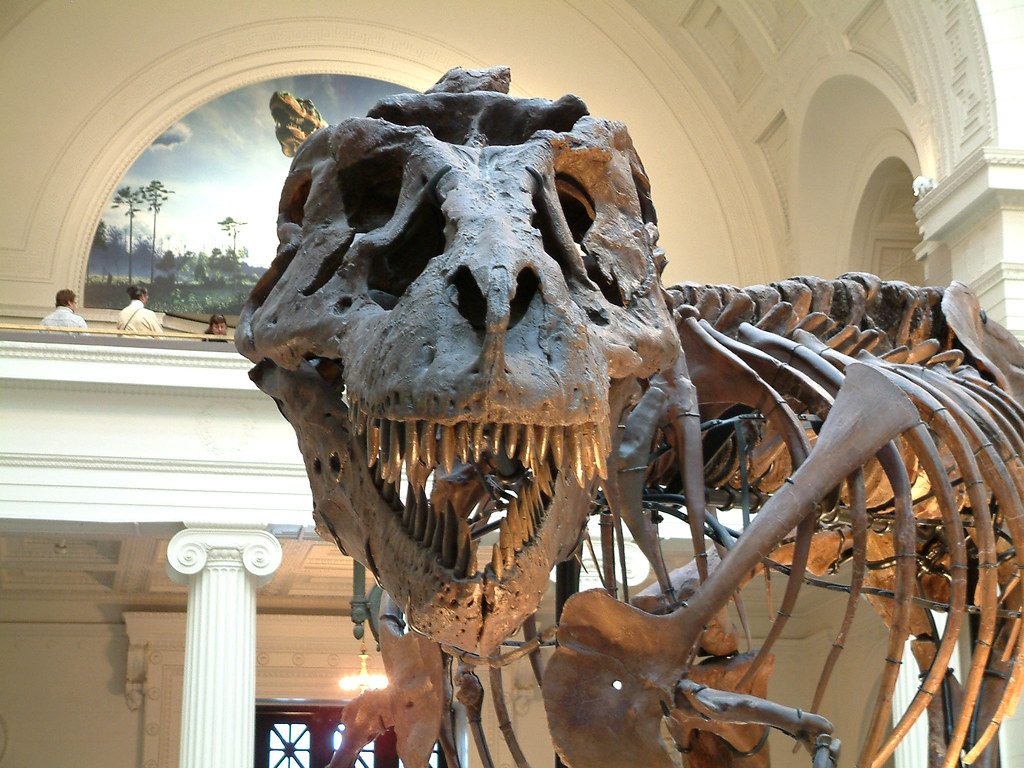
Interestingly, arm size was not directly related to overall body size. Some smaller dinosaurs also had extremely reduced arms if they had strong skulls.
This shows that the driving factor was not size alone but hunting strategy. Functional adaptation played a bigger role than simple growth patterns.
Alternative Theories About Tiny Arms
Other explanations have also been suggested over the years. Some scientists believe the arms may have been used in mating behavior or for helping the animal stand.
Another idea is that short arms reduced the risk of injury during feeding. However, none of these theories are as strongly supported as the skull-driven evolution hypothesis.