In the animal kingdom, pregnancy length varies dramatically depending on species, size, and survival strategy. While some animals give birth within weeks, others carry their young for many months or even years before giving birth.
Long gestation periods are often linked to larger body size, slower development, and the need for offspring to be highly developed at birth.
African Elephant
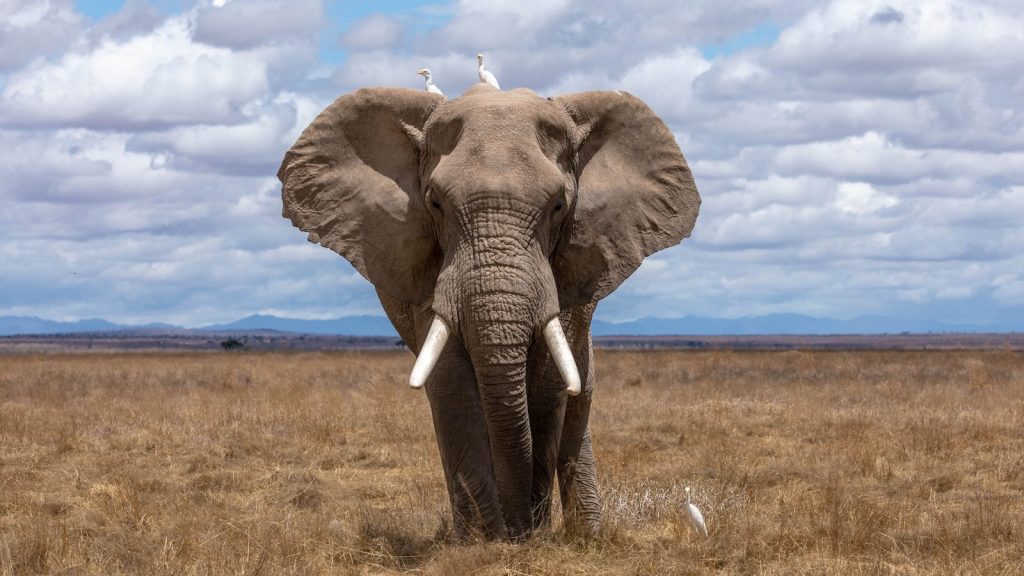
African elephants have one of the longest pregnancies in the animal worl. Their gestation period lasts nearly two years.
This long development time allows calves to be born highly intelligent and physically strong. Elephant mothers invest heavily in each offspring due to their slow reproduction rate.
Sperm Whale
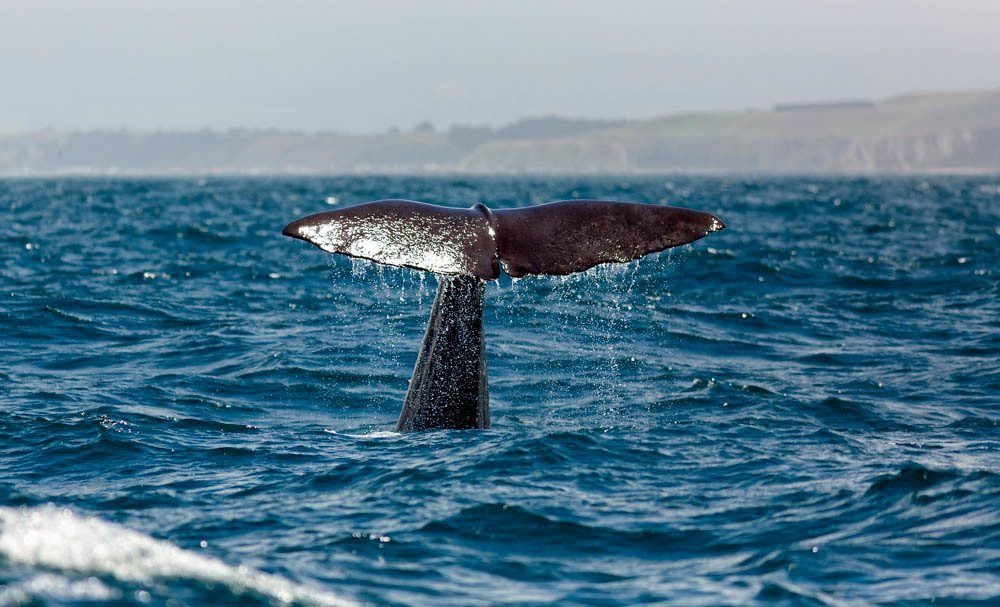
Sperm whales also have an extremely long gestation period. Pregnancy can last more than a year and sometimes close to 18 months.
This extended development supports the growth of one of the largest marine mammals. Calves are born ready to survive in deep ocean environments.
Rhinoceros
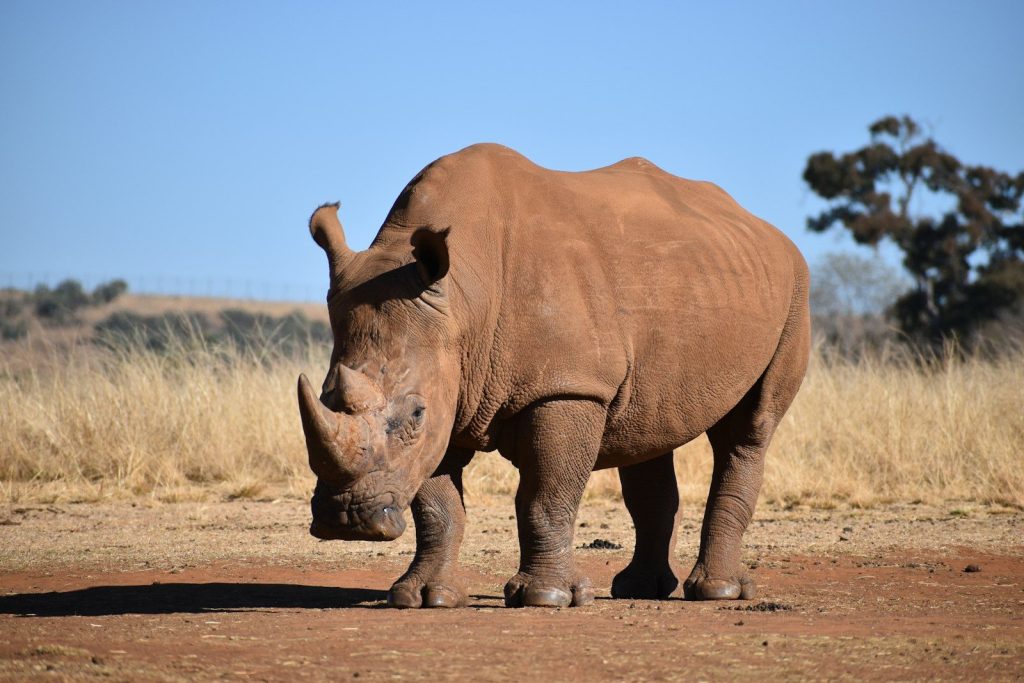
Rhinoceroses carry their young for around 15 to 16 months. This long pregnancy helps ensure calves are well-developed at birth.
Due to their size and low population numbers, reproduction is slow and carefully spaced. This makes conservation efforts especially important.
Giraffe
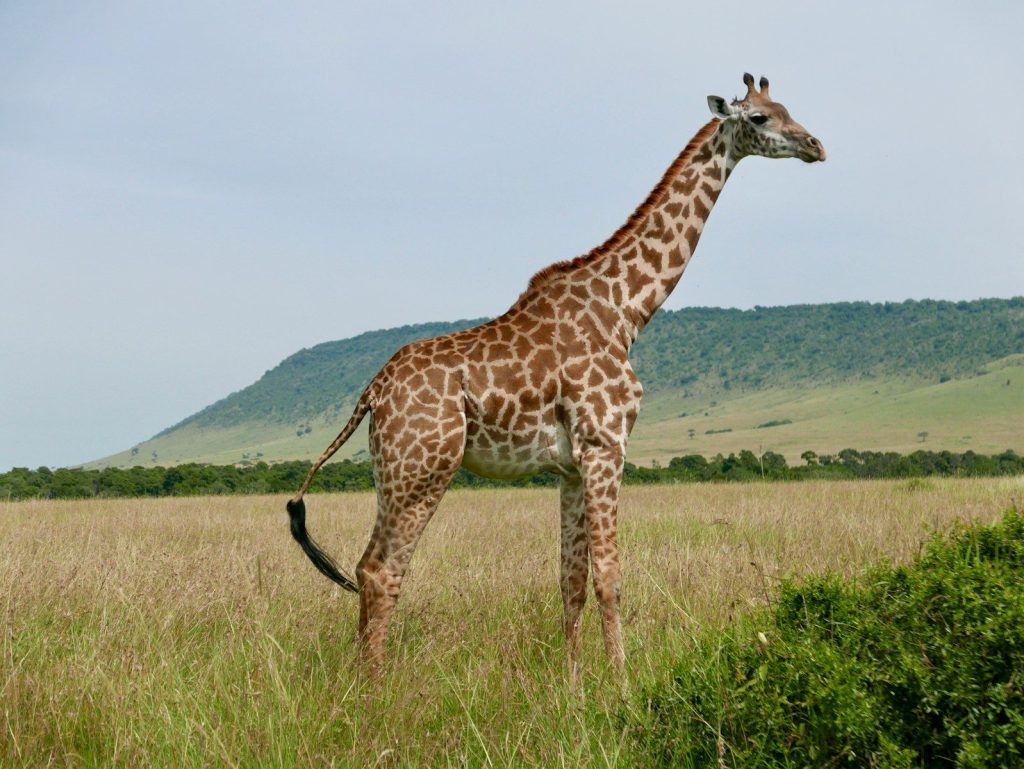
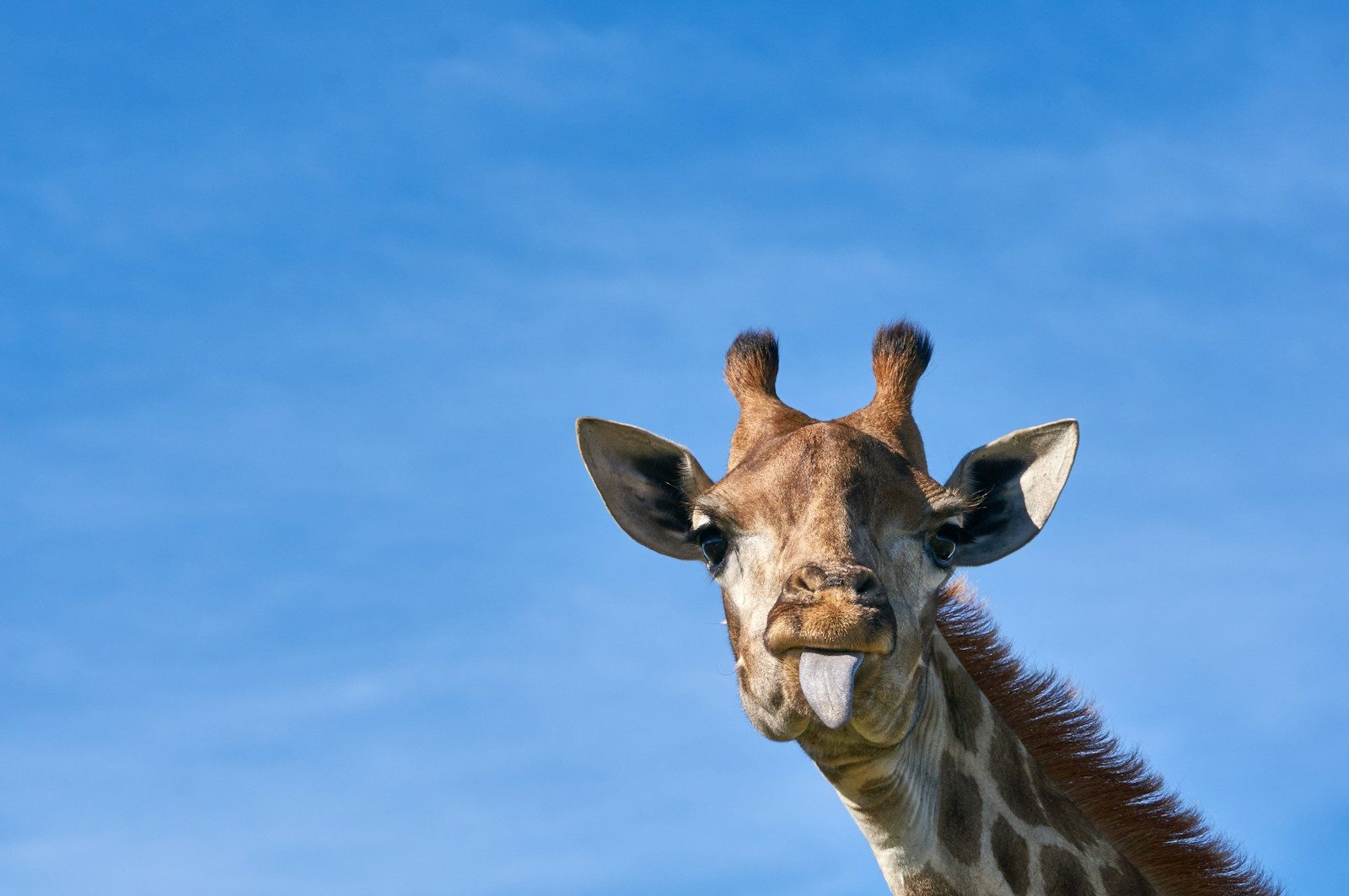
Giraffes are pregnant for about 15 months. Their calves are born tall and capable of standing within hours.
This rapid independence is crucial for survival in predator-rich environments. The long gestation ensures physical readiness at birth.
Camel
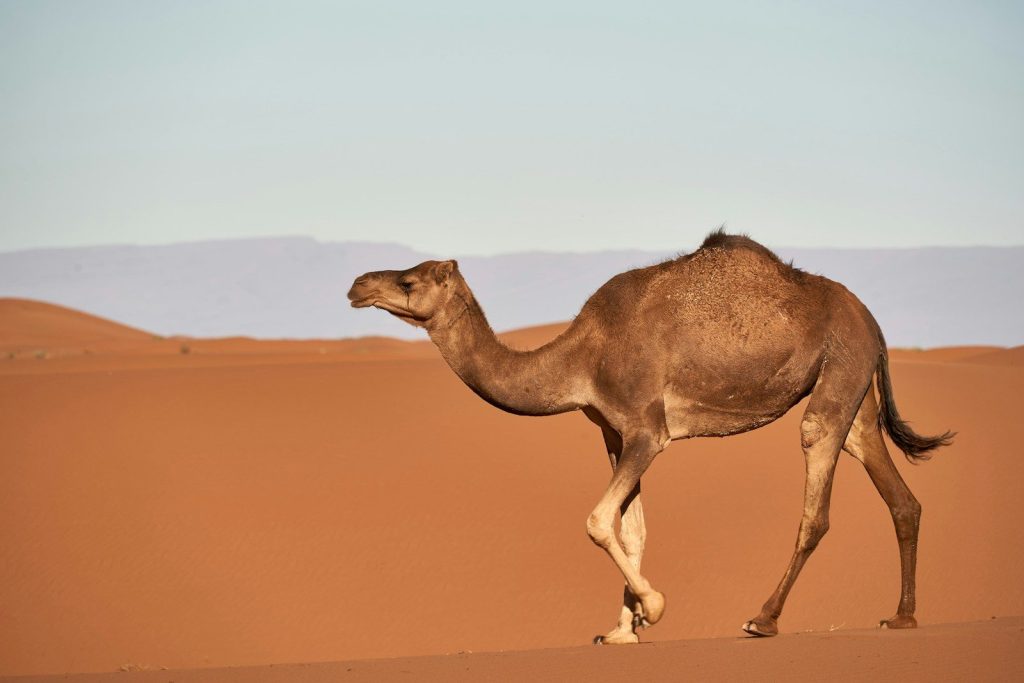
Camels have a gestation period of around 13 to 14 months. This allows calves to develop in harsh desert conditions.
Newborn camels are able to walk soon after birth. Their development is adapted to extreme climates.
Orca (Killer Whale)
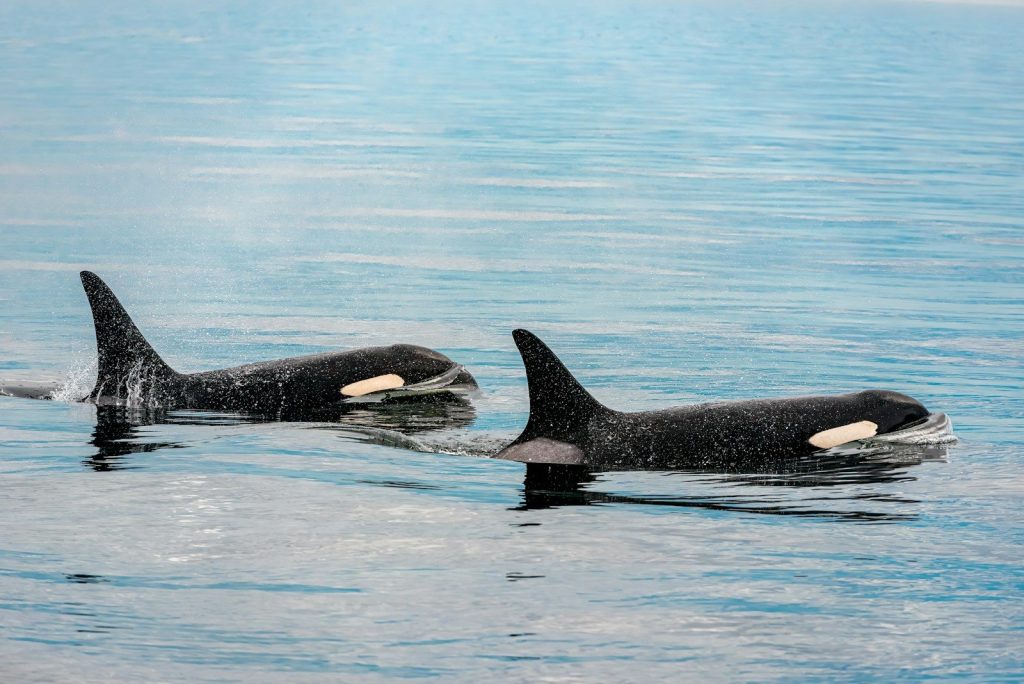
Orcas have pregnancies lasting about 15 to 18 months. Their calves are born into highly social pods.
This long development period supports strong brain growth and social learning. Orcas have one of the most complex family structures in the ocean.