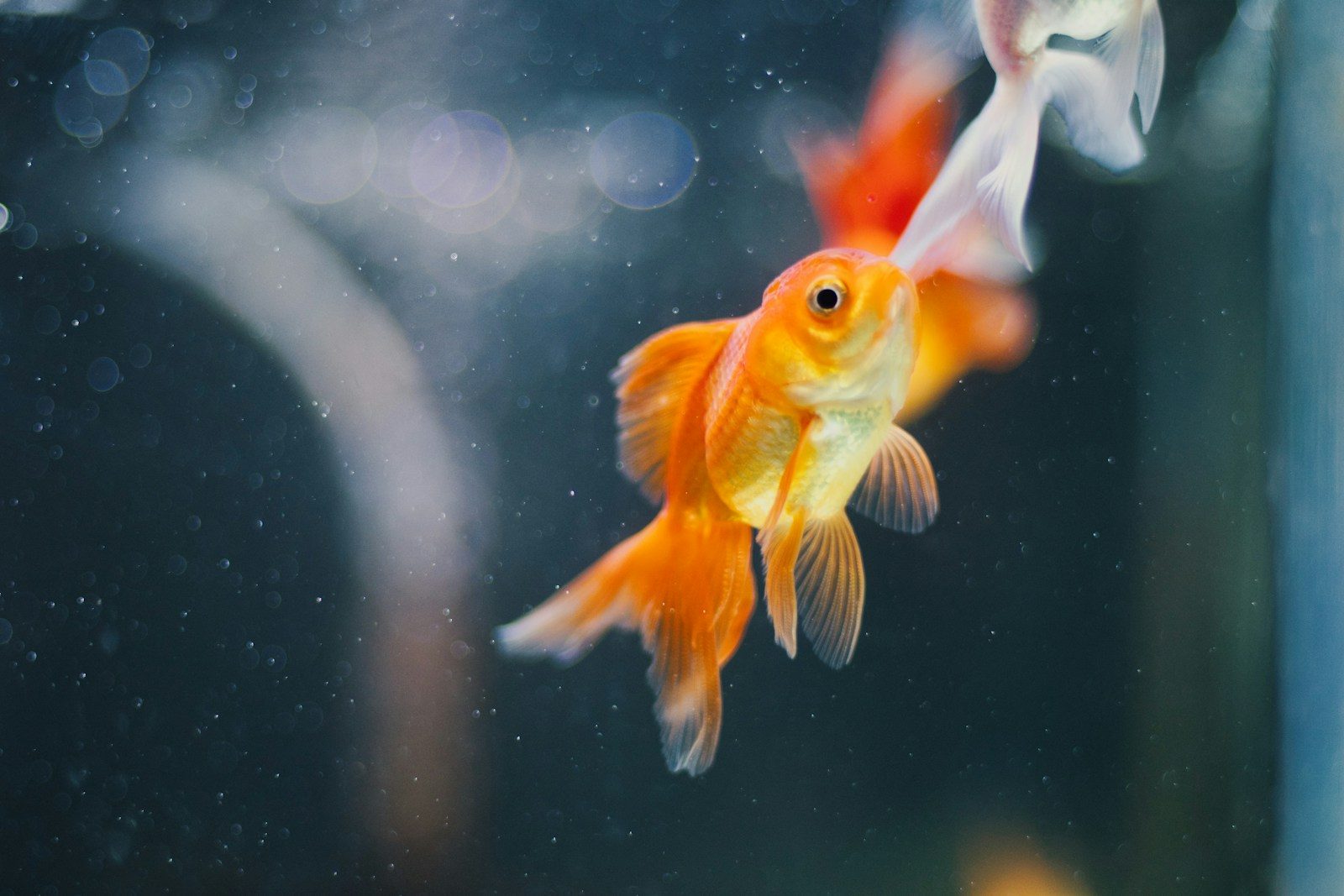
Goldfish may seem like harmless pets, but releasing them into the wild can have serious consequences. Scientists say these familiar aquarium fish can quickly transform lakes, ponds, and rivers.
While they pose no danger to people, goldfish can become invasive when introduced into natural habitats. Their rapid growth and feeding habits can disrupt entire freshwater ecosystems.
Goldfish Can Become Invasive
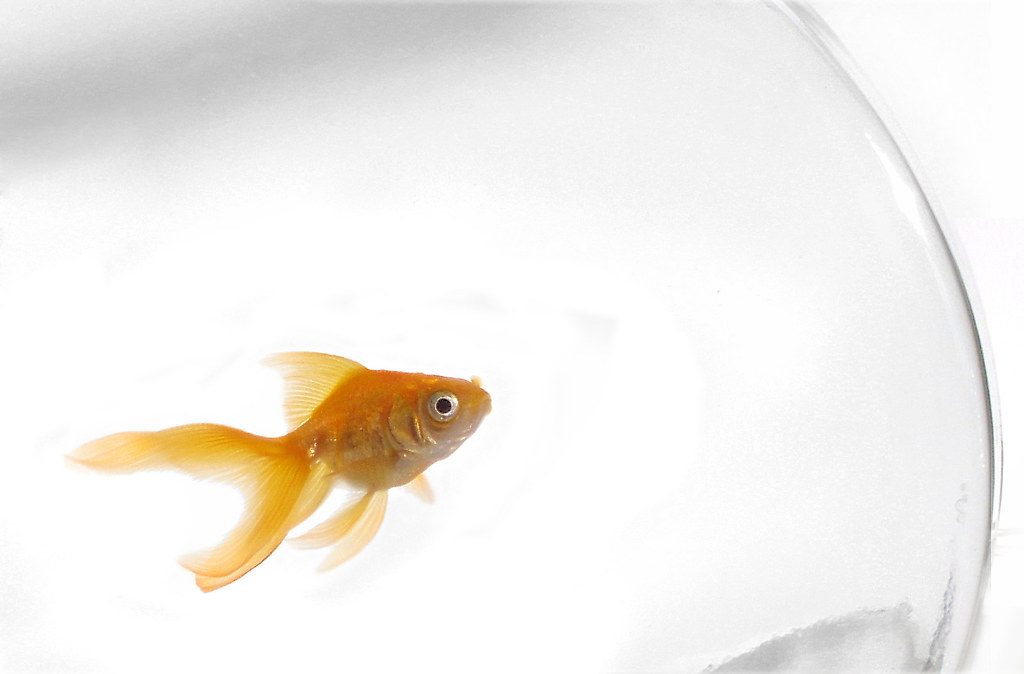
Goldfish are native to eastern Asia but have been introduced across the world through the pet trade. Many end up in natural waterways after owners release unwanted pets into ponds or lakes.
Once established, goldfish reproduce quickly and adapt to a wide range of environmental conditions. Their resilience allows them to outcompete native fish and spread rapidly through freshwater ecosystems.
They Grow Much Larger in the Wild
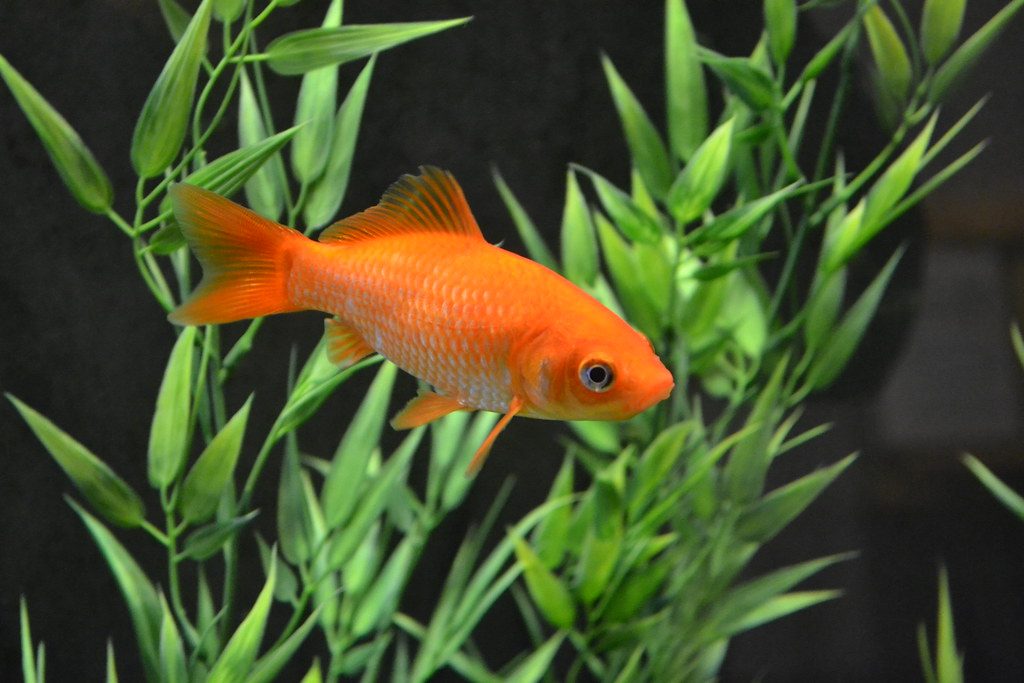
Many people assume goldfish stay small because they are kept in aquariums. In natural habitats, however, they can grow several times larger than their pet-store size and live much longer.
With abundant food and space, some wild goldfish reach over a foot in length and become surprisingly heavy. Their larger size makes them difficult for natural predators to control.
Goldfish Damage Freshwater Habitats
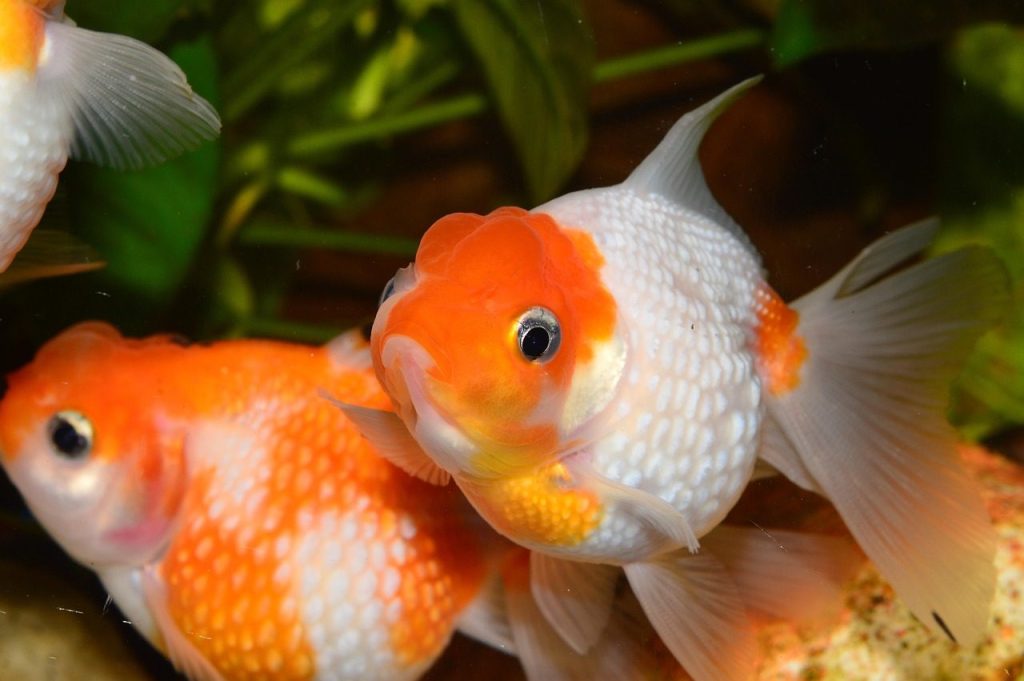
Wild goldfish constantly dig through lake and pond bottoms while searching for food. This behavior stirs up sediment, making the water cloudy and reducing sunlight for underwater plants.
The disturbance also releases nutrients trapped in the sediment, encouraging algal growth and degrading water quality. Over time, these changes make habitats less suitable for many native aquatic species.
They Compete With Native Wildlife
Goldfish are opportunistic feeders that consume aquatic plants, insects, fish eggs, and other small organisms. Their broad diet allows them to compete directly with many native fish species.
Researchers have found that established goldfish populations reduce food availability for local wildlife while also disrupting breeding success for native fish and amphibians.
New Research Shows Ecosystem-Wide Impacts
Recent studies found that introducing goldfish into freshwater ecosystems caused noticeable ecological changes. Even healthy lakes became less balanced after goldfish populations became established.
Scientists warn that once these populations take hold, removing them is extremely difficult. Preventing their release remains the best way to protect freshwater habitats.
Responsible Pet Ownership Makes the Difference
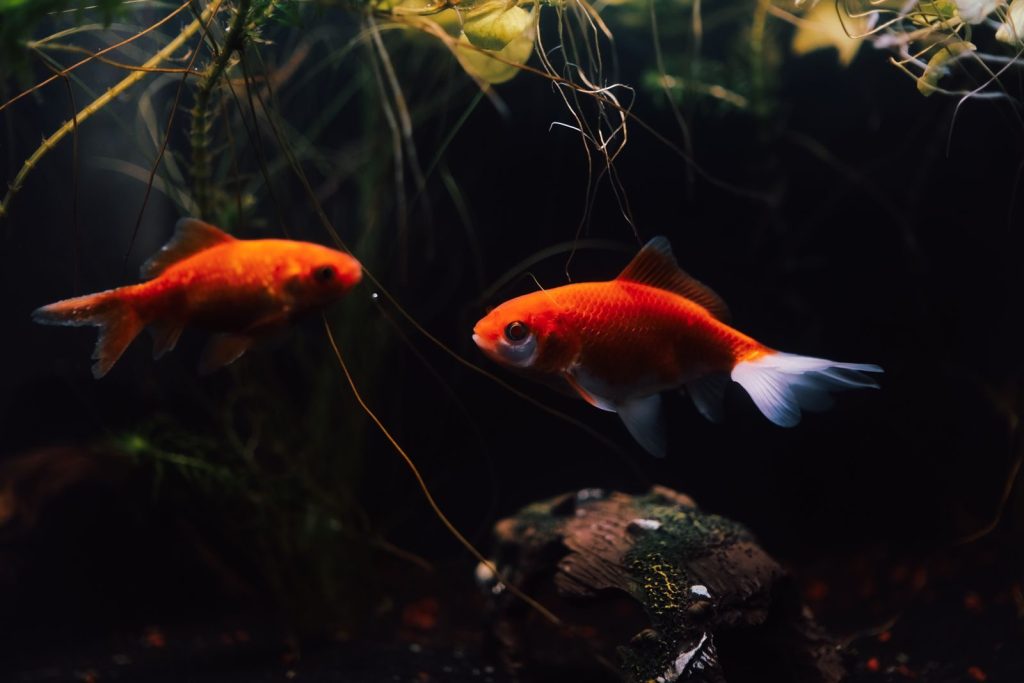
Goldfish are not dangerous animals by nature, but releasing them into the wild creates environmental problems. Responsible pet ownership can prevent these issues before they begin.
Experts recommend rehoming unwanted goldfish or contacting local rescue organizations instead of releasing them. These simple choices help protect native wildlife and keep freshwater ecosystems healthy.