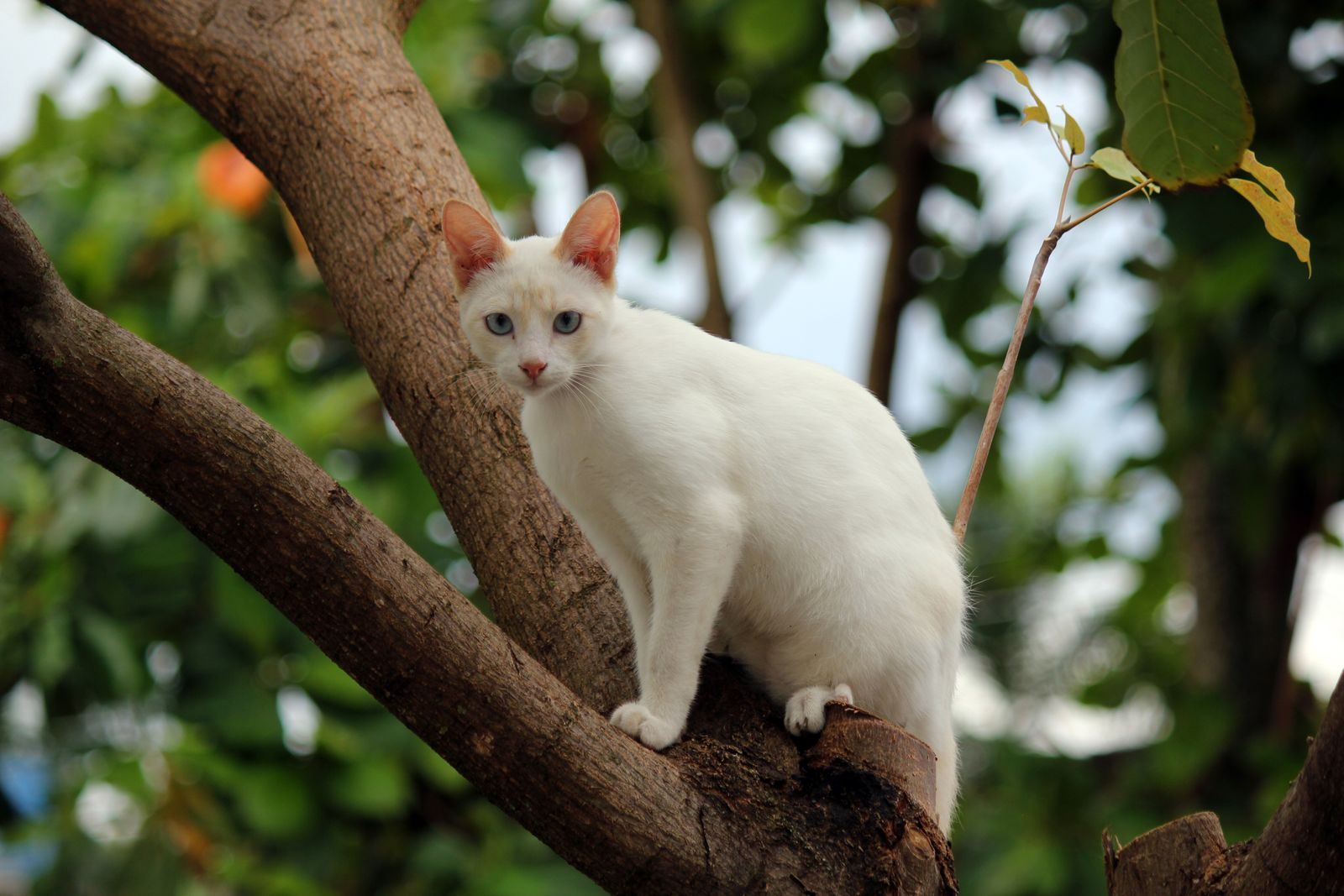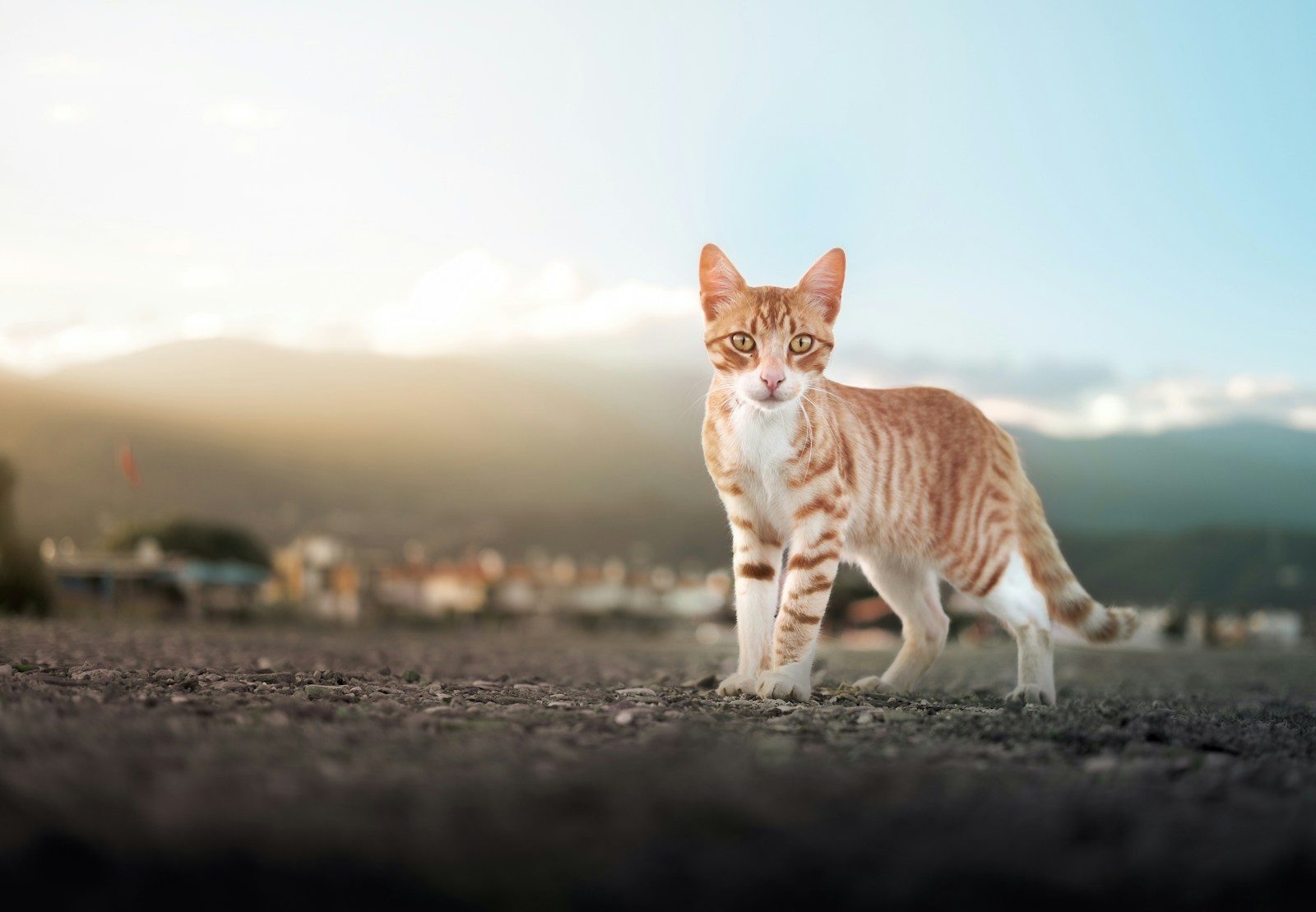
Cats are beloved companions in millions of homes, but when they roam freely outdoors, they can have a significant impact on local wildlife. Conservationists and park managers have long warned that free-ranging domestic cats can disrupt fragile ecosystems, particularly in protected areas where native animals have evolved without feline predators. Understanding these impacts can help pet owners make informed decisions that benefit both their cats and local wildlife.
They Hunt Native Wildlife
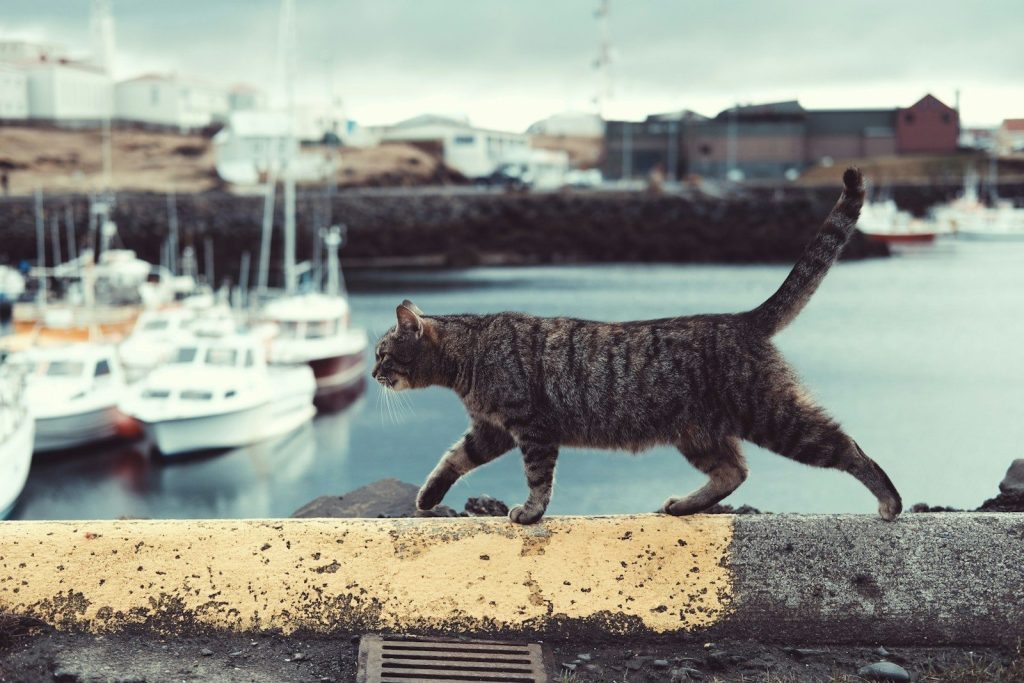
Even well-fed domestic cats retain strong hunting instincts. Birds, small mammals, reptiles, and amphibians are common targets, and cats often hunt even when they are not hungry.
In areas with vulnerable wildlife populations, repeated hunting by free-roaming cats can place additional pressure on native species, especially those that reproduce slowly or already face habitat loss.
Island Ecosystems Are Especially Vulnerable
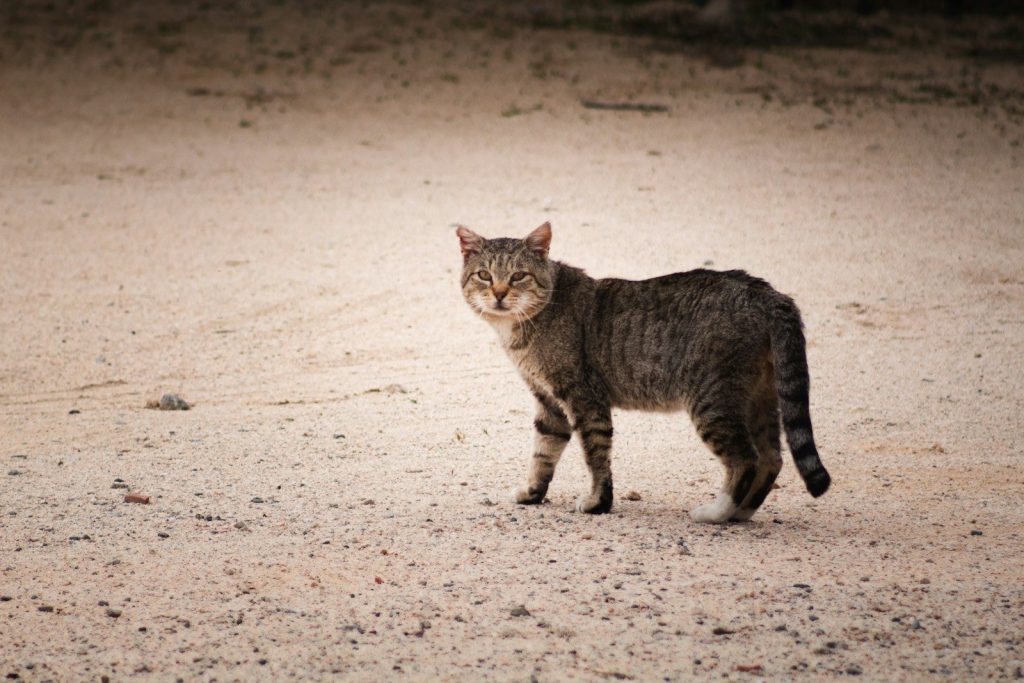
Wildlife on islands has often evolved without predators like domestic cats. As a result, many birds, reptiles, and small mammals have few natural defenses against feline hunters.
When cats are introduced to these environments, they can quickly reduce native populations and, in some cases, contribute to the decline or extinction of species found nowhere else on Earth.
Cats Can Spread Diseases
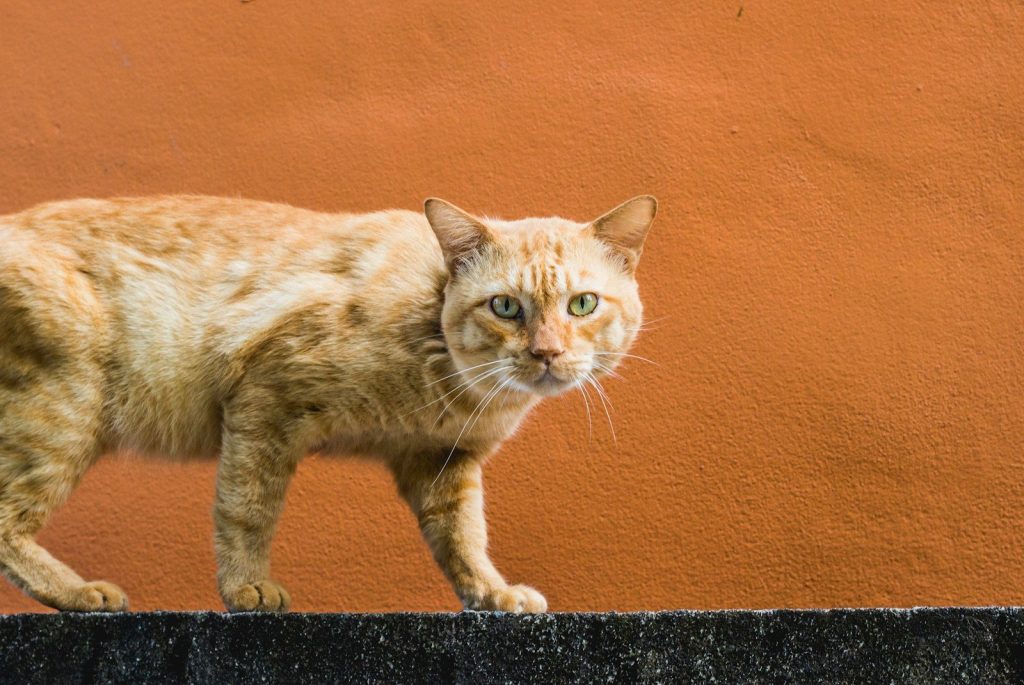
Outdoor cats may carry parasites and infectious diseases that can affect wildlife, livestock, and other domestic animals. One well-known example is Toxoplasma gondii, a parasite that can be shed in cat feces and survive in the environment.
The parasite has been detected in numerous wild animals and can pose risks to certain species, highlighting the importance of responsible pet management and proper waste disposal.
Protected Areas Need Extra Care
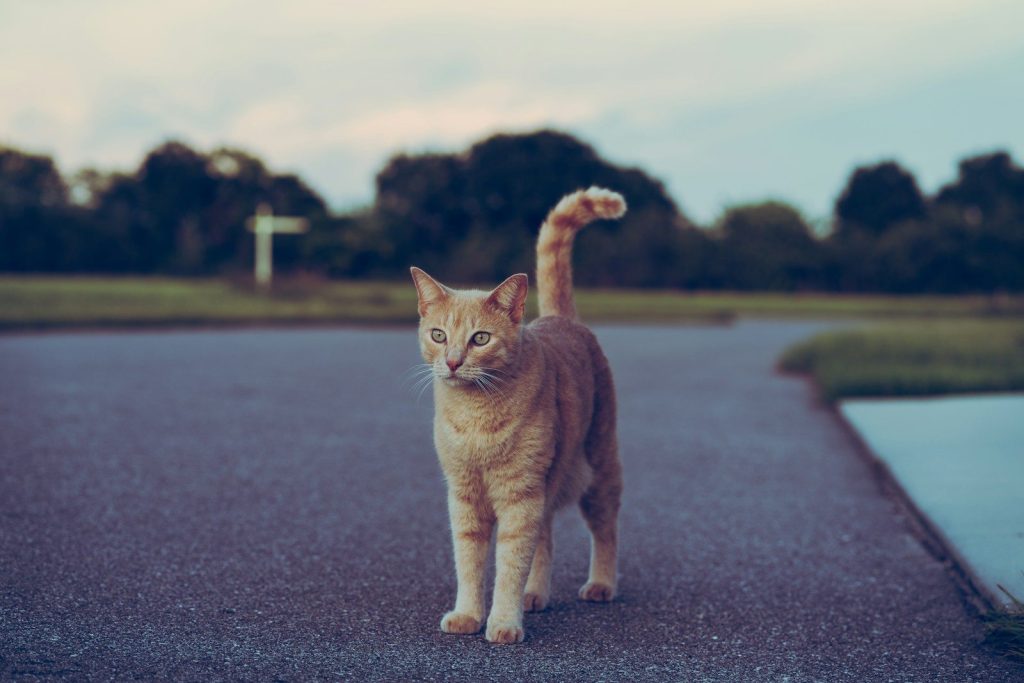
National parks and wildlife reserves are created to preserve natural ecosystems. Free-roaming cats entering these protected habitats can disturb nesting birds, prey on small animals, and disrupt the balance conservationists work to maintain.
For this reason, many protected areas discourage or prohibit releasing or feeding stray cats within park boundaries to reduce ecological impacts.
Keeping Cats Indoors Benefits Them Too
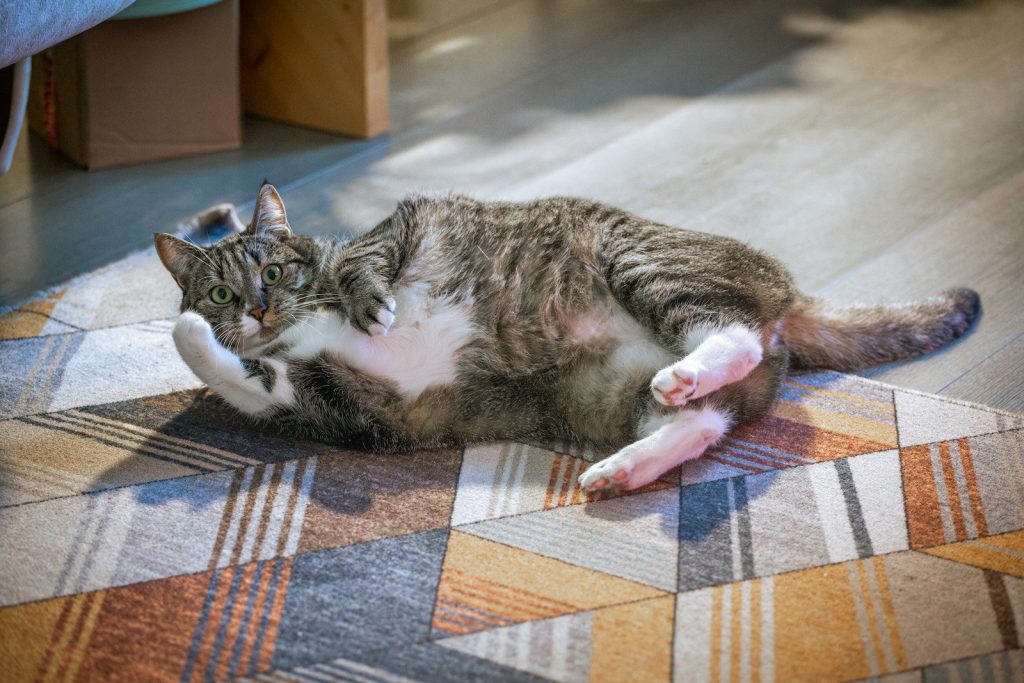
Indoor cats generally face fewer dangers than those allowed to roam freely. They are less likely to be injured by vehicles, attacked by predators or other animals, or exposed to infectious diseases and toxic substances.
Providing climbing structures, scratching posts, toys, and interactive play can help indoor cats stay physically active and mentally stimulated while reducing risks to wildlife.
Responsible Pet Ownership Supports Conservation
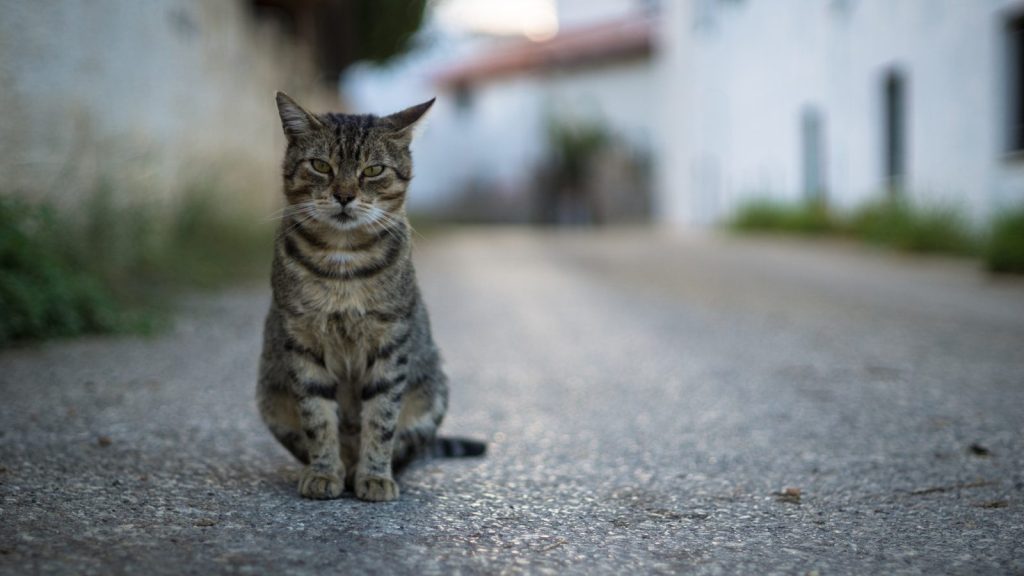
Keeping cats indoors or supervising them in secure outdoor enclosures allows owners to protect both their pets and native wildlife. Spaying and neutering pets, ensuring proper identification, and avoiding the abandonment of unwanted cats also help reduce the number of free-roaming animals.
By taking these simple steps, pet owners can enjoy the companionship of their cats while helping conserve the birds, mammals, reptiles, and other wildlife that share our environment.