Coming across a baby bird on the ground or spotting a lone fawn in your backyard can tug at your heartstrings. Your first instinct may be to rescue the animal, but wildlife experts say that stepping in too quickly can sometimes do more harm than good.
Before taking action, it’s important to determine whether the animal is truly orphaned or simply waiting for its parent to return.
Observe Before You Intervene
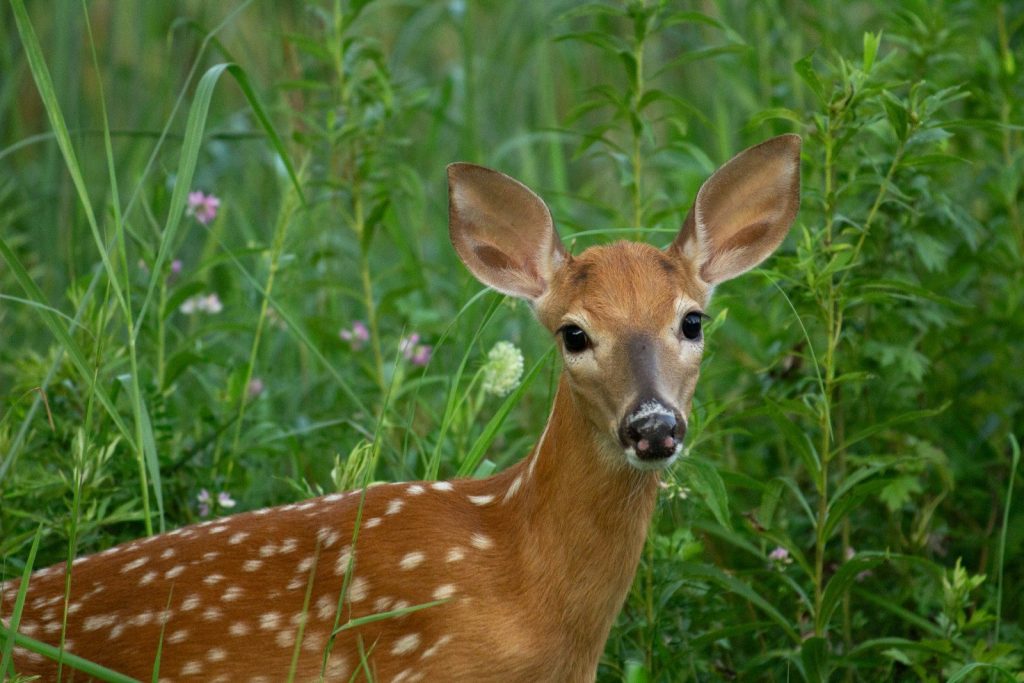
Many young wild animals spend time alone while their parents search for food. Deer often leave fawns hidden in tall grass for several hours, while rabbits visit their nests only a few times a day to avoid attracting predators.
If the animal appears healthy, quiet, and free from immediate danger, watch from a distance for several hours before assuming it has been abandoned.
Don’t Assume Every Baby Animal Needs Rescue
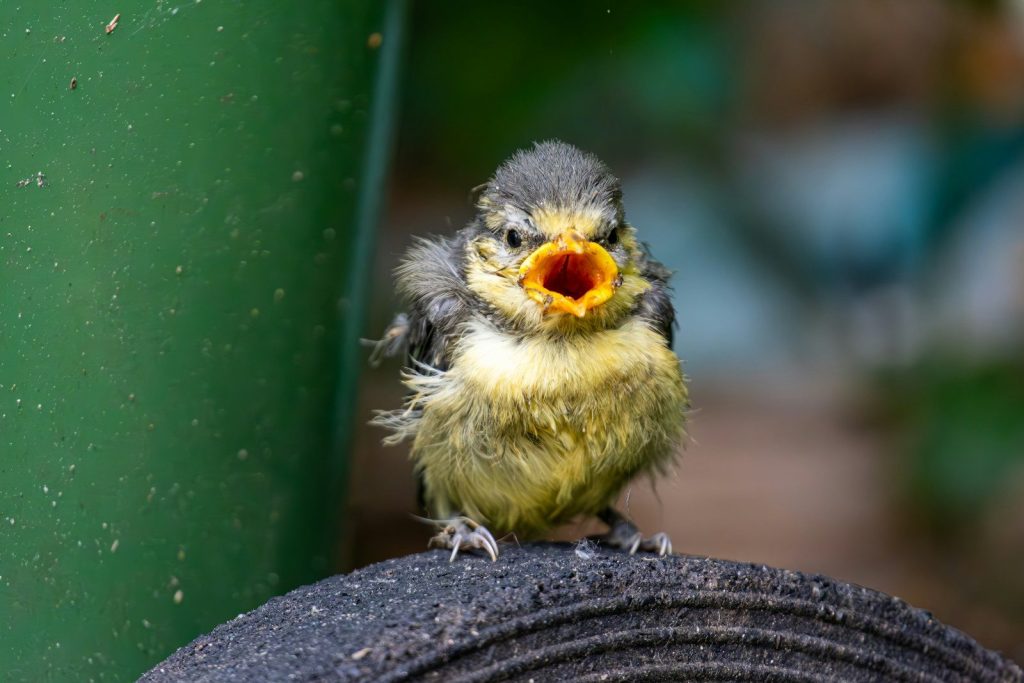
Young birds are a common source of confusion. Feathered birds found hopping on the ground are often fledglings that are learning to fly. Their parents are usually nearby, feeding and protecting them even if you can’t see them.
Only very young nestlings that have little or no feathers and have fallen from their nest may need assistance. If possible, gently place them back in the nest. Contrary to popular belief, birds do not reject their young because of human scent.
Keep Pets and People Away
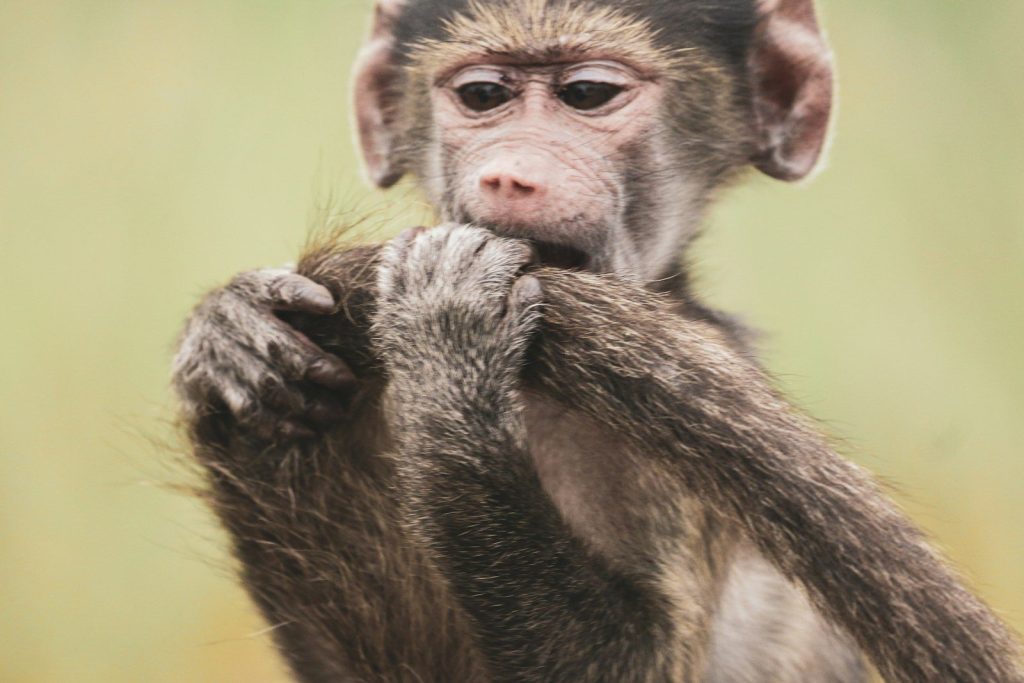
If you discover a young wild animal, keep dogs, cats, and curious children at a safe distance. Stress caused by human activity or pets can prevent parents from returning to care for their offspring.
Giving wildlife plenty of space is often the best way to help.
Contact a Licensed Wildlife Rehabilitator

If the animal is visibly injured, covered in flies, bleeding, weak, cold, or you are certain its parent has died, contact a licensed wildlife rehabilitator or local animal rescue organization as soon as possible.
These professionals have the training, facilities, and permits needed to care for wild animals and prepare them for release back into their natural habitat.
Avoid Feeding or Caring for It Yourself
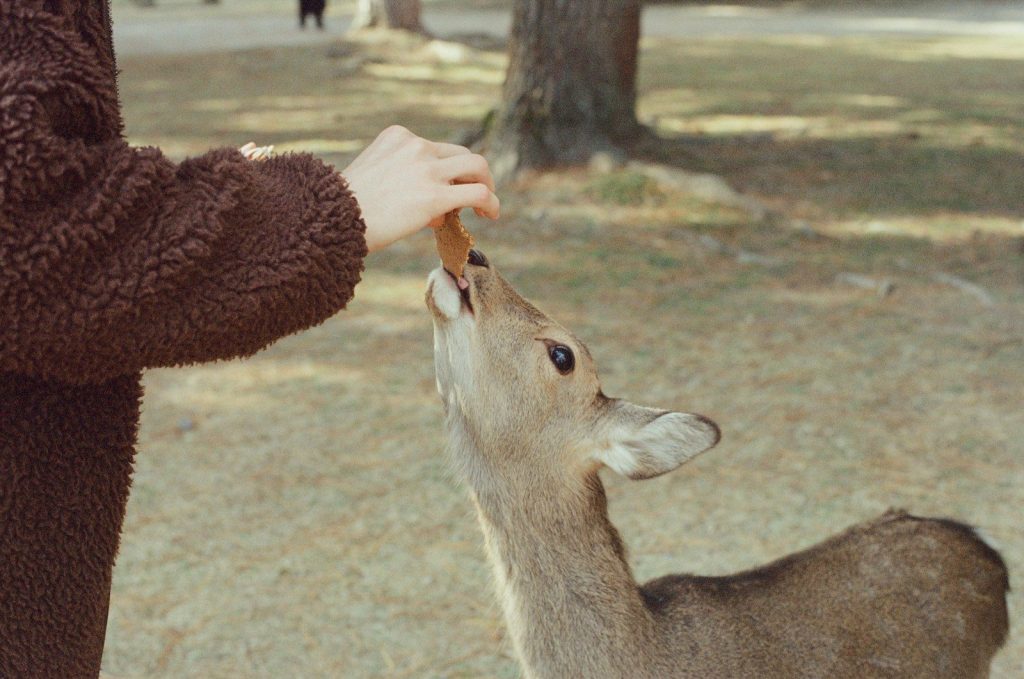
Wild animals have highly specialized dietary and medical needs. Feeding them the wrong food—or giving them water improperly—can cause serious illness or even death.
It’s also illegal in many areas to keep native wildlife without proper authorization.
Featured Image: Photo by Erwin Bosman on Unsplash