Humans aren’t the only species to form unusual relationships with other animals. Across forests, oceans, and grasslands, several creatures have developed remarkable partnerships that look surprisingly similar to keeping pets. While scientists note that these relationships are usually driven by survival and mutual benefit rather than affection, they reveal just how complex animal behavior can be.
Here are five fascinating examples of animals that appear to keep “pets” of their own.
Ants Farm Aphids Like Tiny Livestock

One of nature’s best-known examples comes from ants. Certain ant species protect colonies of aphids because the tiny insects produce a sugary liquid called honeydew, which ants use as food.
The ants defend aphids from predators, move them to fresh plants, and even carry them into their nests during winter before returning them outdoors in spring. This remarkable behavior has earned ants the nickname of nature’s first livestock farmers.
Gobies and Pistol Shrimp Make the Perfect Team
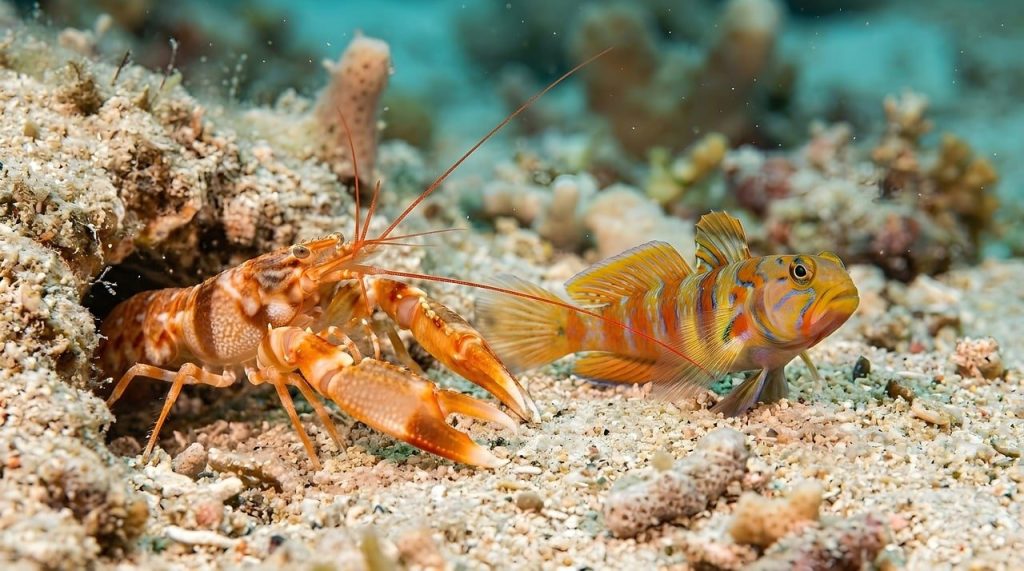
Gobies and pistol shrimp share one of the closest partnerships in the marine world.
The nearly blind shrimp digs and maintains an underground burrow, while the goby stands guard outside, warning its companion of approaching danger through body movements. The shrimp keeps one antenna touching the fish at all times, relying on its watchful partner for protection.
Clownfish Live Safely Among Sea Anemones
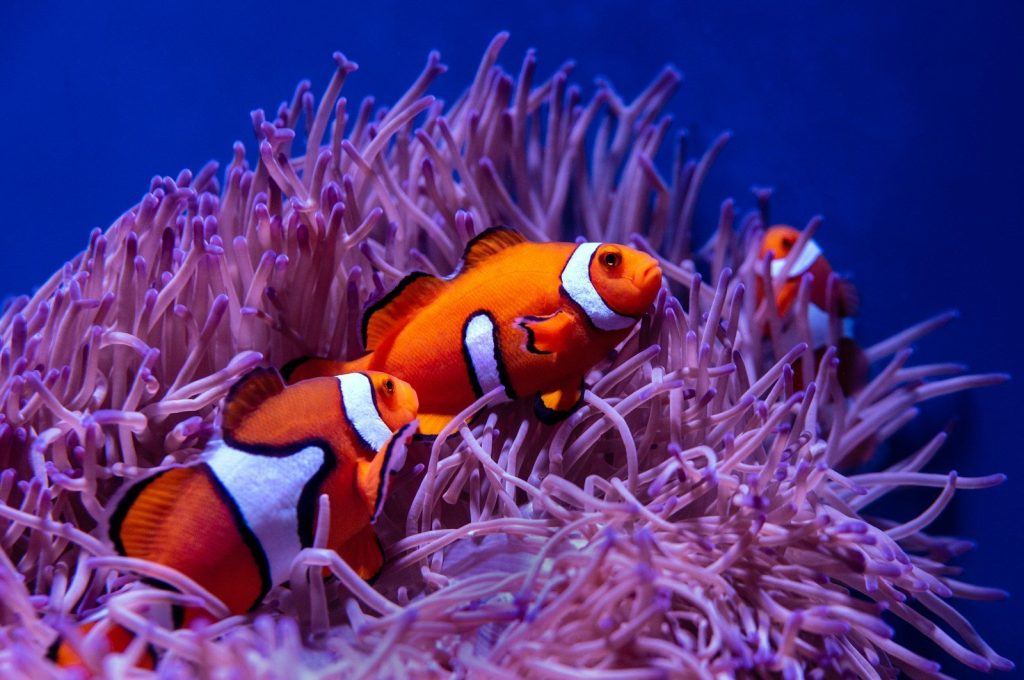
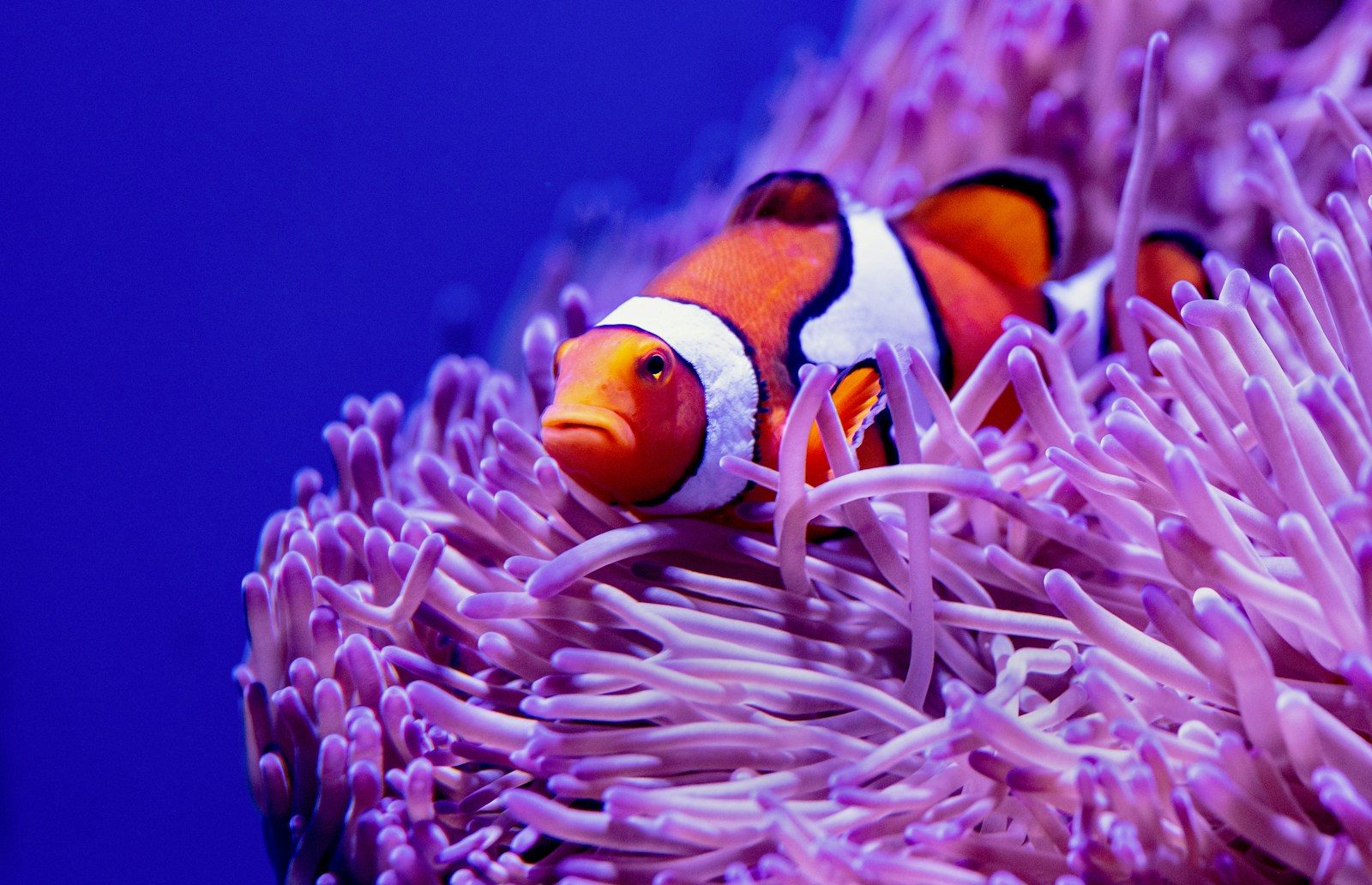
Clownfish are famous for living among the stinging tentacles of sea anemones.
The fish gain protection from predators, while the anemones benefit from cleaning, improved water circulation, and leftover food. Although not technically pets, the close relationship resembles a long-term partnership where both species benefit.
Tarantulas Share Their Homes with Tiny Frogs
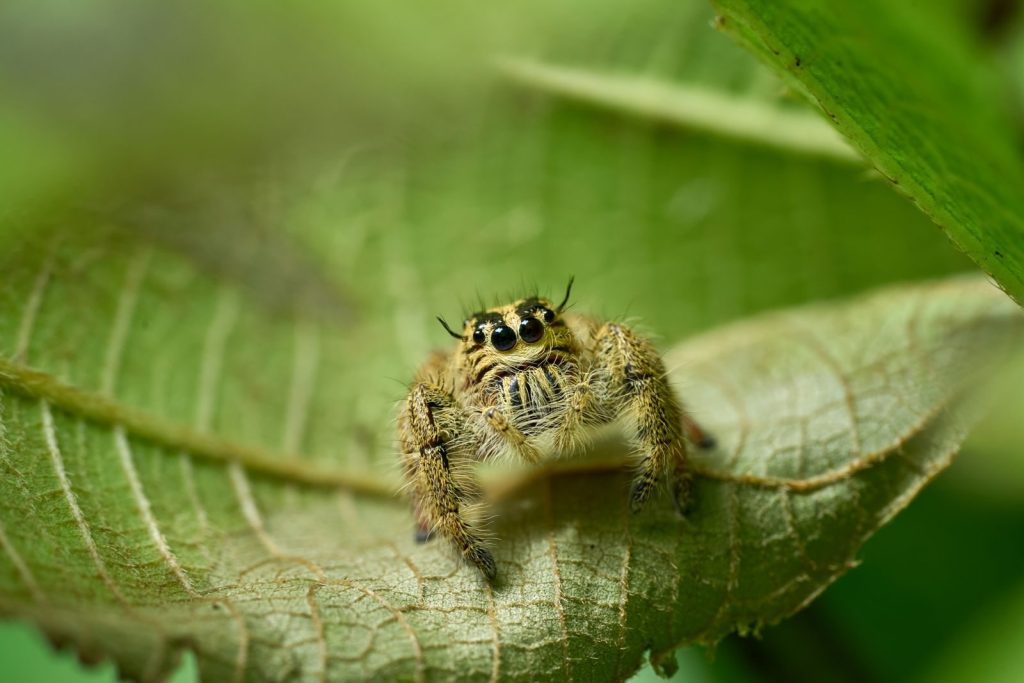
In parts of South America, some tarantulas allow tiny frogs to live inside their burrows.
The frogs feed on insects and ants that could otherwise attack the spider’s eggs, while the spider provides a safe place to live. Scientists consider this one of nature’s most surprising examples of mutual cooperation.
Hermit Crabs Carry Living Bodyguards
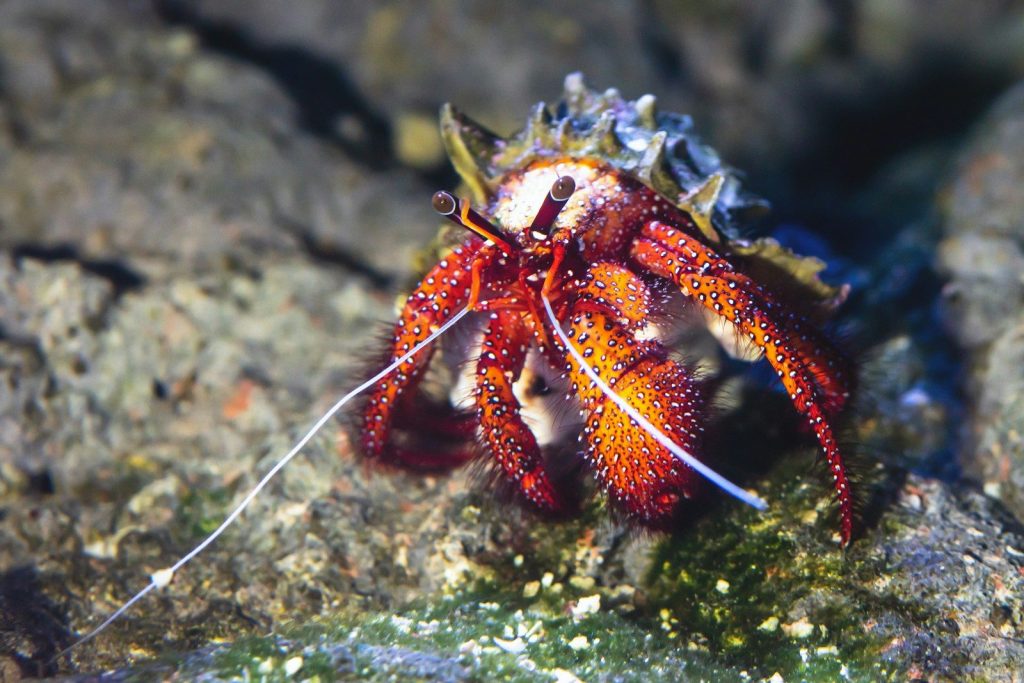
Some hermit crabs deliberately place sea anemones onto the shells they occupy.
The anemones’ stinging tentacles help protect the crabs from predators, while the anemones enjoy transportation and easy access to food scraps. When hermit crabs move into larger shells, they have even been observed transferring their anemone companions to their new homes.
Featured Image: Photo by David Clode on Unsplash