Being swallowed by a whale is a dramatic idea that has appeared in myths, legends, and adventure stories for centuries. But how realistic is it, and could a person actually survive such an encounter?
The answer depends on the type of whale involved, but modern science suggests the outcome would be far less miraculous than popular stories suggest.
Not Every Whale Could Swallow a Human
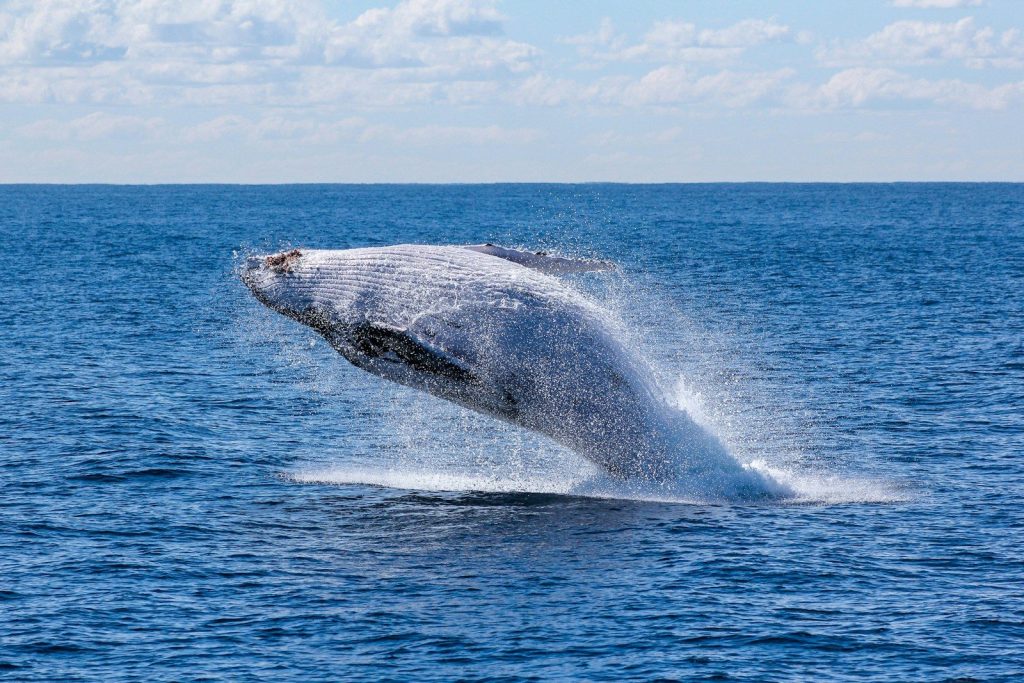
The blue whale is the largest animal ever known to exist, yet it would struggle to swallow an adult person. Despite its enormous mouth, its throat is surprisingly narrow because it feeds mainly on tiny krill.
As a result, a human-sized object would be unlikely to pass through its digestive system.
The Sperm Whale Is Different
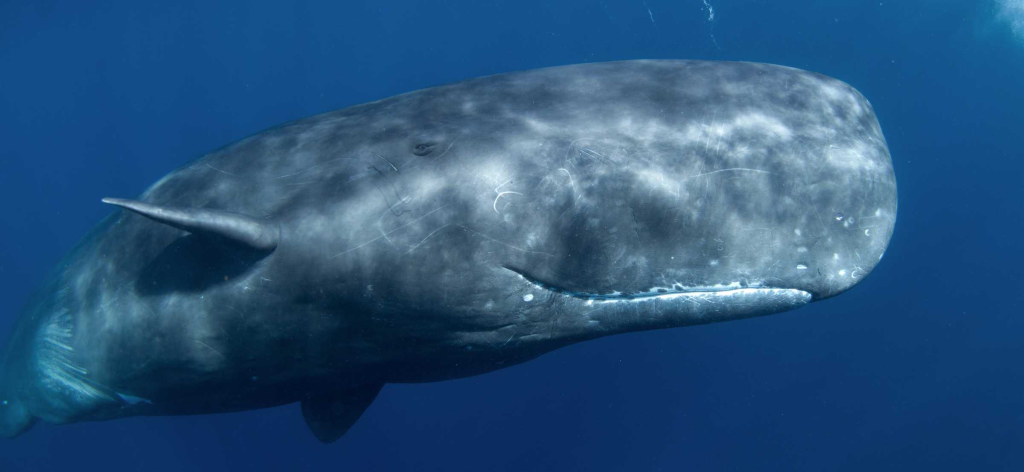
Sperm whales hunt much larger prey, including giant squid. Unlike baleen whales, they have large teeth and a throat capable of handling bigger meals.
Because of this, they are often considered the whale species most capable of accidentally swallowing a human.
The Famous Survival Story
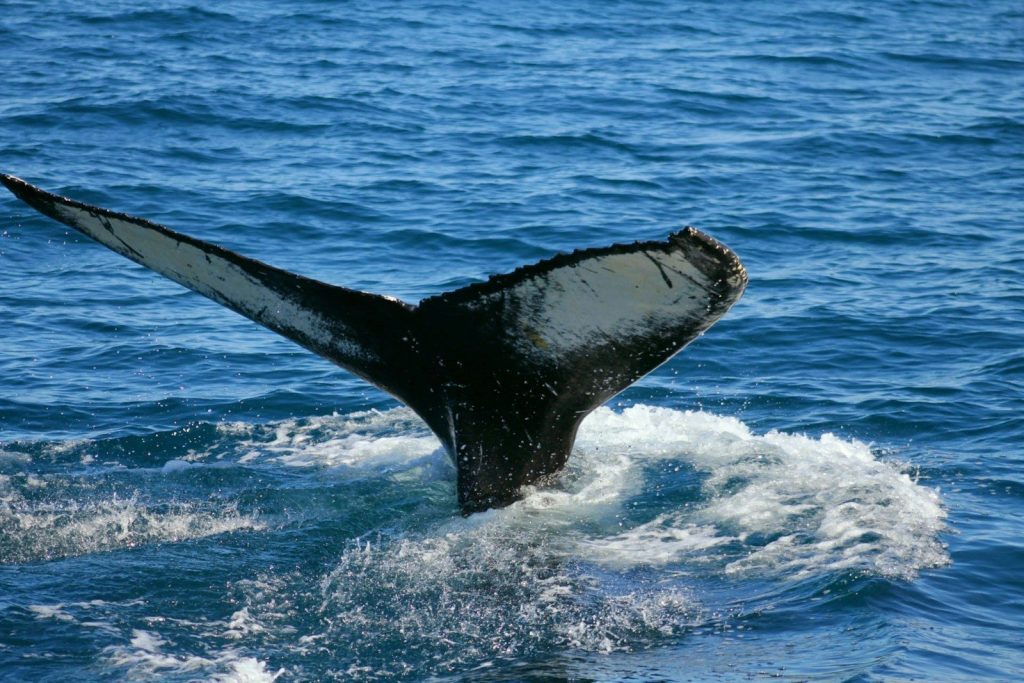
One of the most famous tales involves a sailor named James Bartley, who was reportedly swallowed by a sperm whale in the late 19th century and later rescued alive.
However, many historians question whether the event actually occurred. Evidence supporting the story is limited, and several details conflict with what scientists know about whale anatomy.
The First Threat: The Mouth
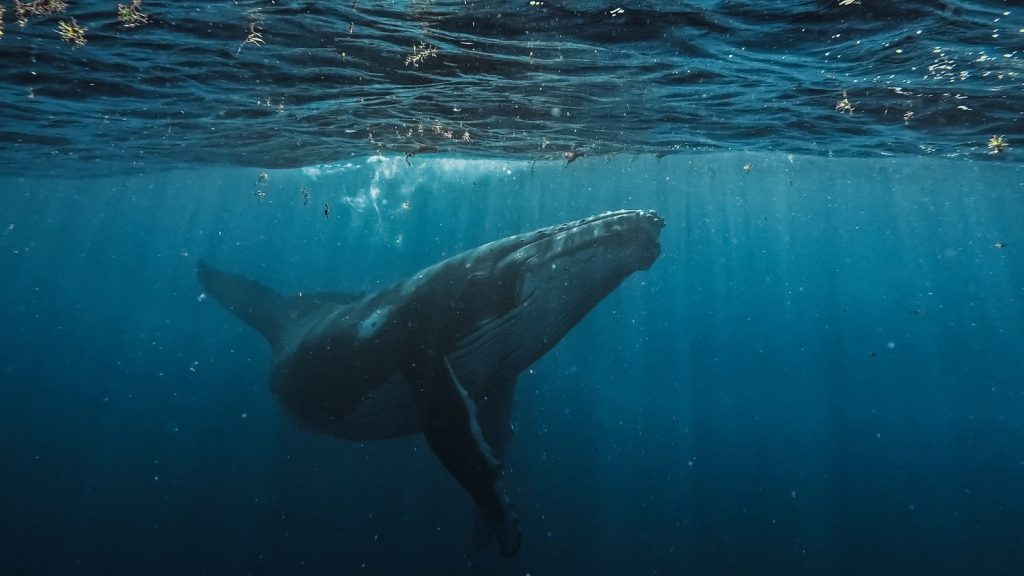
If a person were caught in a sperm whale’s mouth, survival would already be in serious doubt. The whale’s large teeth and powerful jaws could cause severe injuries before swallowing even occurred.
Avoiding physical trauma would be the first major challenge.
Breathing Would Become Impossible

Once swallowed, oxygen would quickly become scarce. The whale’s throat is not designed to support air circulation for trapped objects or animals.
Within a short time, lack of breathable air would likely become life-threatening.
Inside the Stomach
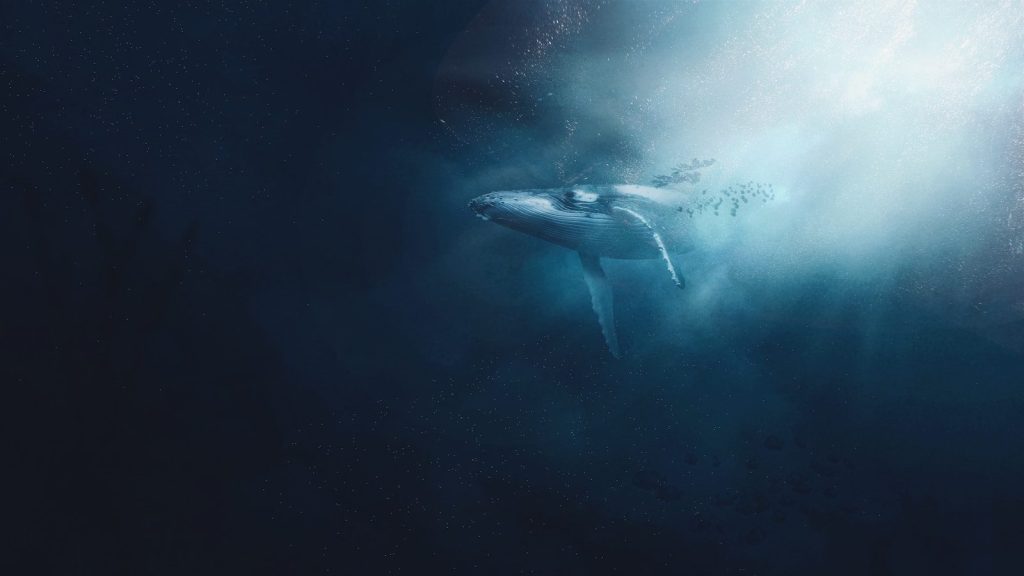
If a person somehow reached the stomach, conditions would be extremely hostile. Darkness, heat, moisture, digestive fluids, and the remains of previous meals would create a dangerous environment.
The digestive process would begin causing damage to skin and tissues almost immediately.