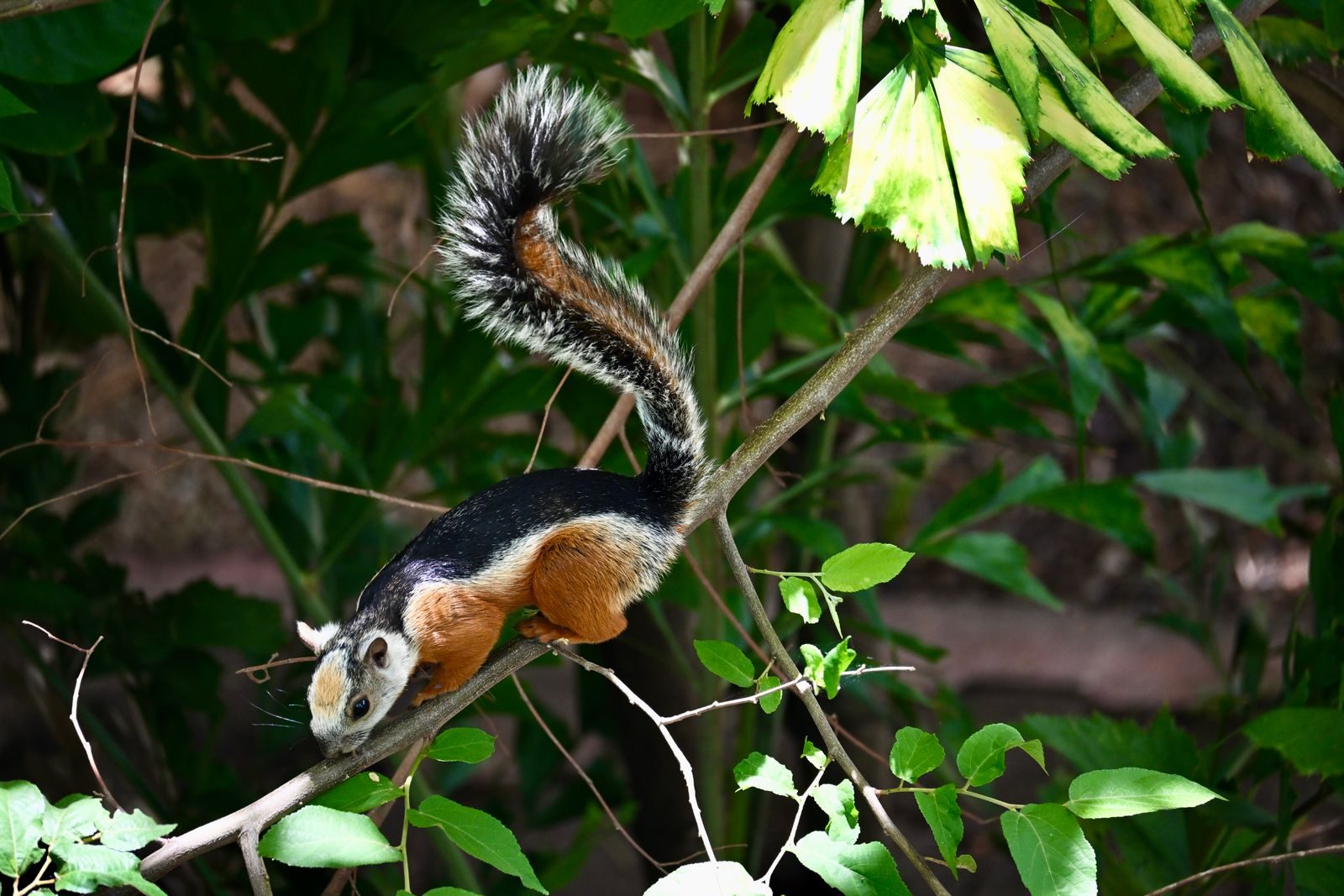
When most people think of squirrels, they picture small gray or brown animals darting through parks and climbing trees. But around the world, some squirrel species are so colorful and unusual that they barely resemble their familiar cousins.
From giant forest dwellers to brilliantly colored gliders, these remarkable rodents showcase the incredible diversity of the squirrel family. Here are five of the most extraordinary species.
Indian Giant Squirrel Is Covered in Vibrant Colors
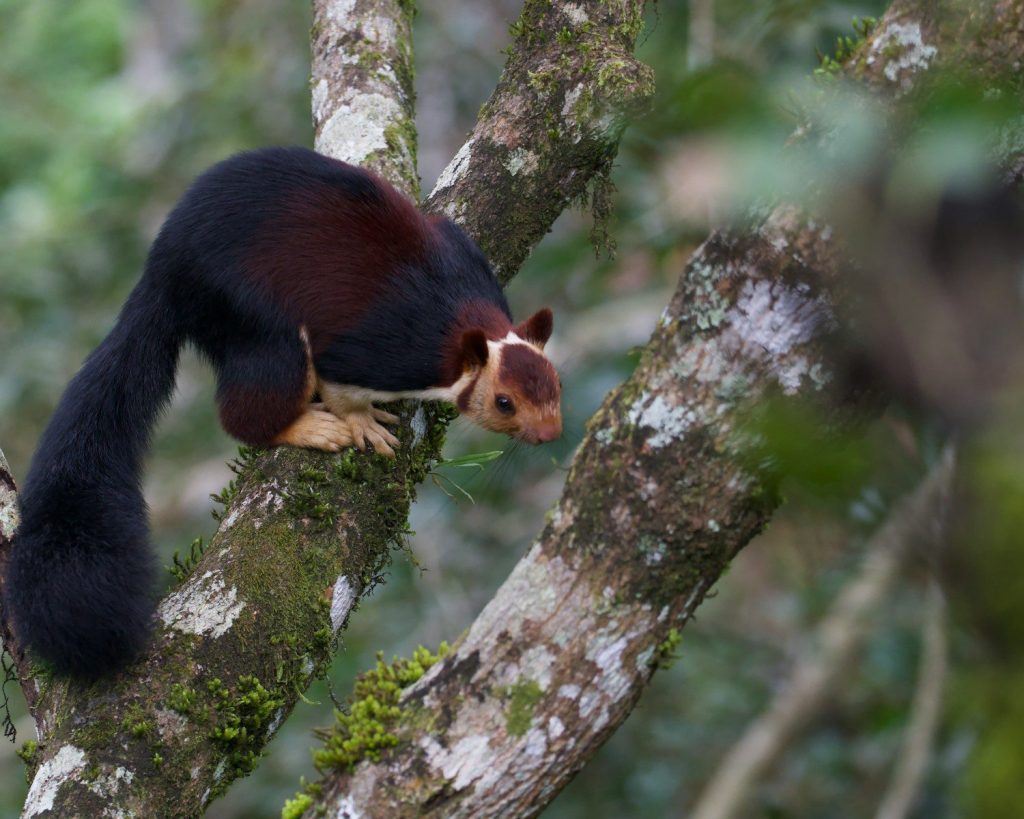
The Indian giant squirrel stands out with its striking coat, which can feature shades of purple, maroon, orange, cream, and black. It is one of the most colorful mammals in the world.
Growing up to three feet long, including its bushy tail, this tree-dwelling squirrel spends most of its life high in the forest canopy of India.
Malayan Giant Squirrel Is One of Asia’s Largest
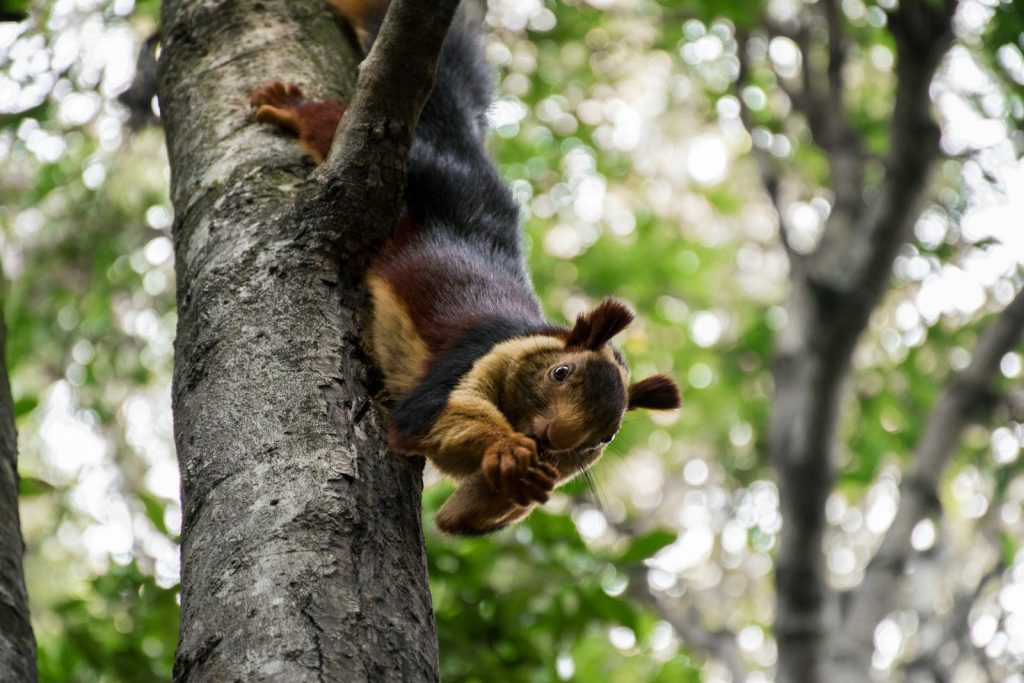
Found across Southeast Asia, the Malayan giant squirrel has a dark brown or black back with a lighter cream or orange underside. Its impressive size makes it much larger than common backyard squirrels.
Despite its large build, it is an agile climber that feeds on fruits, seeds, leaves, and bark while moving through dense tropical forests.
Japanese Giant Flying Squirrel Glides Through the Night
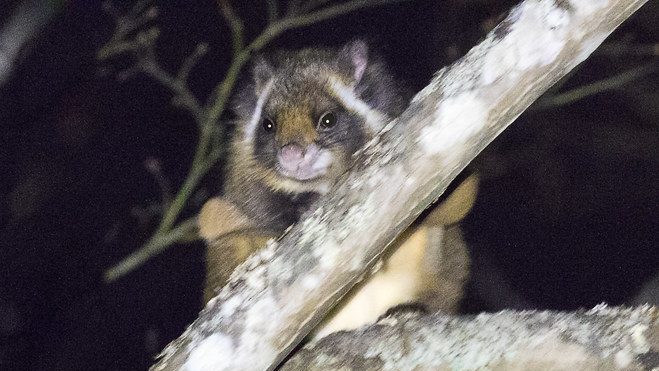
The Japanese giant flying squirrel has large eyes, soft gray-brown fur, and a flap of skin stretching between its legs that allows it to glide from tree to tree.
Although it cannot truly fly, it can travel remarkable distances through the forest canopy while searching for leaves, buds, and nuts after dark.
Prevost’s Squirrel Looks Like It Was Painted
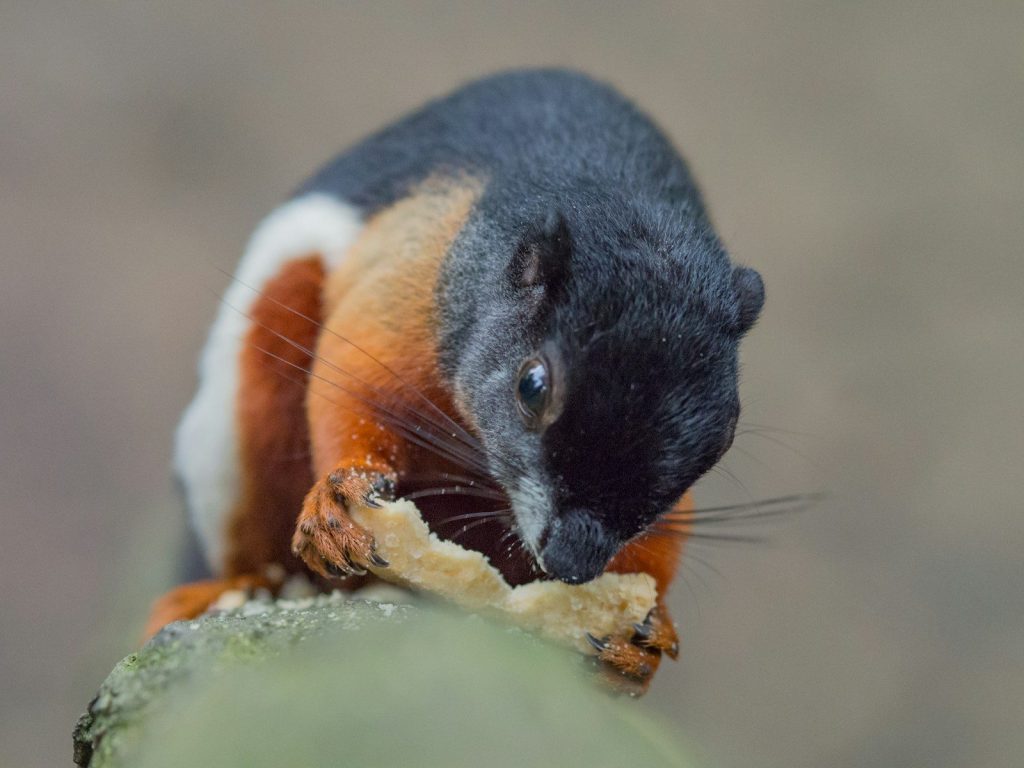
Prevost’s squirrel is famous for its dramatic three-colored coat featuring glossy black, bright white, and deep reddish-orange fur. Few squirrels display such bold natural markings.
Native to Southeast Asia, this striking species lives in tropical rainforests and spends much of its time foraging high above the ground.
African Pygmy Squirrel Is Tiny but Lightning Fast
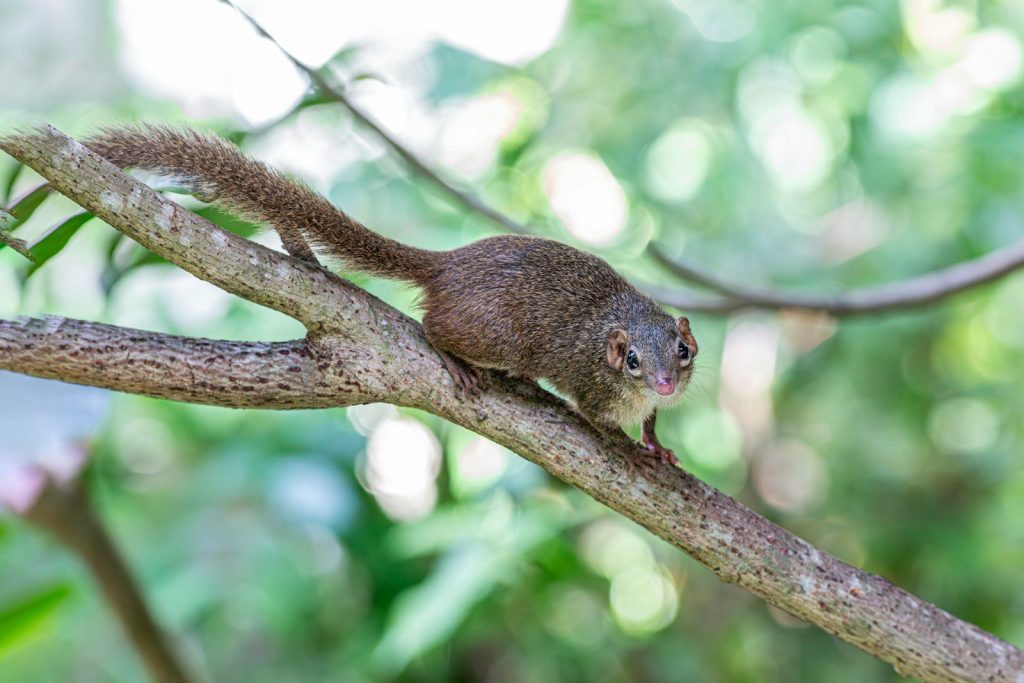
The African pygmy squirrel is among the smallest squirrel species on Earth, measuring only a few inches long. Its tiny size allows it to move effortlessly through dense vegetation.
Despite being miniature, it is incredibly energetic and feeds on seeds, insects, and fruit while avoiding predators in Central African forests.