Long before dinosaurs became the dominant rulers of the planet, Earth was home to a strange collection of giant predators unlike anything alive today. During the Permian Period, around 299 to 251 million years ago, bizarre meat-eating animals stalked vast forests, deserts, and swamps, hunting enormous prey with powerful jaws and razor-sharp teeth.
These prehistoric creatures belonged to an ancient group called synapsids, the distant ancestors of modern mammals. Although they disappeared millions of years before Tyrannosaurus rex appeared, many of them were every bit as fearsome. Their rise, dominance, and eventual disappearance reveal one of the most fascinating chapters in Earth’s evolutionary history.
Dimetrodon
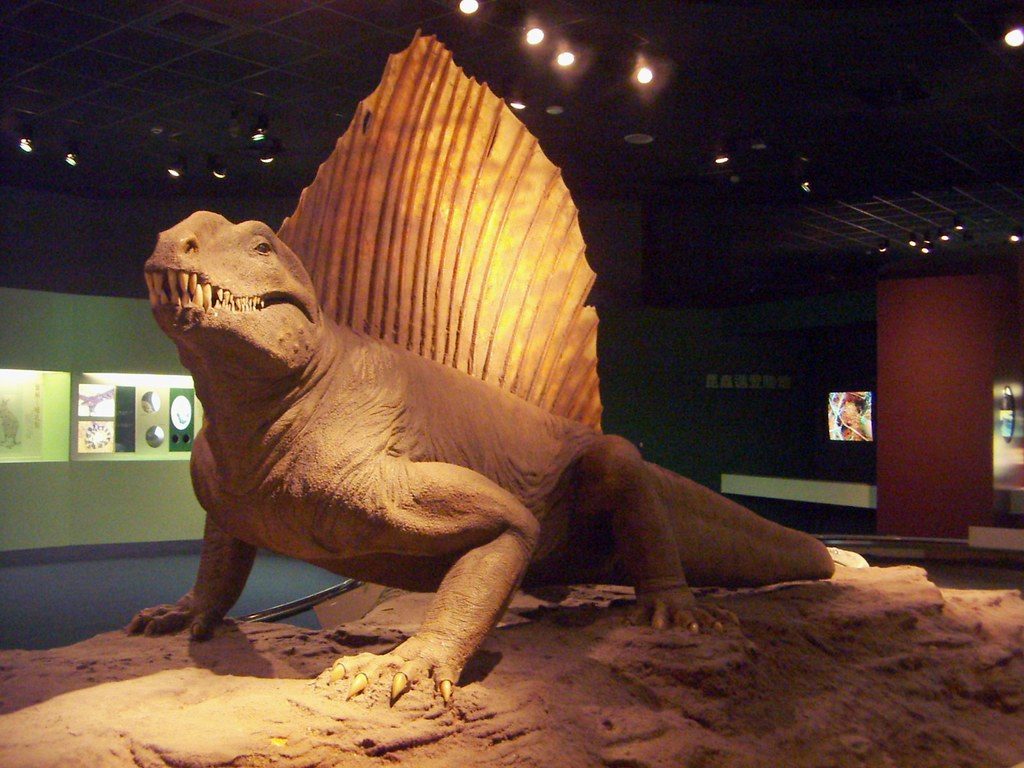
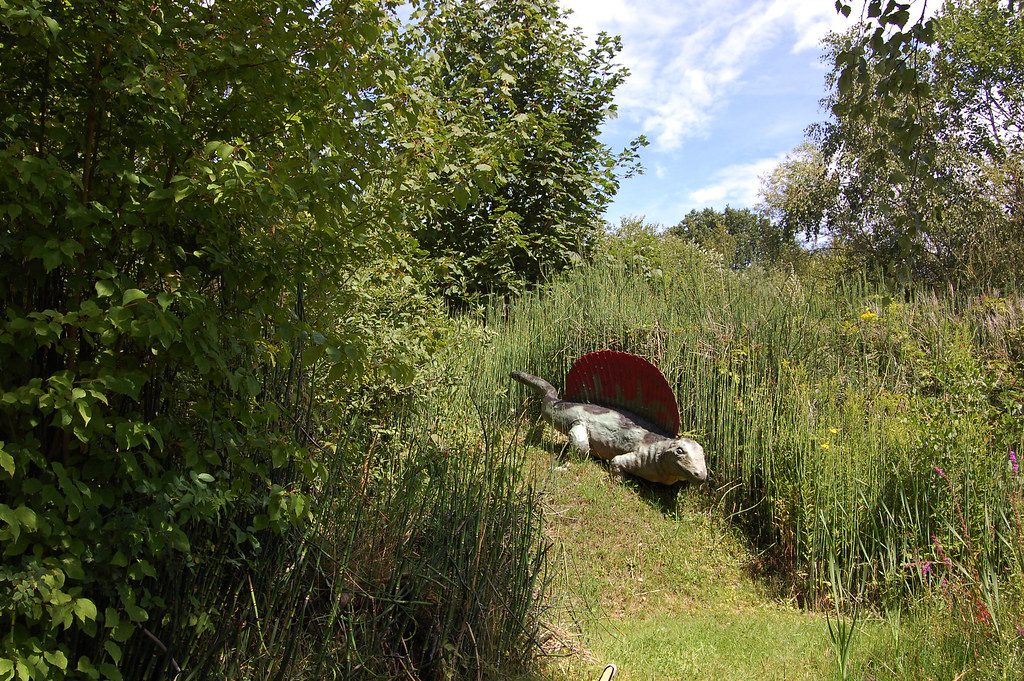
Dimetrodon is often mistaken for a dinosaur, but it lived nearly 40 million years before the first dinosaurs appeared. It was one of the earliest apex predators of the Permian, growing up to 3.5 meters long and weighing around 250 kilograms.
Its most recognizable feature was the enormous sail running along its back, supported by elongated vertebrae. Scientists believe this structure likely played a role in display and attracting mates rather than regulating body temperature, while its curved, serrated teeth allowed it to tear through large prey with remarkable efficiency.
Anteosaurus
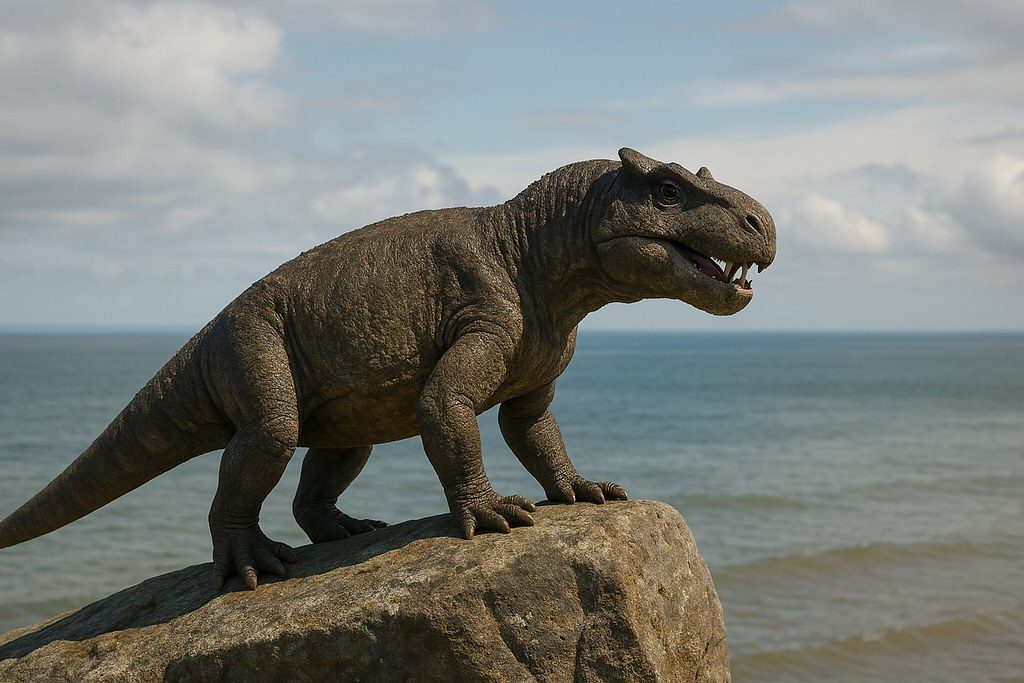
Anteosaurus was among the largest land predators of the Middle Permian, reaching lengths of around six meters. Its massive skull, muscular jaws, and thick teeth made it a powerful hunter capable of crushing bone and tackling animals much larger than itself.
Modern studies of its skull reveal that Anteosaurus was surprisingly agile for its size. Its well-developed inner ear suggests excellent balance and coordination, allowing it to pursue prey quickly and accurately despite its enormous body.
Gorgonopsians
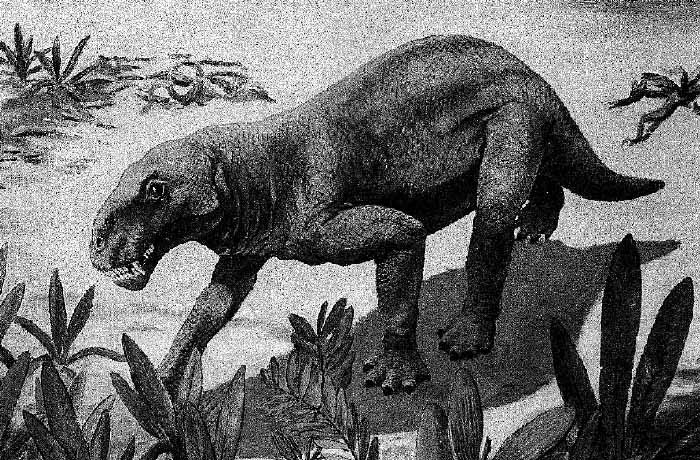
Gorgonopsians were a group of highly specialized carnivores that dominated the late Permian landscape. They were easily recognized by their long saber-like canine teeth, strong limbs, and skulls designed for delivering devastating bites.
Unlike reptiles with rows of identical teeth, gorgonopsians possessed differentiated teeth that allowed them to grip, slice, and tear flesh efficiently. Fossil evidence even shows individuals fighting one another, with broken teeth embedded in rivals’ skulls, suggesting fierce competition among these predators.
Inostrancevia
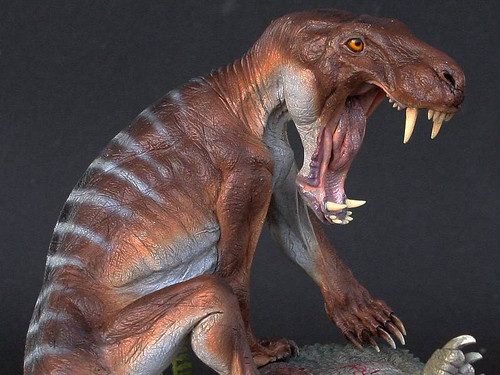
Inostrancevia represented the peak of gorgonopsian evolution and was among the deadliest predators of its era. Equipped with saber teeth measuring up to 30 centimeters including the roots, it hunted massive herbivores that roamed the Permian floodplains.
Researchers believe Inostrancevia relied on ambush attacks, using powerful forelimbs to restrain prey before delivering fatal bites. Unlike later saber-toothed cats, it could continuously replace broken teeth, ensuring it remained an effective hunter throughout its life.
Cotylorhynchus
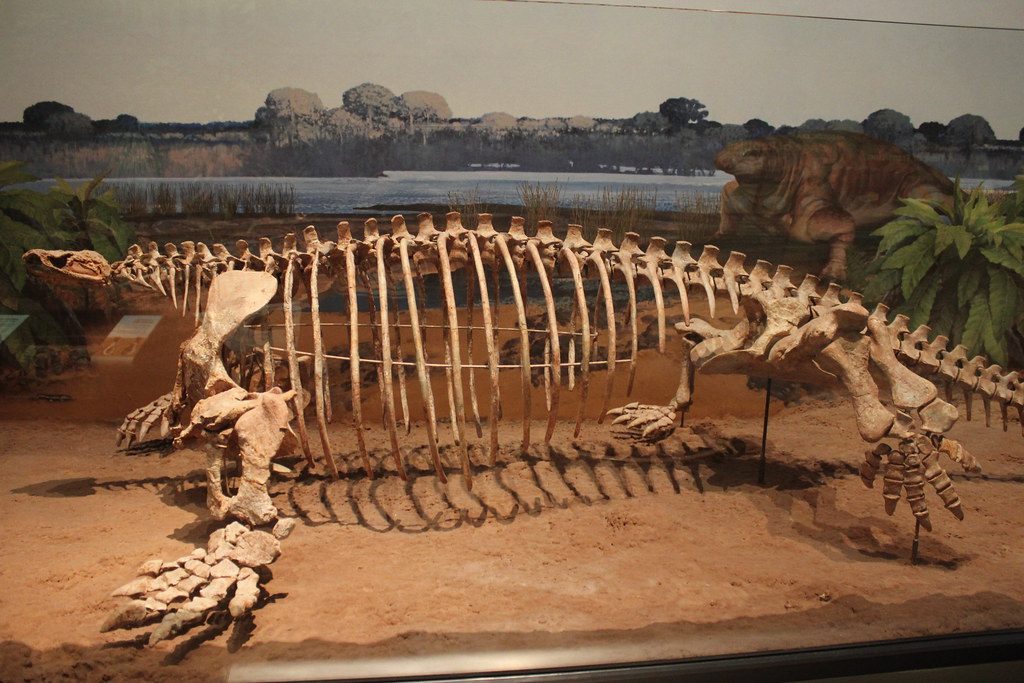
Although Cotylorhynchus was not a predator, it played an essential role in sustaining Permian ecosystems. This enormous herbivore possessed a tiny head attached to a huge barrel-shaped body and could weigh as much as a modern moose.
Its diet consisted mainly of tough vegetation that many other animals could not digest. By converting plants into massive amounts of body mass, Cotylorhynchus became an important food source for giant predators like Dimetrodon, helping maintain the balance of the Permian food web.
The Great Dying
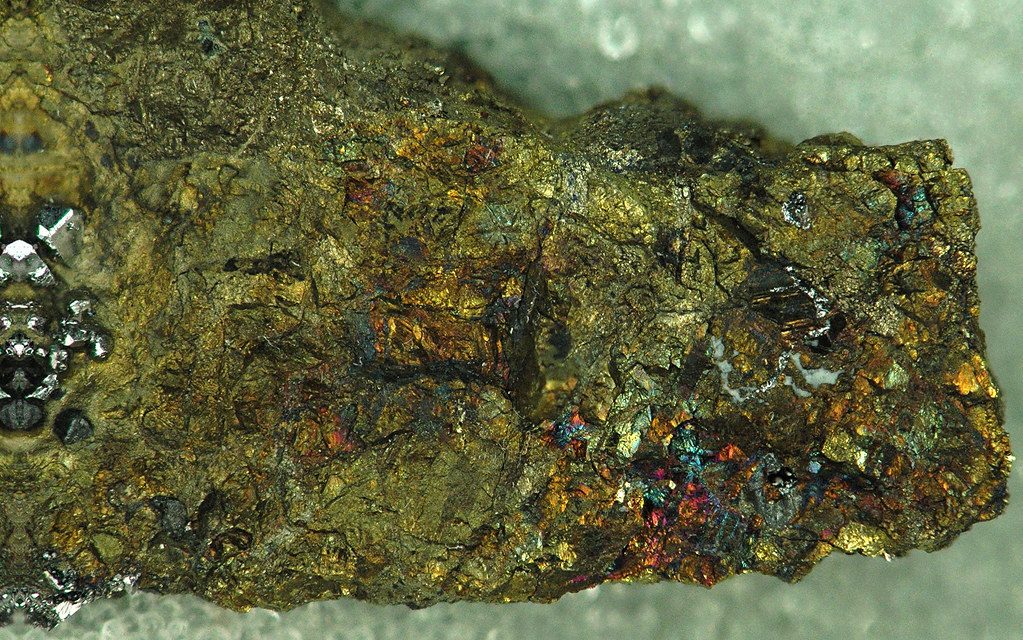
The reign of these extraordinary animals came to an end during the Permian-Triassic mass extinction, often called the Great Dying. Massive volcanic eruptions in what is now Siberia released enormous amounts of greenhouse gases, causing global temperatures to rise dramatically and oceans to lose much of their oxygen.
Around 90 percent of Earth’s species disappeared during this catastrophic event. Nearly all of the giant Permian predators, including the gorgonopsians and Inostrancevia, vanished forever, clearing the way for dinosaurs to dominate the planet during the following Triassic Period. The few surviving synapsids eventually evolved into mammals, making these ancient predators distant ancestors of every mammal alive today, including humans.