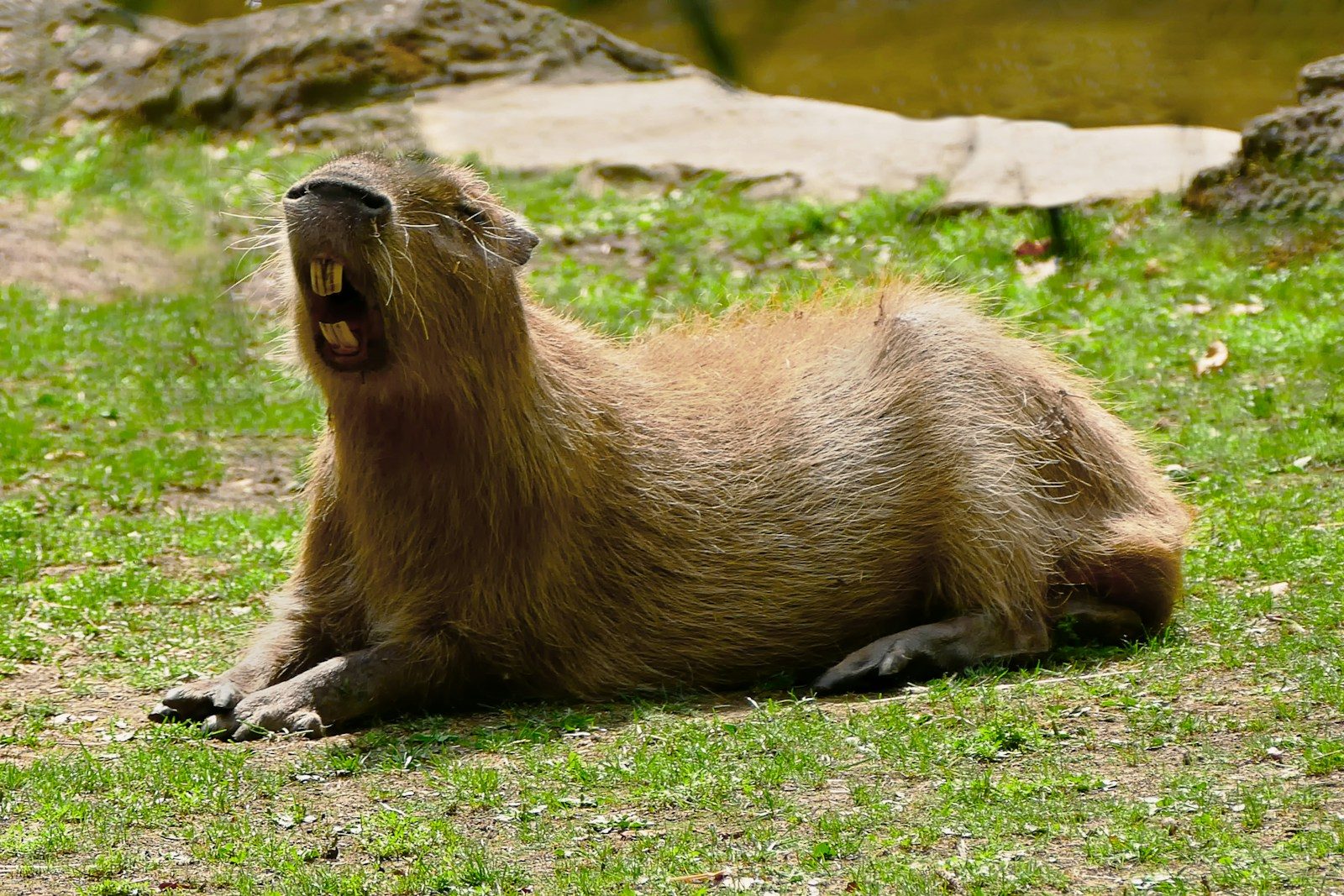
In the Brazilian Pantanal wetlands, a remarkable wildlife moment captured global attention when a capybara was seen calmly walking through a group of around 100 caimans. The animal eventually stopped and even settled near one of the reptiles, creating a scene that looks daring at first glance but is rooted in natural ecological balance.
A Surprising Walk Through Predators
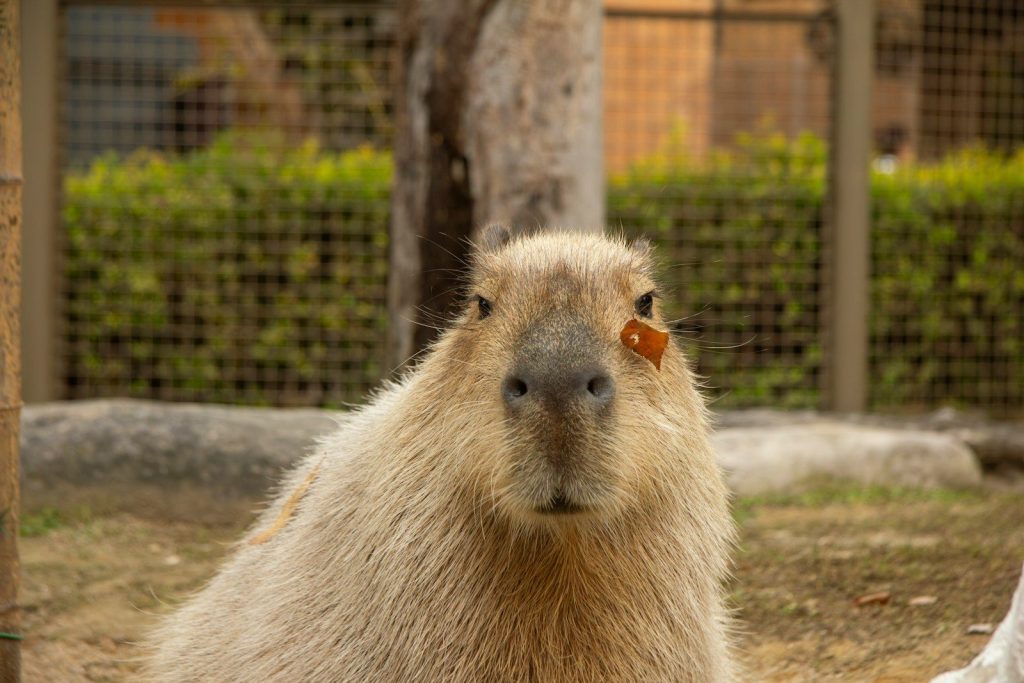
A tour guide filming in the Pantanal recorded the unusual encounter last September. The capybara moved steadily through the cluster of caimans without showing visible fear, navigating a space filled with large reptiles resting along the riverbanks.
Why the Scene Looks More Dangerous Than It Is
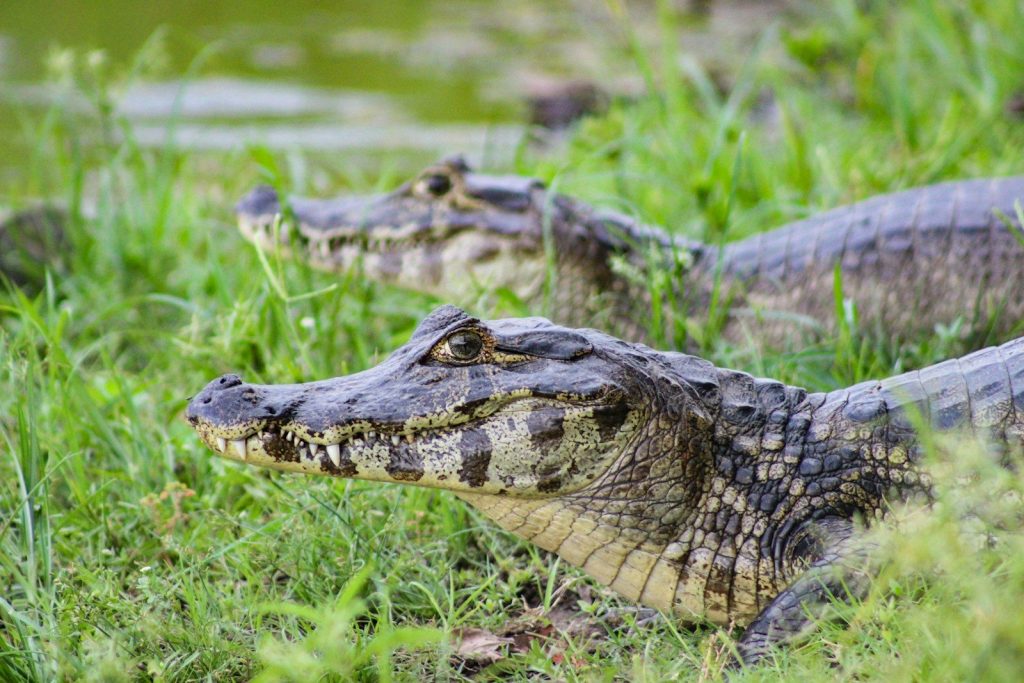
Although the moment appears risky, adult capybaras are often not typical prey for caimans. Their large size makes them difficult and energetically costly to hunt, meaning most caimans prefer smaller, easier targets such as fish and birds.
The Role of Energy and Opportunity
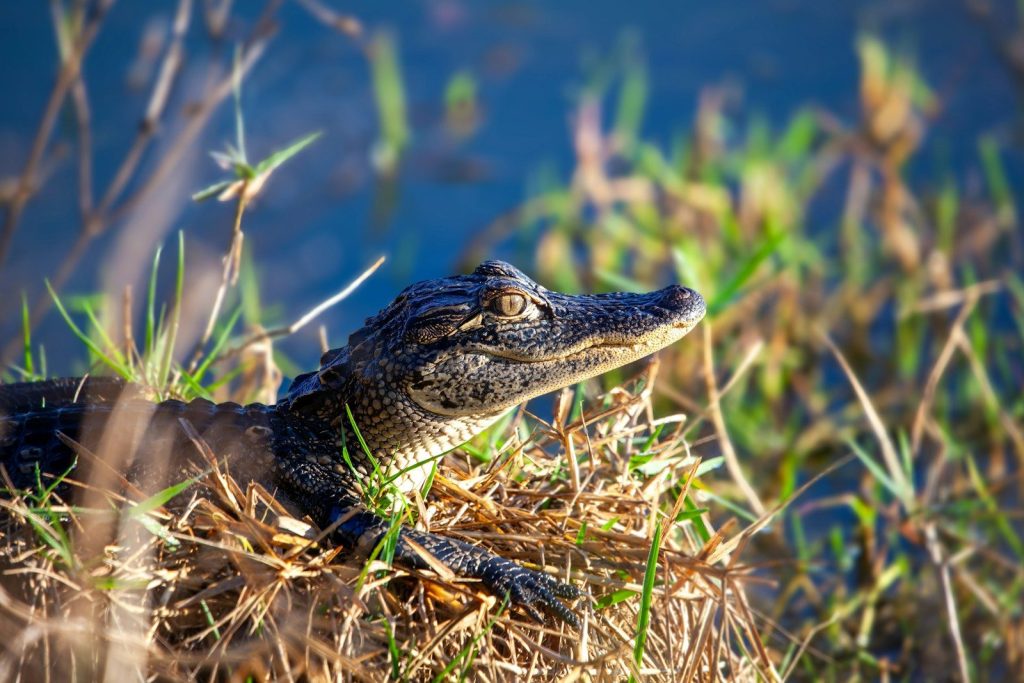
Caimans in the Pantanal often prioritize energy efficiency when hunting. Because capturing a full-grown capybara requires significant effort and carries risk of injury, many caimans choose to conserve energy unless an easy opportunity presents itself.
How Capybaras Coexist With Predators

Capybaras are highly adapted to their environment and are strong swimmers, allowing them to quickly escape into water if threatened. They also rely on group awareness, staying alert to potential danger while grazing or resting nearby.
Not a Risk-Free Relationship
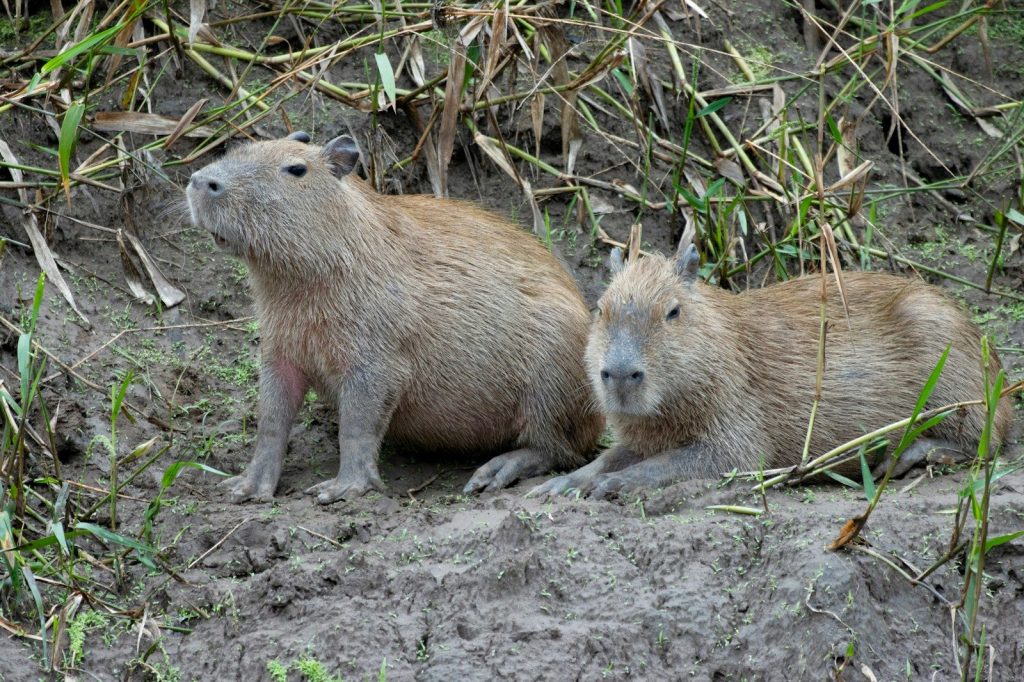
Despite their apparent calm coexistence, the dynamic is not without danger. Juvenile capybaras are vulnerable to predation, and larger predators in the region, such as jaguars and anacondas, still pose a serious threat to adult capybaras.