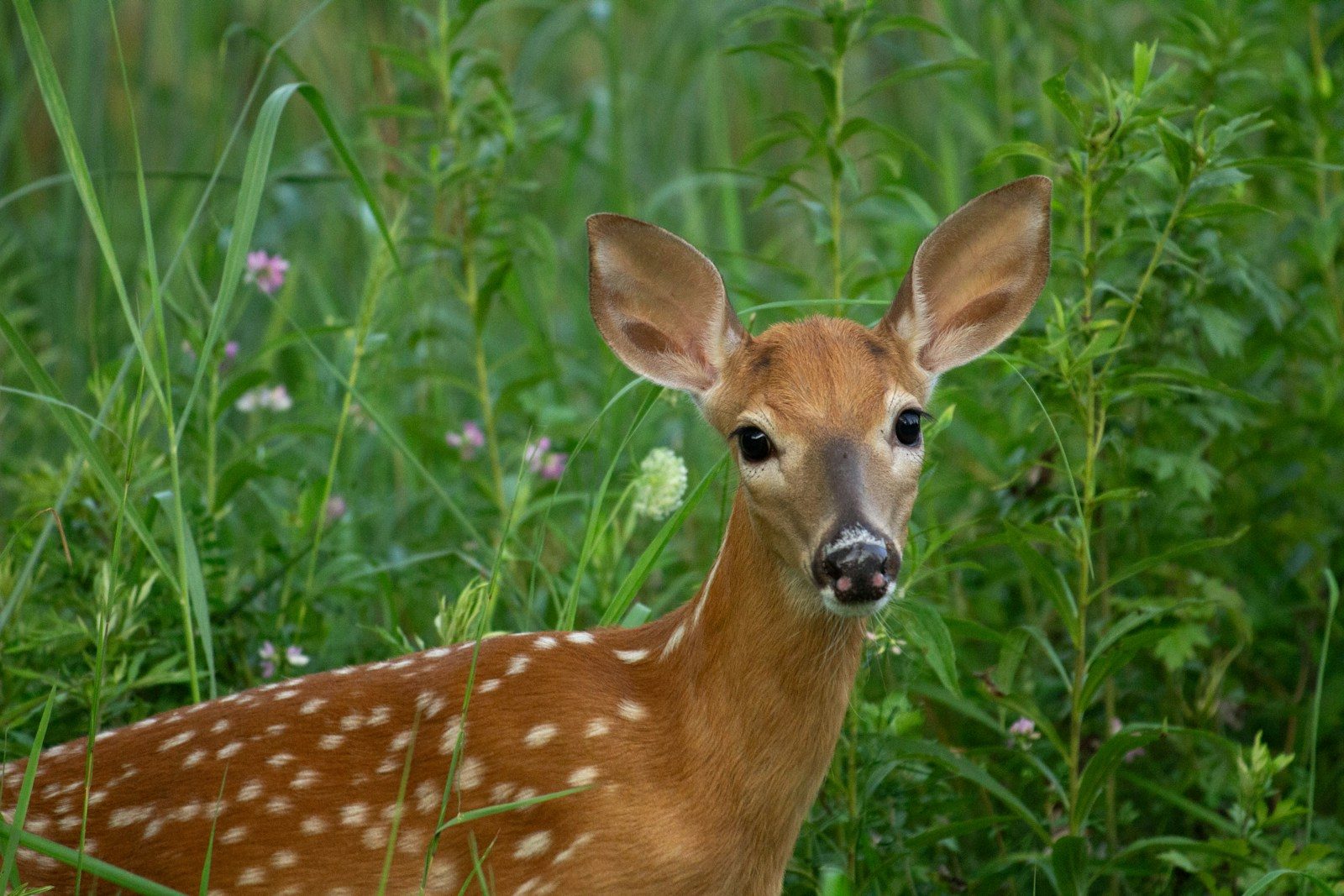
A peaceful day on the water turned into an unexpected wildlife rescue when boaters spotted a young deer struggling to survive. The exhausted fawn had narrowly escaped a coyote attack and was in immediate danger of drowning or being struck by another passing boat.
The rescuers quickly stepped in, guiding the frightened animal to safety before reuniting it with its mother. The heartwarming rescue highlights how fast wildlife emergencies can unfold and how careful intervention can sometimes make all the difference.
A Dangerous Situation on the Water
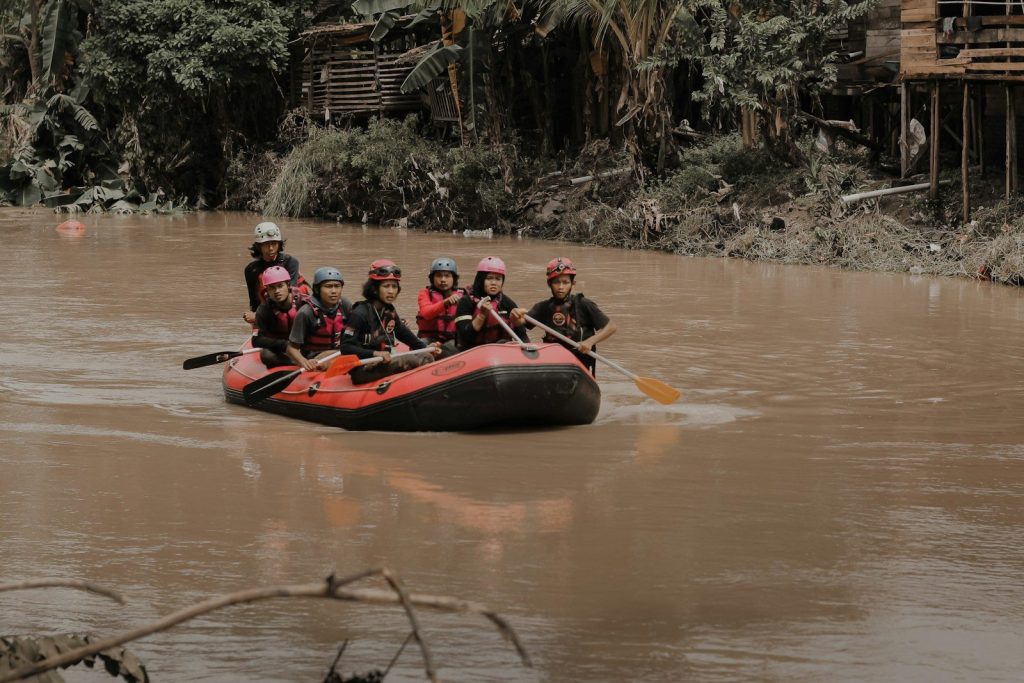
The rescuers noticed the tiny fawn struggling in the water after it had apparently fled from a pursuing coyote. Weak and exhausted, the young deer was barely able to stay afloat.
Adding to the danger, another boat nearly struck the fawn as it drifted through the water. With multiple threats closing in, immediate action became necessary.
Escaping a Coyote Attack
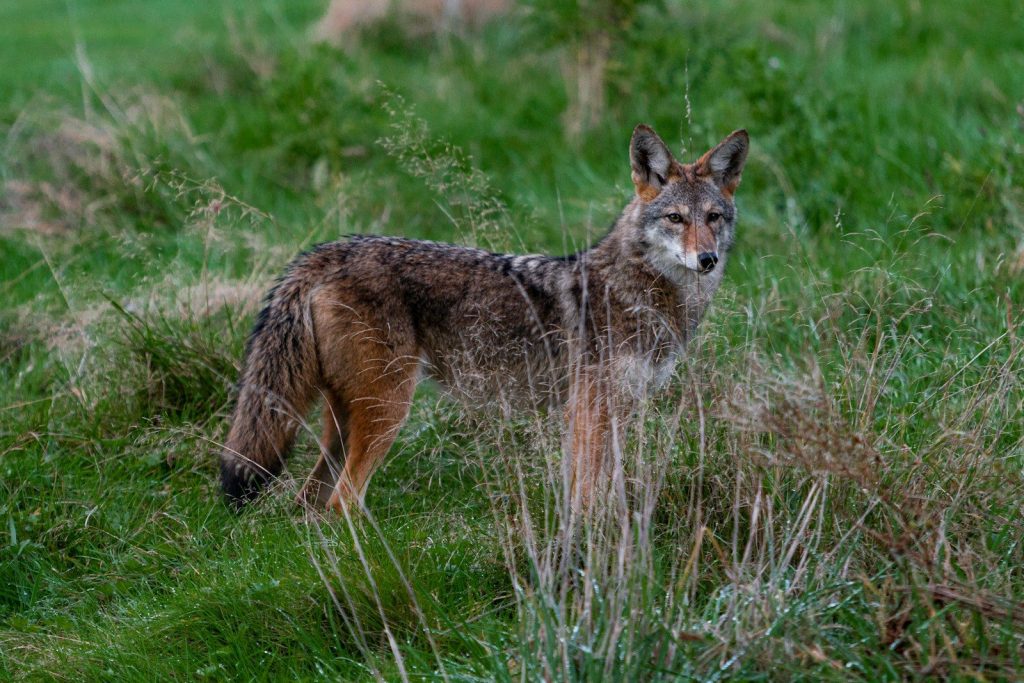
According to the rescuers, the fawn had entered the water while trying to escape a hungry coyote. Although deer are capable swimmers, young fawns can quickly become exhausted when forced to swim long distances.
The coyote remained nearby, waiting for another opportunity. Without assistance, the exhausted fawn would have faced an increasingly difficult fight for survival.
Bringing the Fawn to Safety
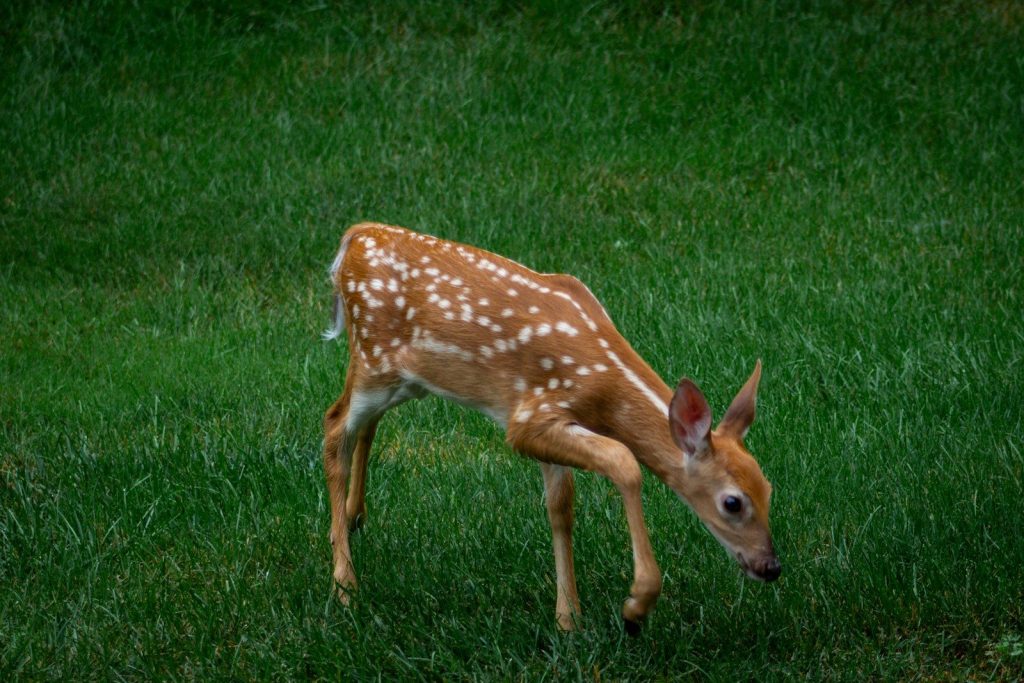
Using their boat carefully, the rescuers guided the struggling deer toward the shoreline while keeping it away from the waiting predator. Their goal was not to handle the animal unnecessarily but simply to help it reach solid ground.
Once safely ashore, the fawn was given the chance to recover from its ordeal. The rescuers remained at a distance to avoid causing additional stress.
A Happy Reunion
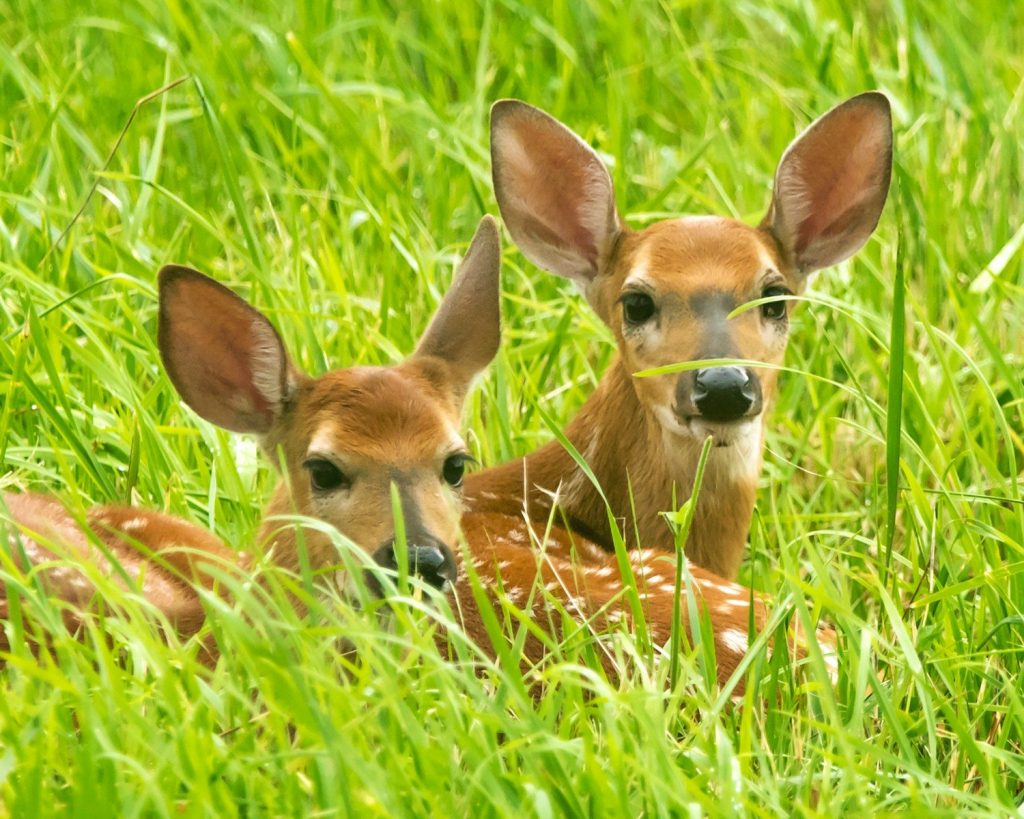
After reaching safety, the young deer was reunited with its mother, bringing the rescue to a successful conclusion. With the immediate danger gone, the pair were able to return to the surrounding habitat together.
Wildlife experts generally recommend leaving healthy fawns alone whenever possible, but emergency situations involving immediate threats sometimes require careful intervention to prevent injury or death.
A Reminder About Wildlife Encounters
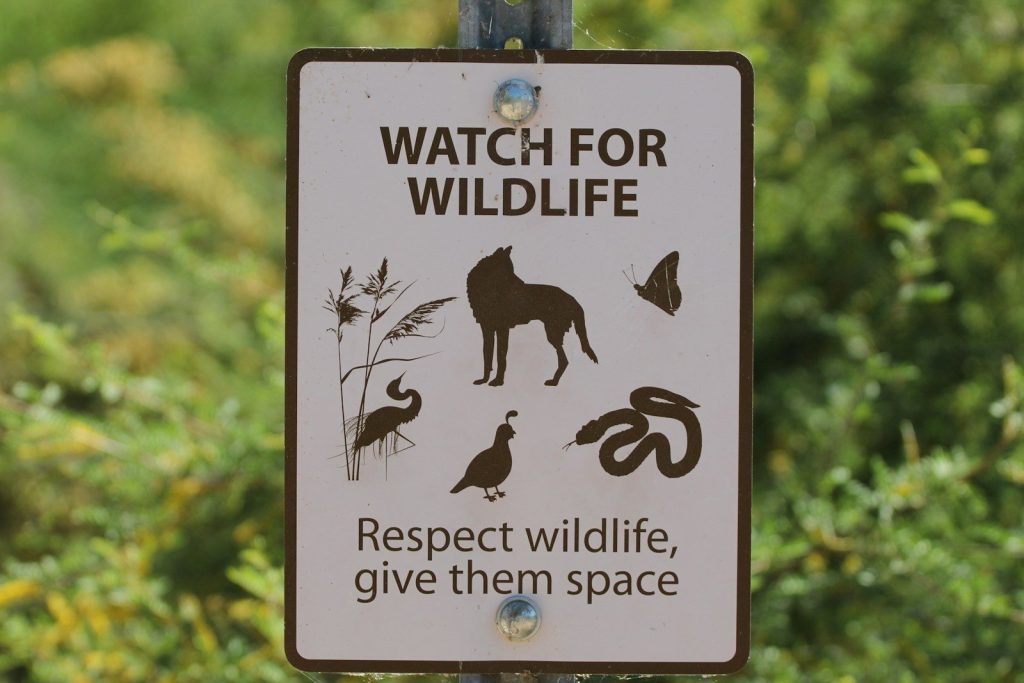
Encounters like this show how quickly wild animals can find themselves in life-threatening situations. Predators, waterways, and human activity can all combine to create dangerous circumstances for young wildlife.
If an injured or distressed wild animal is found, the safest approach is usually to contact local wildlife authorities or licensed rehabilitators. When intervention is unavoidable, keeping handling to a minimum gives the animal the best chance of returning safely to the wild.