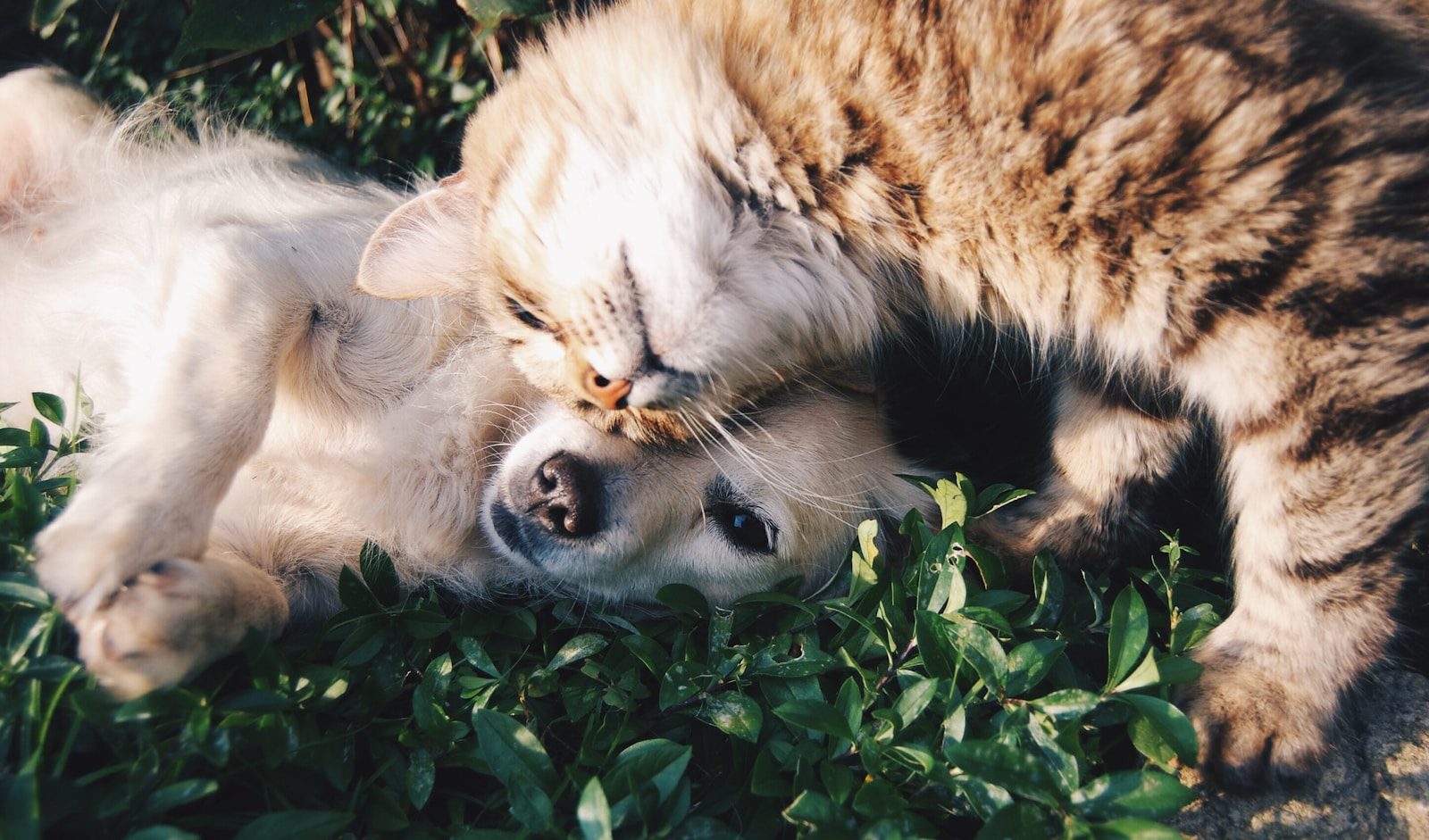
Modern domestic cats have a surprisingly recent and complex history, shaped by ancient human migration, agriculture, and trade routes Domestic Cat. New genetic research suggests that cats only fully became domesticated a few thousand years ago and spread into Europe and beyond through human movement, especially during the Roman era.
Scientists studying ancient DNA have revised earlier theories, showing that cats did not become widespread companions as early as once believed. Instead, their journey from wild hunters to household pets was gradual and closely tied to human civilization.
The Roman Role in Spreading Cats Across Europe

The expansion of the Roman Empire played a major role in introducing cats to new regions of Europe. Traders and soldiers likely carried cats on ships and military routes as natural pest controllers.
These animals helped protect stored grain and food supplies from rodents during long journeys. As a result, cats became increasingly valued in Roman settlements.
Cats Originated From African Wild Ancestors
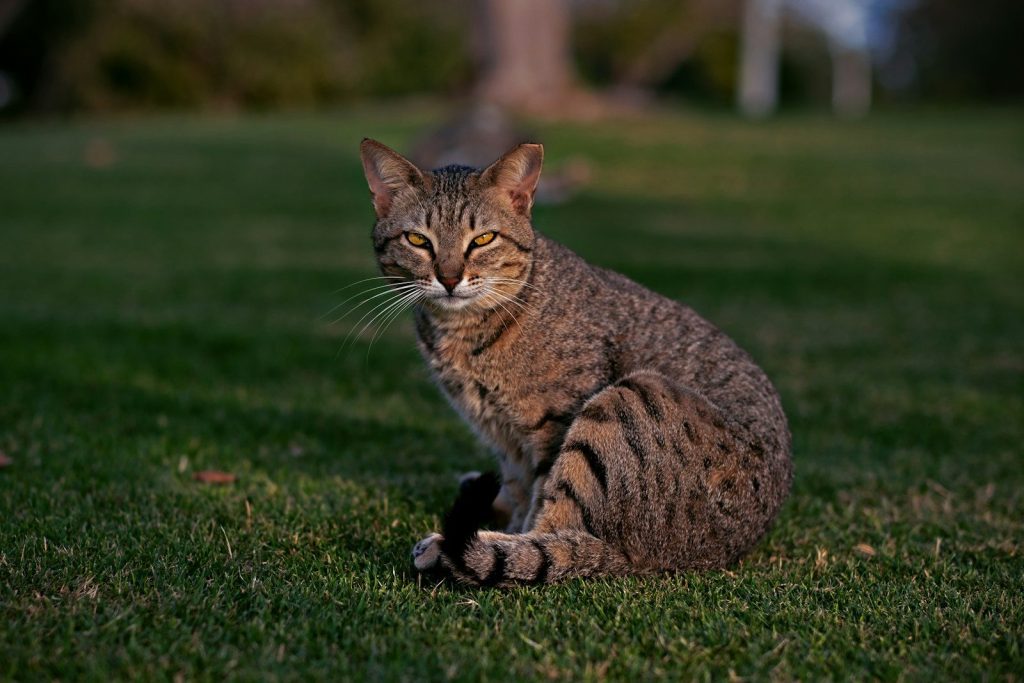
All modern domestic cats are descended from the African wildcat, which slowly adapted to living near humans in North Africa African Wildcat. This process of adaptation was driven by proximity to human settlements and food sources.
Over time, these wildcats became more tolerant of human presence. This gradual shift laid the foundation for domestication.
DNA Evidence Rewrites Cat History

Recent genetic studies analyzing ancient feline remains suggest domestication occurred more recently than previously thought. Researchers examined genomes from archaeological sites across Europe and the Near East.
The findings indicate that domestic cats emerged around 3,500 years ago and spread gradually through human networks. This challenges earlier theories that placed domestication much earlier in history.
Cats Followed Human Agriculture and Settlements
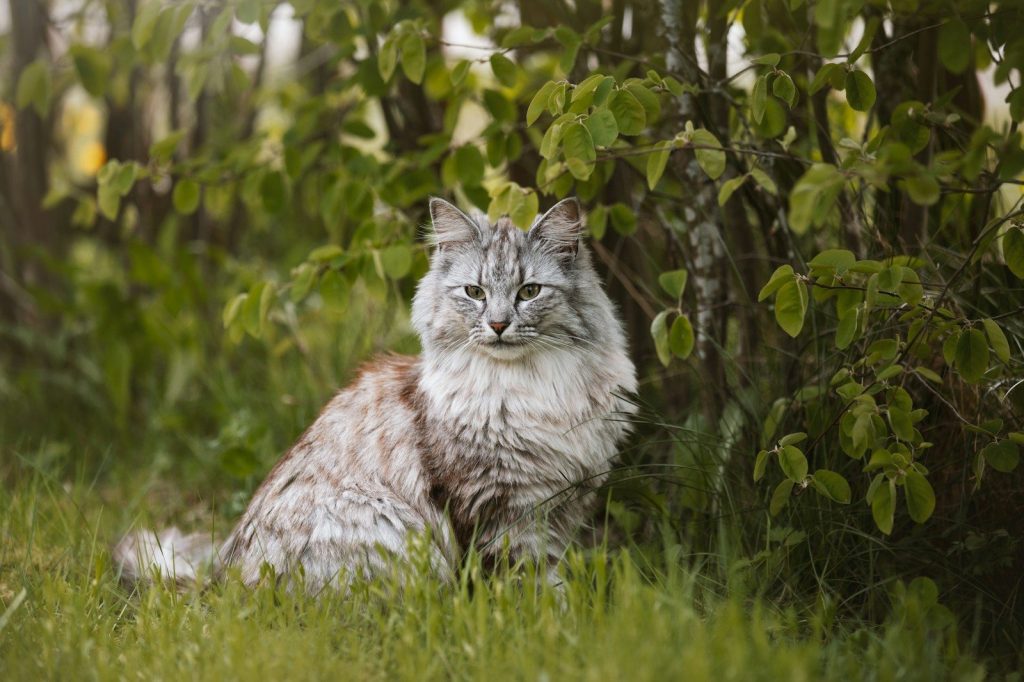
Early human farming created environments that attracted rodents, which in turn attracted wildcats. These early interactions likely began in North Africa and surrounding regions.
As humans stored grain and established permanent settlements, cats benefited from easy food sources. In return, they helped control pests, creating a mutually beneficial relationship.
Two Waves of Cat Migration Into Europe

Genetic evidence suggests there were multiple waves of cat movement into Europe. One early wave involved wildcat populations moving into Mediterranean regions like Sardinia.
A later wave brought more fully domesticated cats into mainland Europe during the Roman period. These movements helped establish the foundation of modern European domestic cat populations.
Cats Spread Through Trade and Military Routes

Roman trade networks and military expansions helped cats travel far beyond their original habitats. Ships carrying grain and supplies often included cats to control rodents.
As Roman influence expanded, cats became more common in ports, towns, and settlements. This helped them establish a stable presence across Europe, including Britain.
Cats Became Culturally Important in Ancient Societies
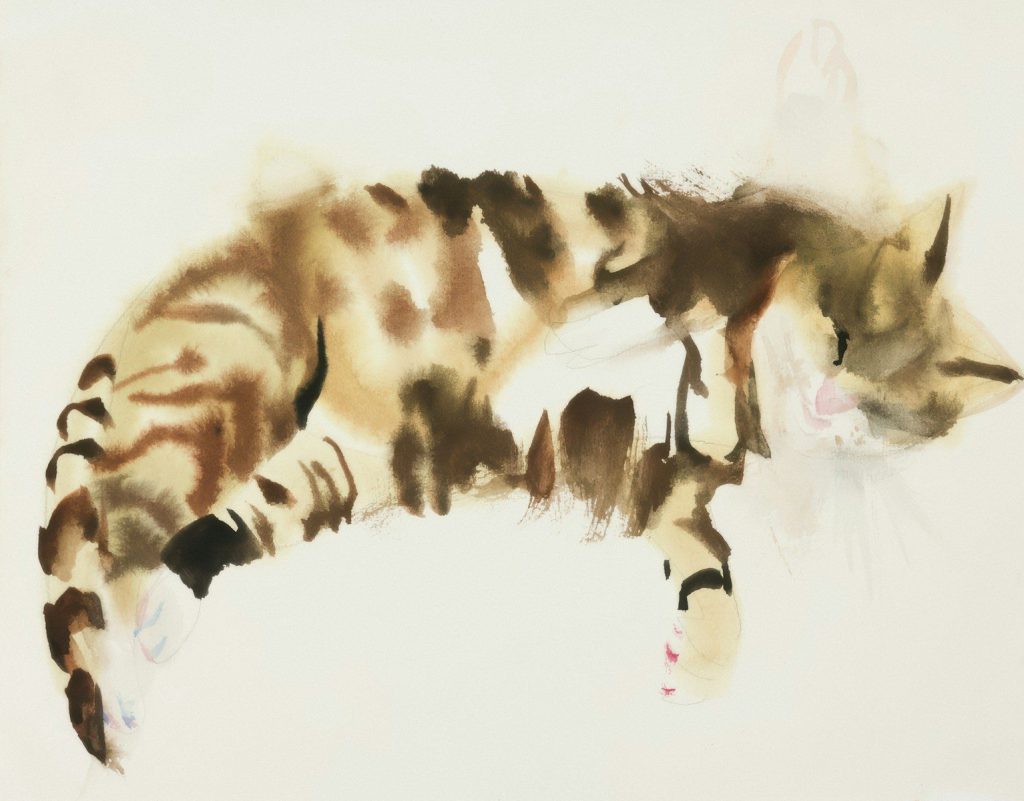
In ancient Egypt and parts of North Africa, cats were highly valued for their usefulness and symbolic importance Ancient Egypt. They were associated with protection and domestic life.
Although not fully “worshipped” in a literal sense, they were deeply respected and often depicted in cultural art. This cultural status helped strengthen their relationship with humans.
Cats Arrived in Asia Through Later Trade Routes

Domestic cats reached East Asia much later, likely through Silk Road trade networks. Before their arrival, people in China lived alongside wild leopard cats that helped control rodents.
Over time, imported domestic cats replaced these wild species in human settlements. This shift reflects changing agricultural practices and cultural preferences.
How Cats Became Global Companions

The global spread of cats was driven by a combination of usefulness and adaptability. Their ability to control pests made them valuable in nearly every human settlement.
Today, cats are one of the most widespread companion animals in the world. Their journey from wild hunter to household pet reflects thousands of years of shared history with humans.