Skip to content

Recent Posts

  • Why a Wild Lynx May Tolerate a Nearby Camera
  • Eight of North America’s Most Imperiled Animals
  • What to Do When a Rattlesnake Enters Your Yard
  • The Reality of Hunting Giant Crabs for Survival
  • How Zebras Defend Their Foals From Lions

Most Used Categories

  • Nature & Wildlife (740)
  • Risk (75)
  • Human Interest (54)
  • Survival (27)
  • Bees/Swarms fear (27)
  • Exotic Animals (26)
  • Hunting (25)
  • Suspense (20)
  • Adventure (3)
  • Gears (2)
Skip to content
  • About Us
  • Contact Us
  • Disclaimer
  • Privacy Policy
  • Terms & Conditions

Hive Hunters Tales

  • Suspense
  • Nature & Wildlife
  • Human Interest
  • Hunting
  • Bees/Swarms fear
  • Exotic Animals
  • Risk
  • Survival
  • Adventure
  • Gears
  • Home
  • Suspense
  • How an Electric Eel Shock Its Prey with Powerful High-Voltage
gray snake photography

How an Electric Eel Shock Its Prey with Powerful High-Voltage

JakeMay 13, 2026

Electric eels are among the most shocking hunters in the animal kingdom. Hidden in dark, murky rivers of South America, they use electricity instead of speed or teeth to capture prey.

When an electric eel strikes, it doesn’t just attack—it unleashes a biological weapon powerful enough to freeze muscles instantly and control movement underwater.

The Living Electric Weapon
a fish swimming in the water
Photo by Christian Hess Araya/Unsplash

The electric eel is not actually an eel but a knifefish that can grow over 2 meters long. Most of its body is made of special cells called electrocytes.

These cells act like stacked batteries, generating electricity strong enough to stun or kill nearby fish.

How the High-Voltage Strike Works

green snake fish
Photo by Lance Anderson/Unsplash

When hunting, the eel switches from low sensing pulses to a violent high-voltage burst. This shock can reach hundreds of volts in a fraction of a second.

The discharge spreads through the water, instantly interfering with the prey’s nervous system and muscles, leaving it paralyzed.

Why Prey Can’t Escape
grey small fish
Photo by Juanma Clemente-Alloza/Unsplash

The attack is not just painful. It disrupts muscle control completely. The prey often cannot swim or even react after the first hit.

Scientists found that the eel can fire rapid pulses, sometimes hundreds per second, to maintain paralysis.

A Built-In Tracking System
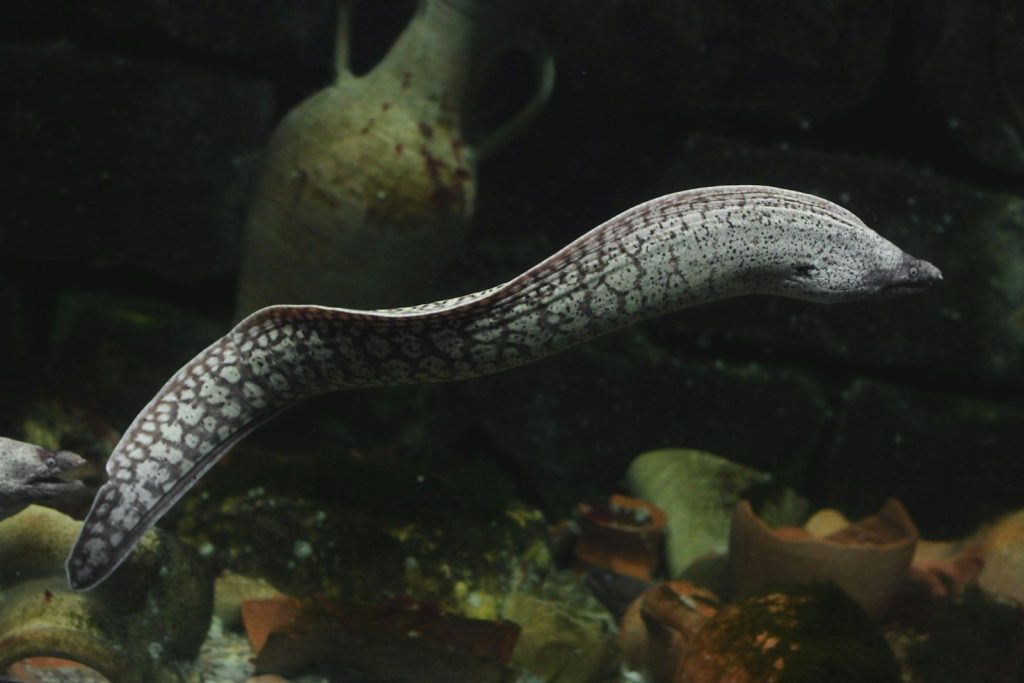
a close up of a reptile
Photo by MARIOLA GROBELSKA/Unsplash

Electric eels don’t just shock randomly; they can sense and track prey using their electric field. The same system used to attack also helps them locate targets.

They can detect movement and even hidden fish in complete darkness, making escape nearly impossible.

The Moment of Impact

clear hour glass
Photo by Alexandar Todov/Unsplash

The strike happens in milliseconds. The eel locks onto a target, curls its body, and releases a burst of electricity that travels through water like a shockwave.

Victims often don’t realize they’ve been hit until they are already immobilized.

Why the Water Becomes a Trap
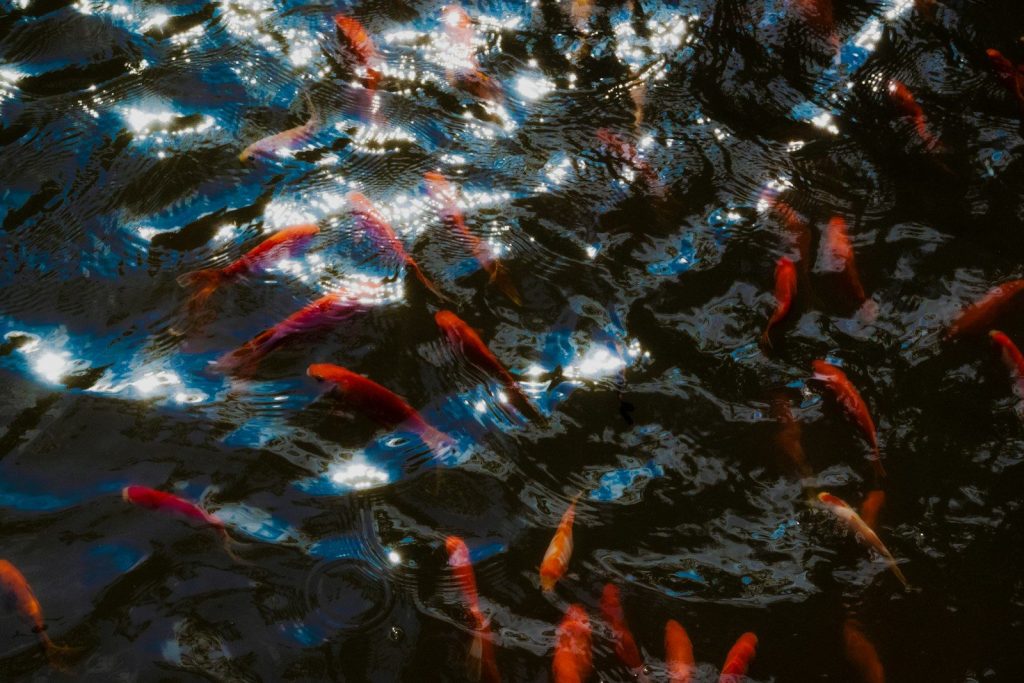
A group of fish swimming in a pond
Photo by xy1997/Unsplash

Water is an excellent conductor, which means the electric shock spreads quickly in all directions. This turns the environment itself into part of the weapon.

Anything within range becomes vulnerable, especially in shallow or confined areas where the current is concentrated.

Nature’s Hidden Power System
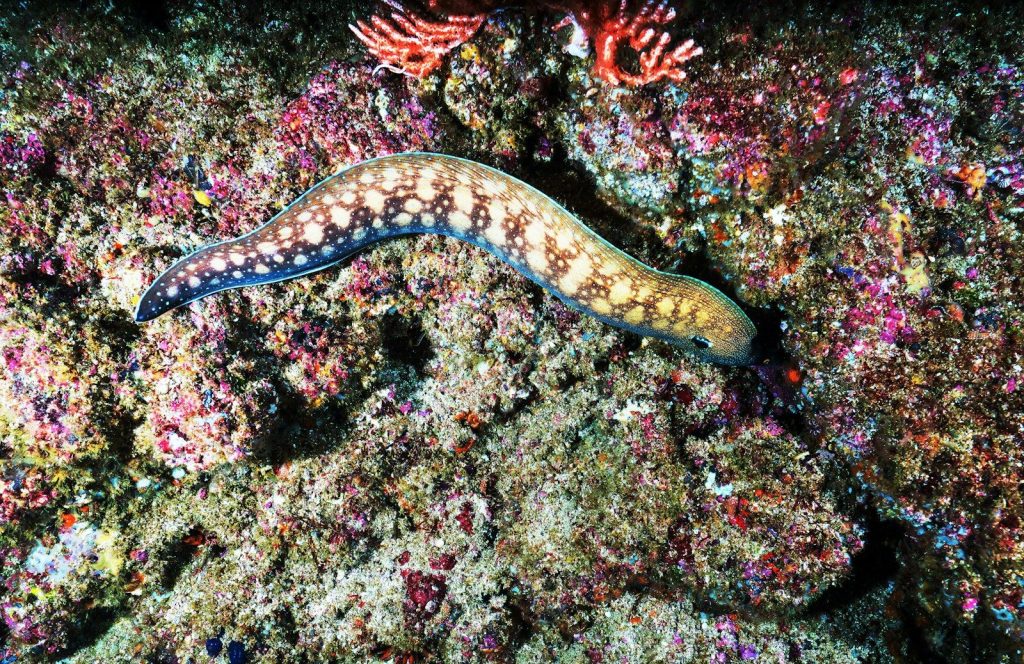
multicolored sea creatures on corals
Photo by Francisco Jesús Navarro Hernández/Unsplash

Electric eels prove that survival in the wild is not always about size or strength. Sometimes, it’s about having the right hidden weapon.

In dark rivers where vision fails, electricity becomes the ultimate form of control, and the eel is its master.

Post navigation

Previous: Extinct Creatures People Still Report Seeing in the American Wilderness
Next: This Is What Happens When a Killer Whale Gets Too Close to a Seal

Related Posts

close-up photography of blue fish

Why Deep-Sea Animals Look Stranger With Depth

August 14, 2026August 13, 2026 Jake
Black rhinoceros standing in a dry savanna, highlighting its majestic presence and endangered status.

What Happens When Lions Surround a Black Rhino

August 11, 2026August 11, 2026 Jake
A sloth bear lying in a sunny forest, blending with the natural environment.

What Happened When a Tiger Met a Mother Bear

August 10, 2026August 10, 2026 Jake

Leave a Reply Cancel reply

Your email address will not be published. Required fields are marked *

Recent Posts

  • Why a Wild Lynx May Tolerate a Nearby Camera
  • Eight of North America’s Most Imperiled Animals
  • What to Do When a Rattlesnake Enters Your Yard
  • The Reality of Hunting Giant Crabs for Survival
  • How Zebras Defend Their Foals From Lions
Copyright All Rights Reserved | Theme: BlockWP by Candid Themes.