Many people assume grizzly bears and brown bears are completely different species, but the reality is more complicated. Both belong to the same species, yet differences in habitat, appearance, and behavior have led to separate names being used.
Understanding these distinctions helps explain why these powerful bears are often discussed as if they were entirely different animals.
The Same Species
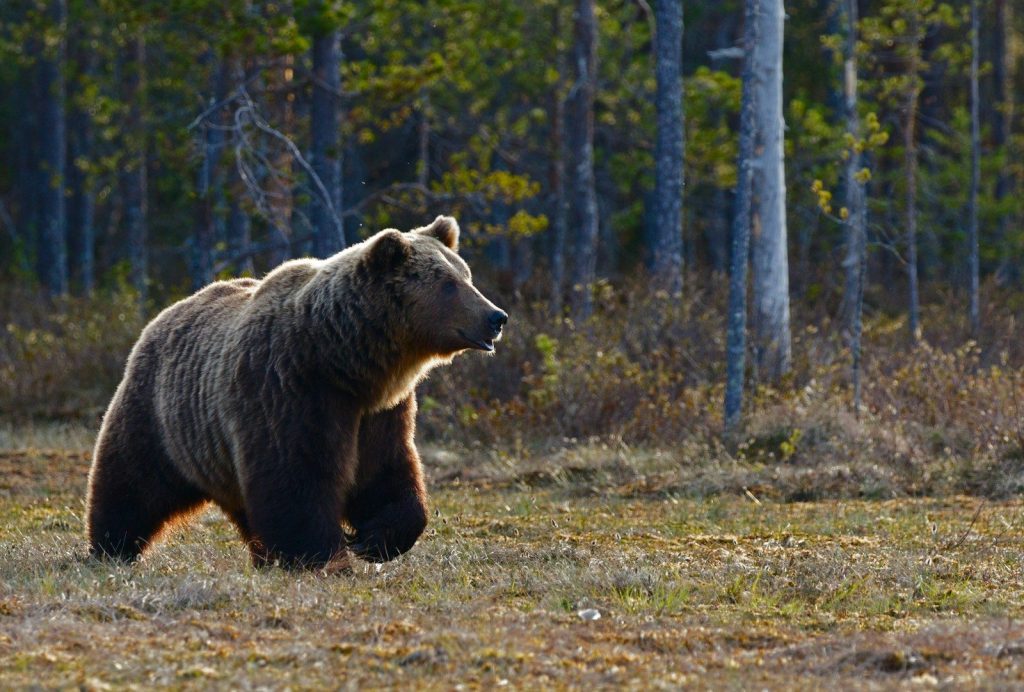
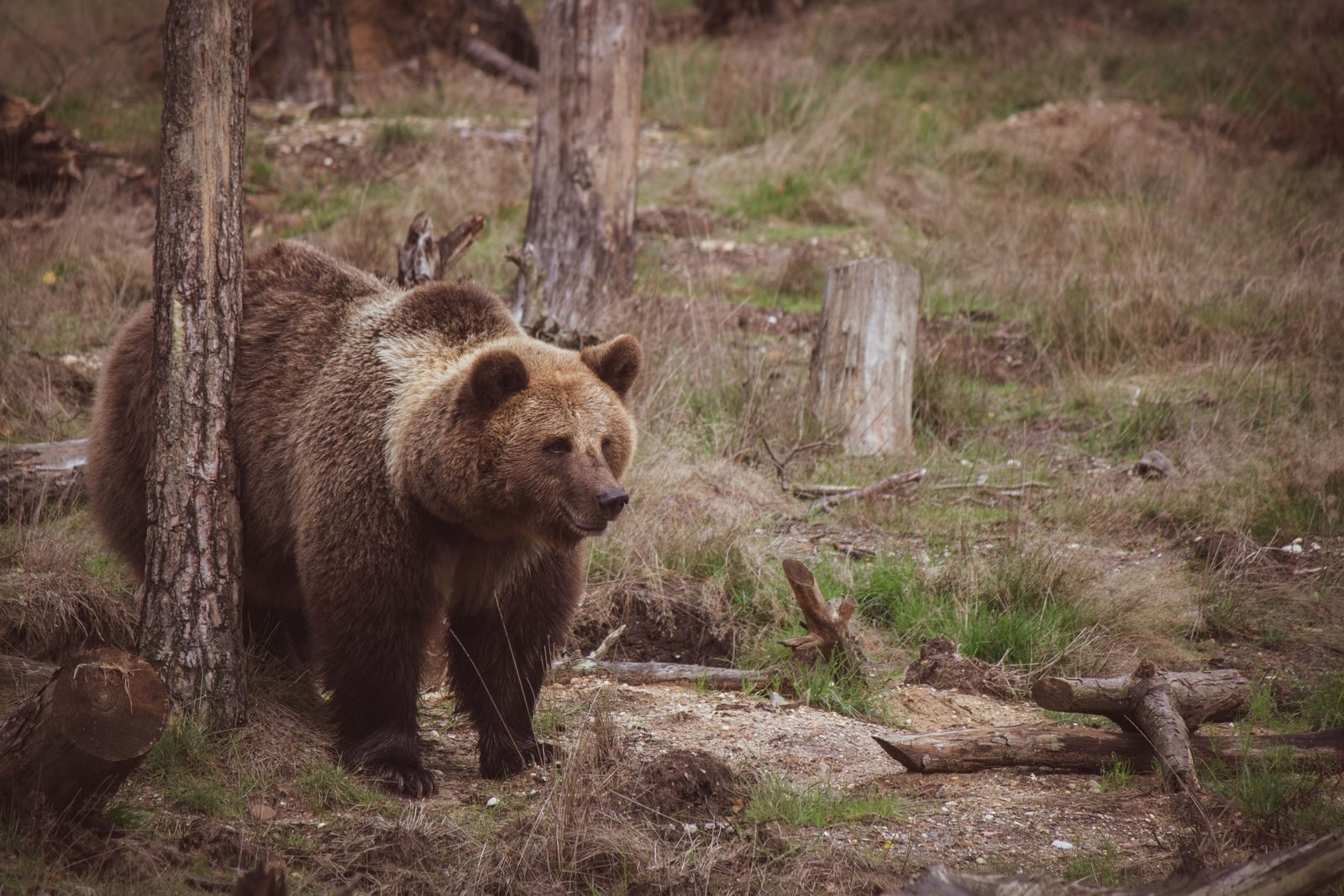
Grizzly bears and brown bears both belong to the species Ursus arctos. The term “brown bear” refers to the species as a whole, while “grizzly bear” is generally used for certain inland populations found in North America.
This means that every grizzly is a brown bear, but not every brown bear is considered a grizzly.
Differences in Habitat
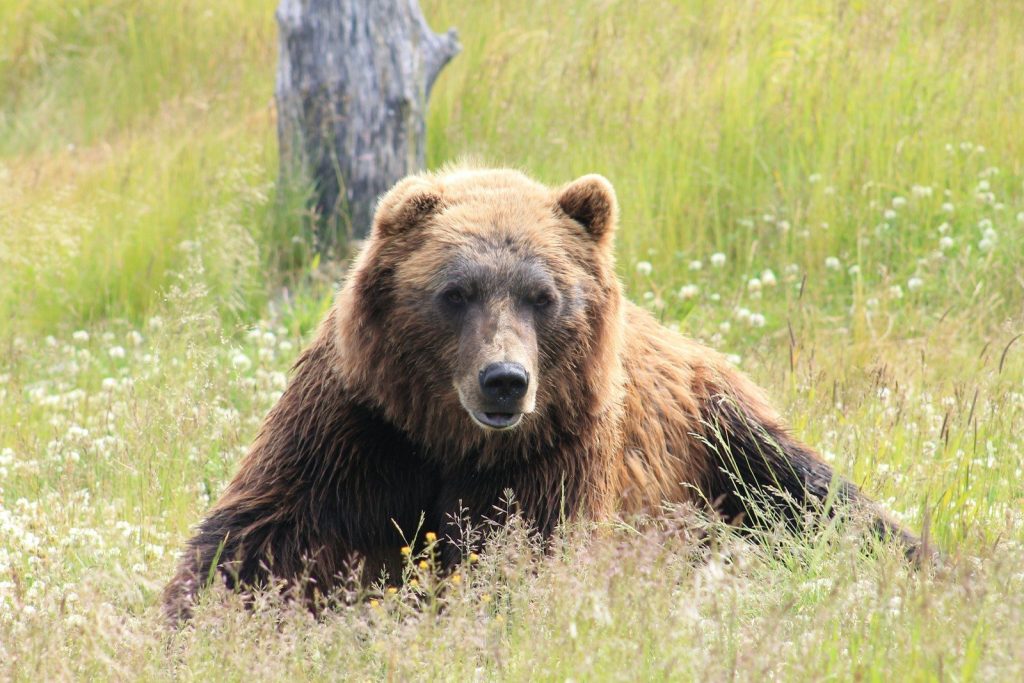
Grizzlies are typically found in inland regions, including forests, mountains, and grasslands. They often live farther from coastal food sources.
Brown bears living near coastlines have access to abundant fish and other nutrient-rich foods, which can significantly influence their size and appearance.
Size and Weight
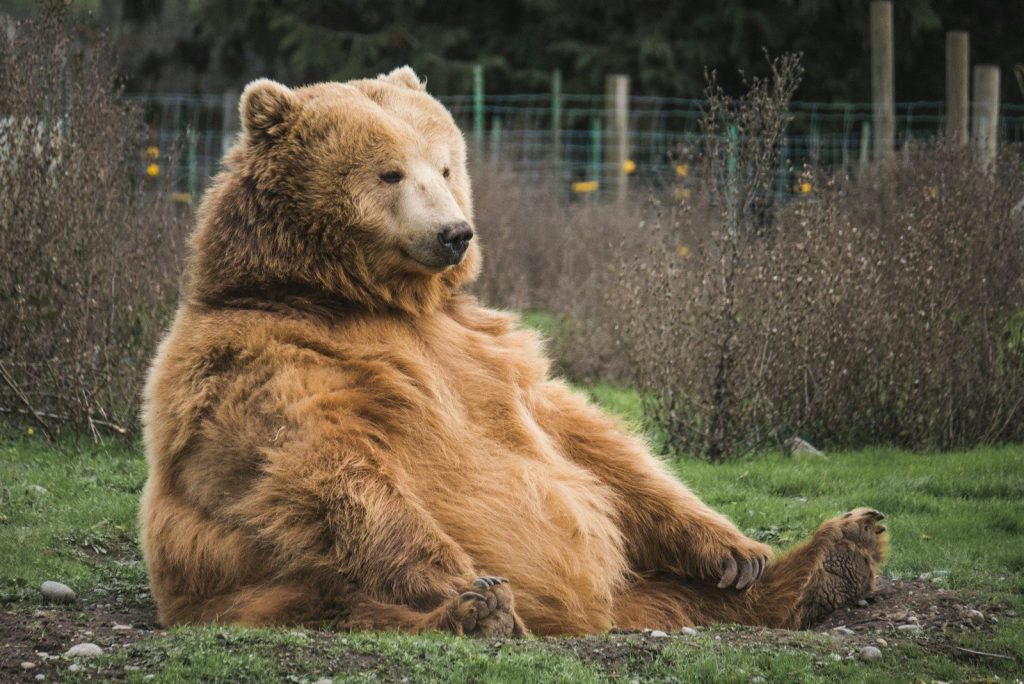
Coastal brown bears are usually much larger than inland grizzlies. Access to plentiful food, particularly salmon, allows them to grow to impressive sizes.
Grizzlies are generally smaller and leaner, although they are still among the largest land predators in North America.
Appearance
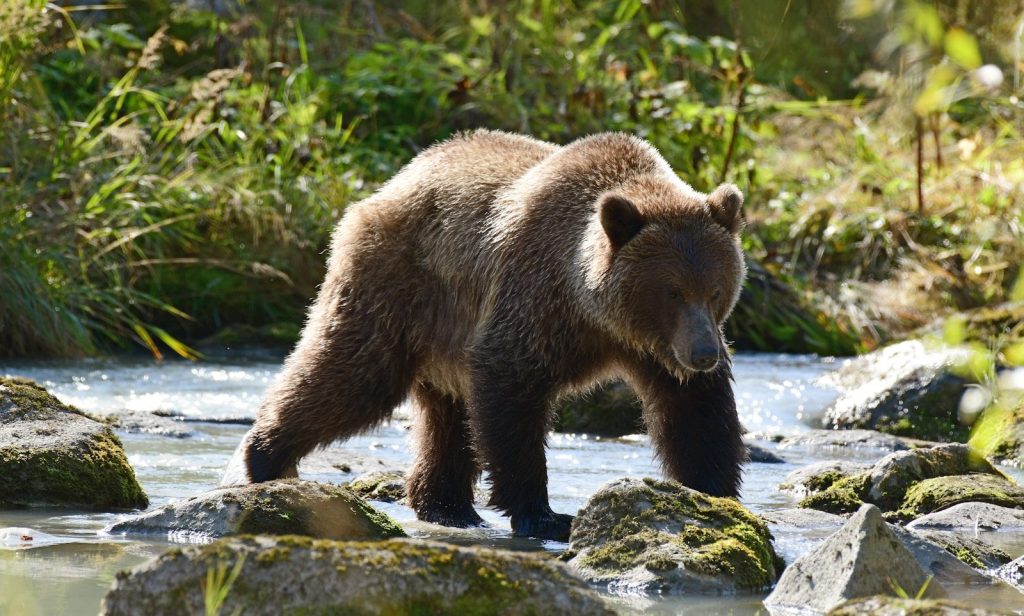
Both bears have a noticeable shoulder hump formed by powerful muscles used for digging. However, grizzlies often have lighter-colored fur tips, creating a “grizzled” appearance that inspired their name.
Coastal brown bears may have darker, more uniform fur and a bulkier body shape.
Diet and Feeding Habits
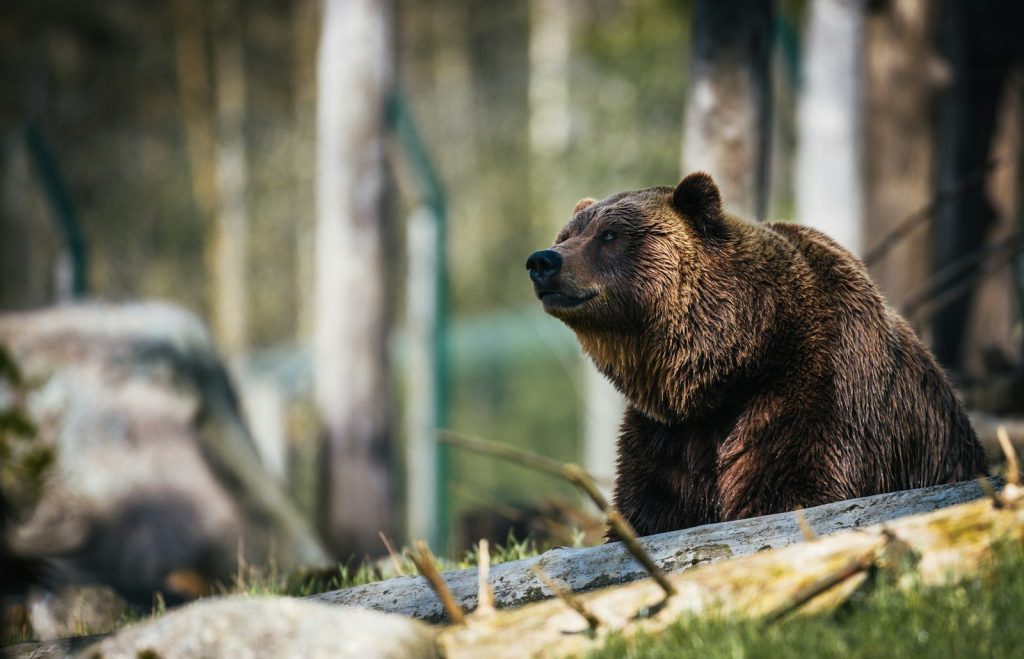
Grizzlies eat a varied diet that includes berries, roots, insects, small mammals, and carrion. They are highly adaptable and take advantage of whatever food is available.
Coastal brown bears consume many of the same foods but often rely heavily on salmon runs, which provide enormous amounts of energy and nutrients.
Behavior
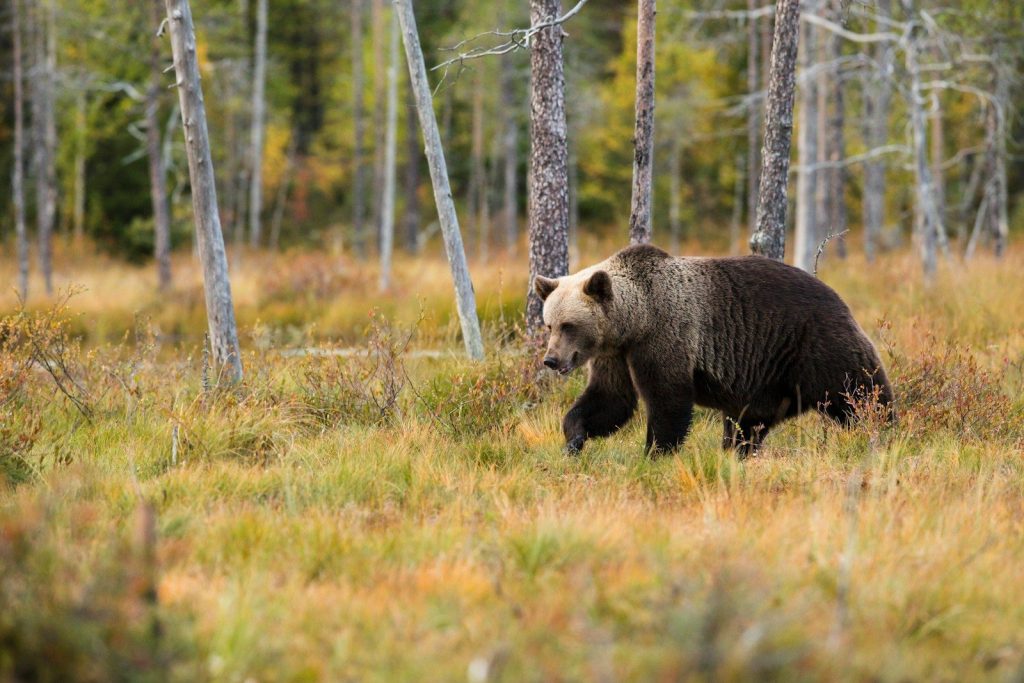
Both bears are generally solitary animals except during mating season or when food sources bring many individuals together.
Their behavior is largely shaped by their environment. Bears with abundant food supplies may behave differently from those living in harsher inland habitats.