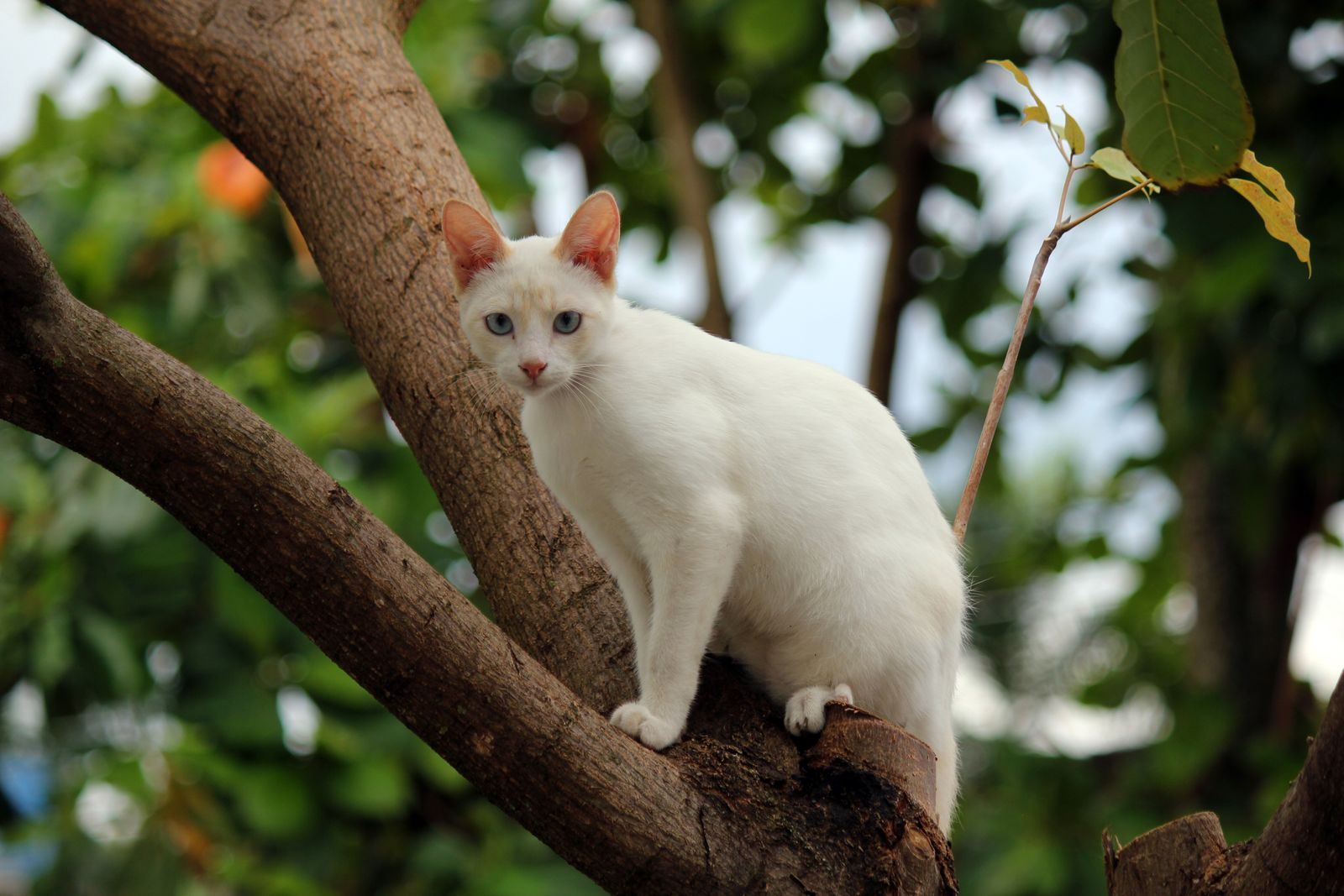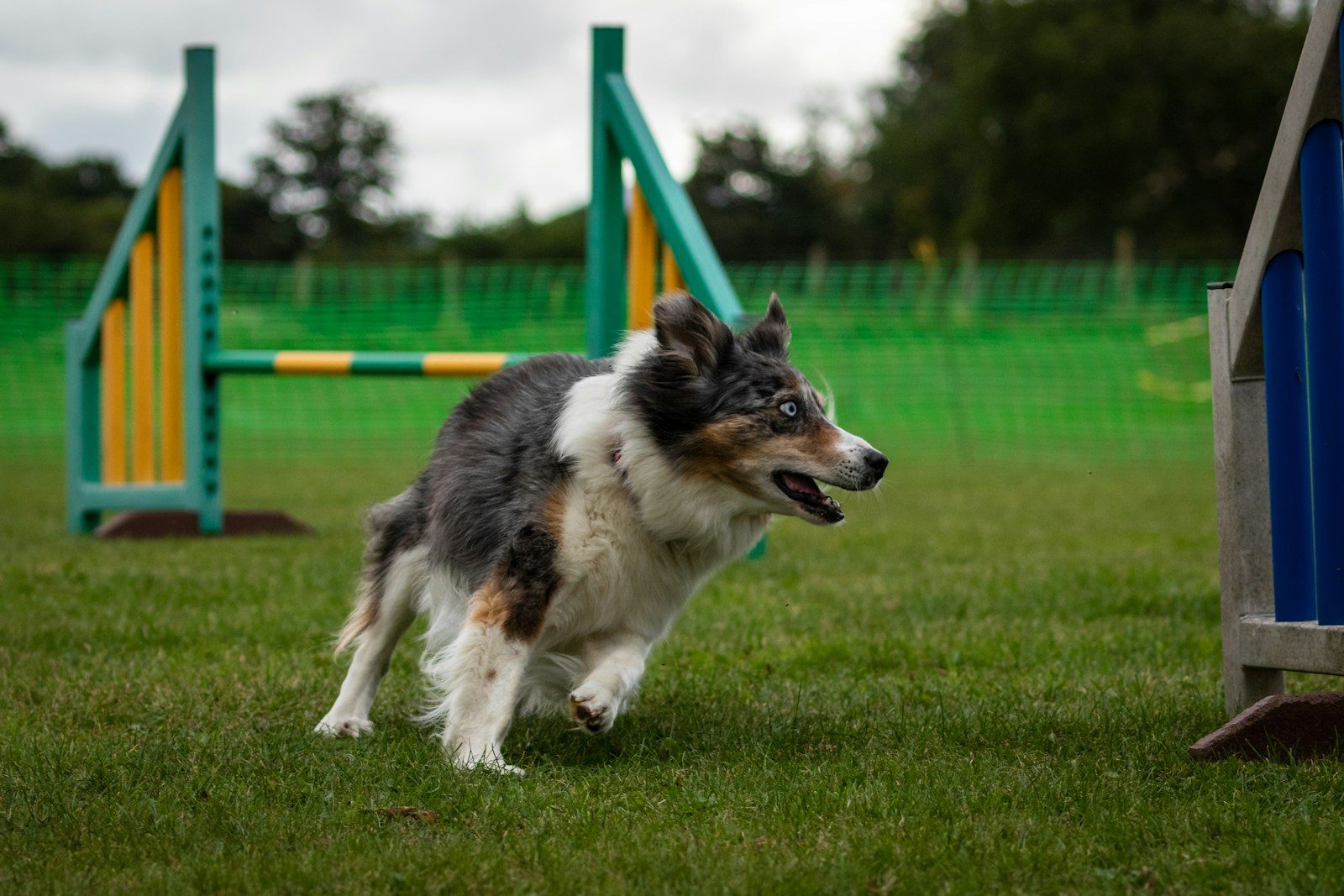
Dogs and cats can often become wonderful companions, but not every breed is naturally suited to sharing a home with feline friends. Some dogs were originally bred for hunting or chasing small animals, while others have strong prey drives or energetic personalities that can make introductions more challenging.
This doesn’t mean these breeds can never live with cats. Early socialization, proper training, and careful introductions can make a significant difference. However, prospective owners should understand the natural instincts of certain breeds before bringing a dog into a cat-friendly home.
Siberian Huskies Have a Strong Prey Drive
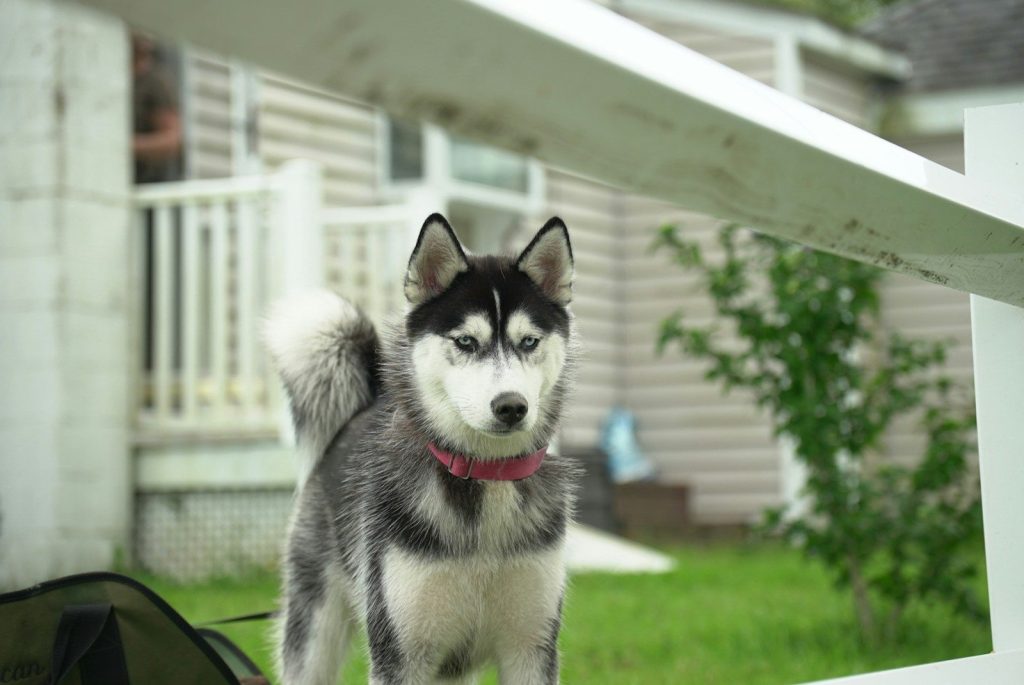
Siberian Huskies were bred to work in teams and thrive on physical activity. They also possess a strong instinct to chase smaller animals, which can make living with cats difficult in some households.
While some Huskies coexist peacefully with cats they have been raised alongside, unfamiliar cats may still trigger their hunting instincts.
Greyhounds Love to Chase Moving Animals
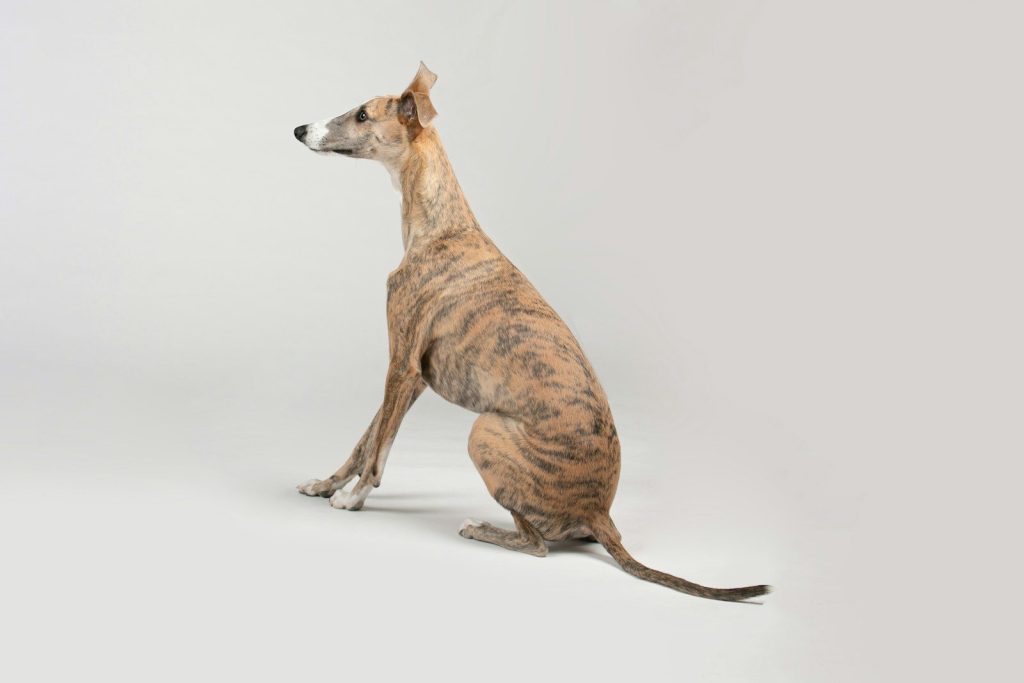
Greyhounds are gentle and affectionate pets, but centuries of breeding for coursing game have given many individuals a powerful desire to chase fast-moving animals.
Retired racing Greyhounds vary widely in temperament, so careful evaluation and supervised introductions are especially important if a home already includes cats.
Jack Russell Terriers Are Fearless Hunters

Jack Russell Terriers were developed to hunt foxes and other small animals. Their intelligence, determination, and endless energy often come with a very strong prey drive.
Without consistent training and supervision, they may view smaller pets as something to pursue rather than companions.
Weimaraners Need Careful Introductions
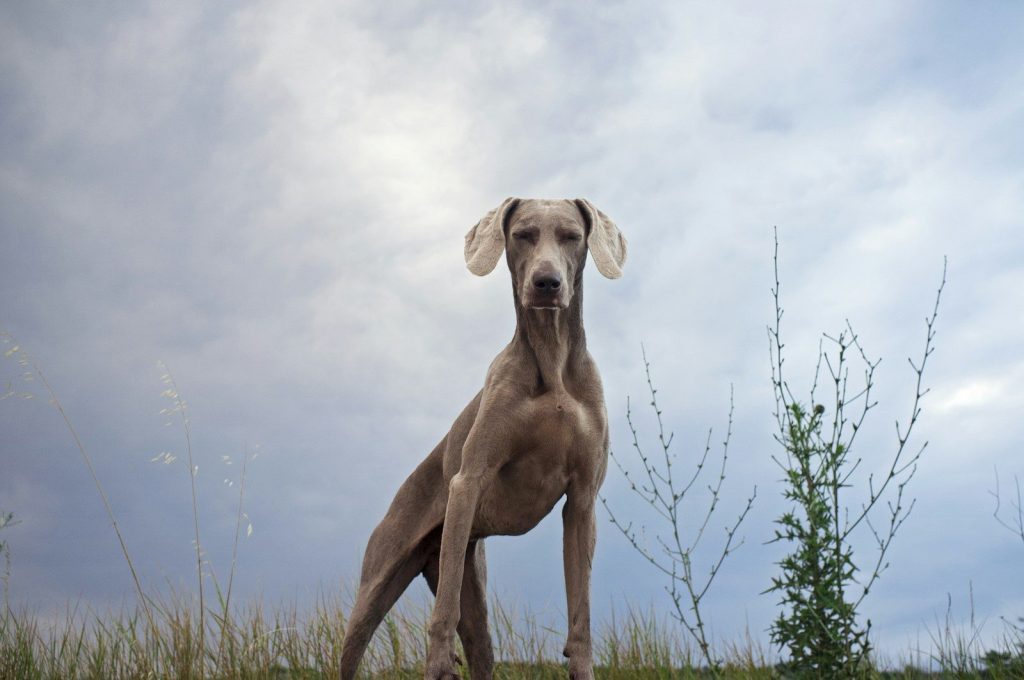
Originally bred as hunting dogs, Weimaraners are athletic, intelligent, and highly energetic. Their instinct to pursue small, fast-moving animals may extend to unfamiliar cats.
With patient training and early exposure, some Weimaraners successfully live with feline companions, but supervision remains important.
Beagles May Follow Their Nose

Beagles are famous for their incredible sense of smell and tracking ability. While they are generally friendly and sociable, they can become intensely focused when something captures their attention.
Individual temperament plays a major role, but young Beagles often require training to learn appropriate behavior around cats.
Australian Cattle Dogs Can Be Overly Energetic
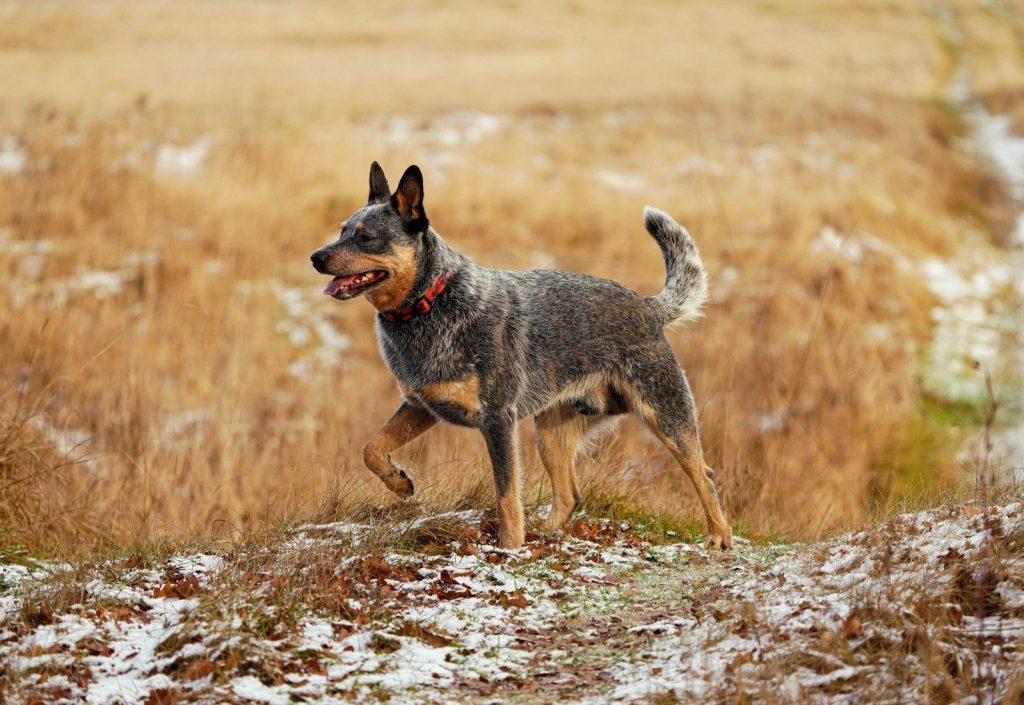
Australian Cattle Dogs are intelligent working dogs that excel at herding livestock. Their natural tendency to chase and nip moving animals may unintentionally stress household cats.
Providing plenty of physical exercise and mental stimulation helps reduce unwanted behaviors and encourages calmer interactions.