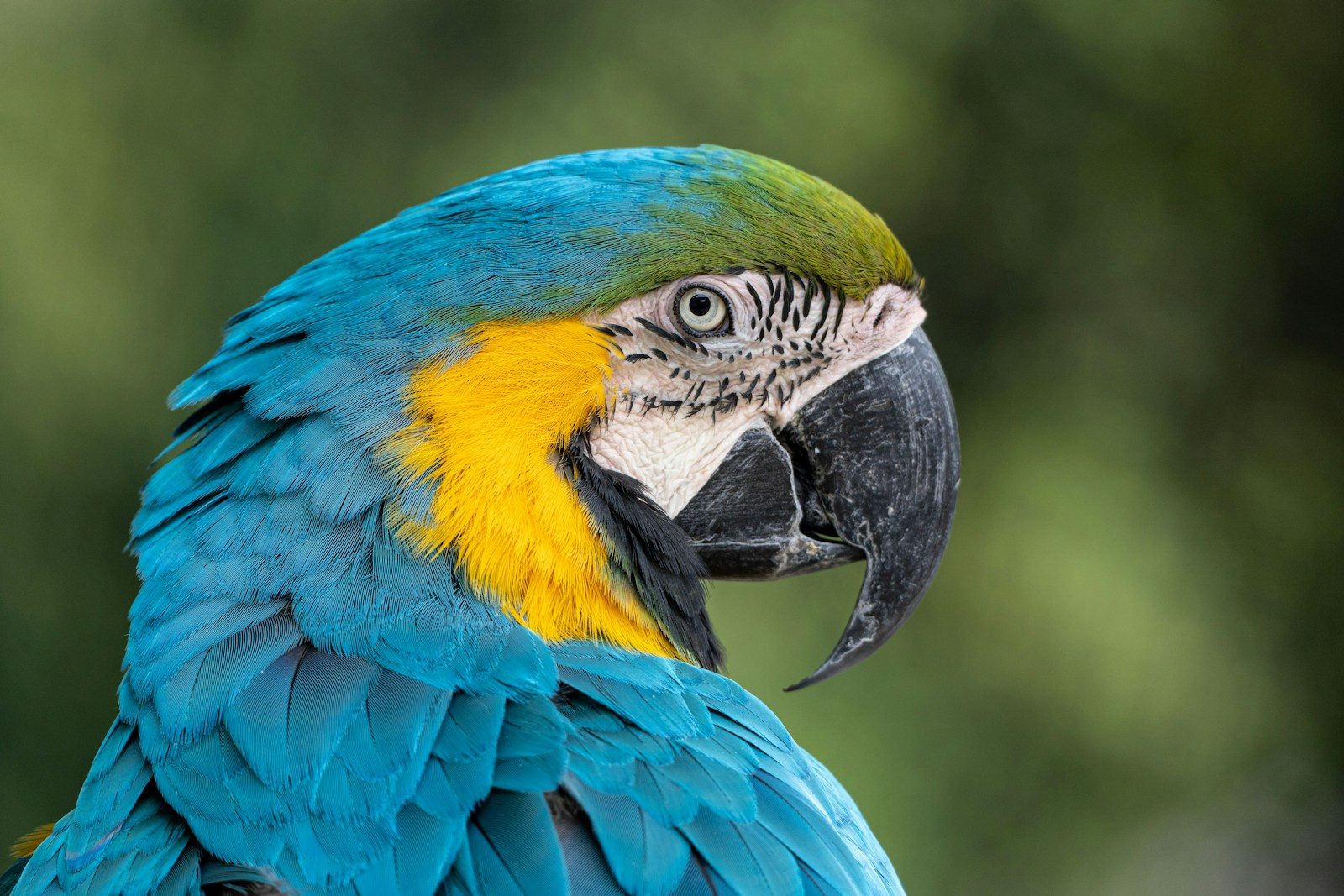
On a sweltering day, rescuers made a heartbreaking discovery along a roadside dumping ground. Hidden inside a discarded soda box was a tiny baby macaw, abandoned among piles of trash with almost no chance of surviving the intense heat.
The helpless bird was weak, dehydrated, and unable to escape his makeshift prison. As rescuers gently lifted him to safety, they realized his struggle had been even greater than they first imagined.
A Heartbreaking Discovery
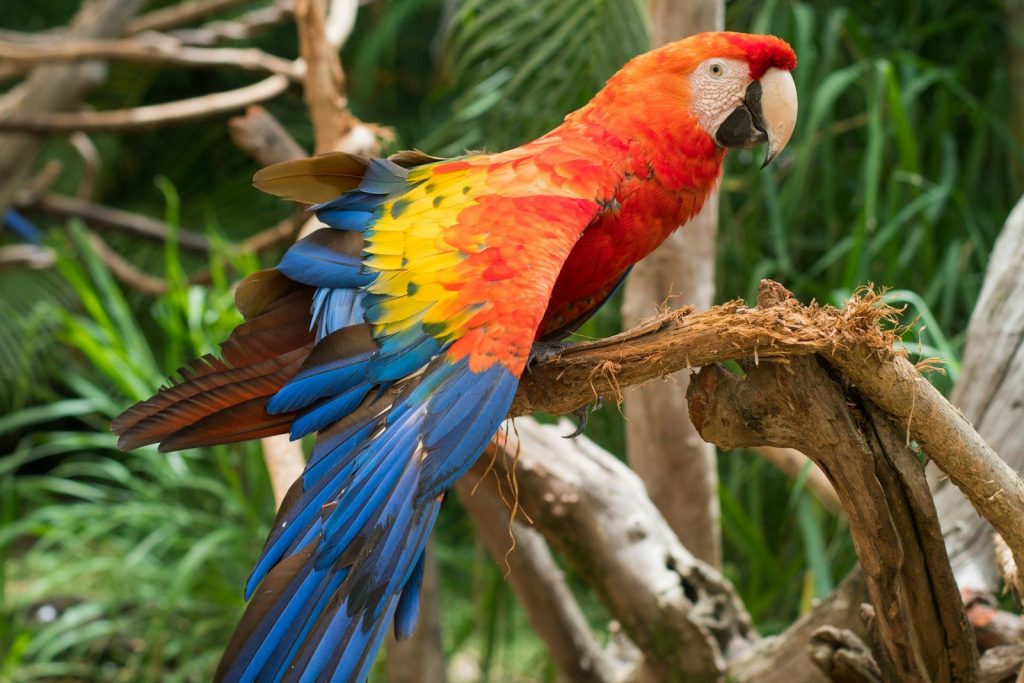
The young macaw had been left completely alone in a place where passing vehicles and scorching temperatures offered little hope of rescue. Barely able to move, he had likely spent hours waiting for help that never seemed to come.
During his initial examination, rescuers noticed that both of his legs were severely deformed. The condition made it almost impossible for the baby bird to stand, balance, or move around like a healthy chick.
Fighting Against the Odds
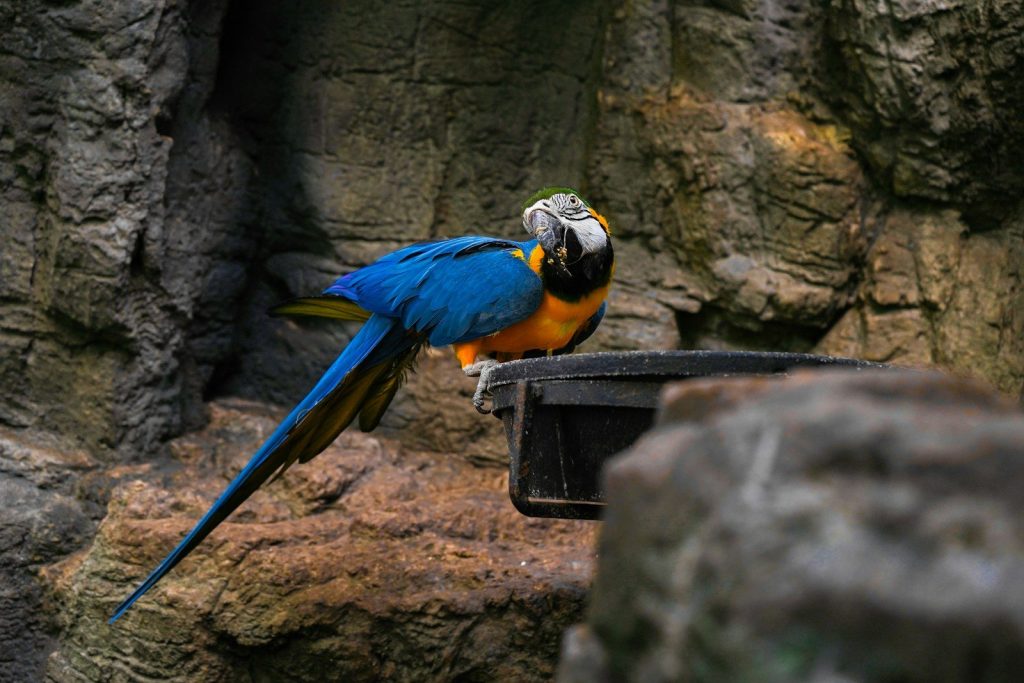
Despite his painful condition, the tiny macaw never stopped trying. Every feeding became a small victory as he eagerly accepted food and slowly regained the strength that starvation and dehydration had taken away.
His determination impressed everyone caring for him. Although his body faced significant challenges, his spirit remained remarkably strong, giving rescuers hope that he could overcome the difficult beginning life had dealt him.
One Rescuer Refused to Give Up
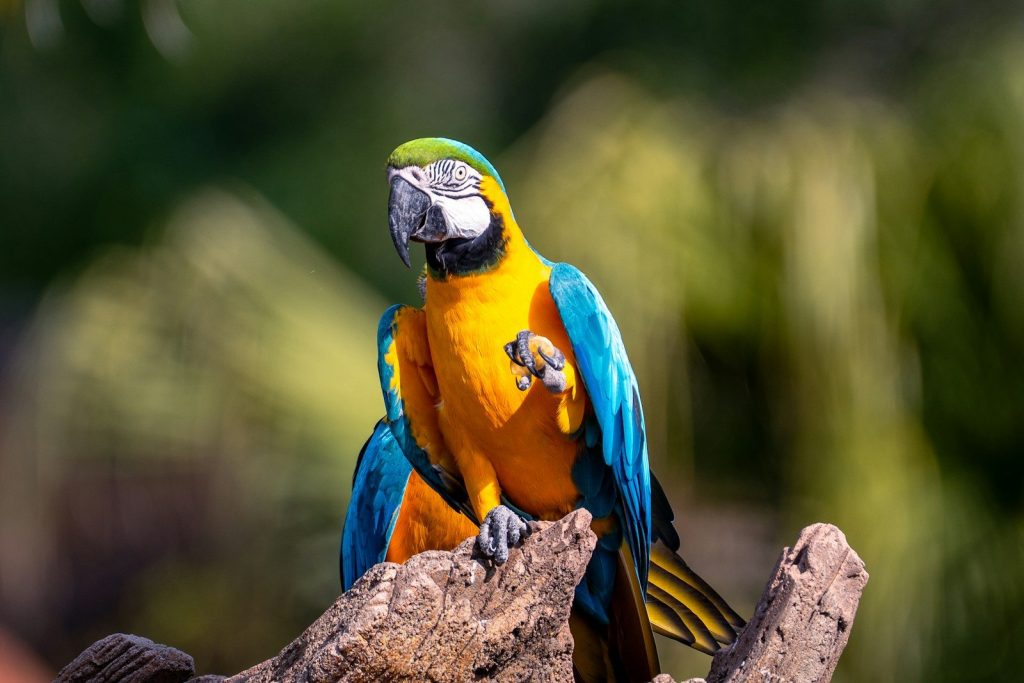
Animal rescuer Hannah Feder took the vulnerable bird under her care, determined to give him the opportunity he had been denied. Around-the-clock feeding, careful monitoring, and a safe environment became part of his daily routine.
Rather than focusing on what the little macaw couldn’t do, Hannah focused on what he still could. Every small improvement, from eating independently to becoming more alert, marked another important milestone in his recovery.
Learning to Live With a Disability
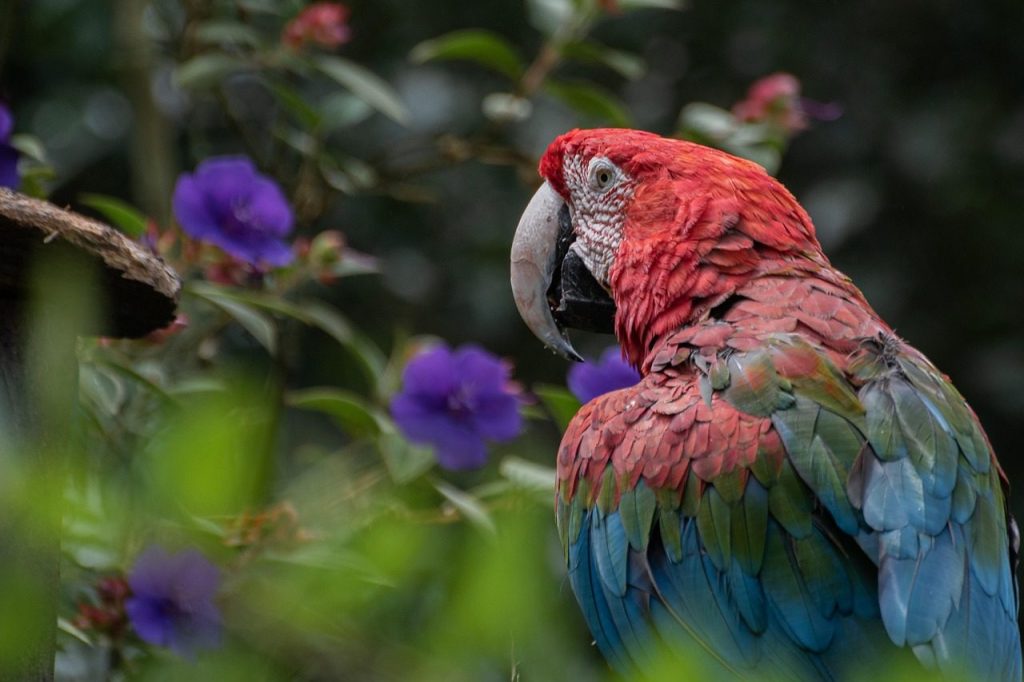
Because of his deformed legs, everyday tasks required patience and creativity. Special support helped him stay comfortable while encouraging him to strengthen his muscles and improve his balance.
His disability did not stop him from behaving like a curious young macaw. As his confidence grew, he became more playful, interactive, and interested in exploring his surroundings despite his physical limitations.
More Than a Rescue
Sadly, stories of abandoned exotic birds are not uncommon. Illegal breeding, neglect, and irresponsible pet ownership leave many young birds vulnerable long before they are capable of surviving on their own.
Rescue organizations and dedicated wildlife rehabilitators play an essential role in giving these animals another chance. Their work provides medical care, proper nutrition, and, most importantly, hope for animals that would otherwise be forgotten.