Humans are capable of building close relationships with many domesticated animals, but in the wild, the situation is very different. For countless species, people are viewed as potential predators because of thousands of years of hunting, habitat disturbance, and negative encounters. As a result, many wild animals instinctively flee, hide, or become defensive when humans approach. These behaviors are important survival strategies that help animals avoid danger in their natural environments.
Deer
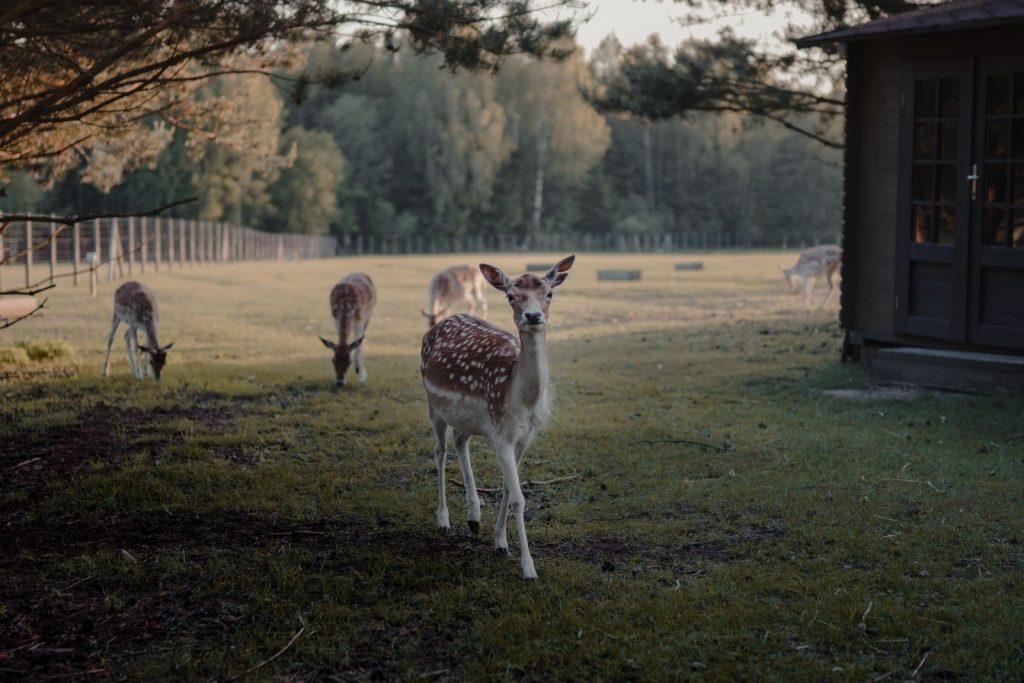
Deer are naturally cautious animals with excellent hearing, smell, and vision. Even in areas where they regularly encounter people, they usually keep a safe distance and quickly flee if they sense danger.
This instinct developed over thousands of years as deer learned to avoid predators, including humans. Sudden movements or loud noises can easily trigger their flight response.
Rabbits

Wild rabbits rely on speed and vigilance to survive. They spend much of their time scanning for potential threats and often freeze before darting into nearby cover when they detect movement.
Because humans are much larger than rabbits, they are typically perceived as predators. Their rapid escape behavior is a key reason they have survived despite facing numerous natural enemies.
Wild Turkeys
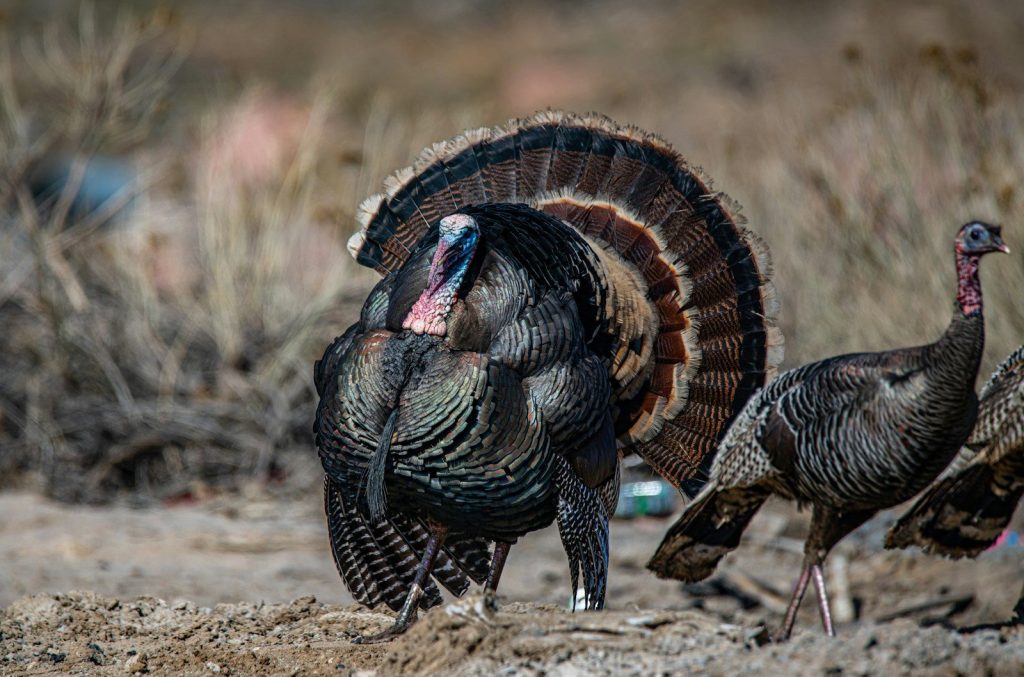
Wild turkeys have exceptional eyesight and are constantly alert for danger. They can detect movement from long distances and often leave an area as soon as people approach.
Although some urban populations become accustomed to human presence, most wild turkeys remain cautious and avoid close contact whenever possible.
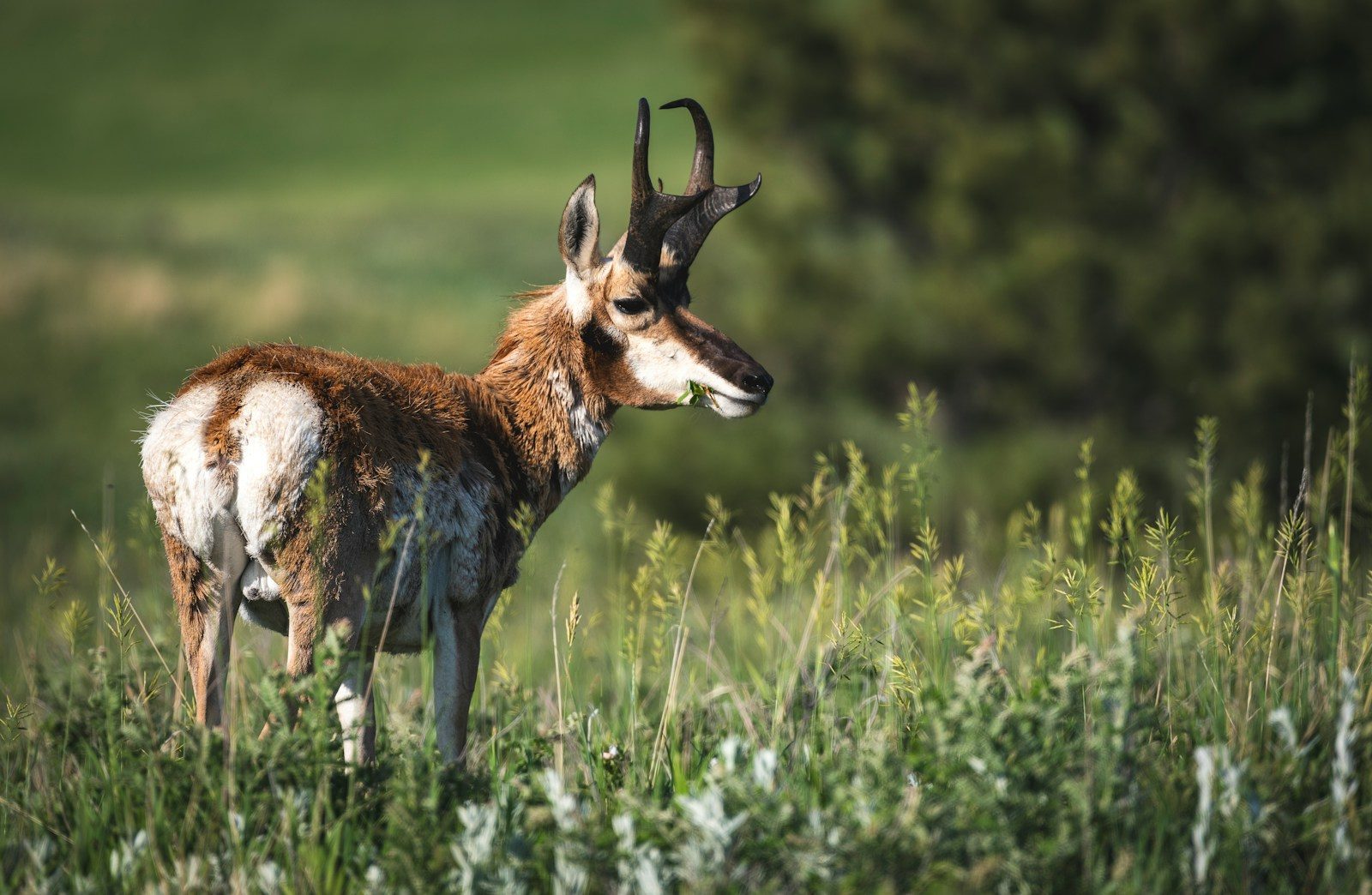
Pronghorn
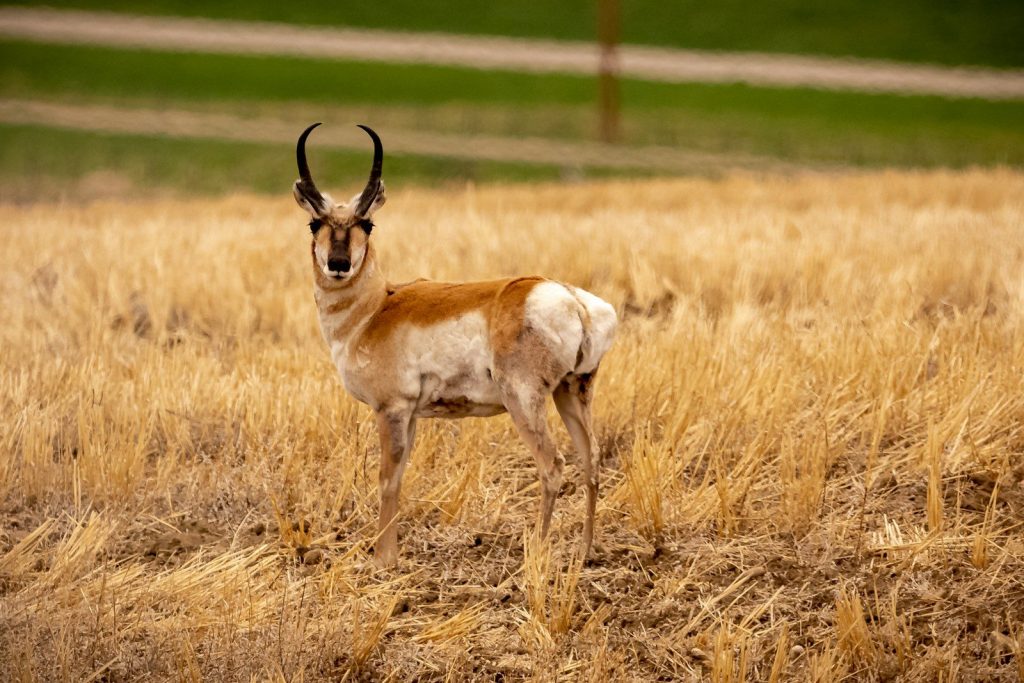
Pronghorns are among North America’s fastest land mammals, capable of maintaining remarkable speeds over long distances. Their extraordinary vision allows them to detect potential threats from miles away.
When humans approach, pronghorns usually rely on their speed rather than confrontation. This instinct helps them escape predators across the open grasslands where they live.
Seals
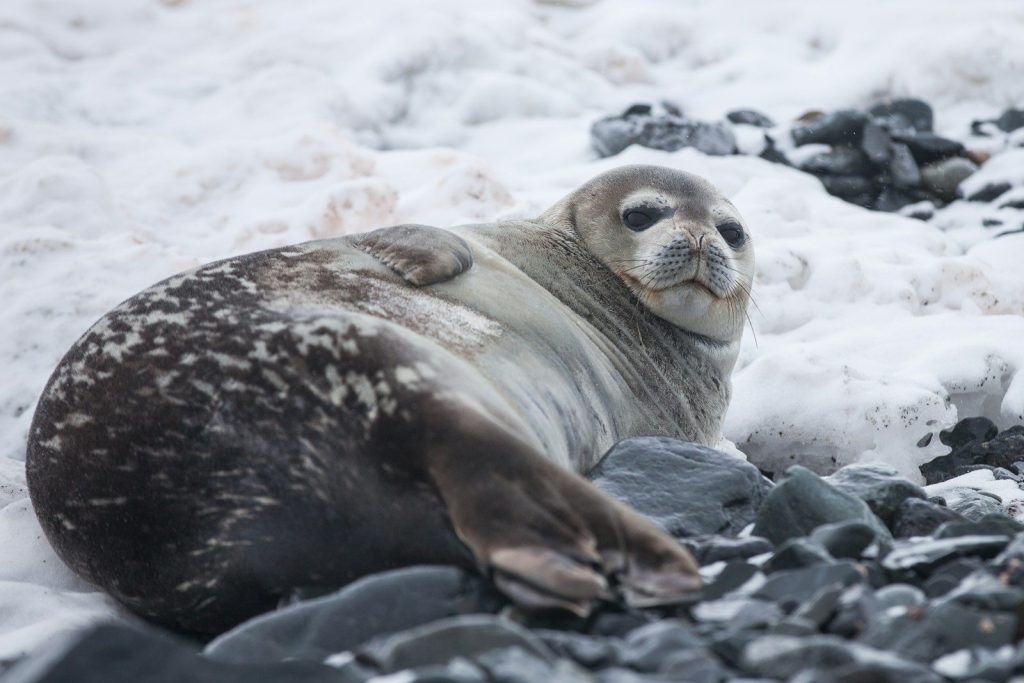
Seals often haul out onto beaches or rocky shorelines to rest, but they usually become alert when people get too close. Human disturbance can cause them to rush back into the water, interrupting important resting or nursing behavior.
Wildlife experts recommend observing seals from a respectful distance to avoid causing unnecessary stress and to reduce the risk of defensive bites.
Penguins
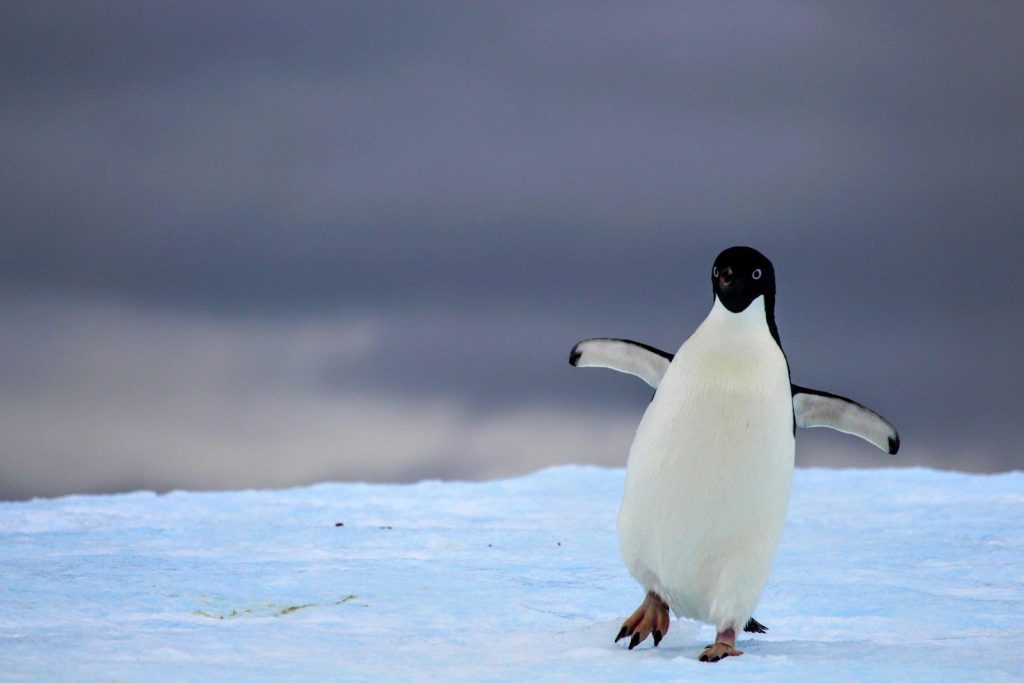
Although penguins may appear fearless in documentaries, many wild populations remain wary of people. In protected areas, they often tolerate human observers only because strict rules limit close interaction.
Approaching too closely can cause stress, interrupt nesting, or lead adults to temporarily abandon eggs or chicks. Responsible wildlife viewing helps ensure penguins continue their natural behaviors without unnecessary disturbance.