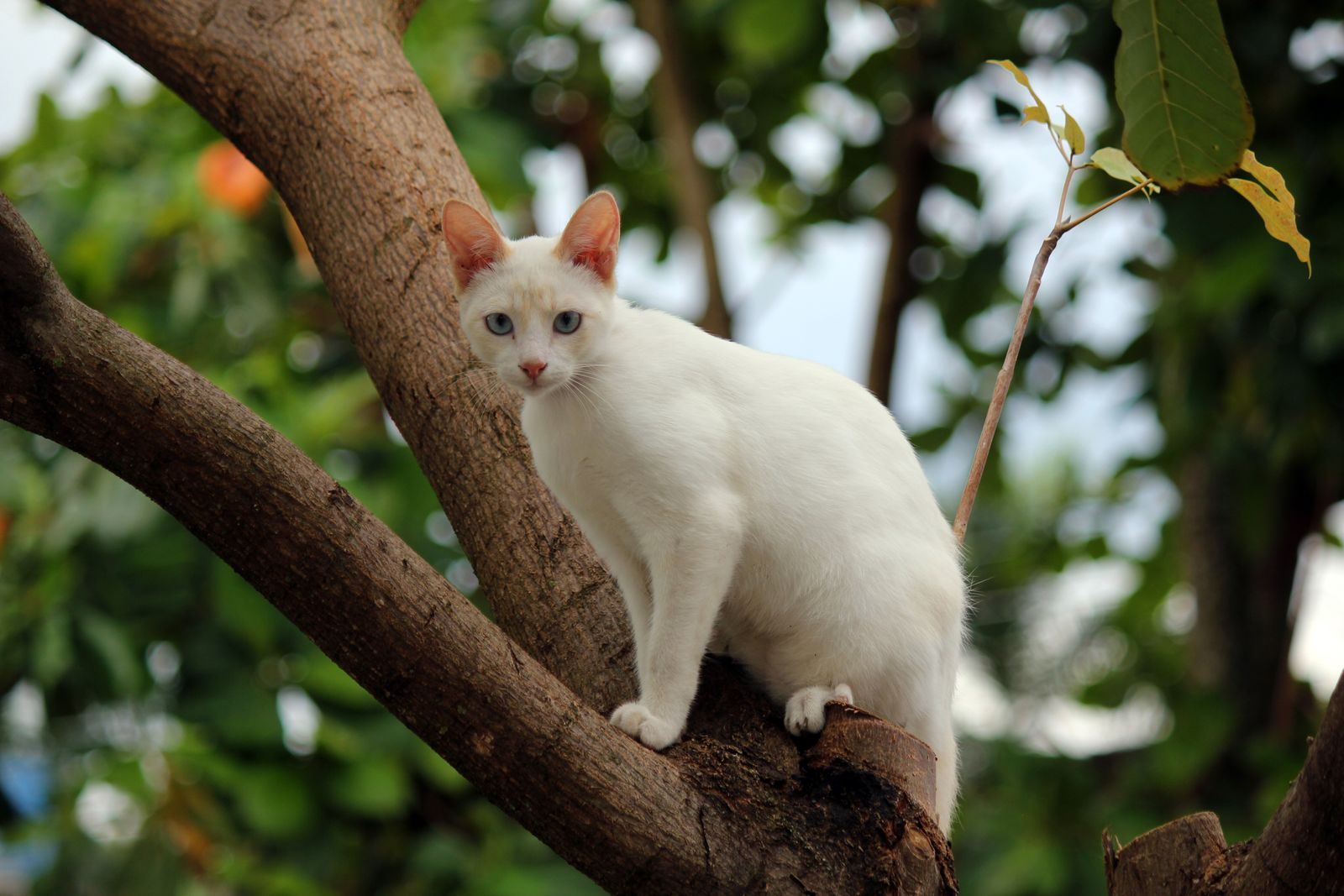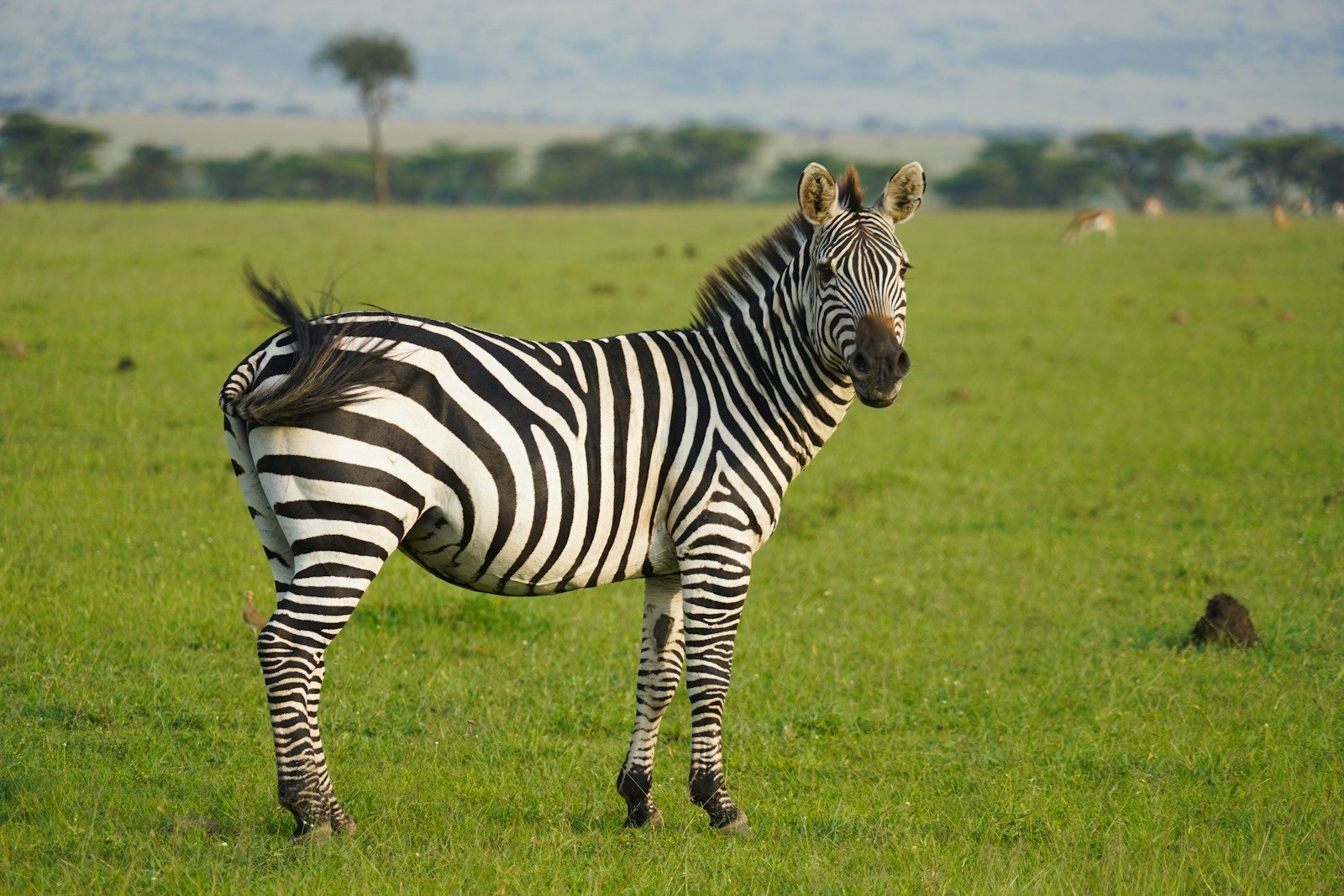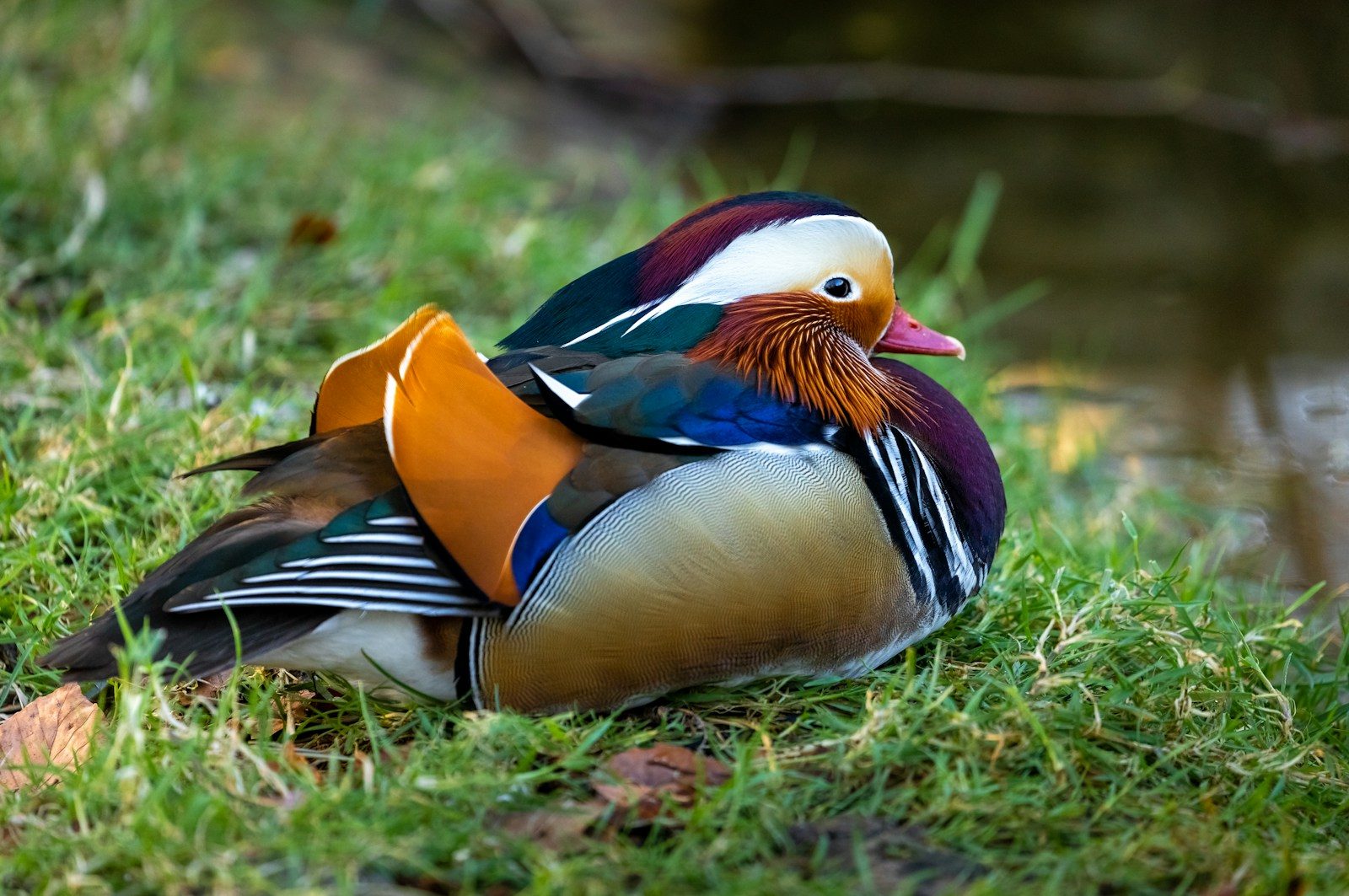
The United States is home to a wide variety of protected wildlife, many of which are safeguarded by federal or state laws. While it may be tempting to approach an injured, resting, or seemingly abandoned wild animal, doing so can be harmful to both the animal and the person involved. In many cases, disturbing protected species without authorization can also result in hefty fines or legal penalties.
Sea Turtles
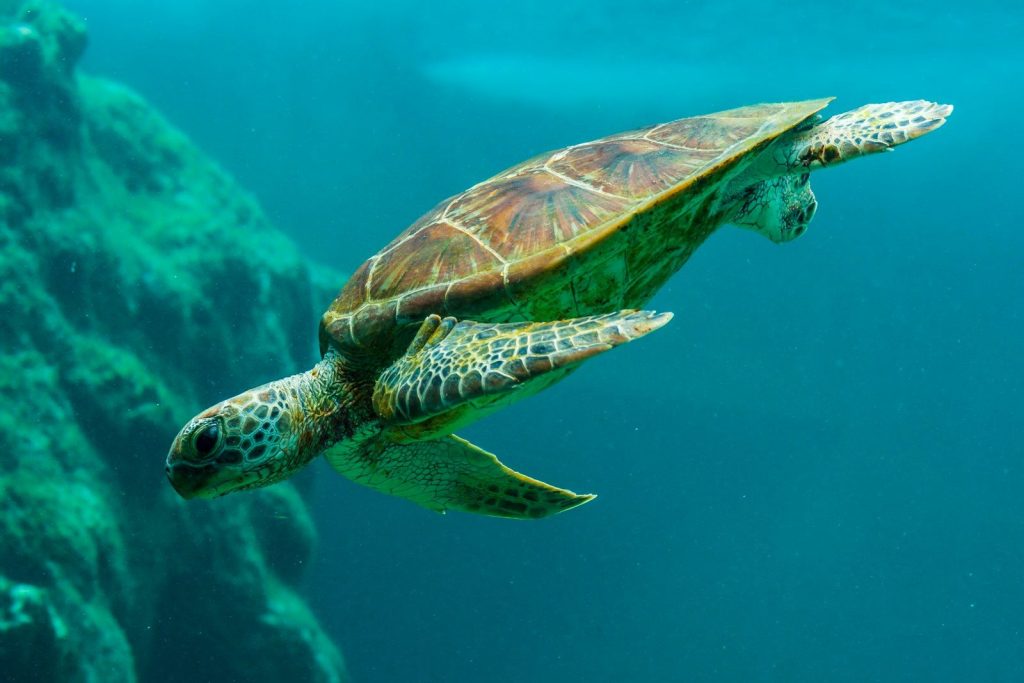
All sea turtle species found in U.S. waters are protected under the Endangered Species Act, making it illegal to handle, harass, or disturb them without proper permits. This protection extends to nesting females, hatchlings, and even their eggs.
If you encounter a sea turtle on the beach, the best approach is to observe from a distance and avoid shining lights or blocking its path to the ocean.
Bald Eagles
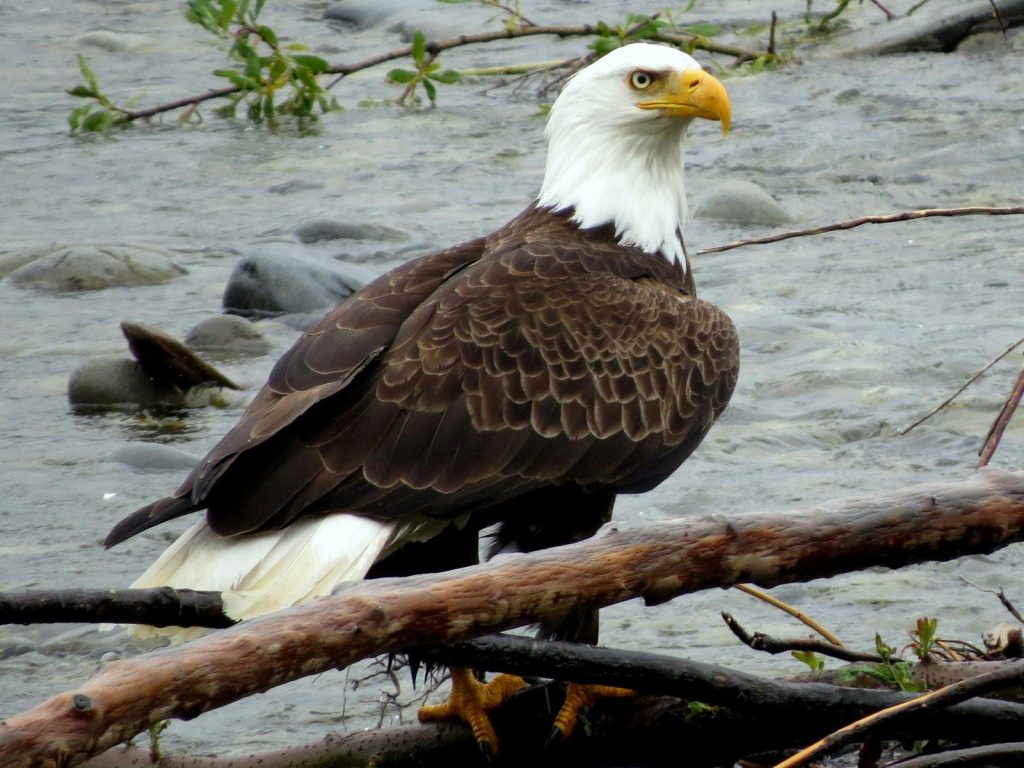
Once on the brink of extinction, bald eagles have made a remarkable recovery, but they remain protected under the Bald and Golden Eagle Protection Act. It is illegal to disturb active nests, collect feathers, or interfere with these iconic birds.
Even approaching a nesting eagle too closely can cause stress and may lead parents to abandon their nest or young.
Manatees
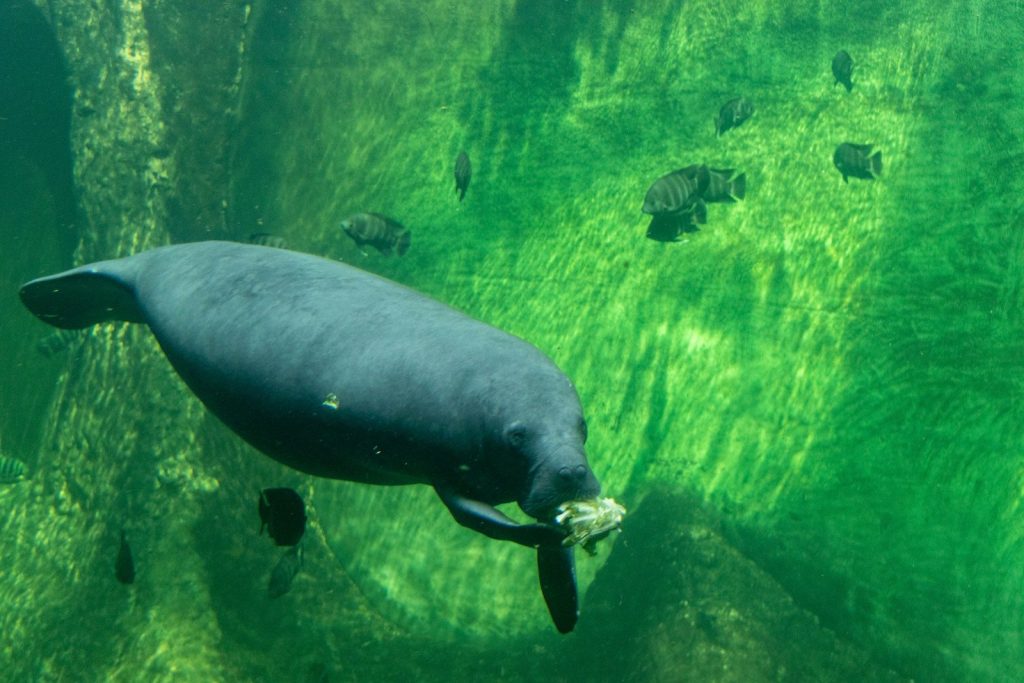
Often called “sea cows,” manatees are gentle marine mammals protected by both federal and state laws. Touching, feeding, chasing, or attempting to ride a manatee is prohibited, even if the animal appears friendly.
Boaters and swimmers are encouraged to keep a respectful distance to prevent injuries and reduce stress on these slow-moving animals.
Marine Mammals
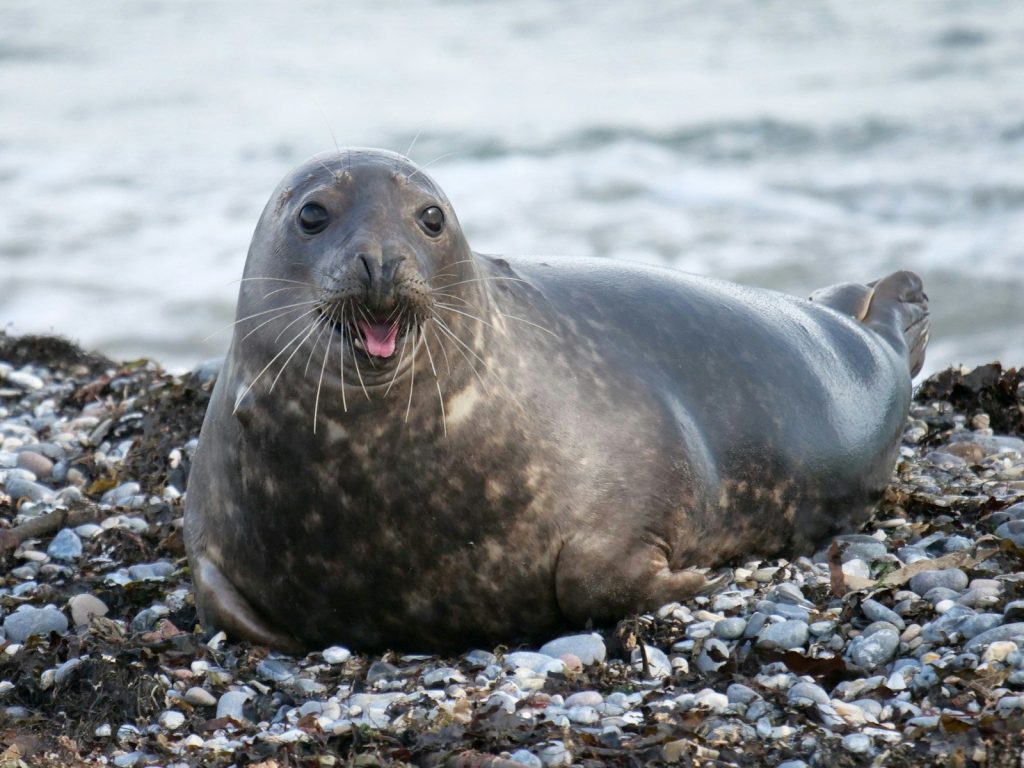
Whales, dolphins, seals, and sea lions are protected under the Marine Mammal Protection Act. This law makes it illegal to harass, feed, capture, or intentionally approach these animals in ways that alter their natural behavior.
If you spot one resting on a beach or swimming offshore, enjoy the sight from afar and allow wildlife officials to intervene if assistance is needed.
Migratory Birds
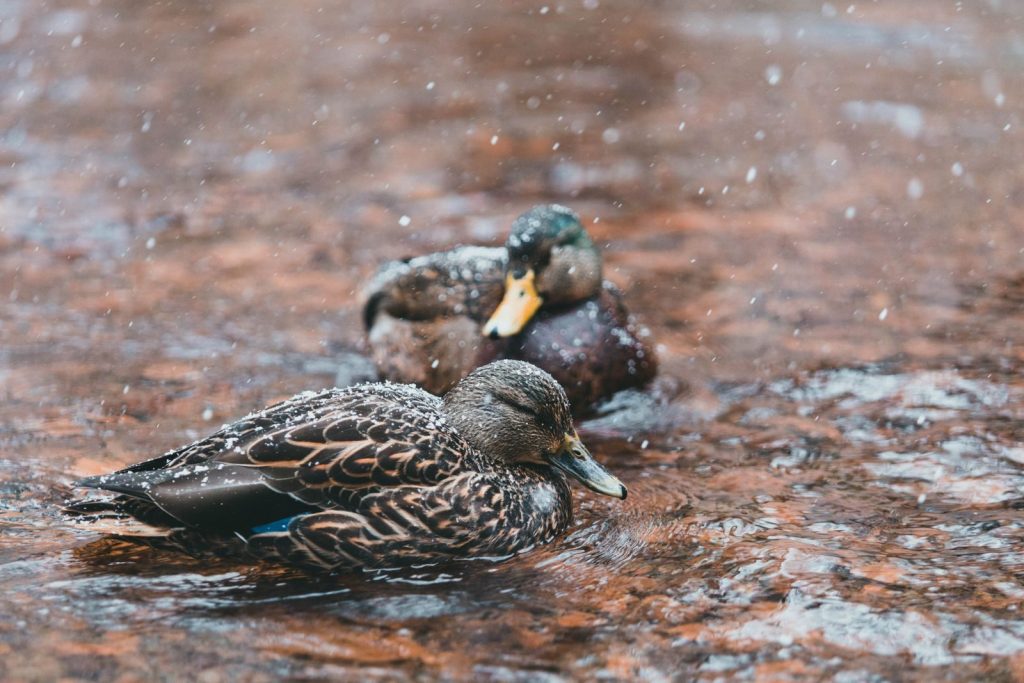
Hundreds of bird species are protected by the Migratory Bird Treaty Act, including many songbirds, hawks, owls, and waterfowl. Their nests, eggs, and feathers are also protected in many situations.
If you find a baby bird on the ground, resist the urge to take it home. In many cases, the parents are still nearby and continuing to care for it.
Bats
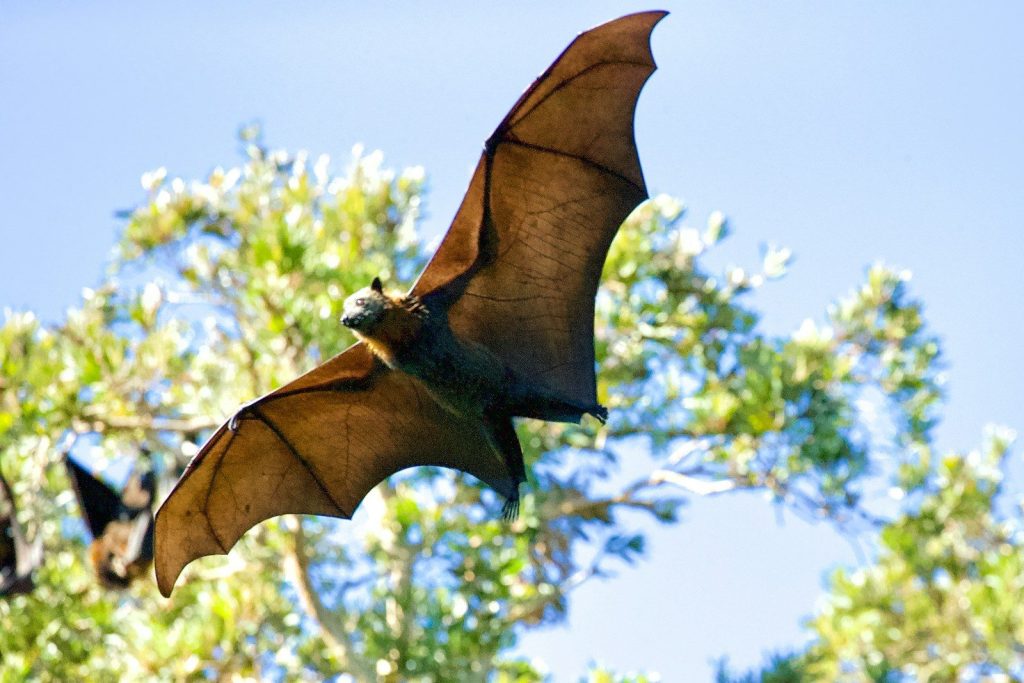
Many bat species receive legal protection because of their important role in controlling insect populations and their declining numbers due to habitat loss and disease. Disturbing bat colonies, especially during hibernation or maternity season, can have serious consequences for their survival.
If bats have taken up residence in your home, contact a licensed wildlife professional rather than attempting to remove them yourself.