Some creatures on our planet defy the usual rules of aging, living far longer than most species. These animals often grow slowly, mature late, and survive in stable environments where evolution favors endurance over speed.
Their extraordinary lifespans make them fascinating subjects for scientists studying aging, biology, and longevity.
Bowhead Whale
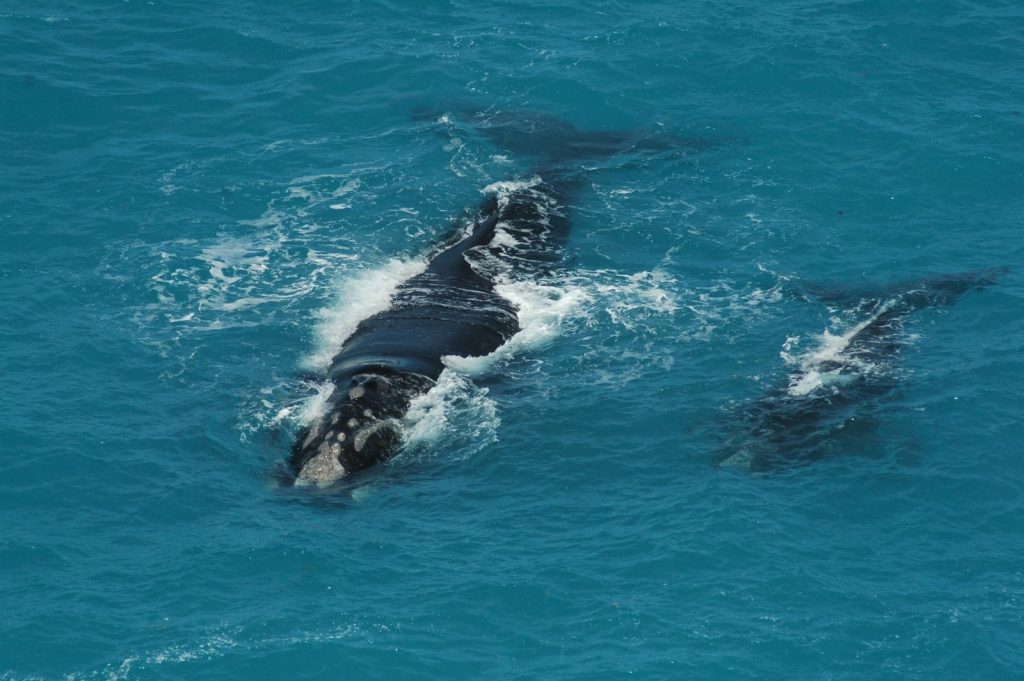
The bowhead whale is one of the longest-living mammals on Earth. Some individuals are believed to exceed 200 years of age.
Living in Arctic waters, they are protected by thick layers of blubber that help them survive extreme cold. Their slow aging process makes them especially important in longevity research.
Greenland Shark
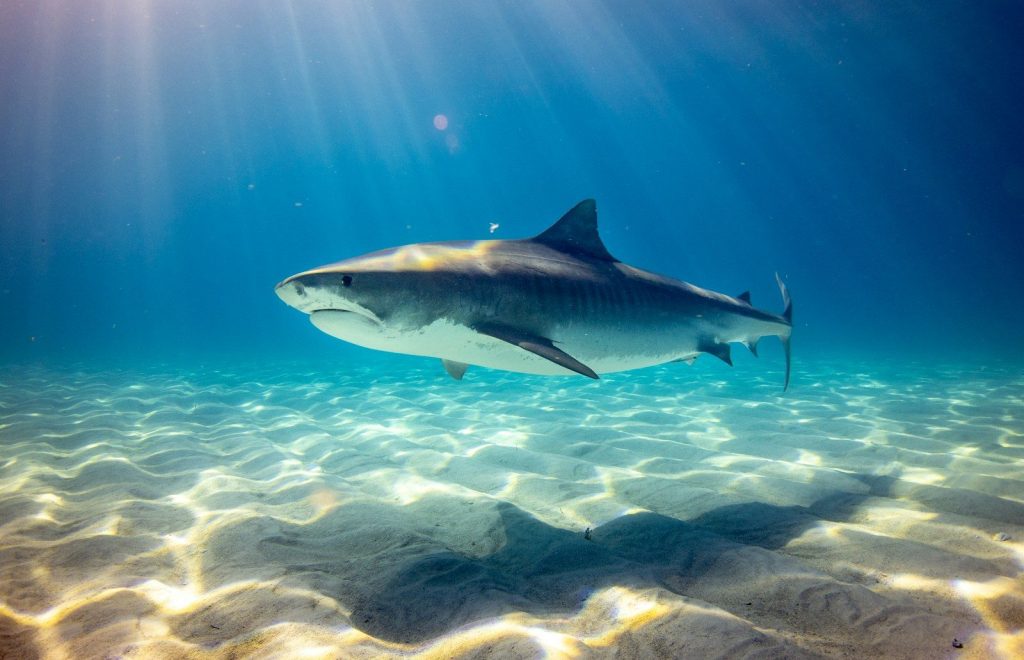
The Greenland shark is considered the longest-living vertebrate known. Scientists estimate it may live between 300 and 500 years.
It grows at an extremely slow rate and reaches maturity very late in life. Its deep, cold ocean habitat likely contributes to its exceptional lifespan.
Galápagos Tortoise
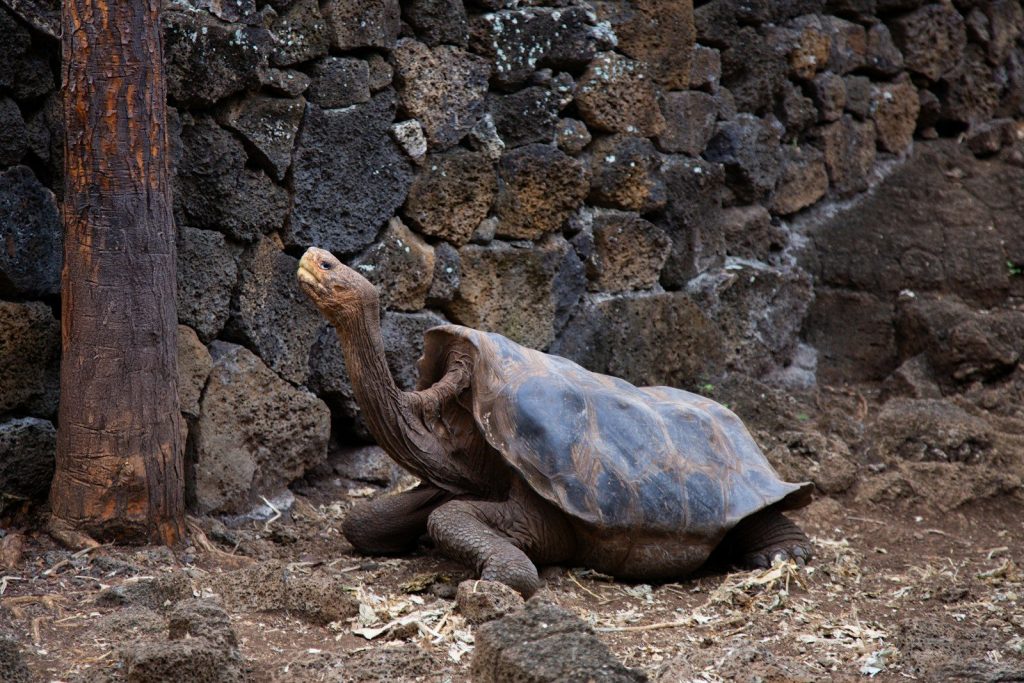
The Galápagos tortoise is a giant reptile famous for its long life. Many individuals live well over 100 years, with some recorded at more than 150 years.
Its slow metabolism and protected island environment allow it to age gradually. It is one of the best-known examples of extreme longevity in land animals.
Ocean Quahog Clam
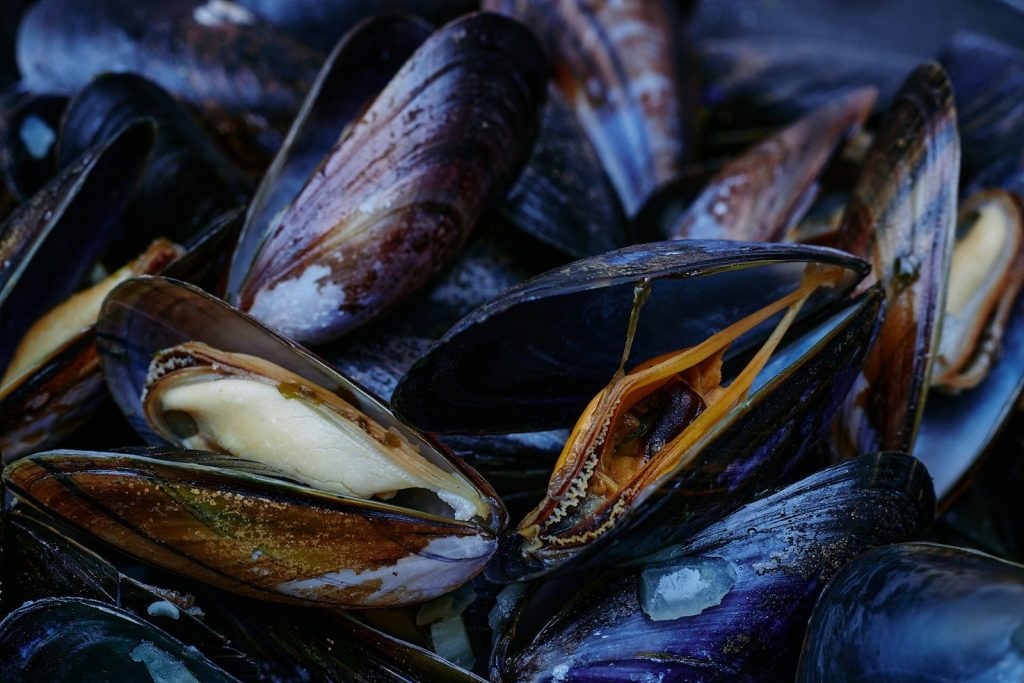
The ocean quahog clam is a deep-sea bivalve that can live for more than 400 years. One famous specimen, “Ming,” was estimated to be over 500 years old.
Its lifespan is linked to extremely slow growth and stable ocean conditions. Scientists study it to better understand cellular aging processes.
Red Sea Urchin
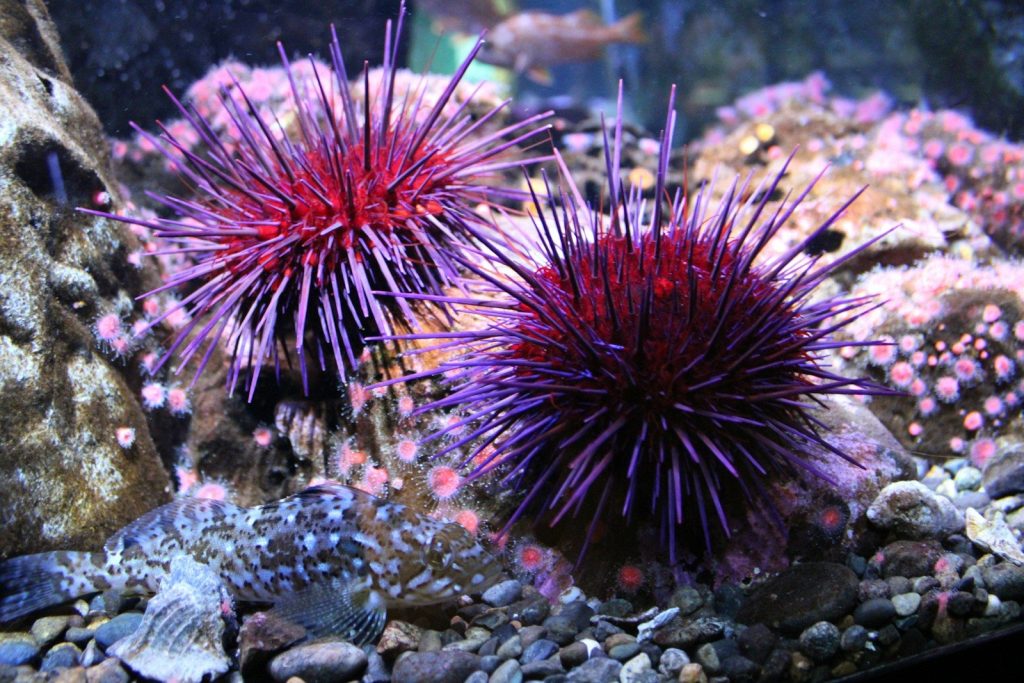
The red sea urchin can live over 100 years. Unlike many animals, it shows very little sign of aging even at advanced ages.
It plays a key role in marine ecosystems by controlling kelp growth. Its biological resilience makes it valuable for aging research.
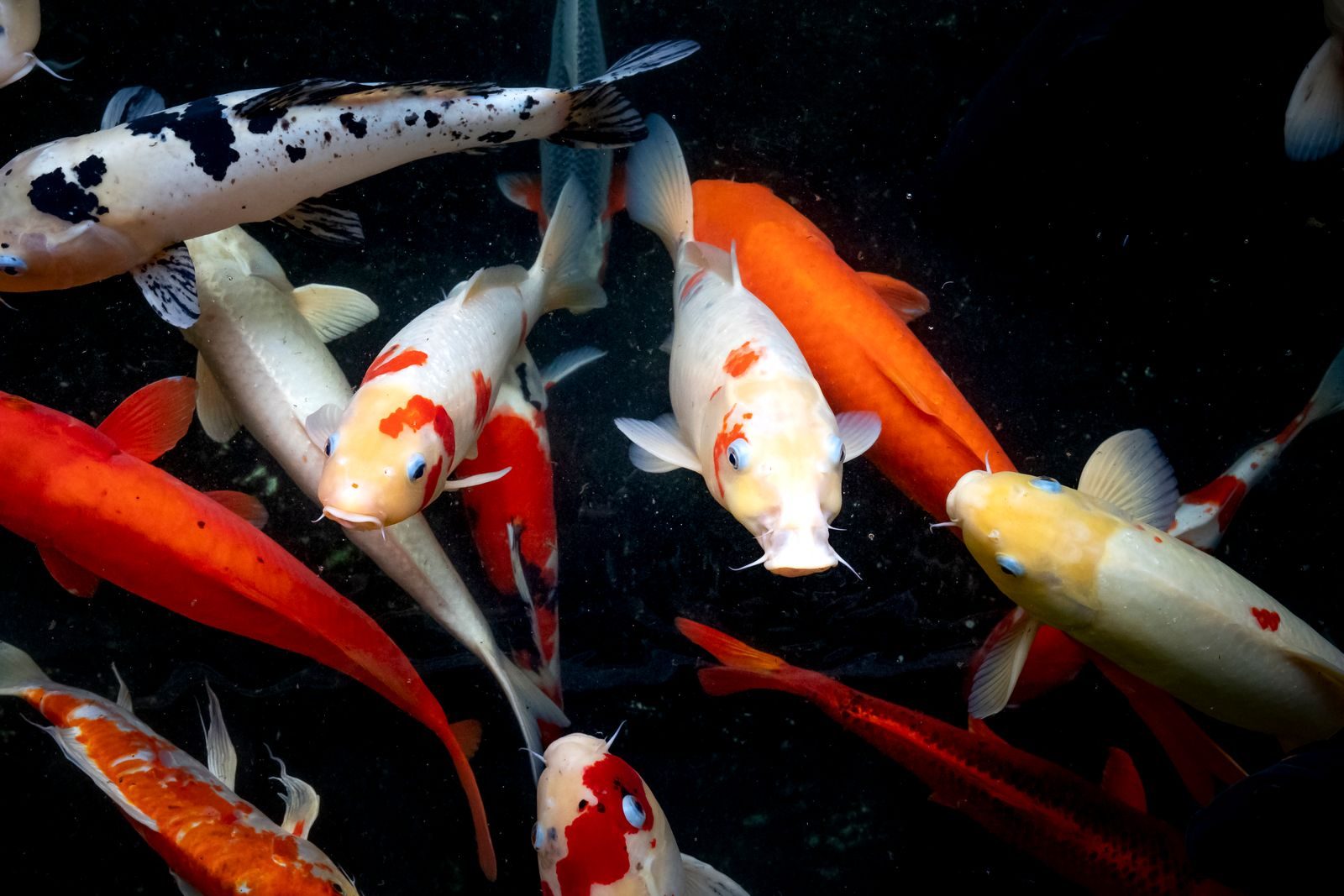
Koi Fish
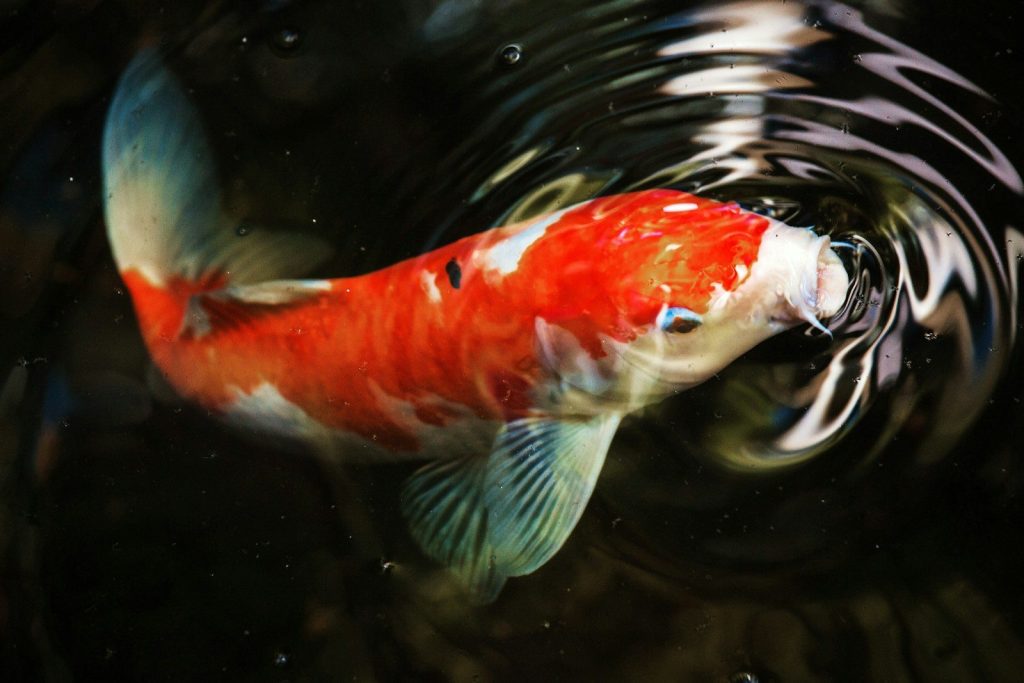
Koi fish are ornamental carp known for their beauty and long life. Some are reported to live over 200 years under ideal conditions.
Their lifespan depends heavily on water quality, diet, and care. They are often seen as symbols of longevity in many cultures.