For most living creatures, water is essential for survival. However, some animals have evolved extraordinary adaptations that allow them to live in some of the harshest, driest environments on Earth. Instead of relying on rivers, lakes, or rainfall, these species obtain moisture from their food, harvest water from the air, or conserve every drop their bodies produce.
These remarkable survival strategies have enabled them to flourish in deserts and arid regions where many other animals could not survive. Here are some fascinating species that have mastered life with little or no drinking water.
Addax Antelope Can Live for Months Without Drinking
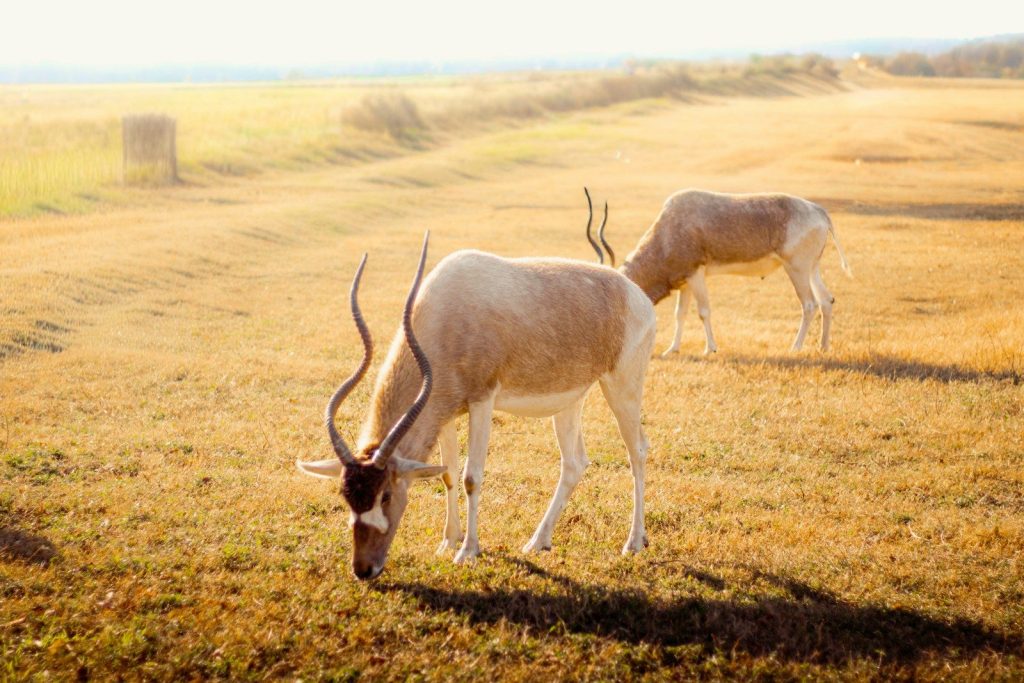
The addax is one of the world’s most drought-resistant mammals. Native to the Sahara Desert, this critically endangered antelope survives by feeding on desert grasses, herbs, and shrubs that contain small amounts of moisture.
Its light-colored coat reflects sunlight, while its body conserves water exceptionally well. During long dry seasons, an addax may go for months without finding a water source.
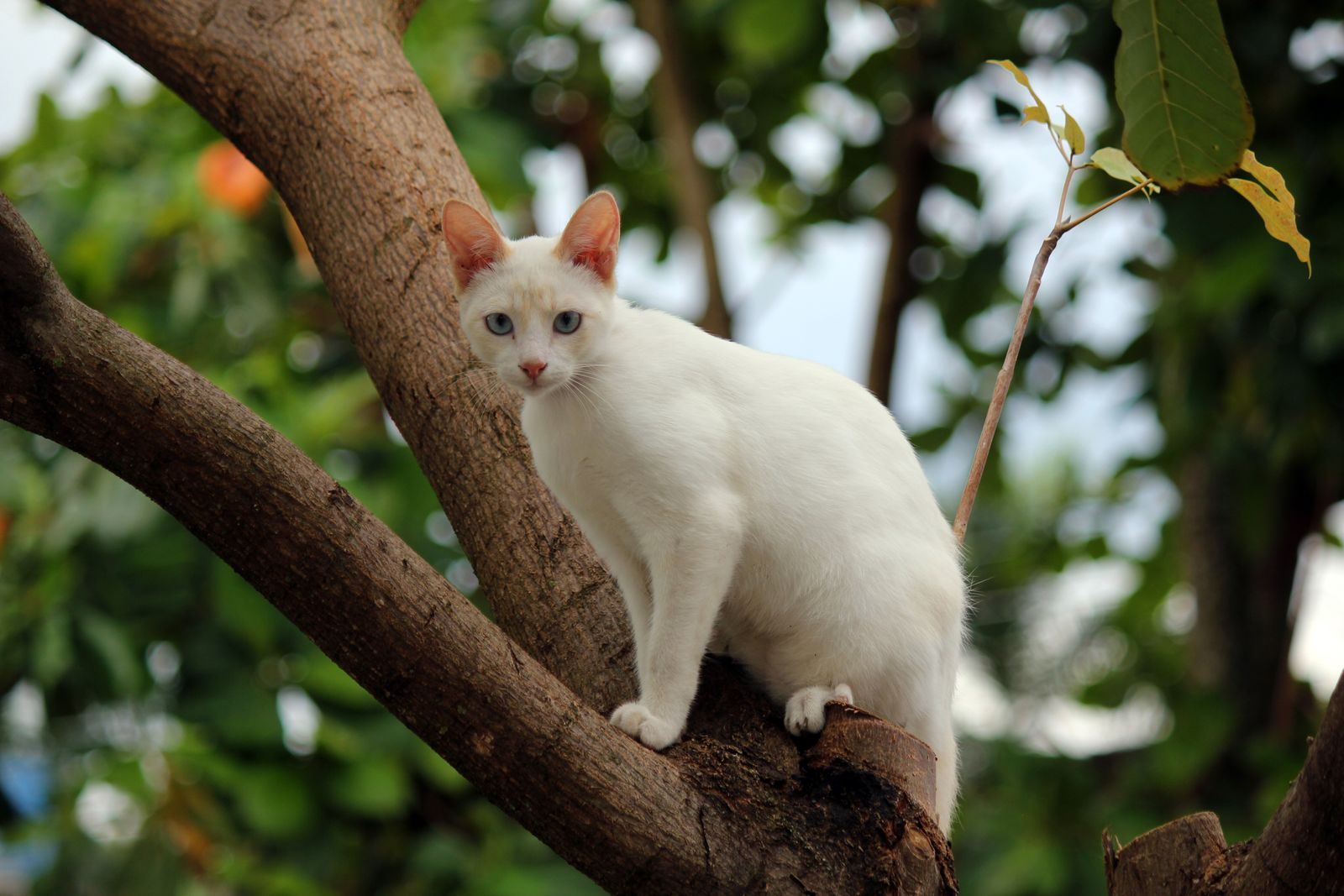
Sand Cats Get Nearly All Their Water from Prey
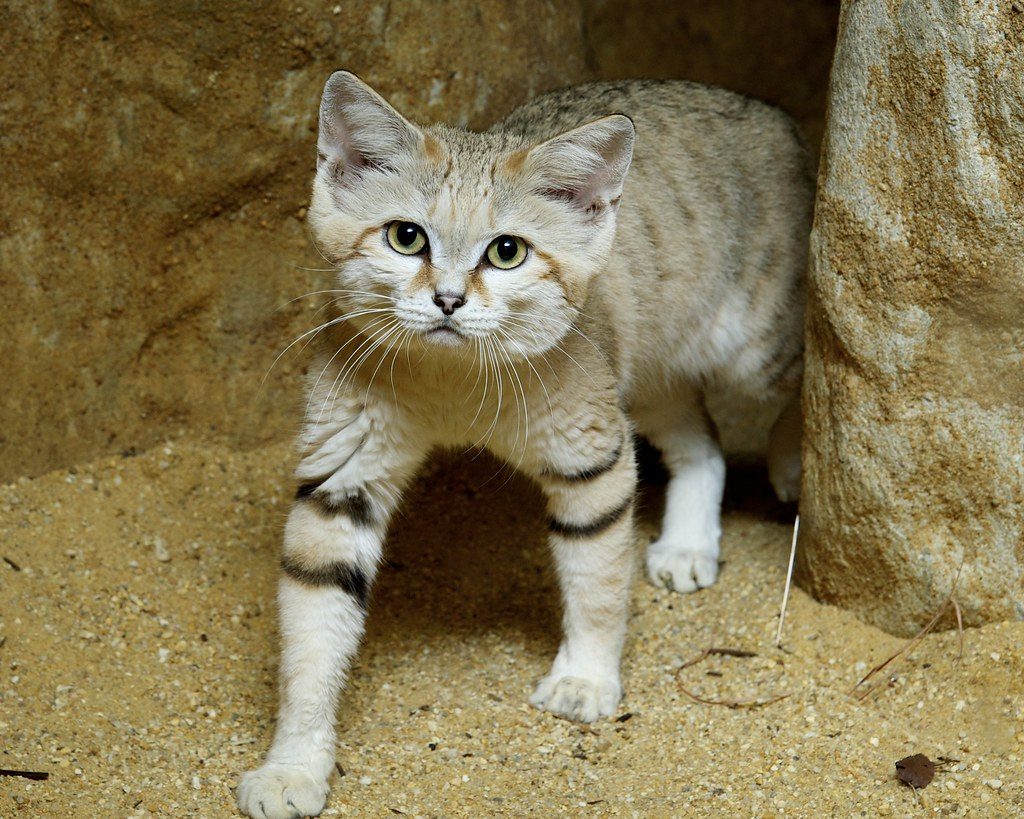
Sand cats inhabit some of the hottest deserts in North Africa, the Middle East, and Central Asia. Rather than seeking waterholes, they obtain almost all of their hydration by eating rodents, birds, insects, and reptiles.
These elusive wild cats spend daylight hours resting in burrows and become active after sunset, helping them avoid the intense desert heat.
Namib Desert Beetles Harvest Water From Fog
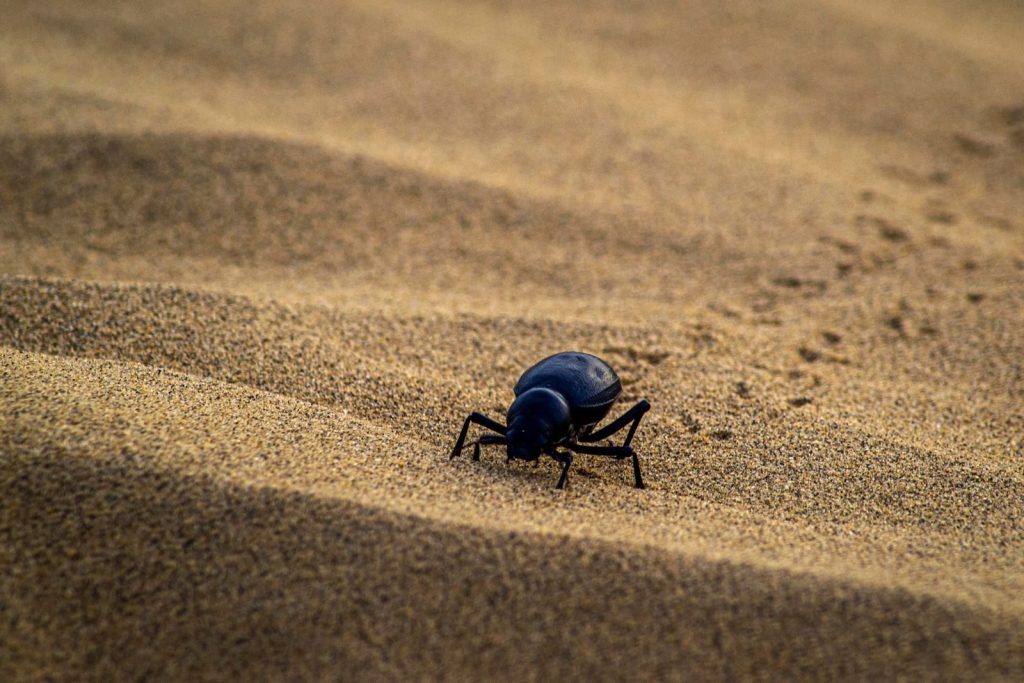
One of nature’s most ingenious survival experts is the Namib Desert beetle. Living in one of the driest places on Earth, it collects tiny droplets of fog on the textured surface of its shell.
As the droplets grow larger, they roll directly into the beetle’s mouth, providing enough moisture to survive even when rainfall is almost nonexistent.
Jerboas Beat the Heat at Night
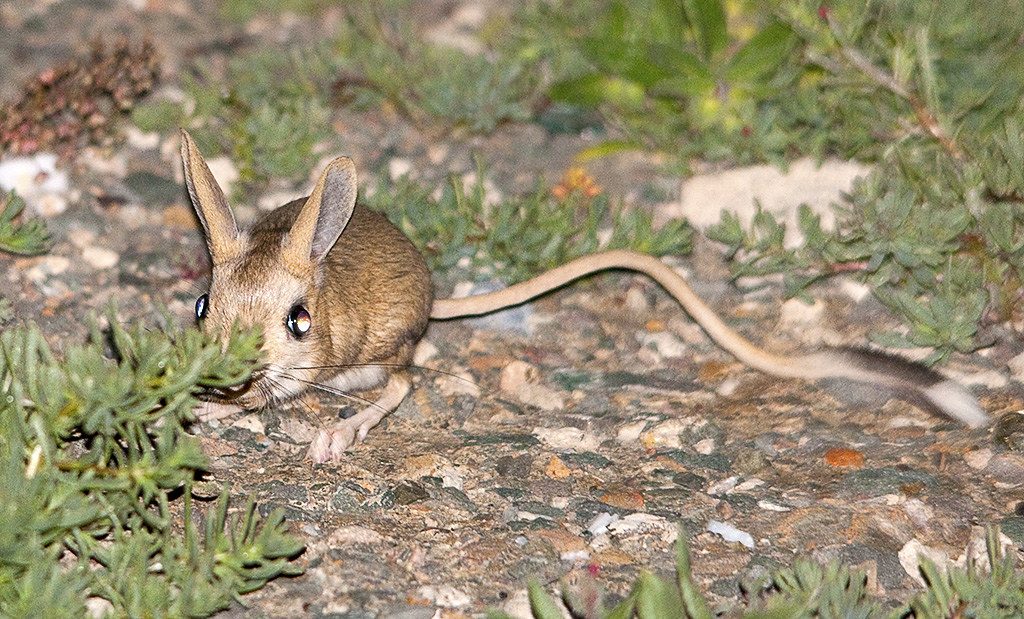
Jerboas are small hopping rodents found across deserts in North Africa and Asia. They spend the hottest part of the day inside underground burrows, where temperatures remain much cooler.
By feeding on dry seeds, roots, and vegetation at night, they obtain enough metabolic water to survive without regularly drinking.
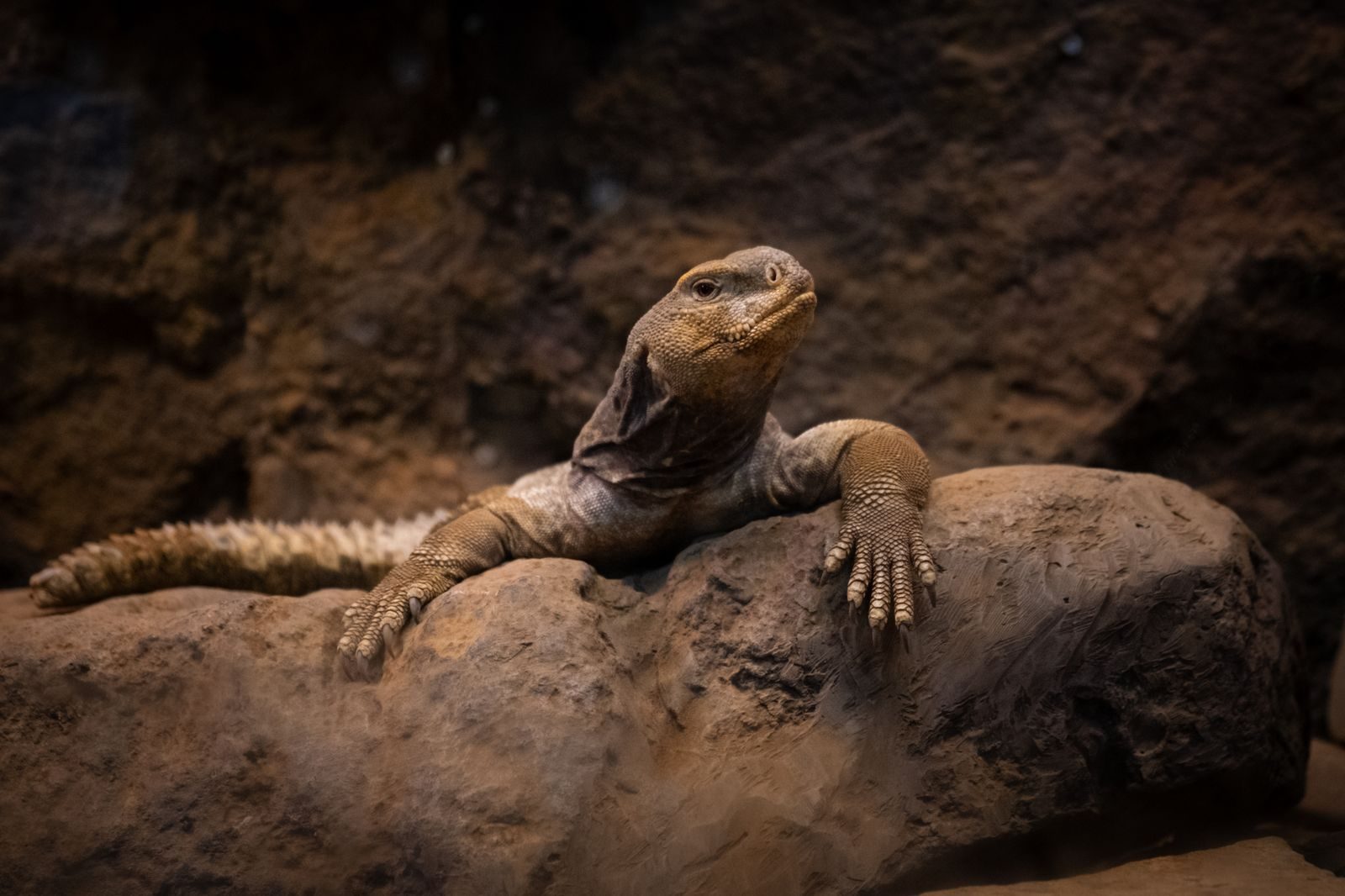
Chuckwallas Depend on Desert Plants
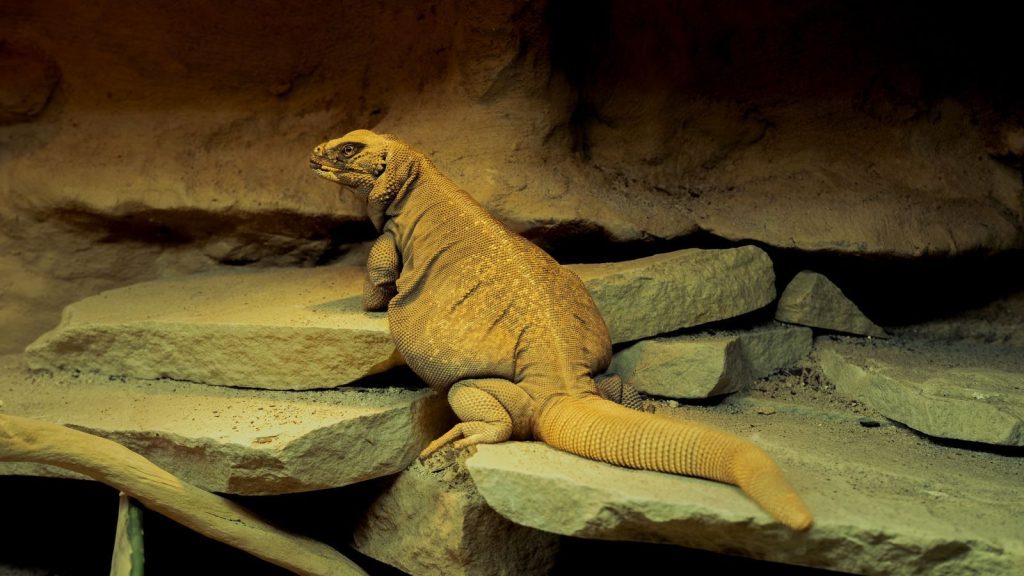
Chuckwallas are large desert lizards native to the southwestern United States and Mexico. They feed primarily on leaves, flowers, and fruits from drought-resistant plants.
The moisture stored within these plants supplies much of their hydration, while their slow metabolism helps minimize water loss.
Roadrunners Find Water in Their Food
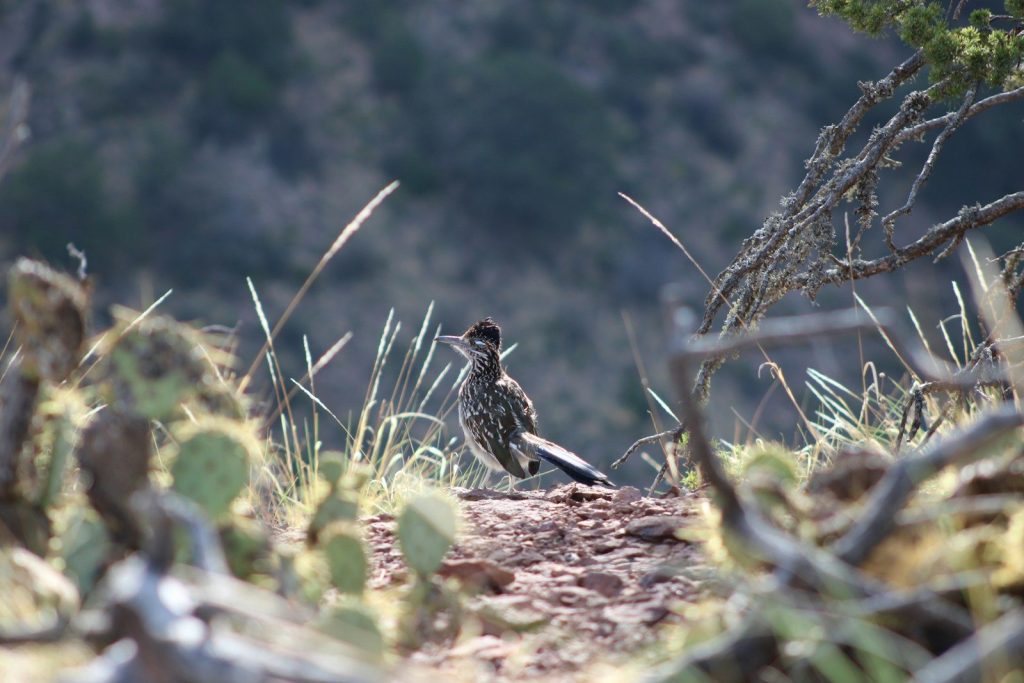
Made famous by cartoons, roadrunners are actually highly adapted desert birds. They eat insects, snakes, lizards, rodents, and cactus fruits, extracting much of the moisture they need from their meals.
Specialized nasal glands also help reduce water loss during breathing, making them well suited to life in arid landscapes.