Elephants are among the most extraordinary animals on Earth. As the largest living land mammals, they are known for their intelligence, strong family bonds, and remarkable adaptability. Found across parts of Africa and Asia, elephants play a vital role in maintaining healthy ecosystems by shaping forests, creating water access for other animals, and dispersing seeds. Despite their immense size, they display gentle social behaviors and complex communication, making them one of the most studied and admired species in the animal kingdom.
There Are Three Living Elephant Species
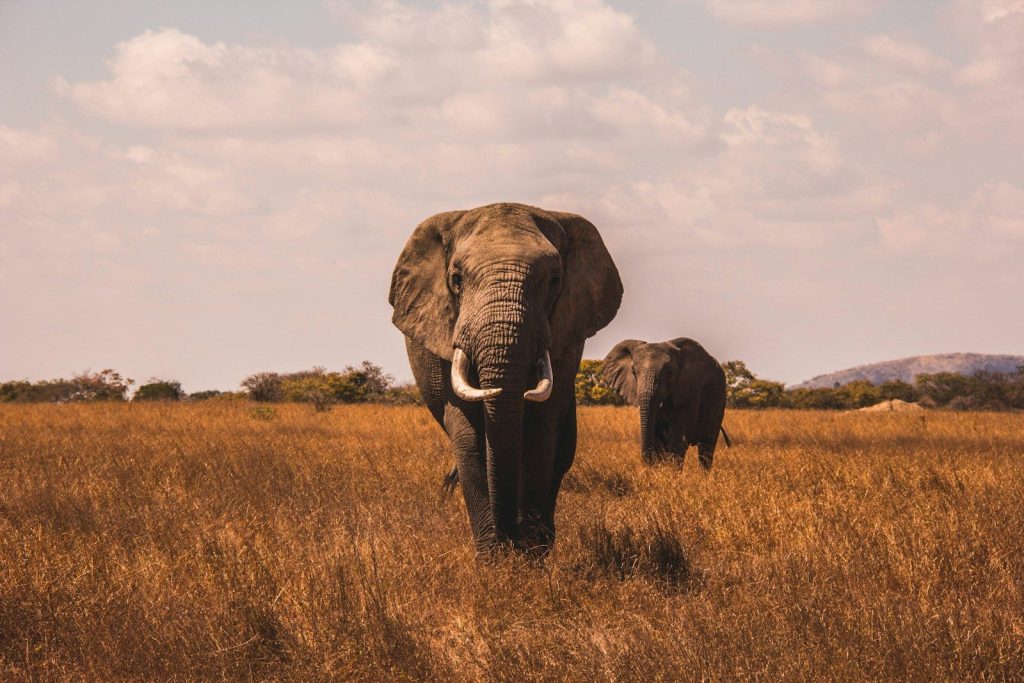
Many people think there are only African and Asian elephants, but scientists recognize three living species: the African savanna elephant, the African forest elephant, and the Asian elephant. African savanna elephants are the largest, while forest elephants are smaller and adapted to dense rainforests.
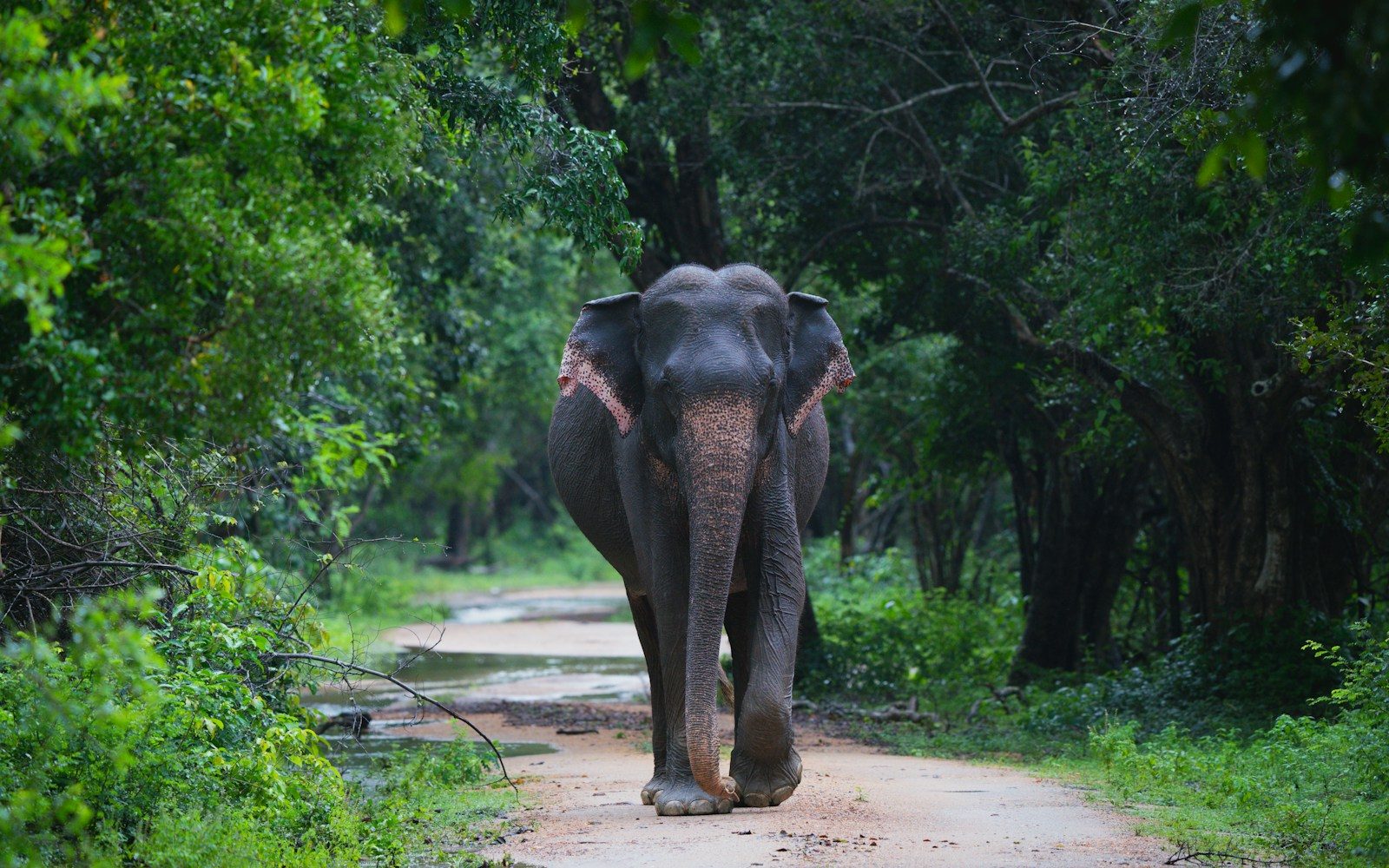
Asian elephants differ from their African relatives in several ways, including having smaller, rounded ears and a single “finger” at the tip of their trunk instead of two.
Their Trunks Are Incredible Multi-Purpose Tools
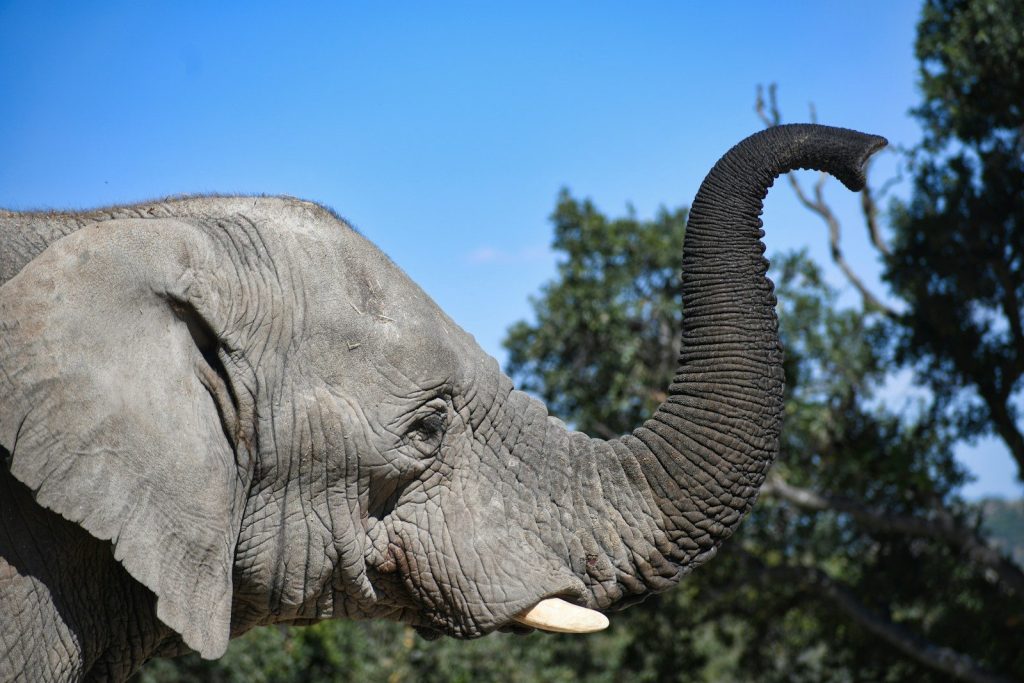
An elephant’s trunk is one of the most versatile body parts in the animal kingdom. It contains thousands of muscle bundles that allow it to perform both delicate and powerful tasks, from picking up a single blade of grass to lifting heavy logs.
Elephants use their trunks to breathe, smell, drink, communicate, shower themselves with water or dust, and even greet one another. They can also use the trunk like a snorkel when crossing deep water.
They Live in Strong Family Groups
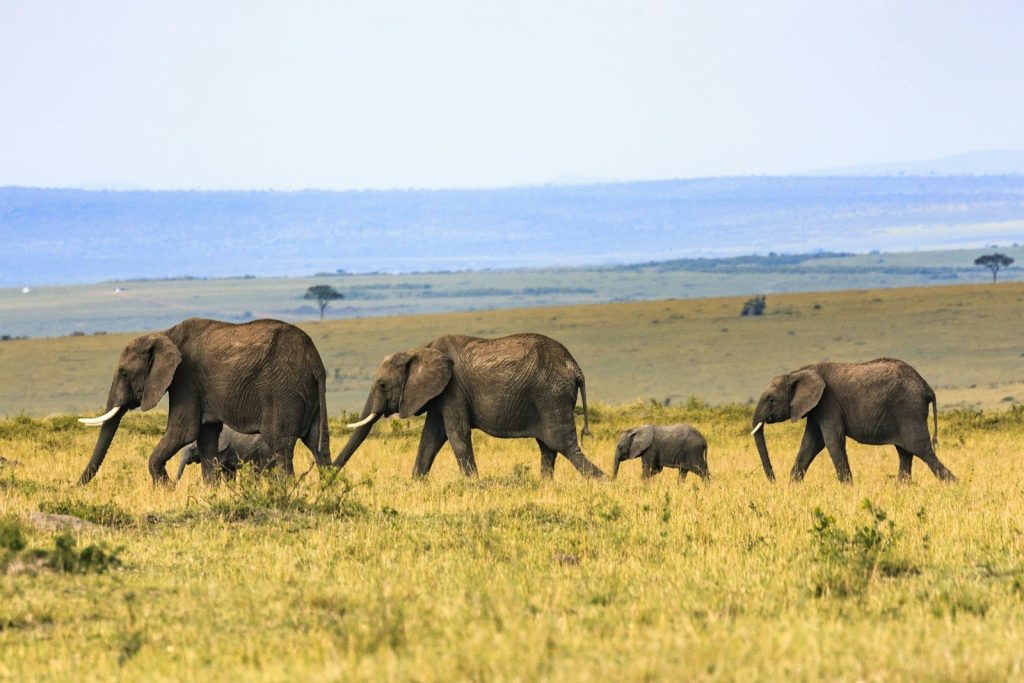
Elephants are highly social animals that typically live in herds led by the oldest and most experienced female, known as the matriarch. She guides the group to food and water while helping protect younger members.
Females remain with their family for life, while males usually leave the herd as they mature. Herd members cooperate to care for calves and often work together to defend one another from danger.
They Have Excellent Memories
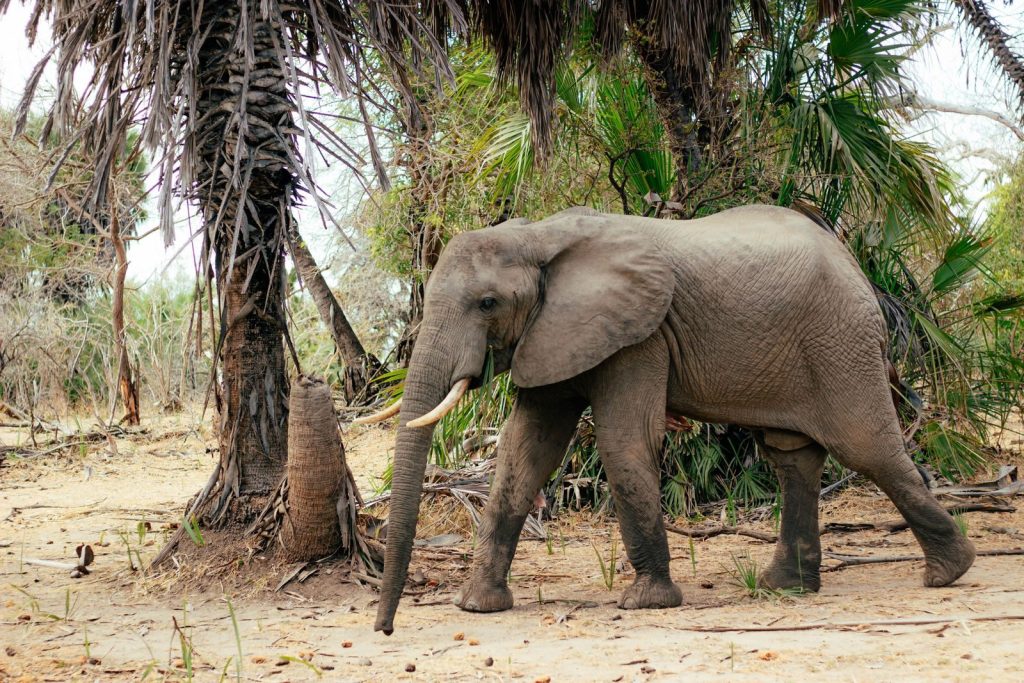
The phrase “an elephant never forgets” has some truth behind it. Elephants possess large, highly developed brains and can remember migration routes, water sources, and other elephants for many years.
Their remarkable memory is especially valuable during droughts, when experienced matriarchs can lead their herds to distant water supplies that younger elephants have never seen before.
Elephants Help Shape Entire Ecosystems
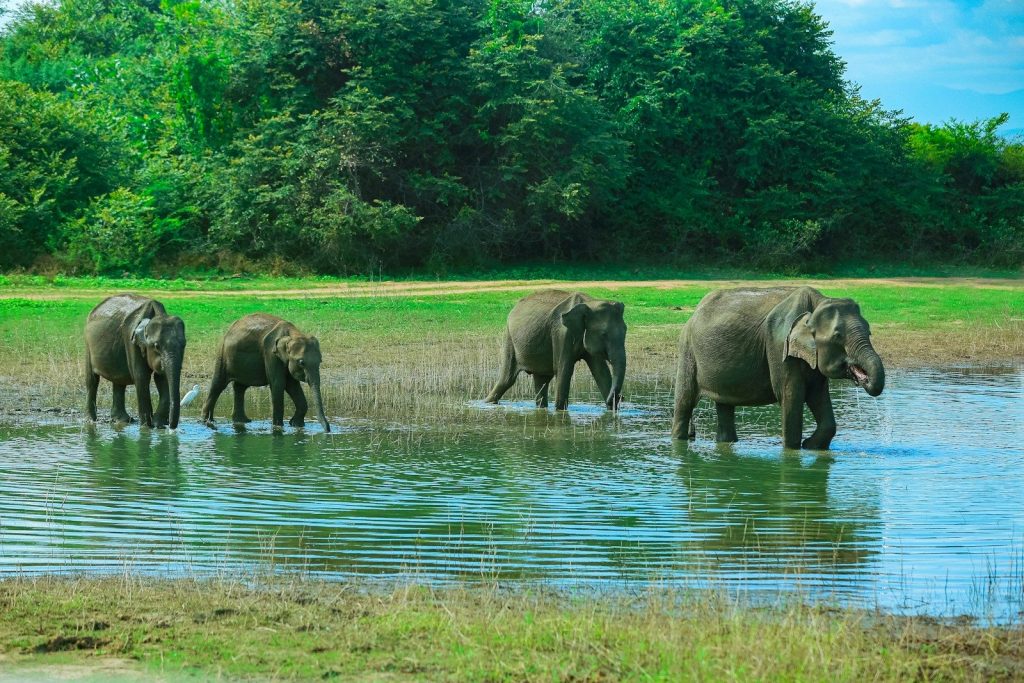
Elephants are often called “ecosystem engineers” because their daily activities benefit countless other species. As they move through forests and grasslands, they spread seeds in their dung, helping plants grow across large areas.
They also create clear pathways through dense vegetation and dig for underground water during dry seasons, providing access for many smaller animals that share their habitat.
They Face Serious Conservation Challenges
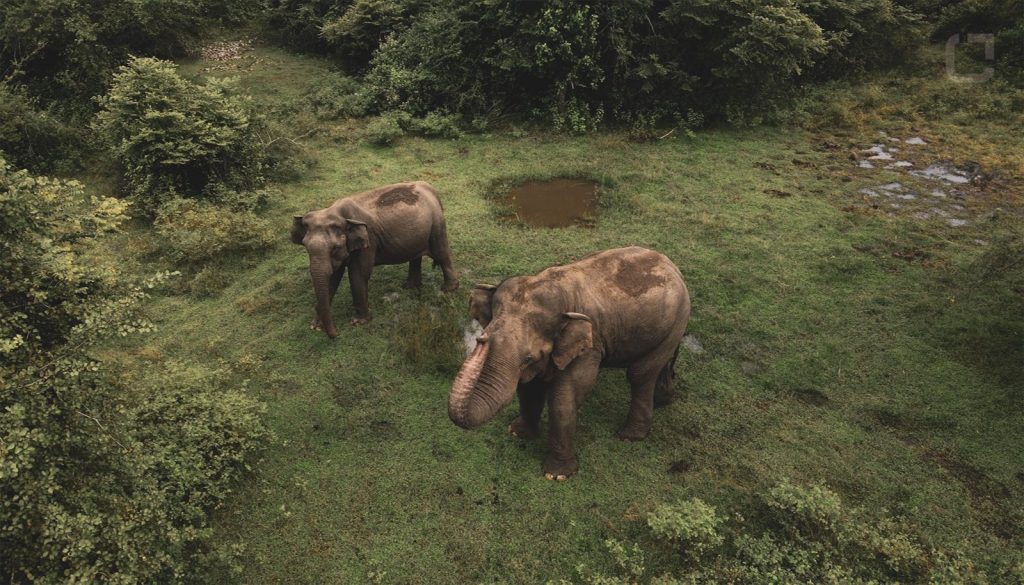
Although elephants remain iconic wildlife species, many populations continue to face significant threats. Habitat loss, illegal ivory poaching, and conflicts with expanding human settlements have contributed to declining numbers in several regions.
Conservation organizations are working to protect elephant habitats, reduce poaching, and promote peaceful coexistence between people and elephants. Supporting these efforts is essential to ensure future generations can continue to see these remarkable giants in the wild.