Choosing the right cat involves more than falling in love with a particular appearance. Veterinarians often encourage prospective owners to consider a breed’s overall health, temperament, grooming needs, and genetic predisposition to certain conditions. While every individual cat is unique, some breeds are generally considered easier to care for, while others may require more attention due to inherited health issues or specialized care.
Recommended: American Shorthair
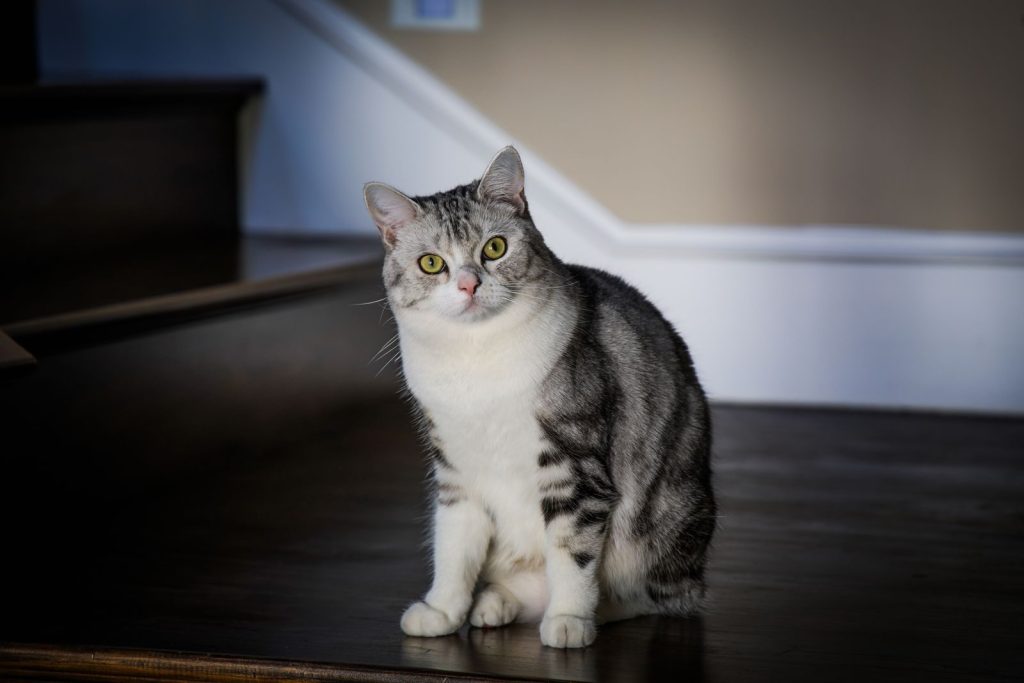
The American Shorthair is widely appreciated for its robust health and adaptable nature. These cats are friendly without being overly demanding, making them a good fit for families, singles, and seniors alike.
Their short coat requires minimal grooming, and responsible breeding has helped the breed maintain relatively few inherited health problems compared with many purebred cats.
Recommended: Domestic Shorthair
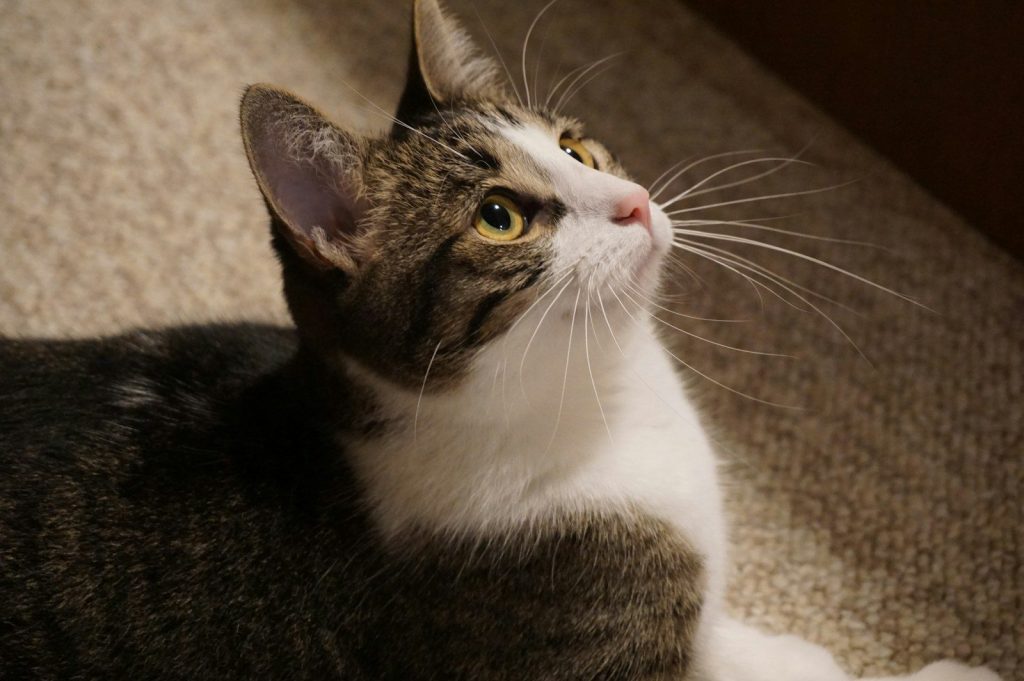
Although not a specific breed, Domestic Shorthairs are among the healthiest cats veterinarians see. Their diverse genetic background often reduces the risk of many inherited conditions associated with selective breeding.
These cats come in countless colors and personalities, making them wonderful companions for households looking for an affectionate, low-maintenance pet.
Recommended: Burmese
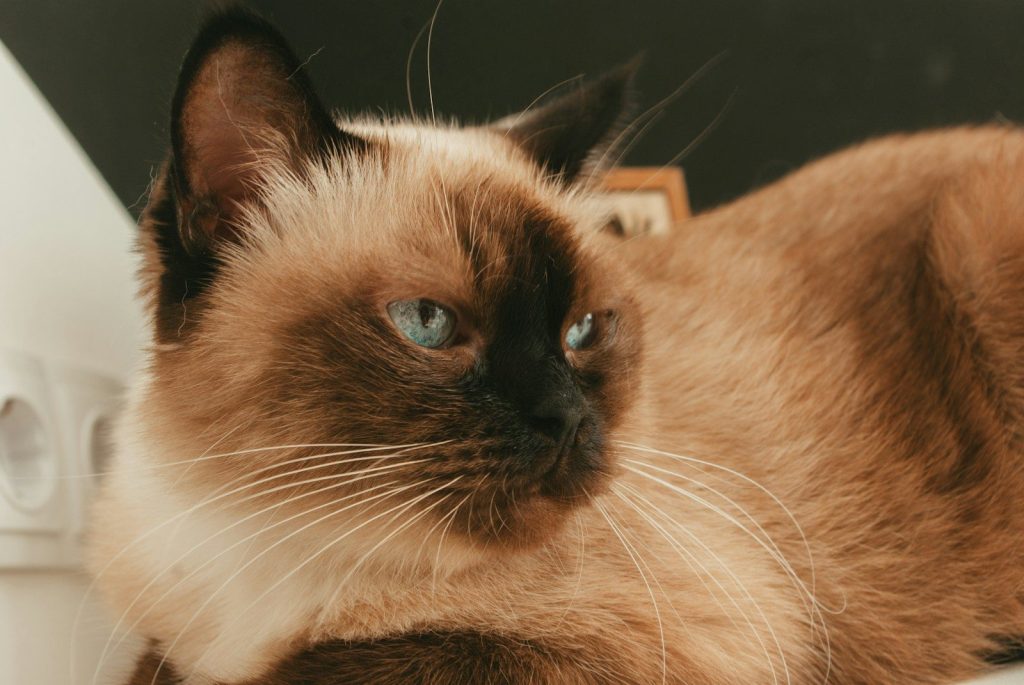
Burmese cats are known for their affectionate personalities and strong bonds with their owners. They enjoy interacting with people and are often described as playful well into adulthood.
When obtained from responsible breeders who perform health screenings, Burmese cats can be healthy companions that adapt well to indoor living.
Research Carefully: Persian
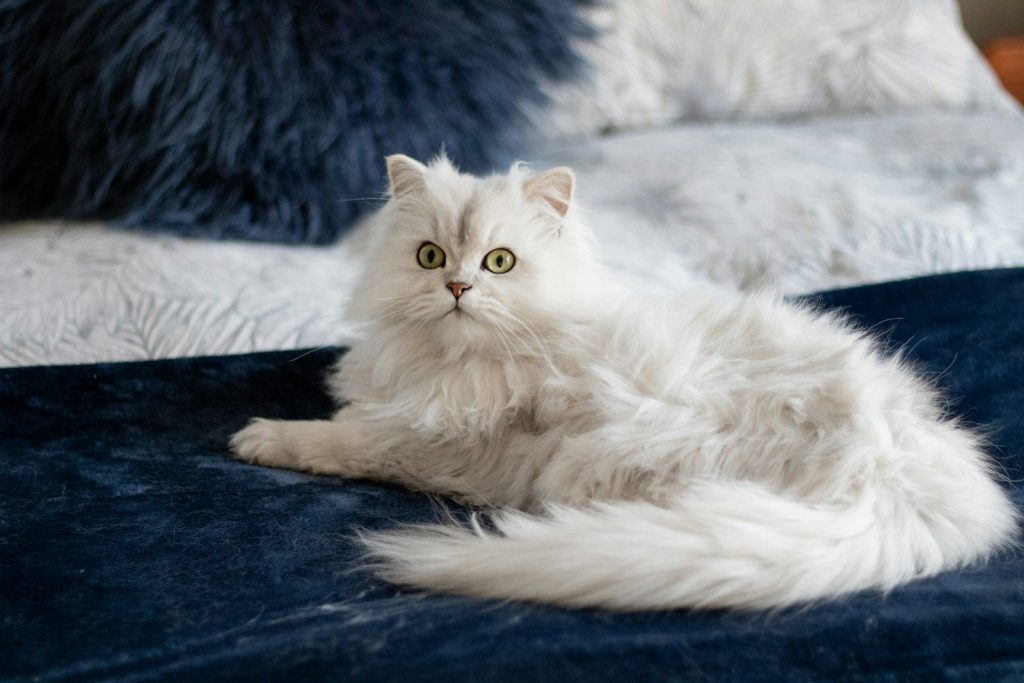
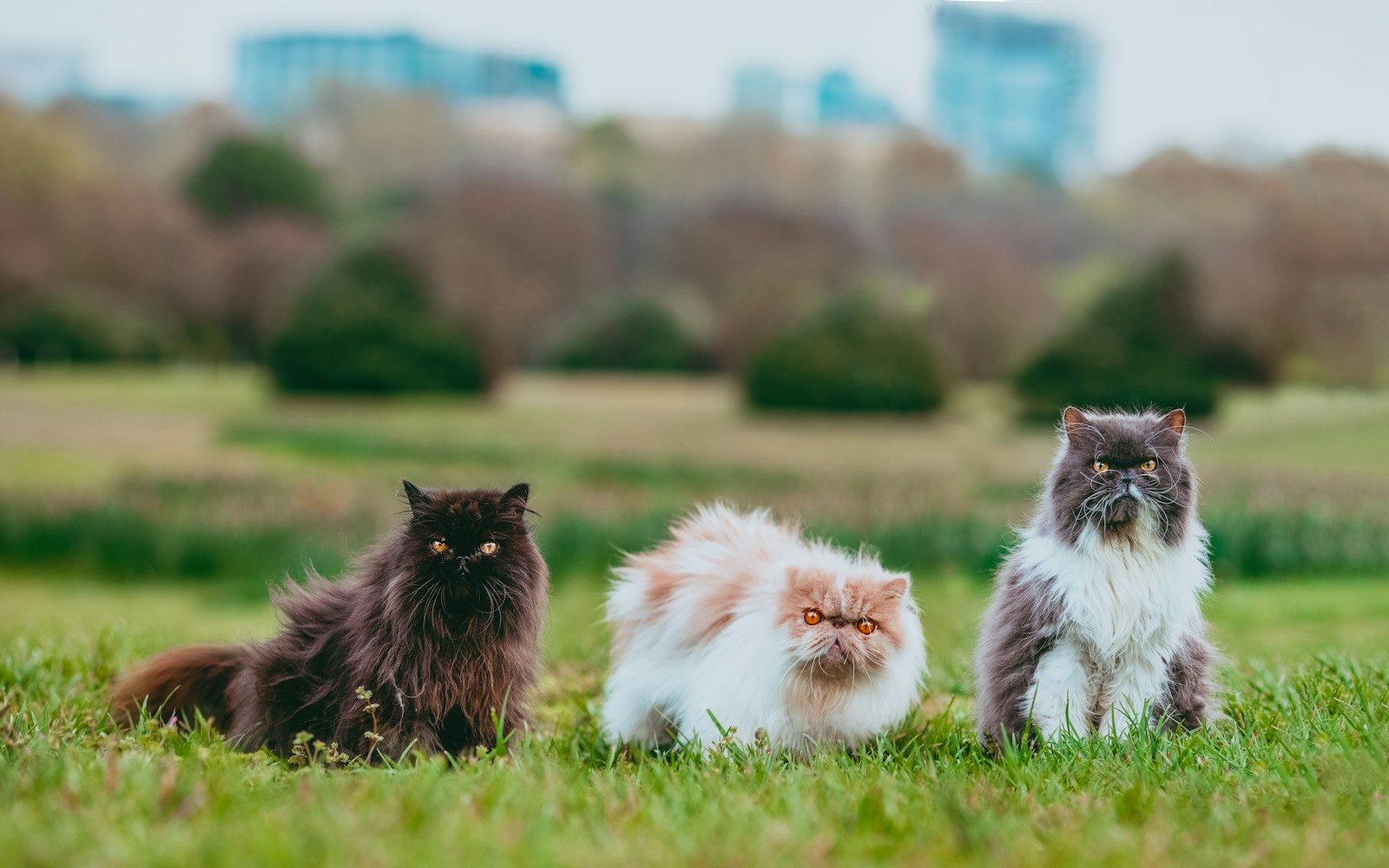
Persian cats are admired for their luxurious coats and calm temperament, but they require significant daily grooming to prevent painful mats and skin problems.
Their flat-faced anatomy can also contribute to breathing difficulties, tear staining, and dental issues, making regular veterinary care especially important.
Research Carefully: Scottish Fold
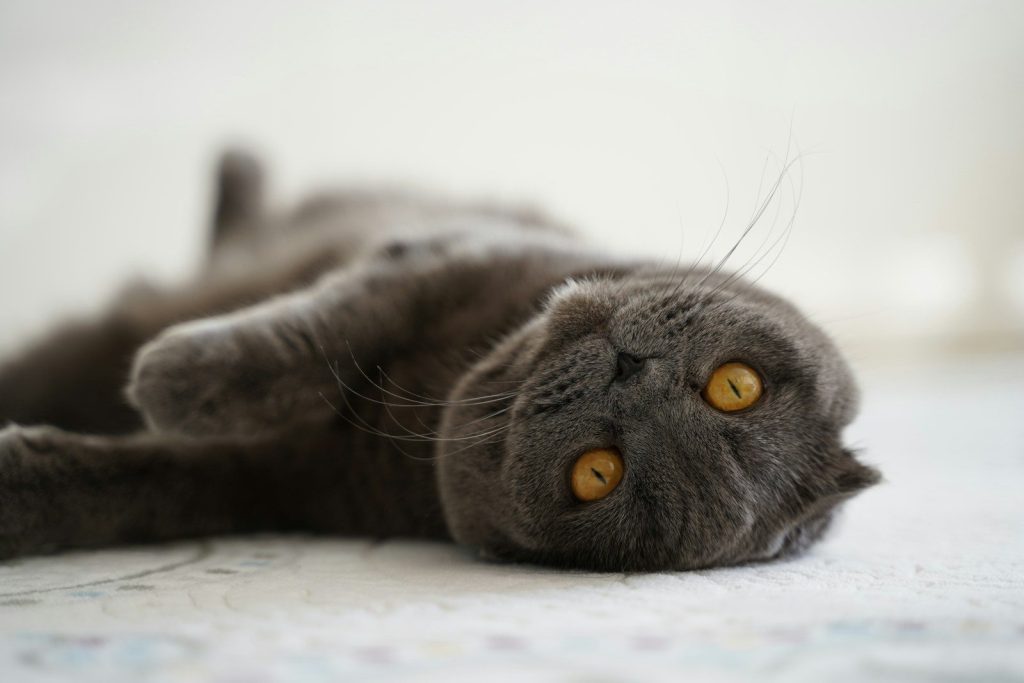
Scottish Folds are famous for their folded ears, but this distinctive feature is linked to a genetic mutation that affects cartilage throughout the body.
Many Scottish Folds develop painful joint and bone disorders as they age, which is why many veterinarians encourage prospective owners to carefully consider the breed’s long-term welfare before adopting one.
Research Carefully: Exotic Shorthair
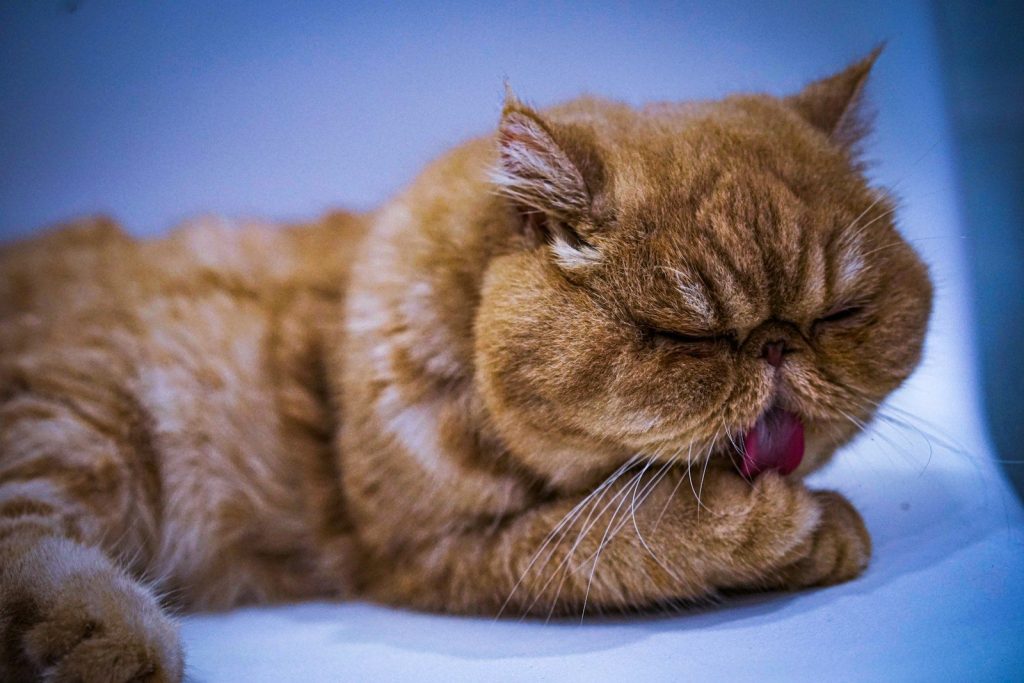
Often described as a short-haired version of the Persian, the Exotic Shorthair shares many of the same facial features and, unfortunately, many of the same health concerns.
Their shortened muzzle may contribute to breathing, eye, and dental problems. While they can make loving companions, owners should be prepared for potential medical expenses and regular veterinary monitoring throughout the cat’s life.