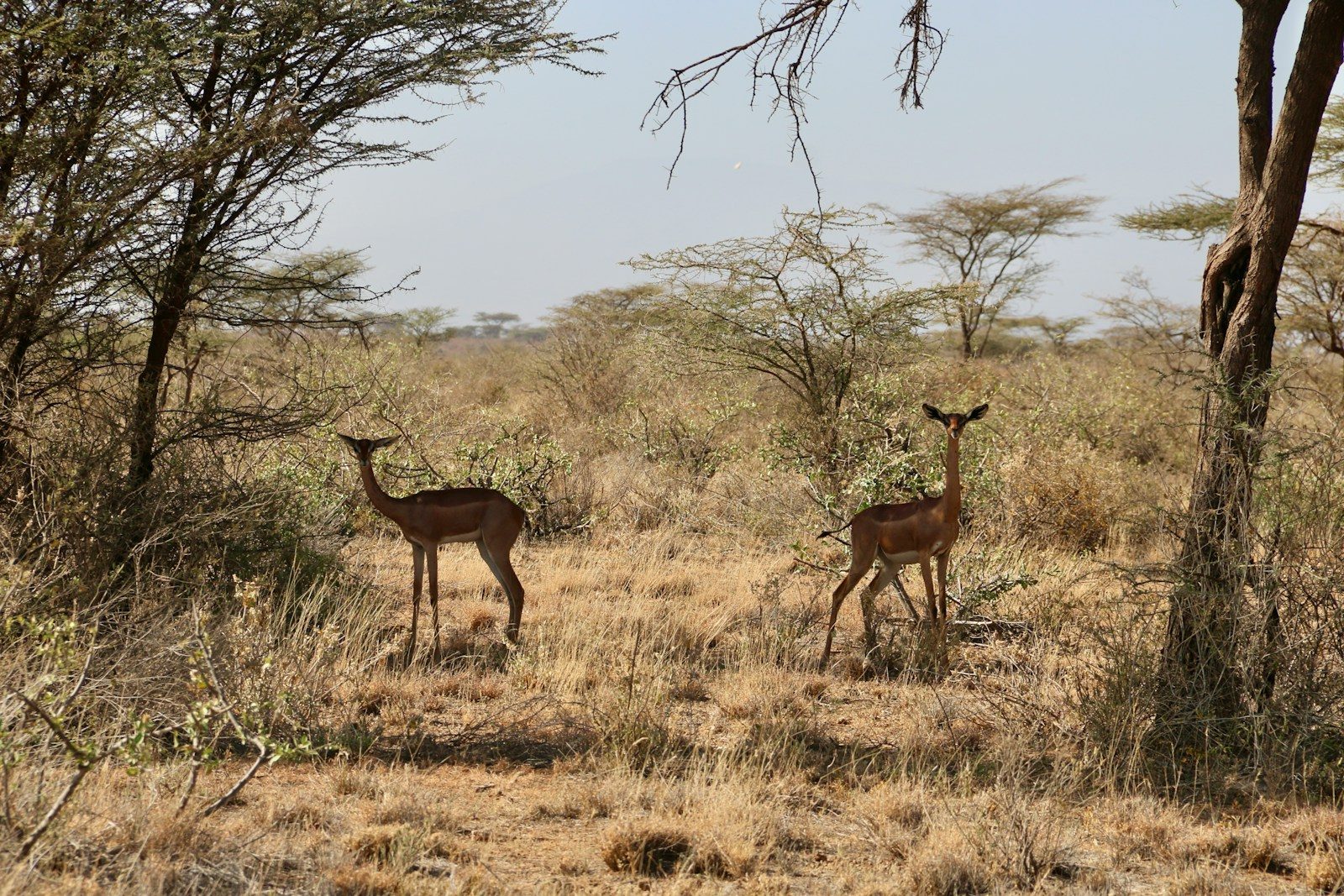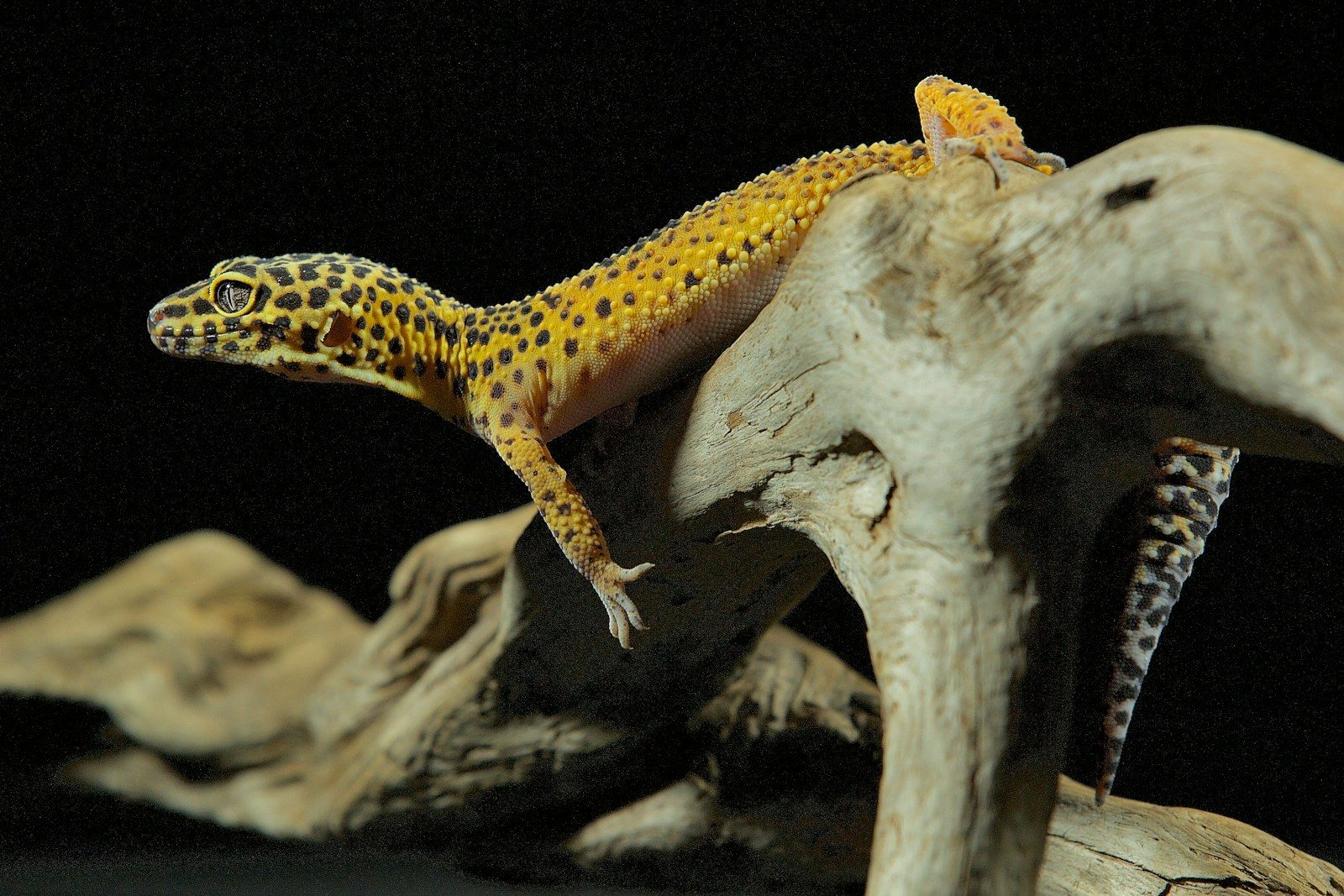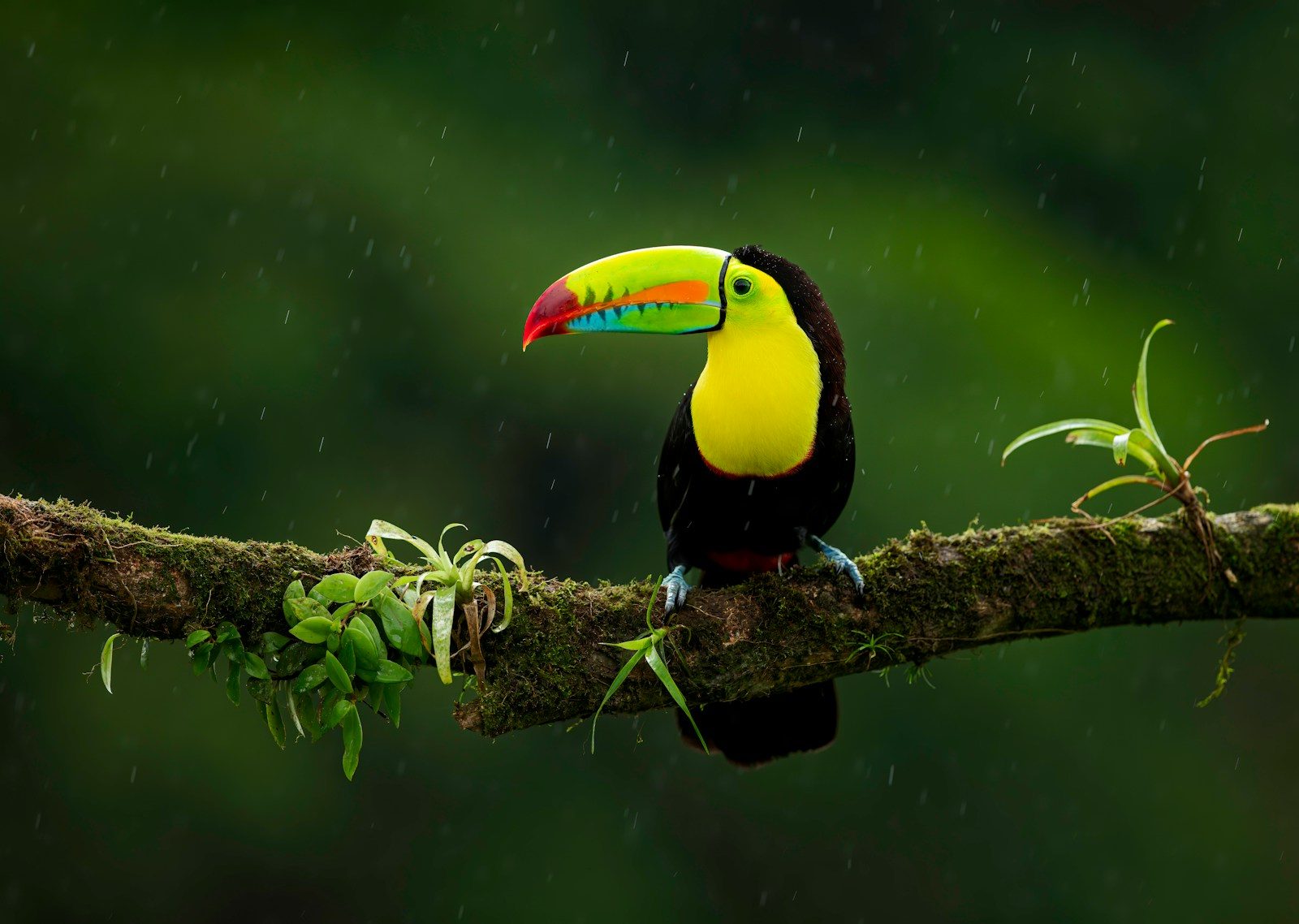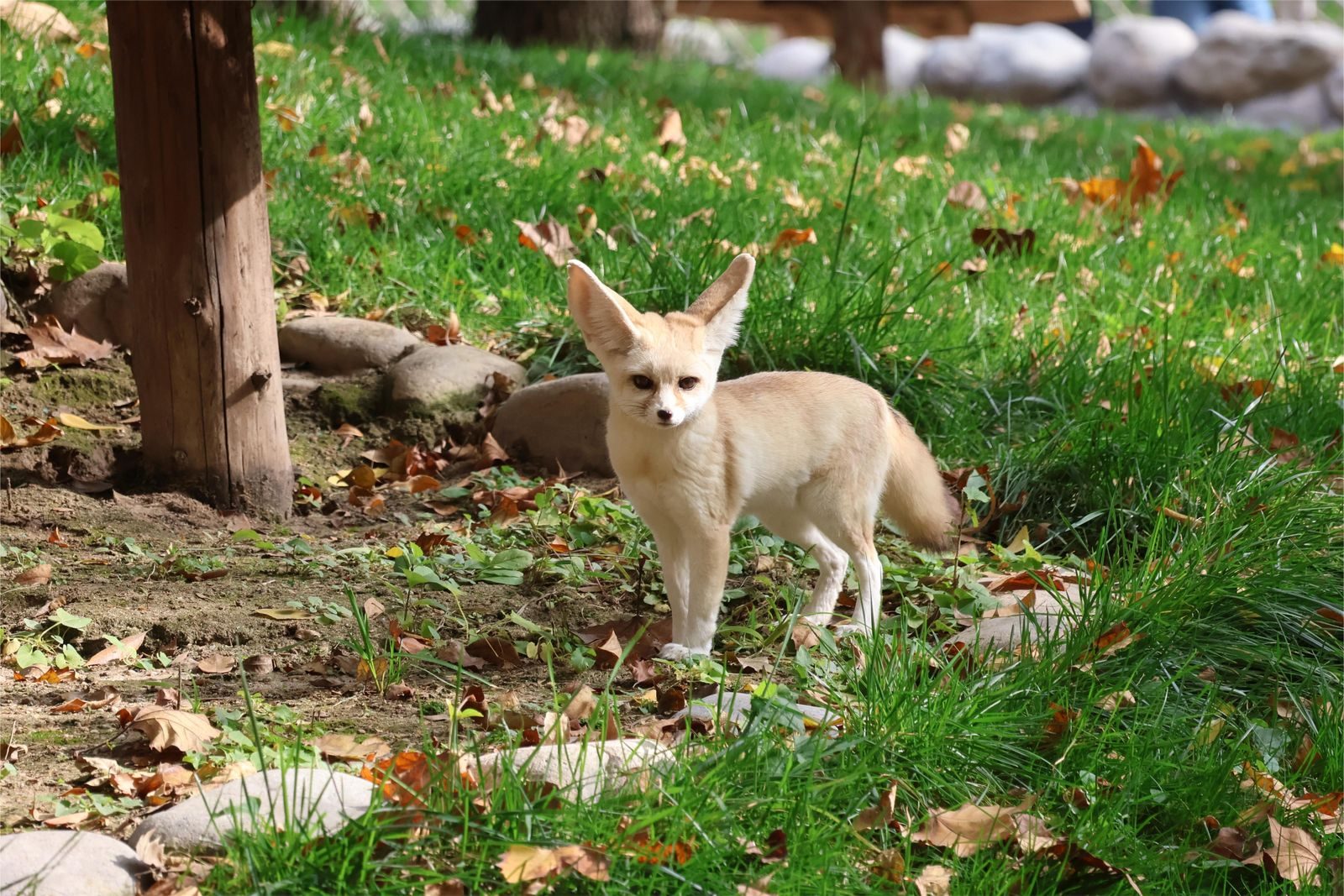
Exotic pets may seem fascinating, but owning one is very different from caring for a dog or cat. From specialized diets to legal restrictions, these unusual animals often require far more time, money, and expertise than new owners expect. Before bringing an exotic pet home, it’s important to understand the realities that come with caring for a wild or non-traditional species.
They Have Highly Specialized Care Needs
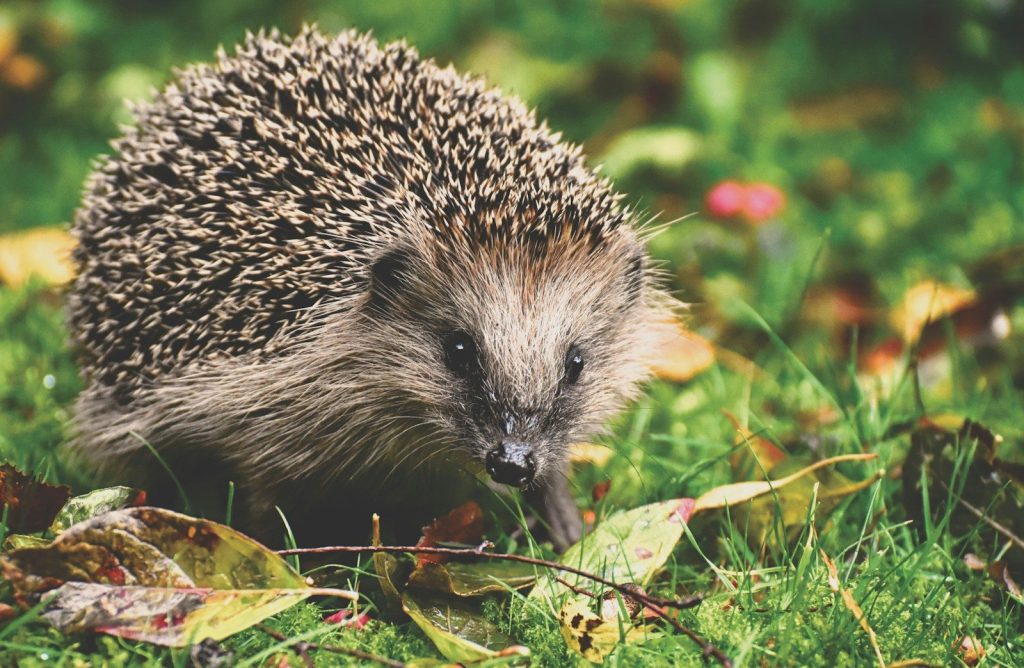
Many exotic animals require precise temperatures, humidity levels, lighting, and diets to stay healthy. A reptile, for example, may need UVB lighting, while certain amphibians require carefully maintained water quality.
Meeting these needs often involves specialized equipment and regular monitoring, making exotic pets far more demanding than many people realize.
Finding Veterinary Care Can Be Difficult
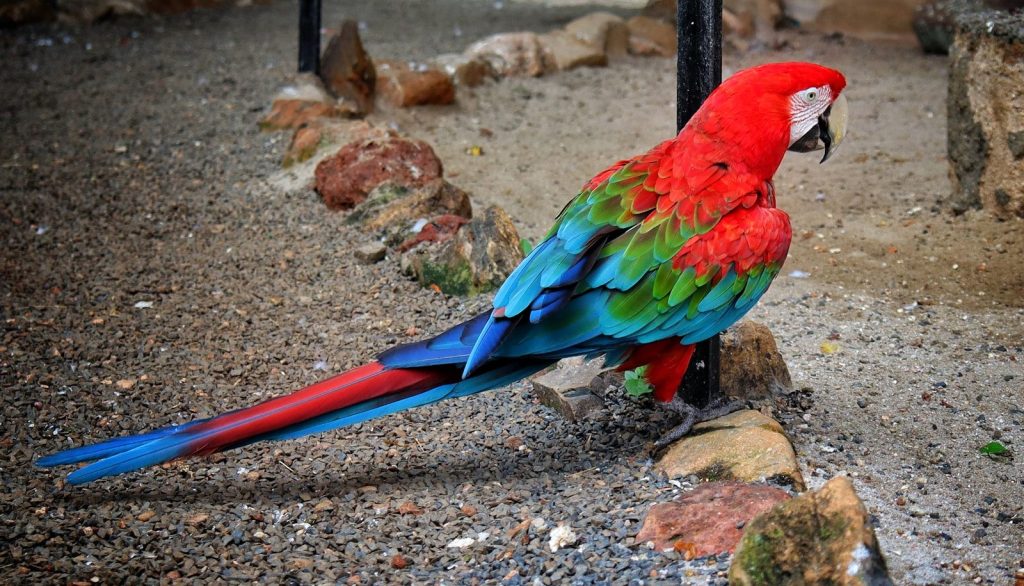
Not every veterinarian is trained to treat exotic animals. Birds, reptiles, amphibians, and unusual mammals often need veterinarians with additional expertise and specialized equipment.
Before adopting an exotic pet, it’s wise to locate an experienced exotic animal veterinarian nearby, as emergency care may not always be easy to access.
Wild Instincts Never Fully Disappear
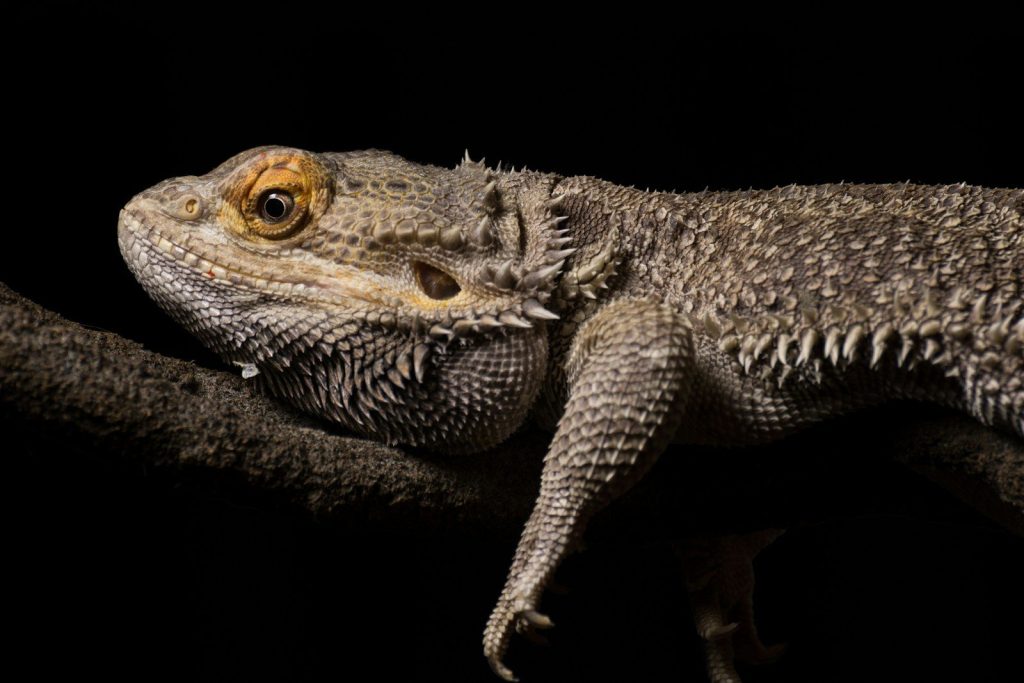
Even animals raised in captivity retain many of their natural behaviors. Some may bite, scratch, spray, or become aggressive when frightened, stressed, or during breeding seasons.
Unlike domesticated pets that have lived alongside humans for thousands of years, exotic animals are generally not bred to thrive in typical household environments.
Ownership Laws Can Change
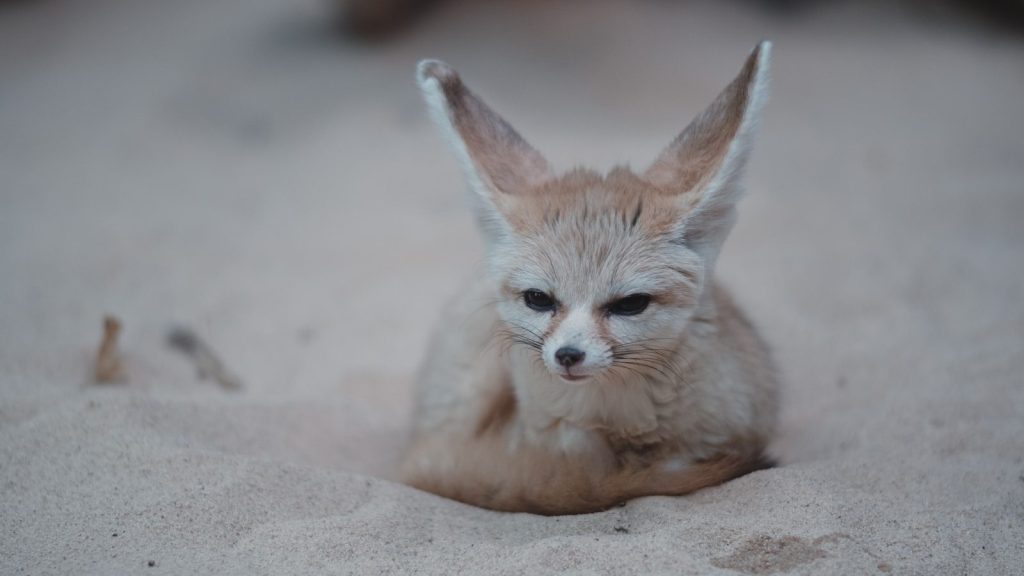
The legality of owning exotic pets varies by country, state, and even local municipality. An animal that is perfectly legal in one area may require permits, or be completely prohibited, in another.
Prospective owners should always research local regulations before acquiring an exotic species to avoid legal complications.
They Can Live Much Longer Than Expected
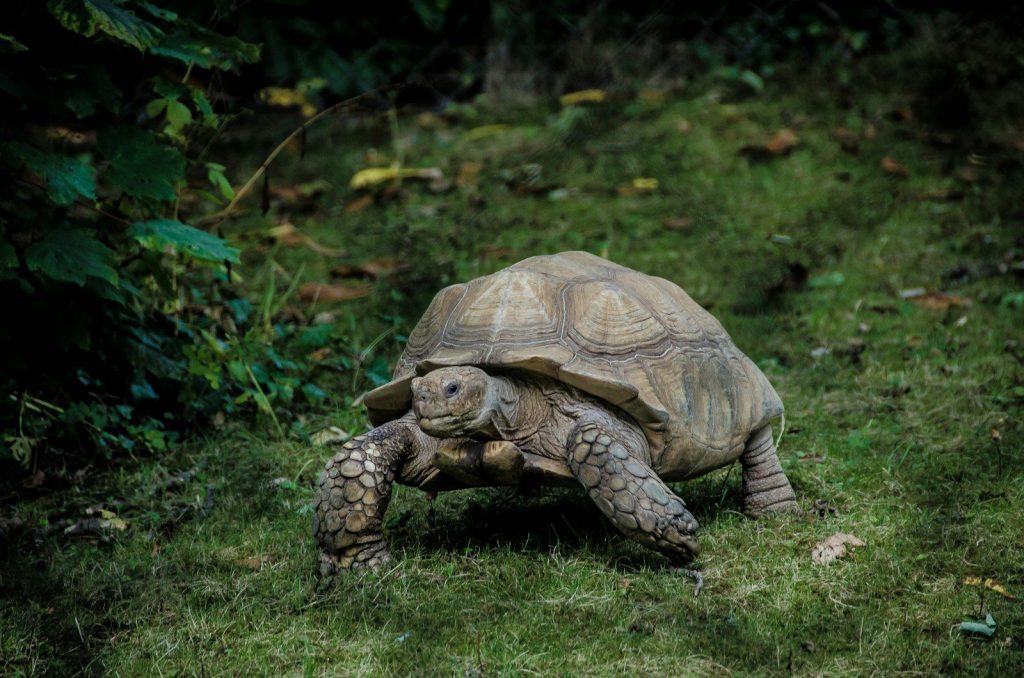
Some parrots, tortoises, and reptiles can live for several decades, with certain species even outliving their owners. While this can be rewarding, it also represents a significant long-term commitment.
Owners should consider future housing, financial costs, and who will care for the animal if circumstances change.
They Need More Than Food and Shelter
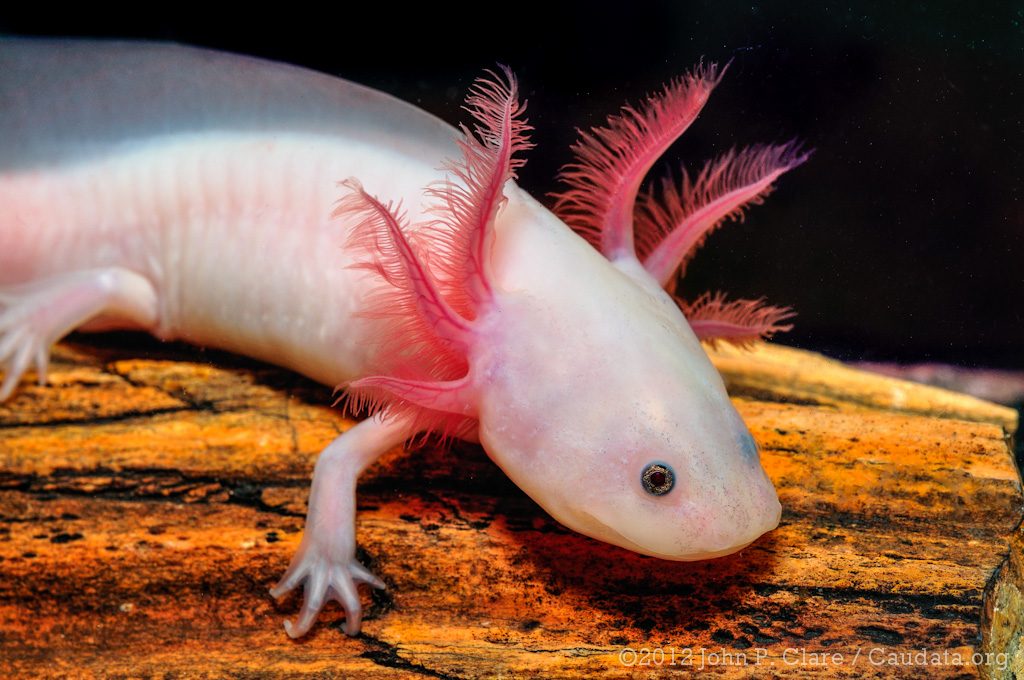
Exotic animals require mental stimulation and opportunities to express their natural behaviors. Climbing, digging, flying, swimming, or hunting instincts don’t disappear simply because an animal lives in captivity.
Without proper enrichment and enough space, many exotic pets can develop stress-related behaviors or health problems. Understanding these needs is essential for providing a good quality of life.