Caring for a disabled pet may require extra patience and planning, but it can also be incredibly rewarding. Whether your pet has limited mobility, vision or hearing loss, or another special need, the right care can help them enjoy a comfortable, active, and fulfilling life. With a few adjustments to your home and routine, you can give your companion the support they deserve.
Create a Safe and Accessible Home

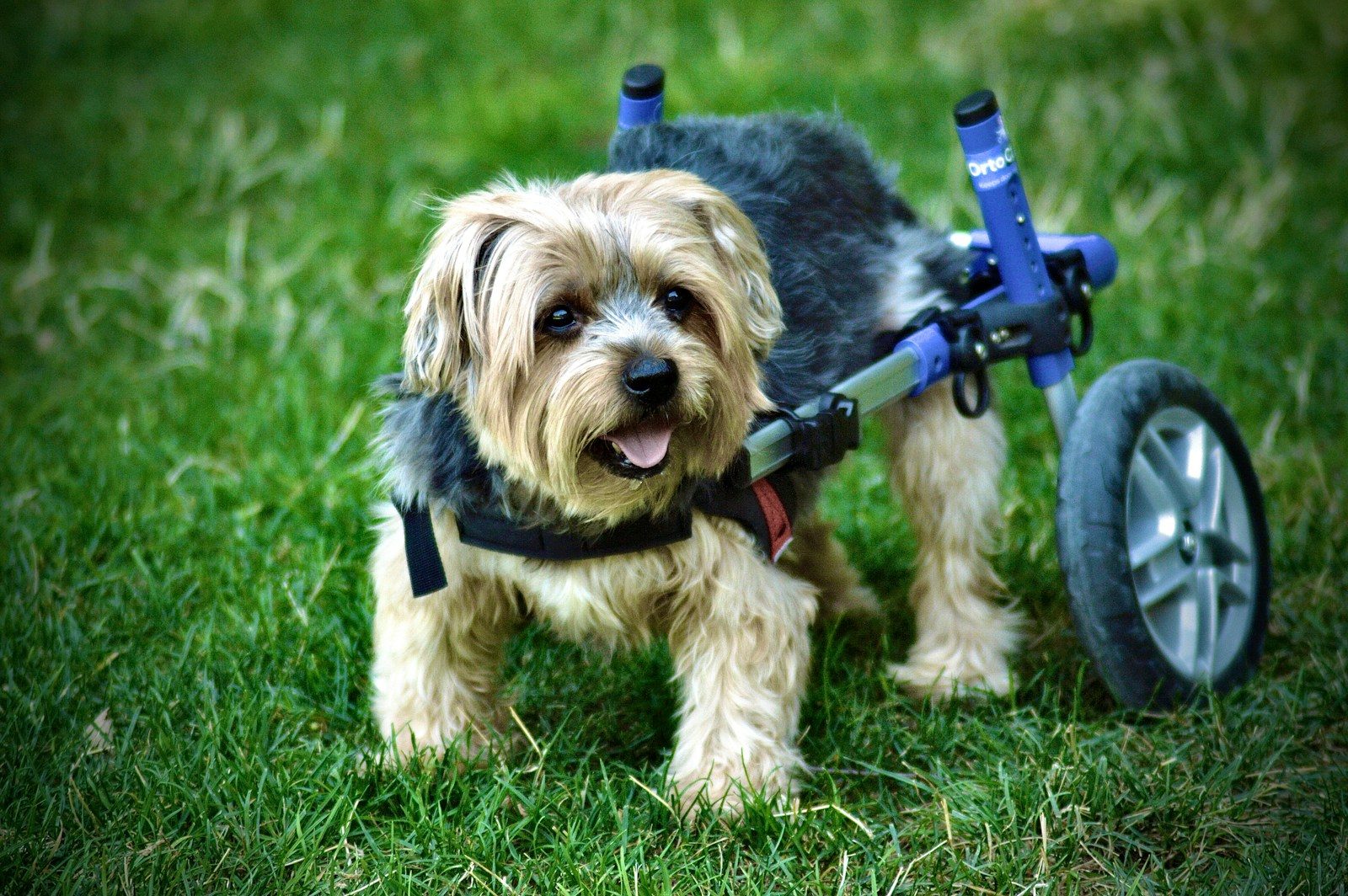
Start by making your home easier for your pet to navigate. Use non-slip rugs on slippery floors, keep walkways free of clutter, and consider ramps to help them reach furniture or climb stairs. If your pet uses a wheelchair or has difficulty moving, ensure there is plenty of space for them to get around safely.
For blind pets, try to keep furniture in the same place so they can memorize the layout. Consistency helps build confidence and reduces the risk of accidents.
Stick to a Consistent Routine
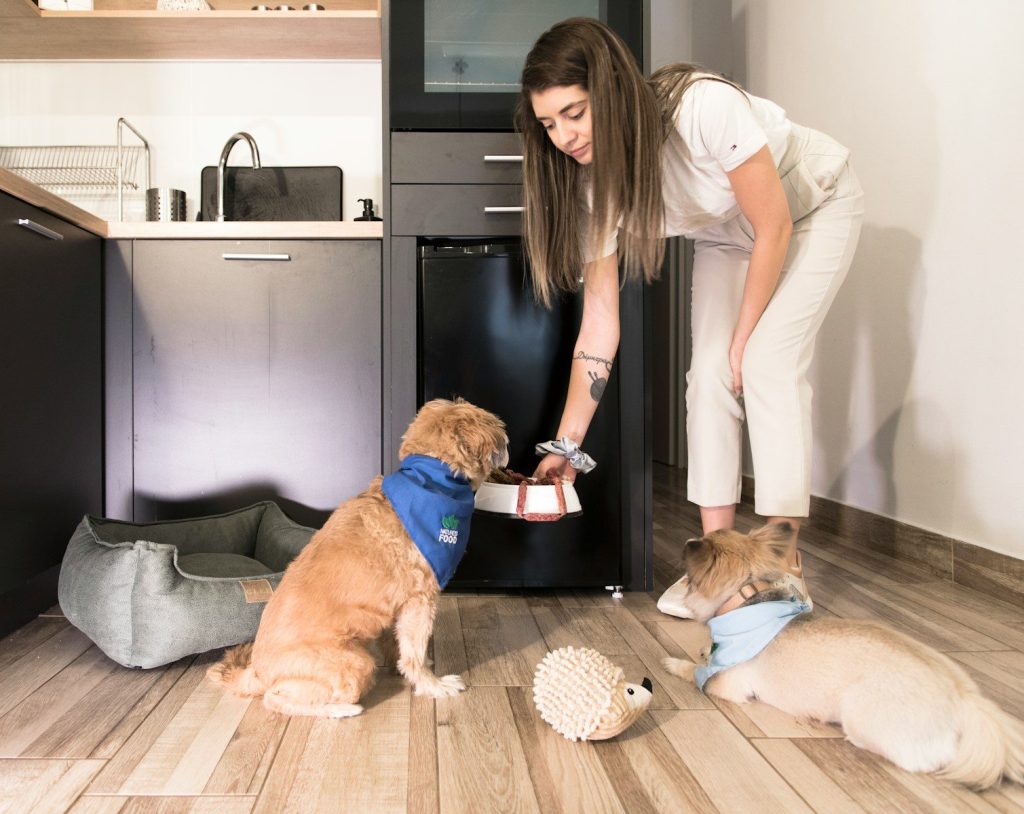
Disabled pets often thrive on predictability. Feeding, walks, medication, and bedtime should happen at roughly the same time each day to reduce stress and help them feel secure.
Routine is especially important for pets with vision or hearing impairments, as familiar schedules help them anticipate daily activities without relying on their senses.
Use the Right Mobility Aids
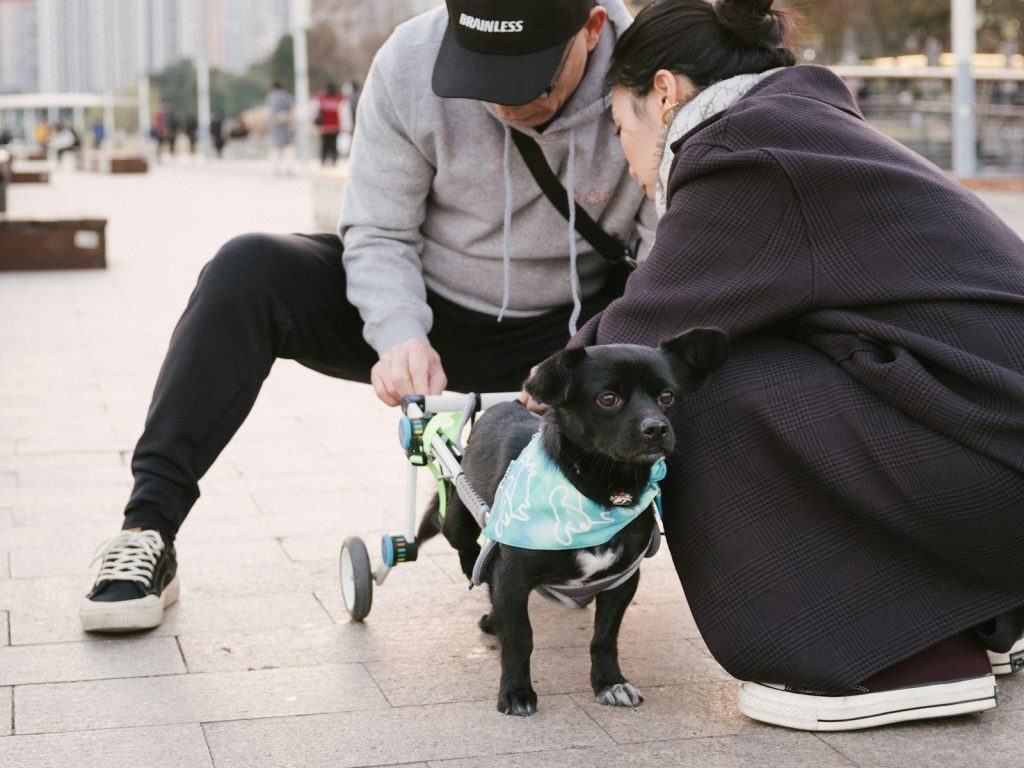
Many disabled pets benefit from assistive devices such as harnesses, wheelchairs, orthopedic beds, or supportive slings. These tools can make everyday activities easier while reducing strain on joints and muscles.
Work with your veterinarian to determine which aids are most appropriate for your pet’s condition and ensure they fit properly for maximum comfort.
Keep Them Mentally and Physically Engaged
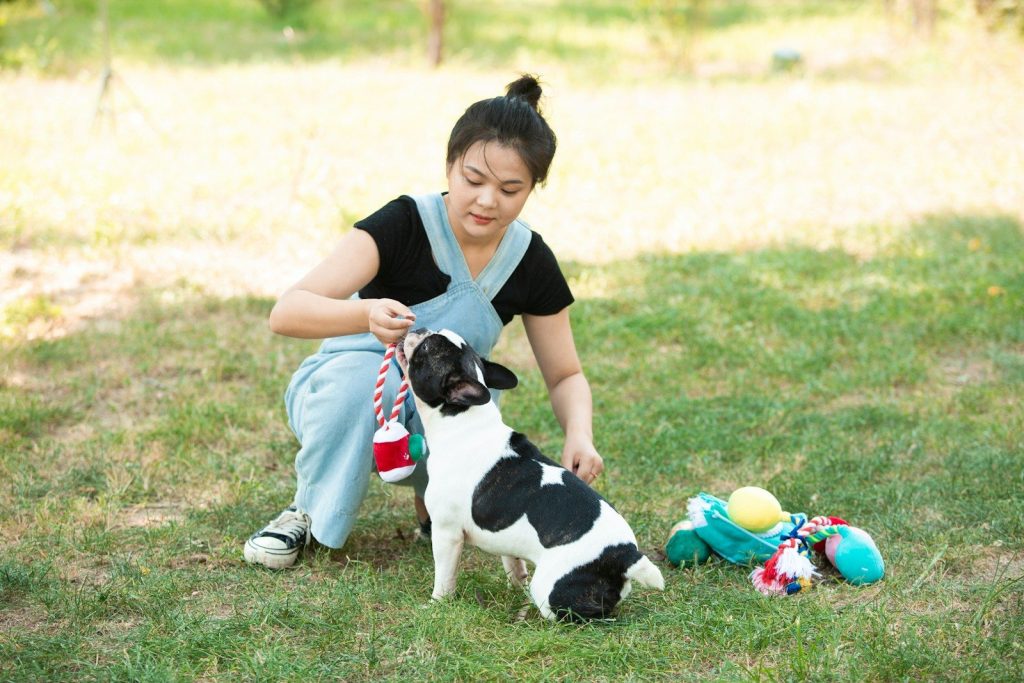
A disability doesn’t mean your pet has to give up playtime. Puzzle feeders, scent games, gentle exercise, and interactive toys provide valuable mental stimulation while encouraging physical activity within their abilities.
Choose activities that match your pet’s limitations and avoid pushing them beyond what they can comfortably handle. Regular enrichment helps prevent boredom and supports overall well-being.
Monitor Their Health Closely
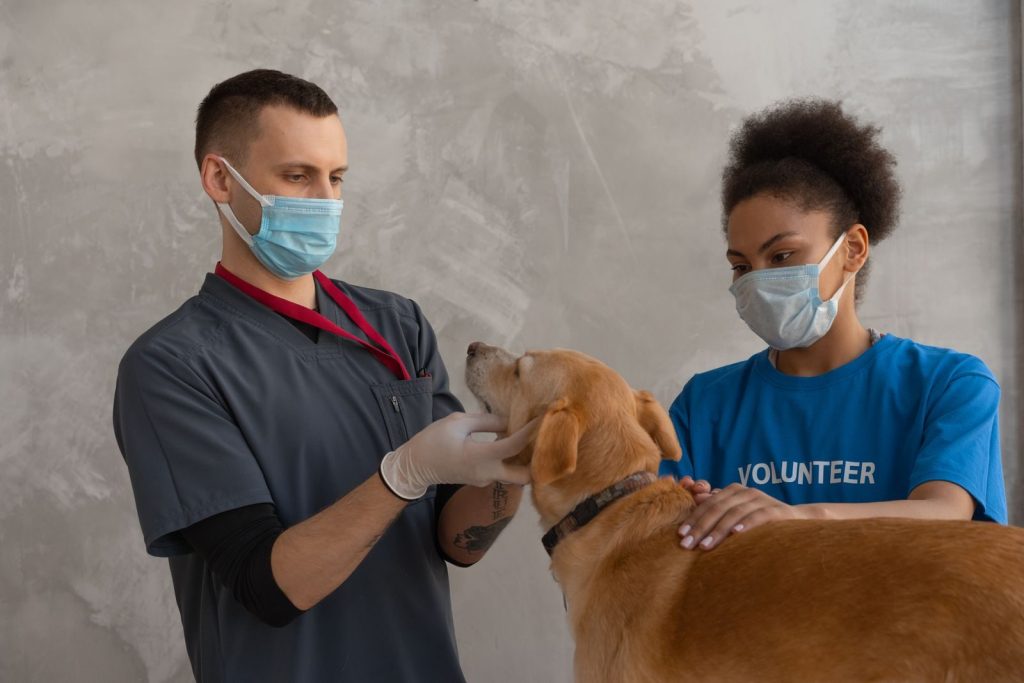
Disabled pets may be more susceptible to pressure sores, skin irritation, weight gain, or secondary health problems. Check your pet daily for cuts, swelling, or signs of discomfort, particularly if they have limited mobility.
Regular veterinary checkups are equally important. Your veterinarian can monitor your pet’s condition, adjust medications if needed, and recommend therapies that improve quality of life.
Be Patient and Celebrate Small Victories
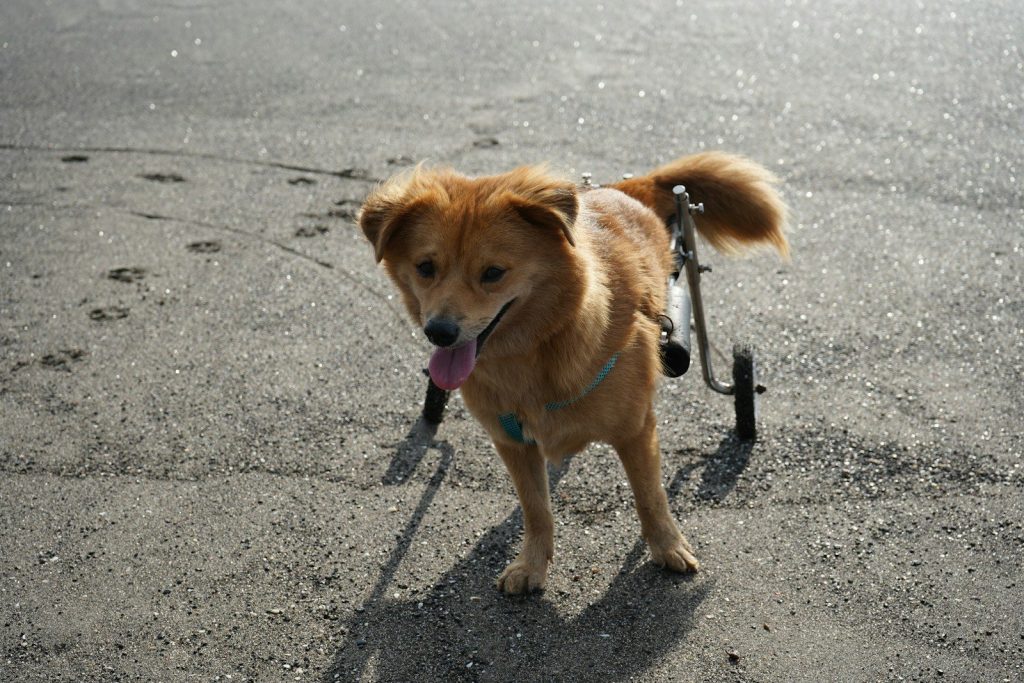
Every disabled pet adapts at their own pace. Learning to use a wheelchair, adjusting to vision loss, or recovering from an injury can take time. Celebrate small milestones and use positive reinforcement to encourage progress.
Above all, remember that your pet doesn’t measure happiness by physical ability. With love, patience, and thoughtful care, disabled pets can build strong bonds with their families and enjoy lives that are every bit as joyful as those of other pets.