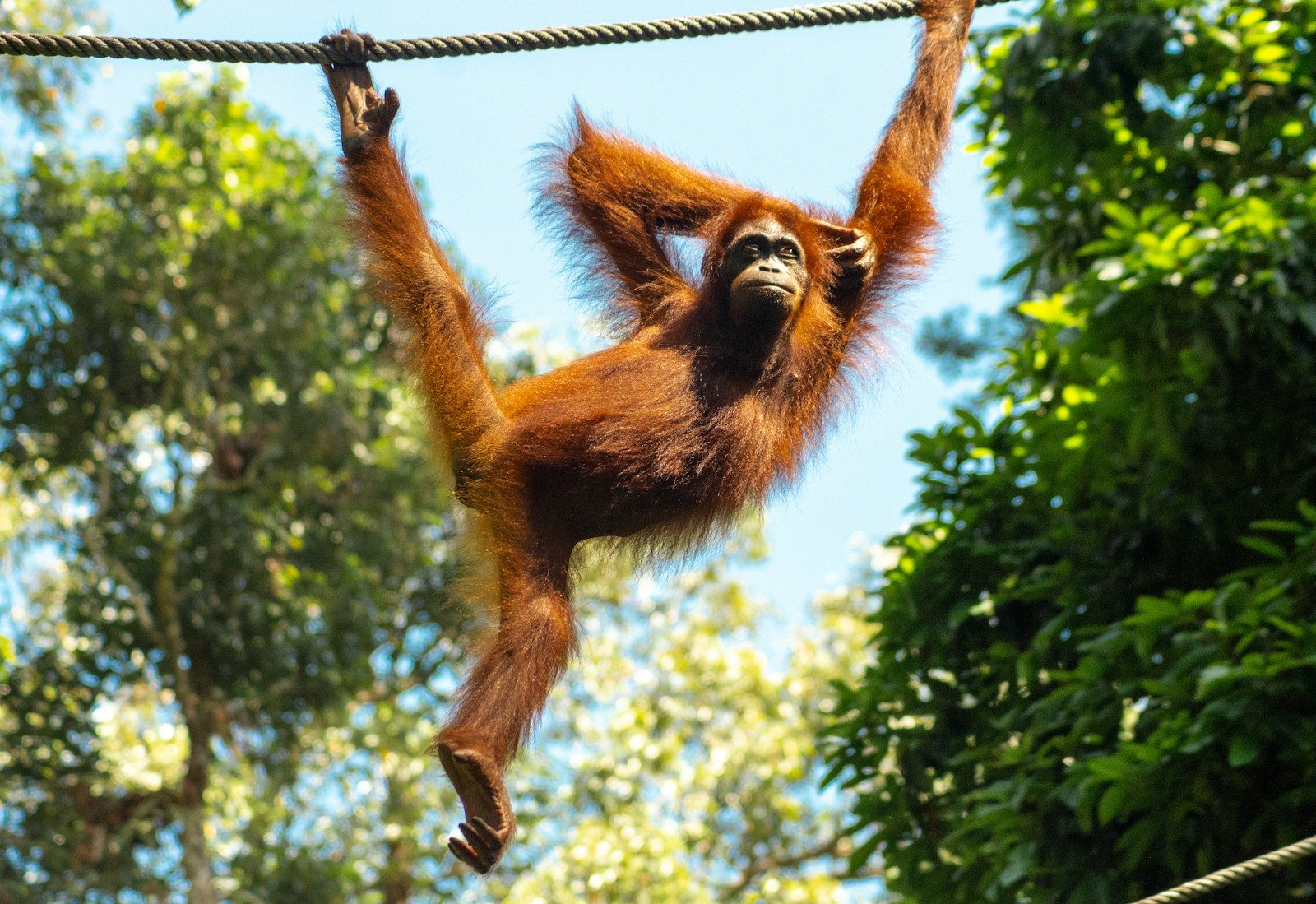
Orangutans are among the most intelligent and remarkable animals on Earth. Found only in the rainforests of Borneo and Sumatra, these great apes spend nearly their entire lives high above the forest floor, where they eat, sleep, travel, and raise their young.
Their tree-dwelling lifestyle has shaped every aspect of their behavior and anatomy. With powerful arms, flexible hands, and incredible climbing skills, orangutans have become true masters of life in the rainforest canopy.
Built for Life Above the Ground
Orangutans possess exceptionally long arms that can stretch over two meters from fingertip to fingertip. Their strong shoulders and curved fingers allow them to swing, climb, and carefully move between branches with remarkable balance.
Unlike many other primates, they rarely descend to the ground unless necessary. Staying in the trees helps them avoid predators while giving them easy access to food growing high in the forest canopy.
Expert Builders of Tree Nests
Every evening, an orangutan carefully constructs a fresh sleeping nest using branches, leaves, and twigs. Within minutes, it creates a comfortable platform strong enough to support its body throughout the night.
Some orangutans even add leafy pillows, blankets, or simple roofs to protect themselves from heavy tropical rain. This impressive behavior demonstrates their intelligence and ability to adapt to changing weather conditions.
A Diverse Forest Diet
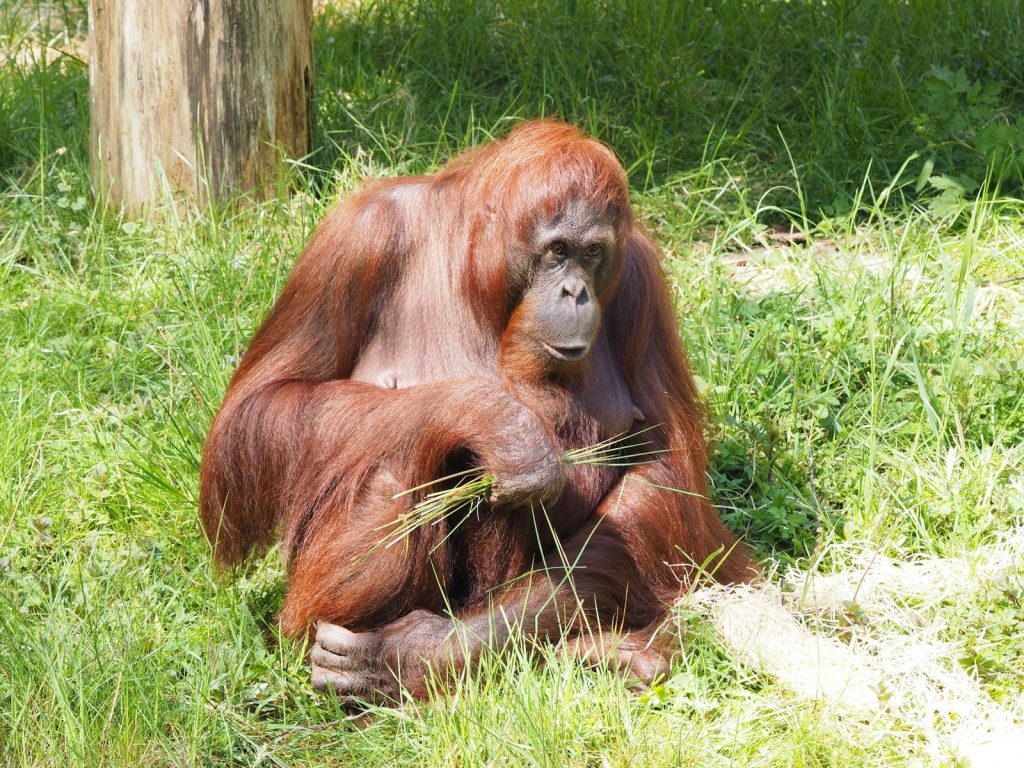
Fruit makes up the largest portion of an orangutan’s diet, especially figs, durians, and other tropical fruits. They also consume young leaves, bark, flowers, seeds, insects, and occasionally bird eggs when fruit becomes scarce.
By eating fruit and dispersing seeds through the forest, orangutans play an essential role in maintaining healthy rainforest ecosystems. Many tree species depend on these gentle apes to spread their seeds across vast areas.
Gentle Parents With Strong Family Bonds
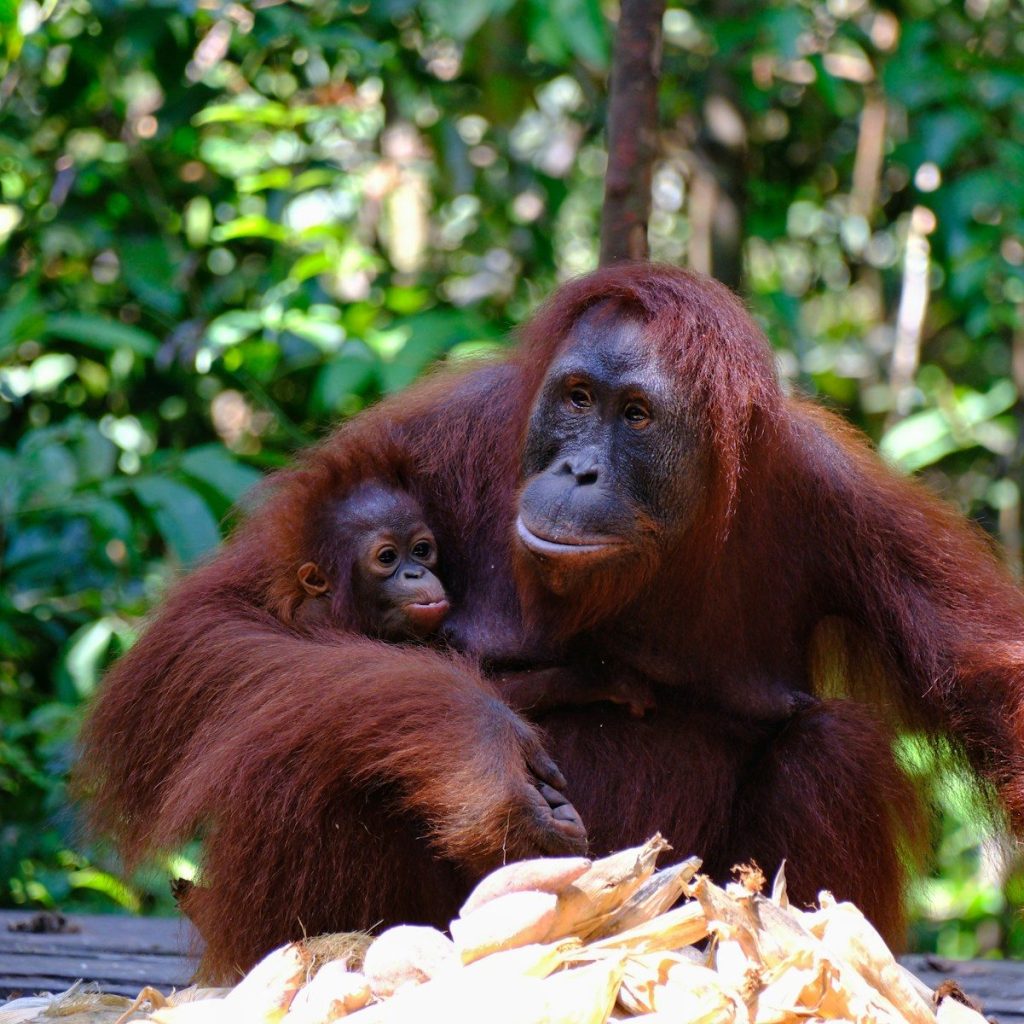
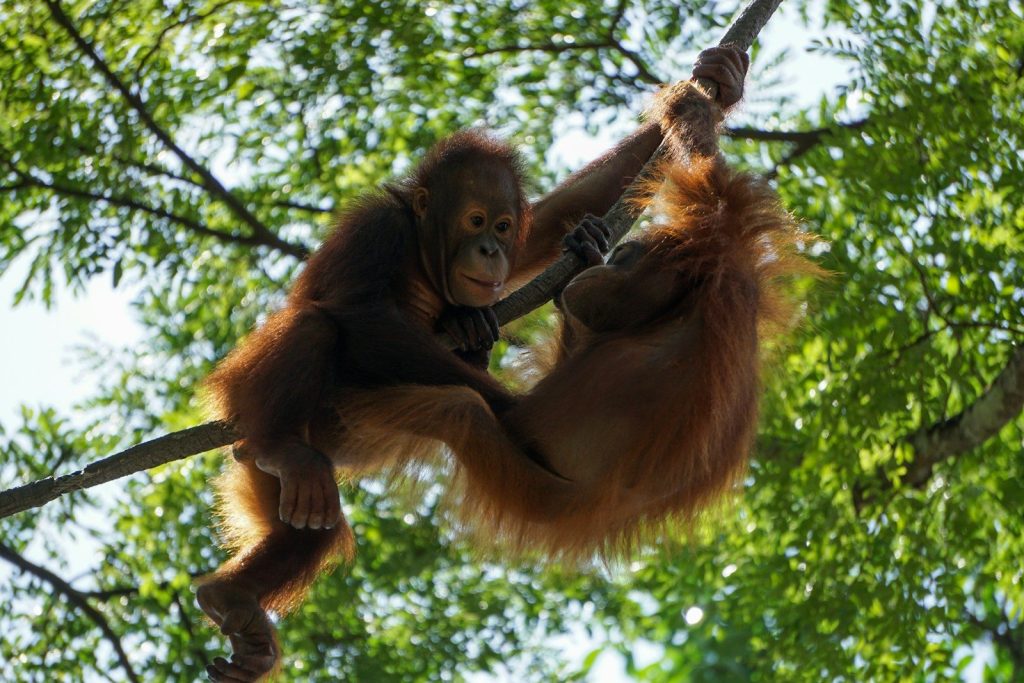
Mother orangutans share one of the longest parent-child relationships in the animal kingdom. A baby may remain with its mother for seven to eight years, learning everything needed to survive independently.
Young orangutans closely observe their mothers as they find food, build nests, recognize edible plants, and safely navigate the towering rainforest canopy. These lessons are vital for life in the wild.
Solitary but Highly Intelligent
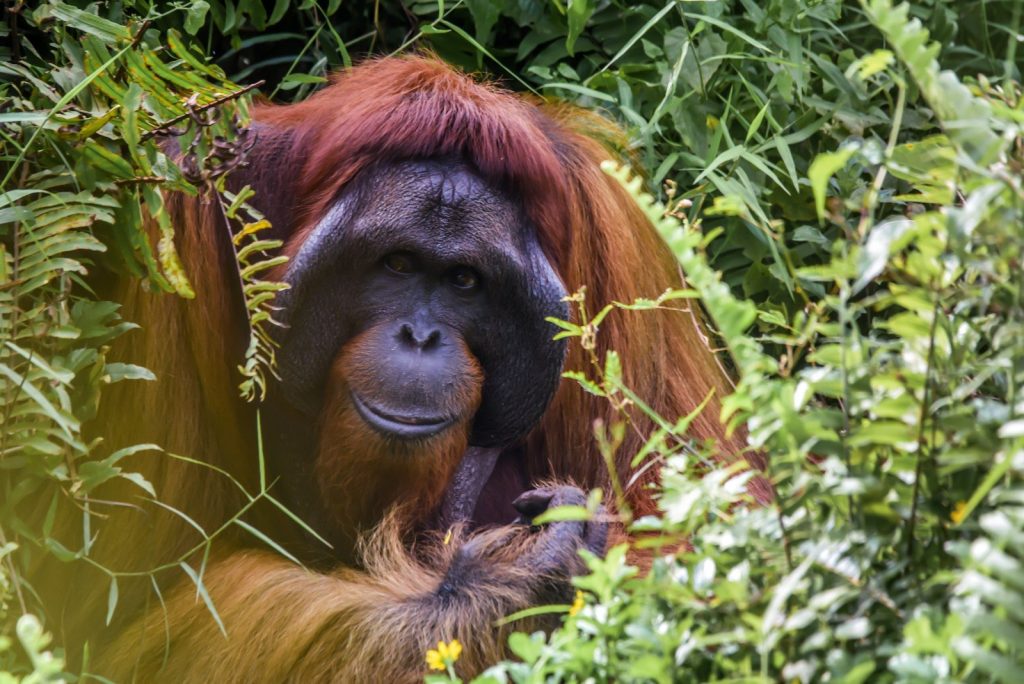
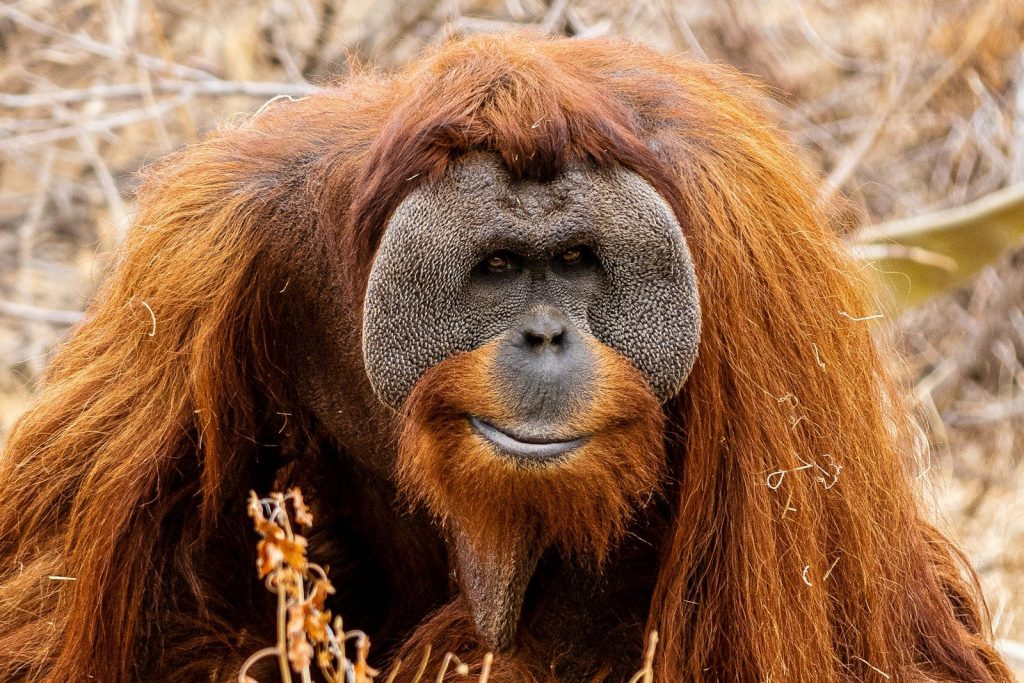
Unlike chimpanzees and gorillas, orangutans generally prefer living alone. Adult males maintain large territories, while females occupy smaller home ranges that may overlap with those of neighboring individuals.
Despite their solitary nature, orangutans possess remarkable intelligence. They use sticks to extract insects or seeds, fashion leafy gloves to handle thorny plants, and have even been observed using leaves as makeshift umbrellas during rainstorms.
Threats to Their Survival
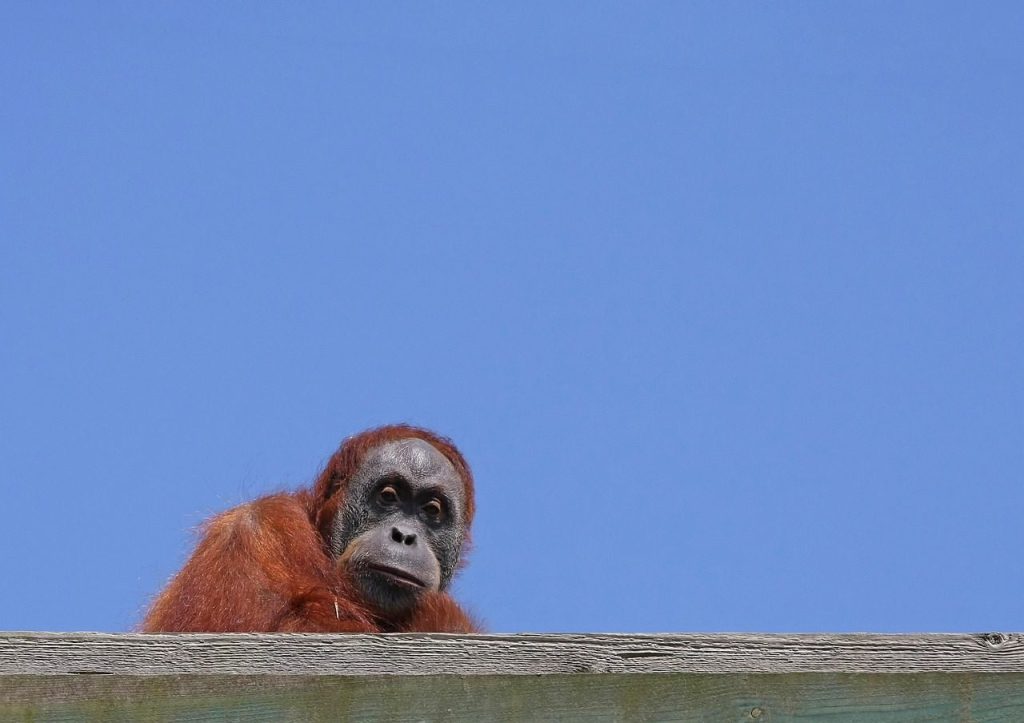
Today, orangutans face serious threats from widespread deforestation, illegal logging, mining, and the expansion of palm oil plantations. As forests disappear, these tree specialists lose both their homes and food sources.
Illegal wildlife trade also places young orangutans at risk, as infants are sometimes captured for the pet trade after their mothers are killed. Conservation organizations continue working to rescue, rehabilitate, and protect these endangered apes.