Owls have captured the human imagination for centuries, appearing in folklore, mythology, and literature as symbols of wisdom and mystery. Yet beyond their haunting calls and piercing eyes lies an extraordinary predator perfectly adapted for hunting under the cover of darkness.
With specialized feathers, exceptional hearing, and razor-sharp talons, owls are among the most efficient hunters in the bird world. Their unique adaptations allow them to locate and capture prey with remarkable precision, often without making a sound. Here are some fascinating facts that explain why these nocturnal birds are such successful predators.
Their Flight Is Nearly Silent

One of an owl’s greatest hunting advantages is its ability to fly almost silently. Unlike most birds, owl feathers have soft, fringed edges that break up airflow and reduce noise during flight.
This allows them to approach prey without being heard, giving small mammals and birds very little warning before an attack.
Owls Have Exceptional Hearing

Many owl species rely more on hearing than eyesight when hunting. Their facial feathers form a dish-like shape that funnels sound toward their ears, helping them detect even the faintest movements.
Some species have ears positioned at slightly different heights on the head, allowing them to pinpoint the exact location of prey by detecting tiny differences in when sounds reach each ear.
They Can Rotate Their Heads Up to 270 Degrees

Owls cannot move their eyes within their sockets because the eyes are fixed in place. Instead, they compensate by rotating their heads as much as 270 degrees.
Special adaptations in their blood vessels and neck bones allow this remarkable movement without cutting off blood flow to the brain.
Their Eyes Are Built for Low Light
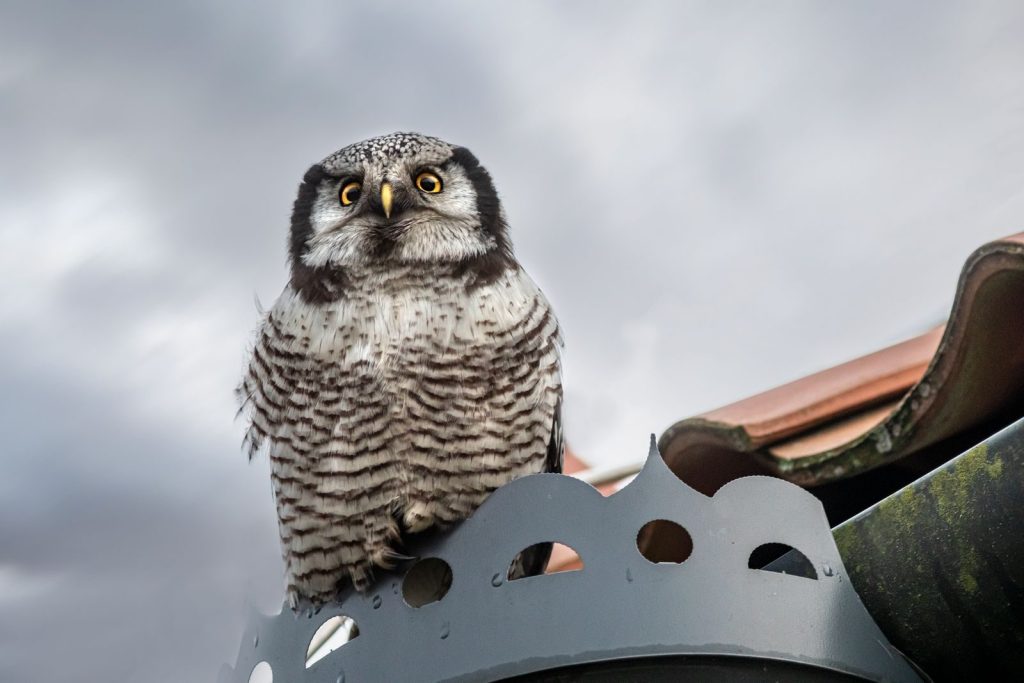
Owls possess large, forward-facing eyes that gather far more light than human eyes. This gives them excellent night vision, allowing them to hunt effectively during dusk, nighttime, and early dawn.
Although their color vision is limited in darkness, they excel at detecting movement in dim conditions.
Powerful Talons Do the Hard Work

An owl’s feet are equipped with sharp, curved talons capable of gripping prey with tremendous force. Once prey is captured, escaping is extremely difficult.
Many owls can adjust the arrangement of their toes to improve their grip depending on the type of prey they are handling.
They Swallow Small Prey Whole

Rather than chewing their food, many owls swallow small animals whole. Their powerful digestive systems extract nutrients while indigestible materials such as bones, fur, feathers, and teeth are compressed into pellets.
These pellets are later regurgitated and provide scientists with valuable information about an owl’s diet and local ecosystems.