Jungles are among the most biodiverse ecosystems on Earth, providing homes for countless species ranging from colorful birds and insects to powerful predators. While these lush environments are rich in life, they also contain animals that possess remarkable hunting abilities, potent venom, incredible strength, or defensive adaptations that demand respect.
It’s important to remember that most wild animals do not actively seek conflict with humans. They generally attack only when threatened, cornered, protecting their young, or defending territory. Understanding these species helps us appreciate their ecological importance while promoting safe and responsible wildlife encounters.
Jaguars Are the Apex Predators of the Americas
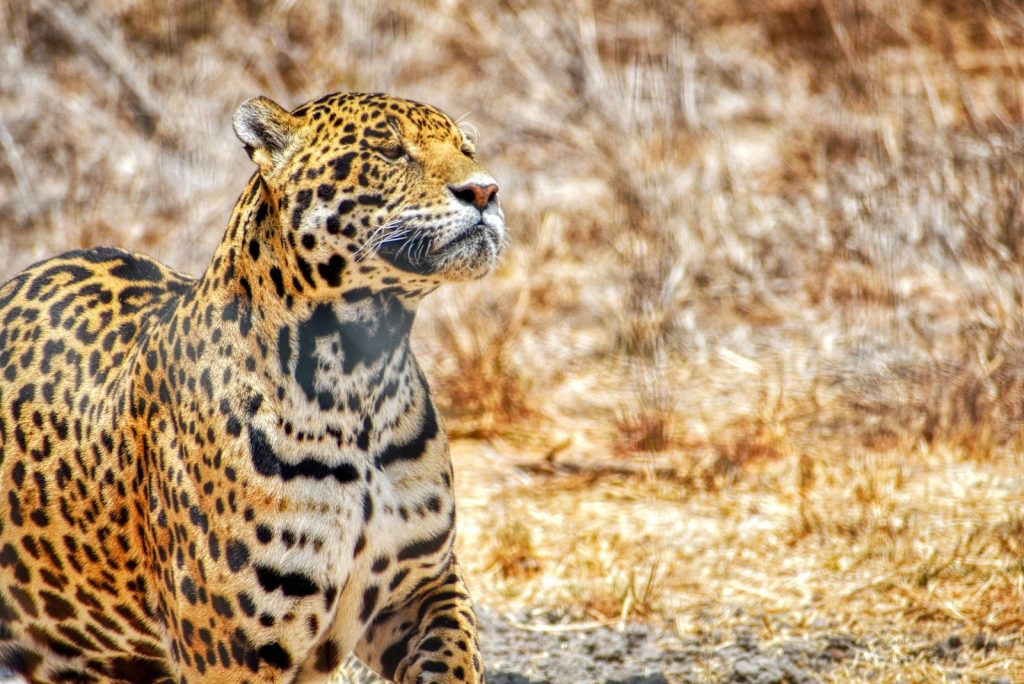
Jaguars are the largest cats in the Americas and among the most formidable predators in tropical forests. Their exceptionally powerful bite allows them to pierce the skulls or shells of prey that many other big cats cannot tackle.
Excellent swimmers and skilled climbers, jaguars hunt a wide variety of animals, including deer, capybaras, caimans, and turtles. Their stealth and strength make them dominant hunters within their range.
Green Anacondas Use Constriction Instead of Venom
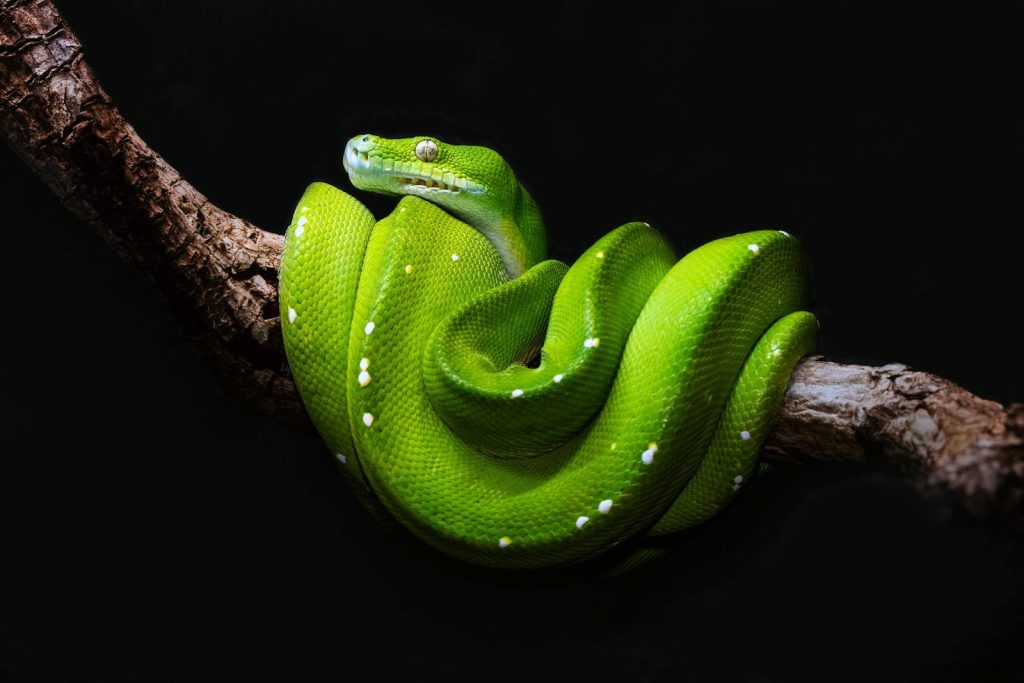
The green anaconda is one of the world’s largest and heaviest snakes, spending much of its life in rivers, swamps, and flooded forests. Rather than using venom, it subdues prey by wrapping its muscular body around the animal and tightening with each breath.
Despite their fearsome reputation, attacks on humans are extremely rare. Anacondas typically avoid people whenever possible.
Saltwater Crocodiles Are Powerful Ambush Hunters
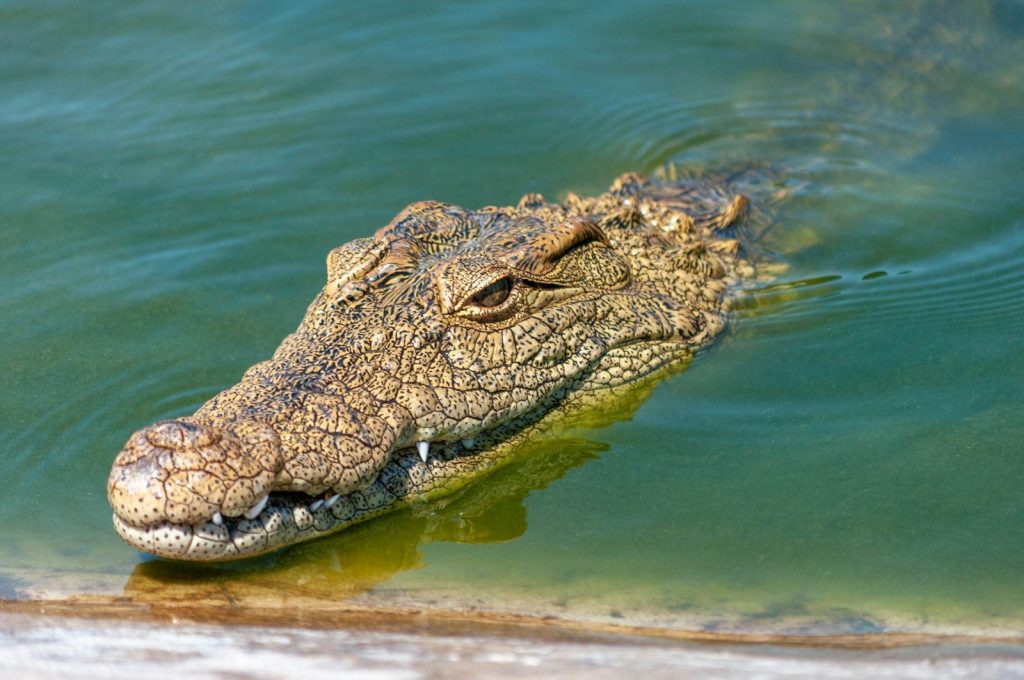
Where tropical forests meet rivers and estuaries, saltwater crocodiles are among the most dangerous predators. They rely on patience and explosive speed, waiting near the water’s edge before launching powerful ambush attacks on prey.
Their immense bite force and ability to remain almost completely submerged make them highly effective hunters. Giving crocodiles plenty of space is essential in areas where they occur.
King Cobras Defend Themselves With Potent Venom
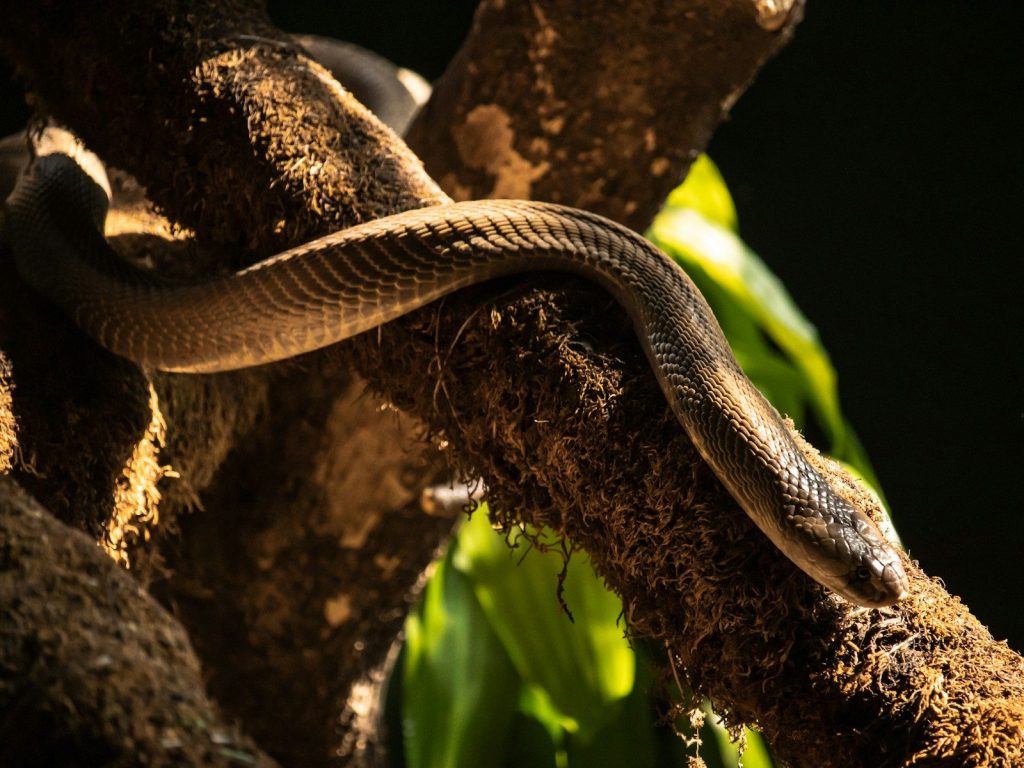
The king cobra is the world’s longest venomous snake and inhabits forests across much of South and Southeast Asia. Although capable of delivering a large amount of venom, it usually prefers to avoid confrontation.
When threatened, it raises the front of its body, spreads its hood, and issues a loud hiss as a warning. Most bites occur when people attempt to handle or provoke the snake.
Poison Dart Frogs Carry Powerful Chemical Defenses
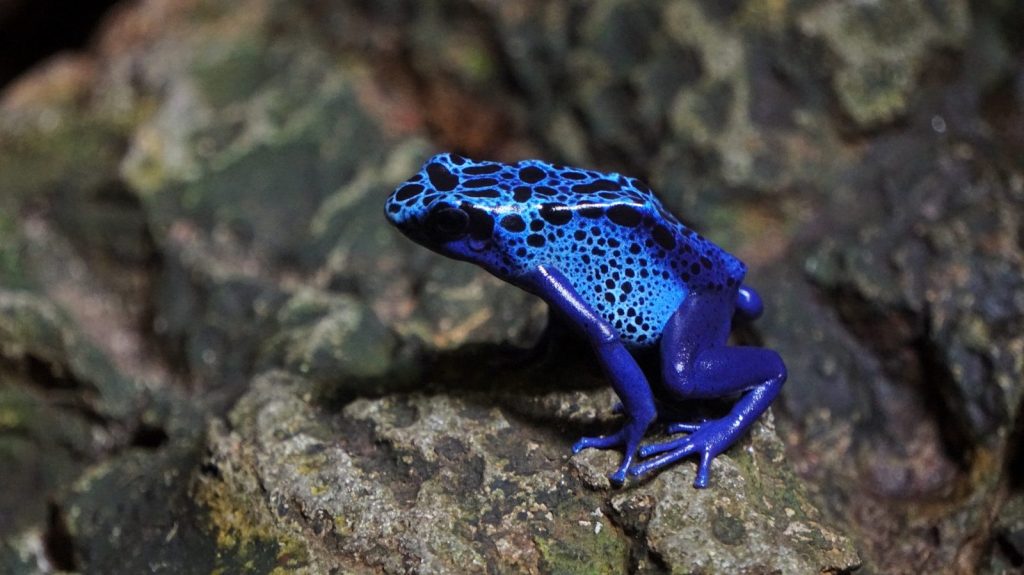
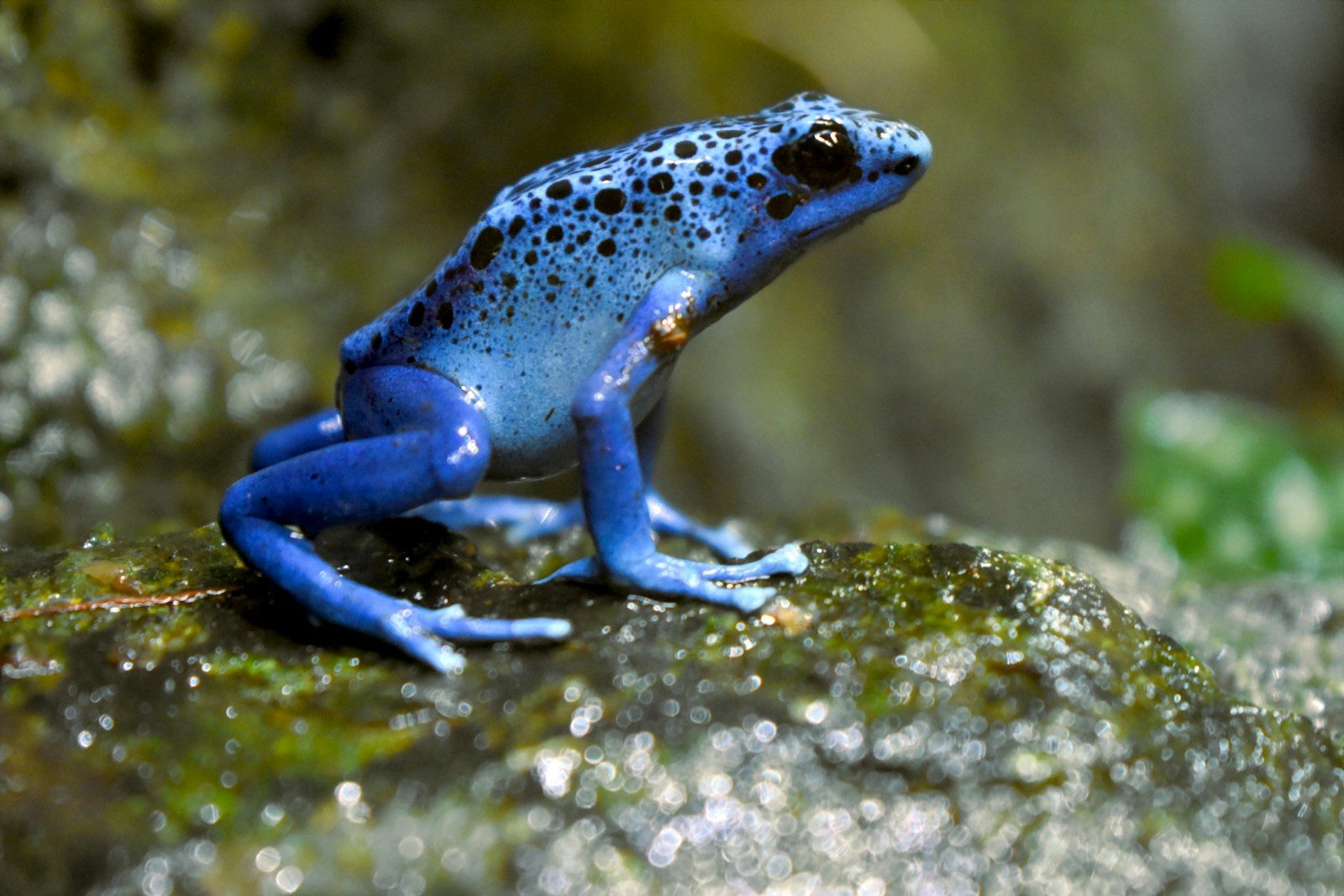
Poison dart frogs are tiny, brightly colored amphibians native to Central and South American rainforests. Their vivid colors serve as a warning that many species contain potent skin toxins capable of deterring predators.
In the wild, these toxins come from compounds obtained through their diet. Captive-bred poison dart frogs generally lack the same level of toxicity because they eat different foods.
Army Ants Overwhelm Prey Through Sheer Numbers
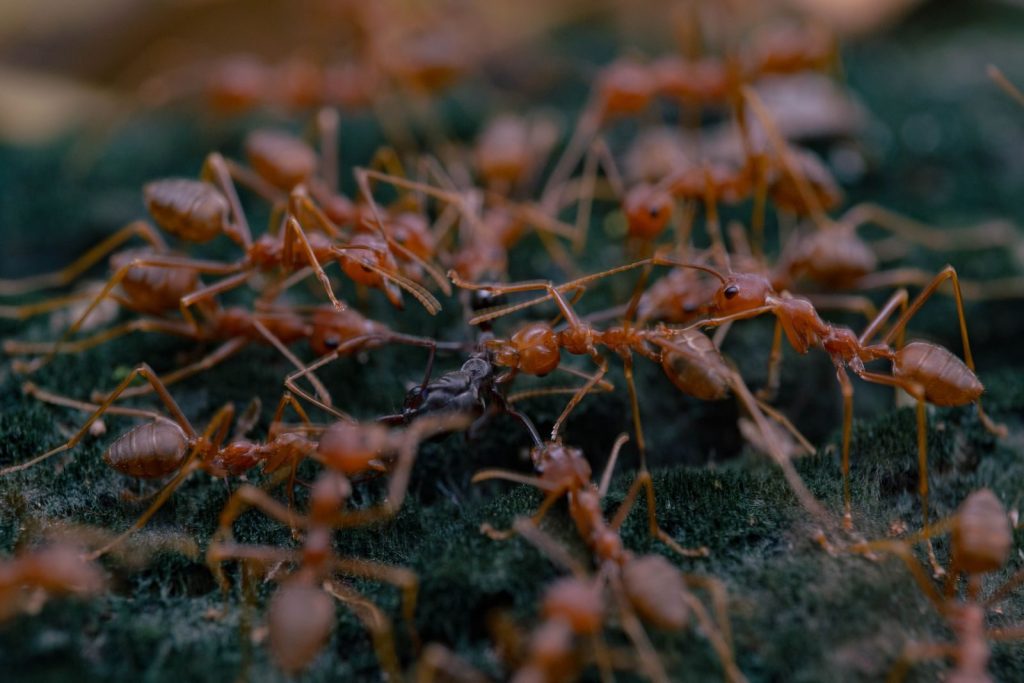
Individually, army ants are small insects, but together they form enormous colonies capable of overwhelming prey during coordinated foraging raids. Their powerful jaws allow them to capture insects, spiders, and even small vertebrates.
These massive swarms play an important ecological role by controlling insect populations and recycling nutrients throughout tropical forests.