Capybaras have become global social media celebrities thanks to countless videos showing them relaxing in hot springs, peacefully sharing space with other animals, or appearing completely unfazed by the world around them. Their calm expressions and gentle demeanor have earned them a reputation as one of the internet’s favorite animals.
But behind the memes is a fascinating species with remarkable adaptations and complex social lives. As the world’s largest rodents, capybaras play important ecological roles in South America’s wetlands and possess behaviors that make them far more interesting than their online fame suggests.
They Are the World’s Largest Rodents

Capybaras belong to the rodent family but are much larger than most people expect. Adults can grow over 1.3 meters (4 feet) long and weigh more than 60 kilograms (130 pounds), making them the largest living rodents on Earth.
Despite their impressive size, they are agile runners and excellent swimmers, perfectly adapted to life near rivers, lakes, and marshes.
Water Is Essential to Their Survival
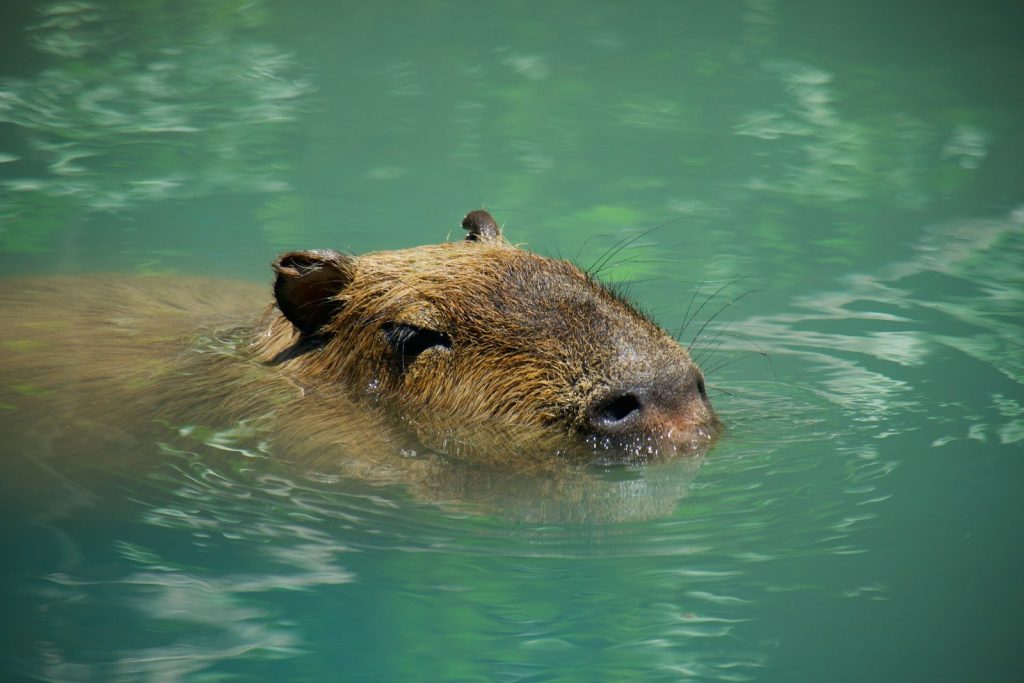
Capybaras are semi-aquatic mammals that spend much of their time in or near water. Their partially webbed feet make them powerful swimmers, and they can remain underwater for several minutes to escape predators.
Their eyes, ears, and nostrils sit high on their heads, allowing them to stay mostly submerged while still watching and listening for danger.
They Live in Highly Social Groups

Unlike many rodents, capybaras are extremely social animals. They typically live in family groups that may include 10 to 20 individuals, although larger gatherings can form during the dry season when water sources become limited.
Living together helps them detect predators more effectively and strengthens social bonds through grooming, vocalizations, and cooperative care of young.
Their Calm Nature Has a Purpose
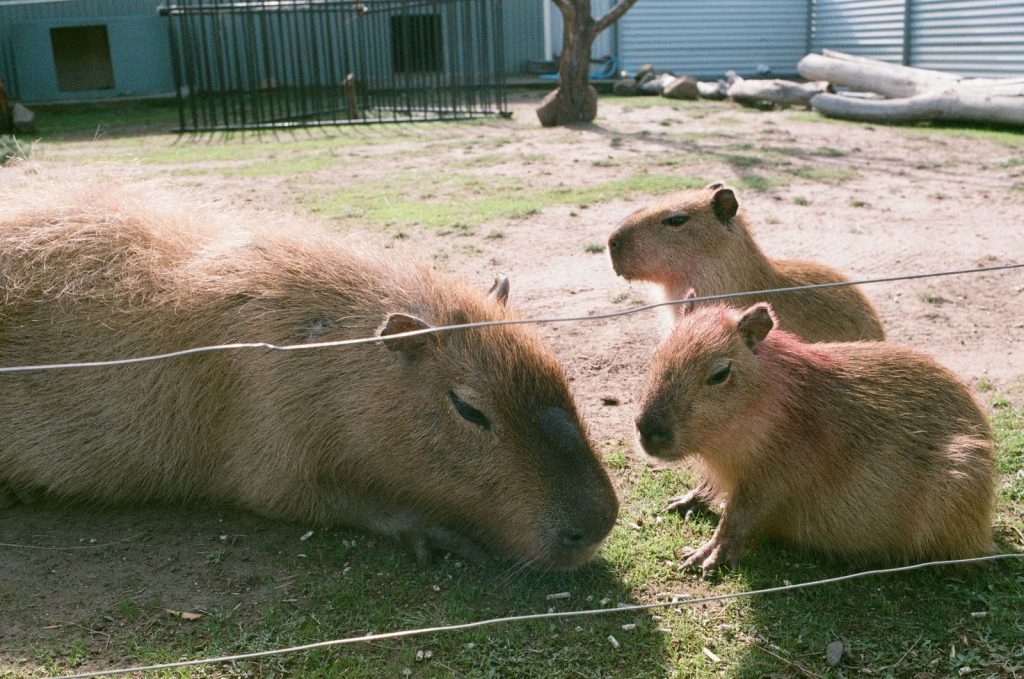
Capybaras often appear unusually relaxed around other wildlife, leading many people to believe they are friends with almost every animal they meet. In reality, much of their behavior reflects careful risk assessment and their role as prey animals rather than fearlessness.
Their calm demeanor helps conserve energy while they remain alert to potential threats from predators such as jaguars, caimans, and anacondas.
They Communicate in Many Different Ways

Capybaras are surprisingly vocal animals. They use whistles, clicks, purrs, barks, and other sounds to communicate with members of their group, helping maintain social cohesion and warn one another of danger.
Combined with scent marking and body language, this communication system supports the complex social structure of their herds.
They Help Maintain Healthy Wetlands
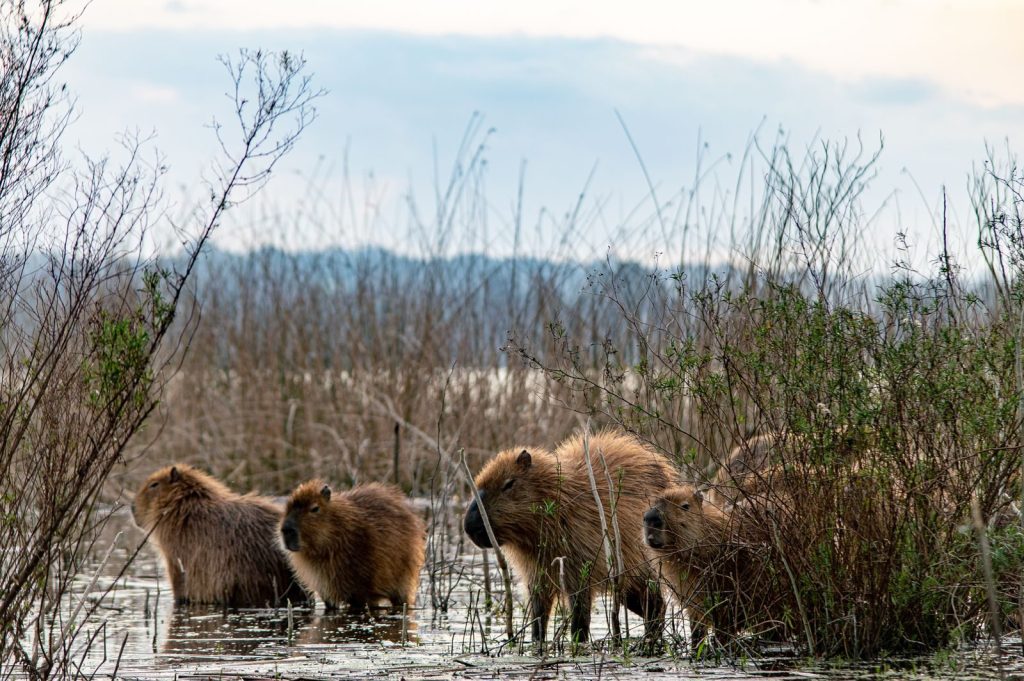
As large herbivores, capybaras graze on grasses and aquatic plants, influencing vegetation growth throughout their habitats. They also serve as prey for several top predators, making them an important part of South American ecosystems.
Healthy capybara populations often indicate thriving wetlands with abundant water and vegetation.