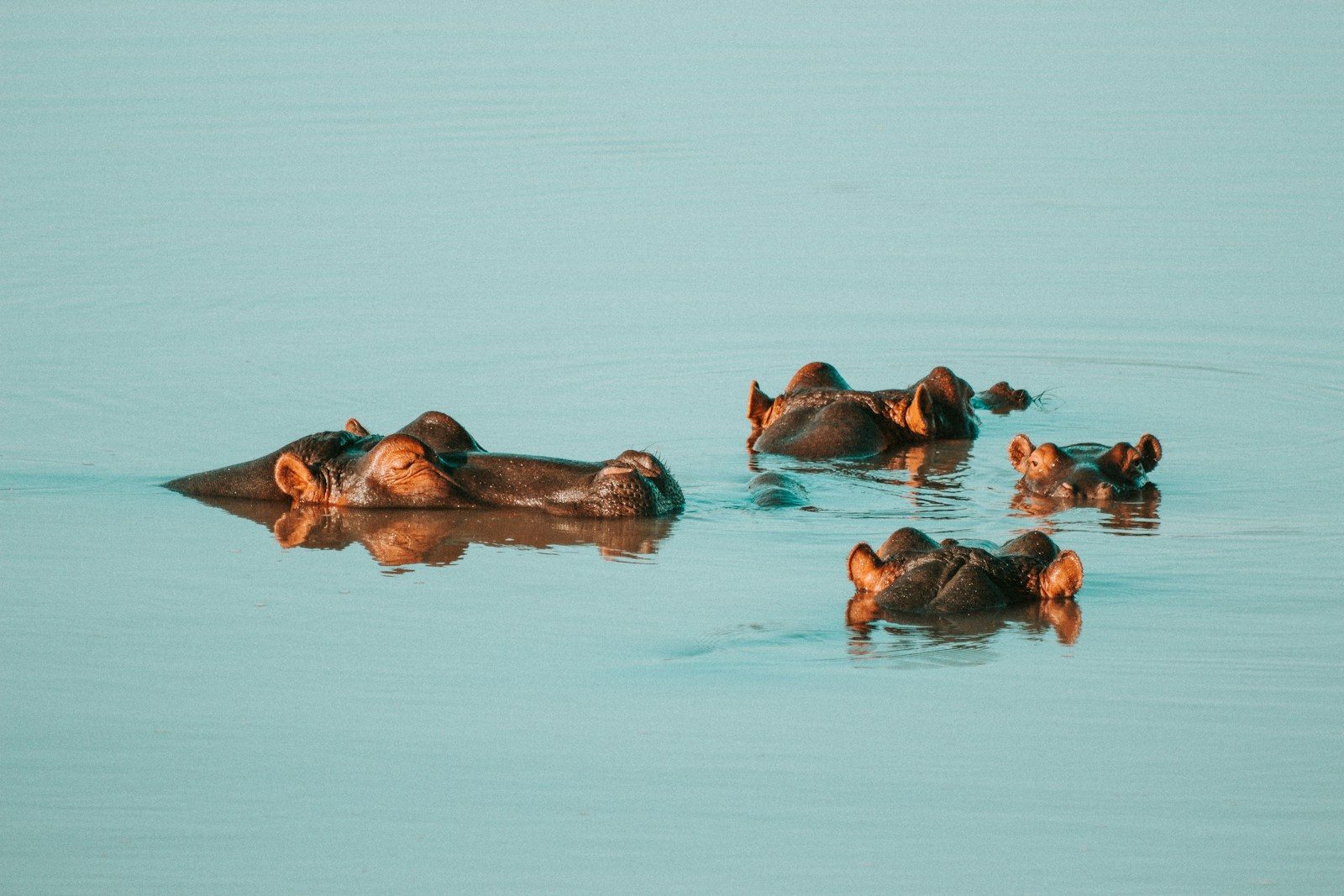
A fishing trip ended in tragedy after a 14-year-old boy was fatally attacked by a hippo at Mikimba Lake in Kilifi County, Kenya. The incident has renewed concerns about the growing conflict between wildlife and communities living near rivers and lakes.
Local authorities have urged residents to remain vigilant around water bodies, while community leaders are calling for stronger cooperation with wildlife officials to prevent similar tragedies in the future.
Hippo Attack Occurred During Morning Fishing Trip
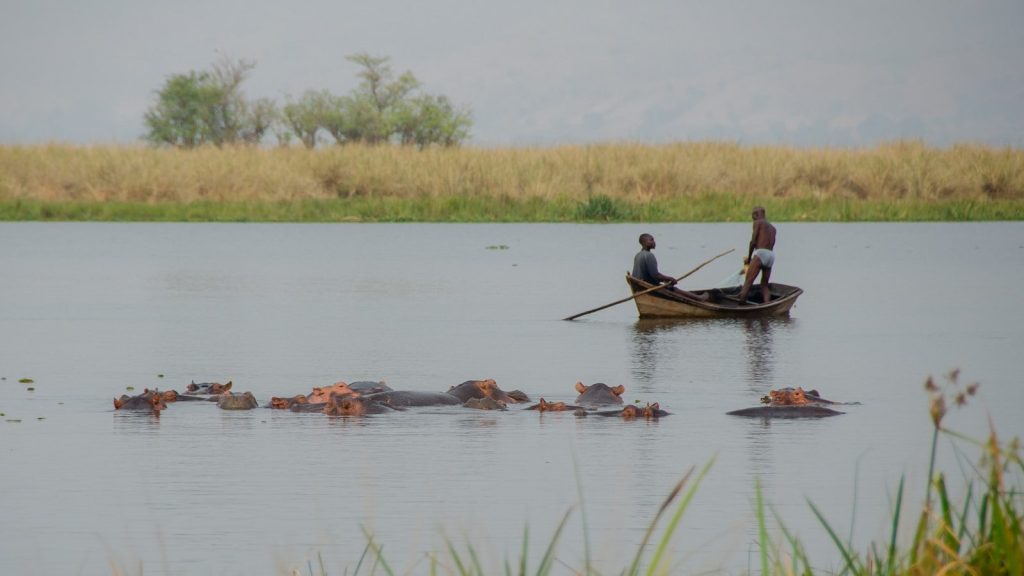
The incident happened at around 8:00 a.m. on June 28 while the teenager was fishing at Mikimba Lake in Karimboni, Magarini Constituency.
The hippo attacked the boy, causing fatal injuries. His body was later taken to Malindi County Referral Hospital mortuary as his family began burial preparations.
Authorities Urge Residents to Stay Alert
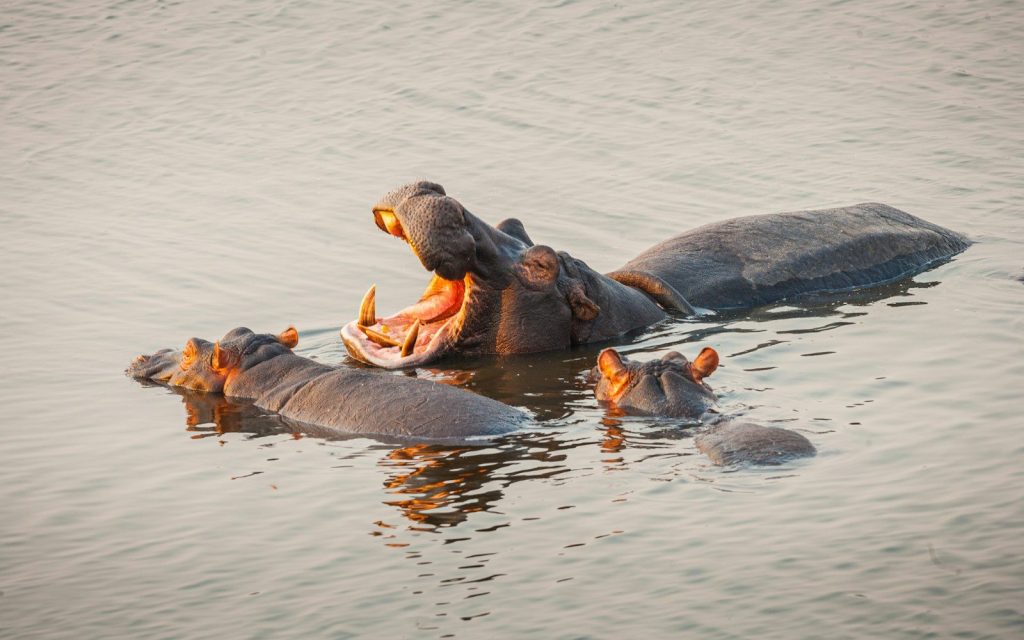
Magarini Assistant County Commissioner Joshua Leintoi urged people living near lakes and rivers to exercise extreme caution when carrying out daily activities.
He reminded residents that wild animals can become dangerous without warning, especially in areas where humans frequently share habitats with wildlife.
Community Leaders Seek Long-Term Solutions
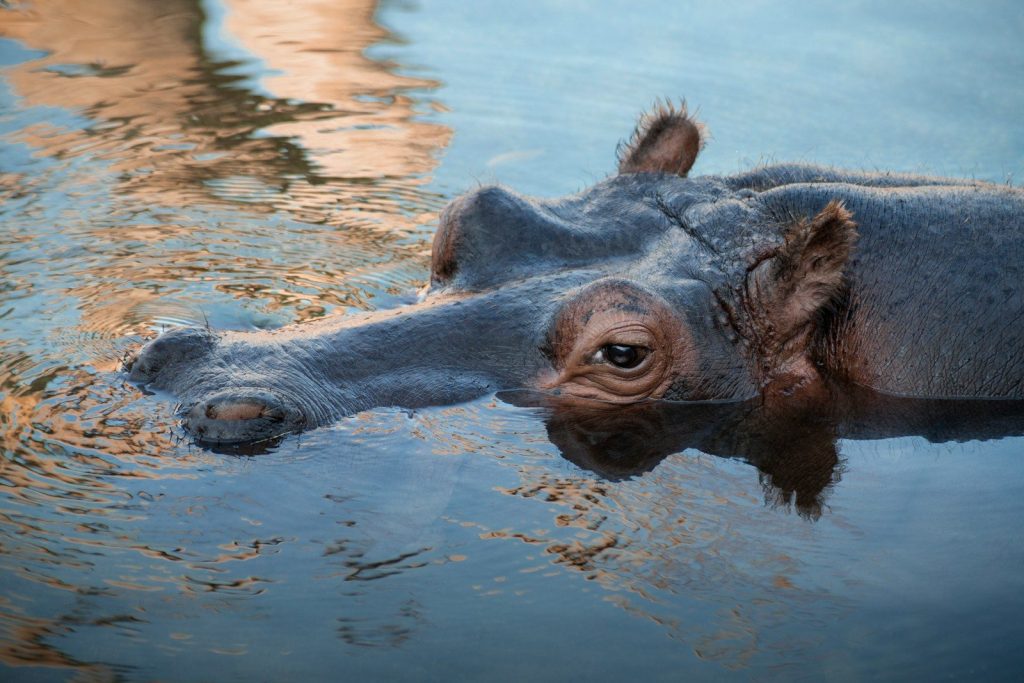
Following the tragedy, local leaders called on the Kenya Wildlife Service (KWS) to strengthen collaboration with affected communities.
They urged wildlife authorities to develop lasting strategies that reduce human-wildlife conflict while protecting both local residents and wild animals.
Previous Hippo Attack Claimed Four Lives
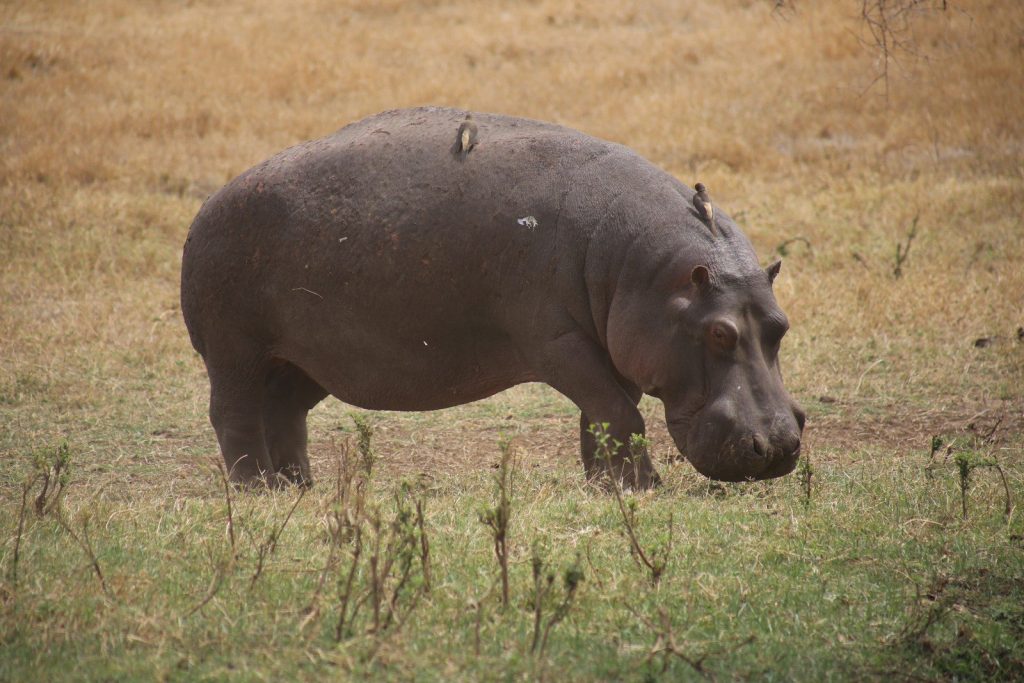
The latest incident comes months after another deadly hippo attack at Lake Naivasha, where four fishermen lost their lives while working on the lake.
Ten other fishermen managed to swim to safety, but the victims drowned after being attacked by several hippos during the frightening encounter.
Residents Call for Better Protection
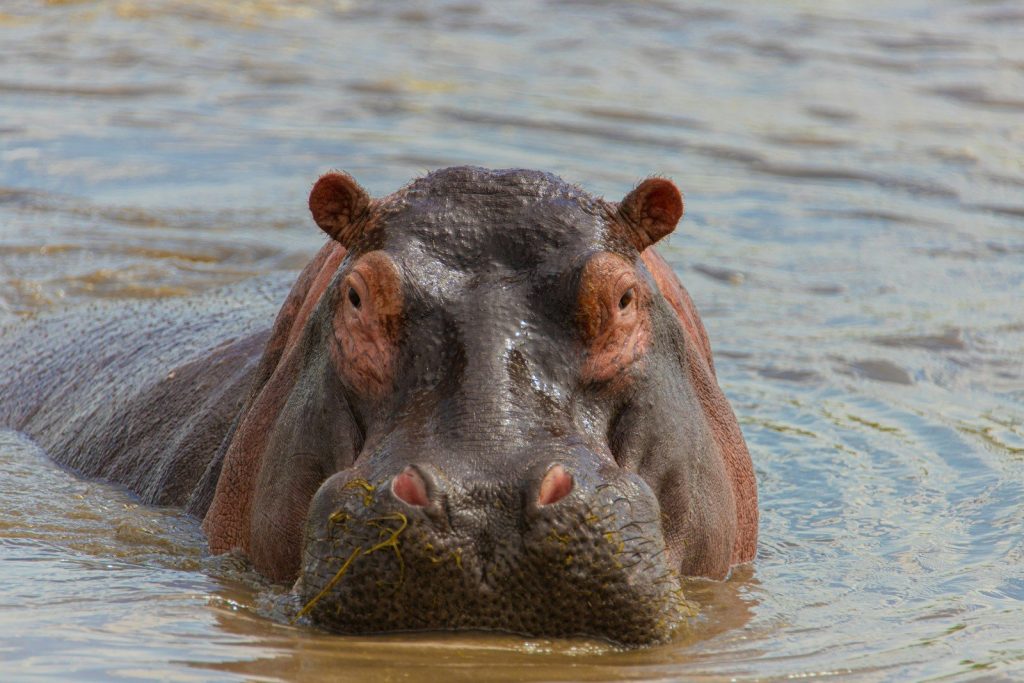
The repeated attacks have prompted residents to demand stronger safety measures around lakes and rivers where fishing is a major source of income.
Community members also appealed for more employment opportunities, saying many young people take on dangerous work because they have few other ways to earn a living.