Climate change is influencing many aspects of daily life, and pet ownership is no exception. Rising temperatures, stronger storms, changing parasite patterns, and worsening air quality are creating new challenges for pet owners across the United States, encouraging many to rethink how they care for their animals.
While pets continue to bring companionship and joy, adapting to changing environmental conditions has become an increasingly important part of responsible ownership. From adjusting exercise routines to preparing for extreme weather, many families are making practical changes to keep their furry companions safe and healthy.
Rising Temperatures Are Changing Daily Routines
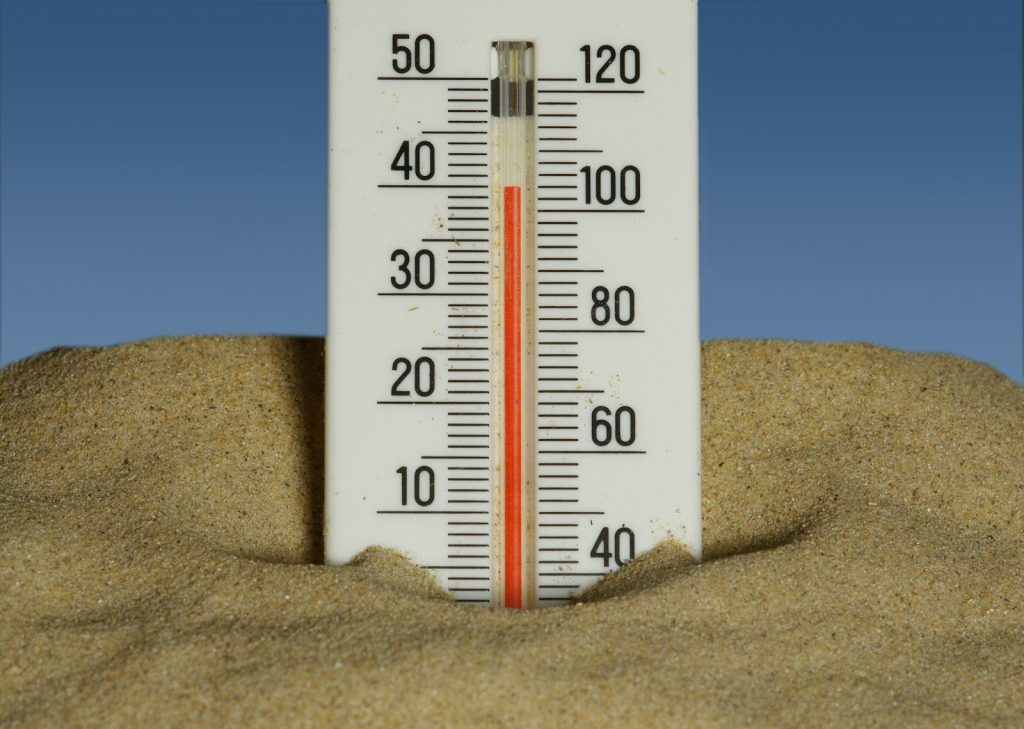
Hotter summers are making midday walks riskier, especially for dogs that can quickly suffer from heat exhaustion or burned paw pads on overheated pavement. Many owners now choose early morning or evening walks when temperatures are lower.
Cooling mats, portable water bottles, shaded play areas, and cooling vests have also become more common as people look for ways to protect their pets during heatwaves. These simple adjustments can greatly reduce the risk of heat related illnesses.
Fleas and Ticks Are Active for Longer Periods

Warmer winters have allowed fleas and ticks to survive in regions where they were once less common. As a result, pet owners are increasingly relying on year round parasite prevention rather than limiting treatment to warmer months.
Regular veterinary checkups and preventive medications have become even more important as these pests continue expanding their range. Early protection helps reduce the risk of diseases carried by parasites.
Poor Air Quality Can Affect Pet Health
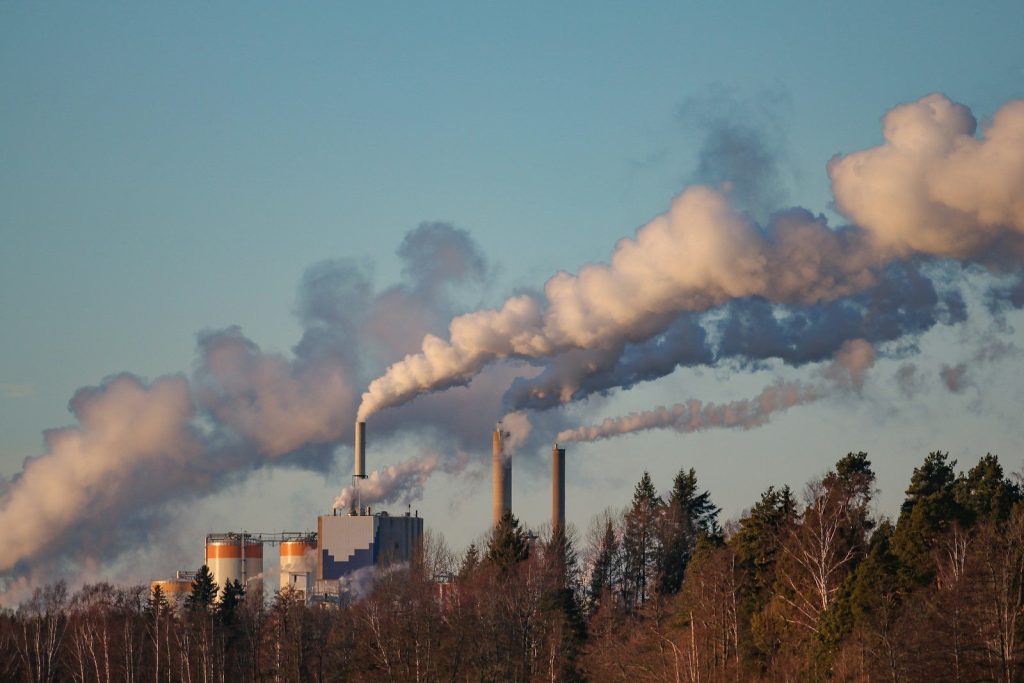
Wildfires and prolonged periods of smoke have created new concerns for both people and their pets. Animals with respiratory conditions may experience greater discomfort during periods of poor air quality.
Many owners now keep pets indoors during smoky conditions and limit strenuous outdoor exercise until air quality improves. Indoor air filtration can also help reduce exposure to airborne pollutants.
Extreme Weather Requires Better Emergency Planning
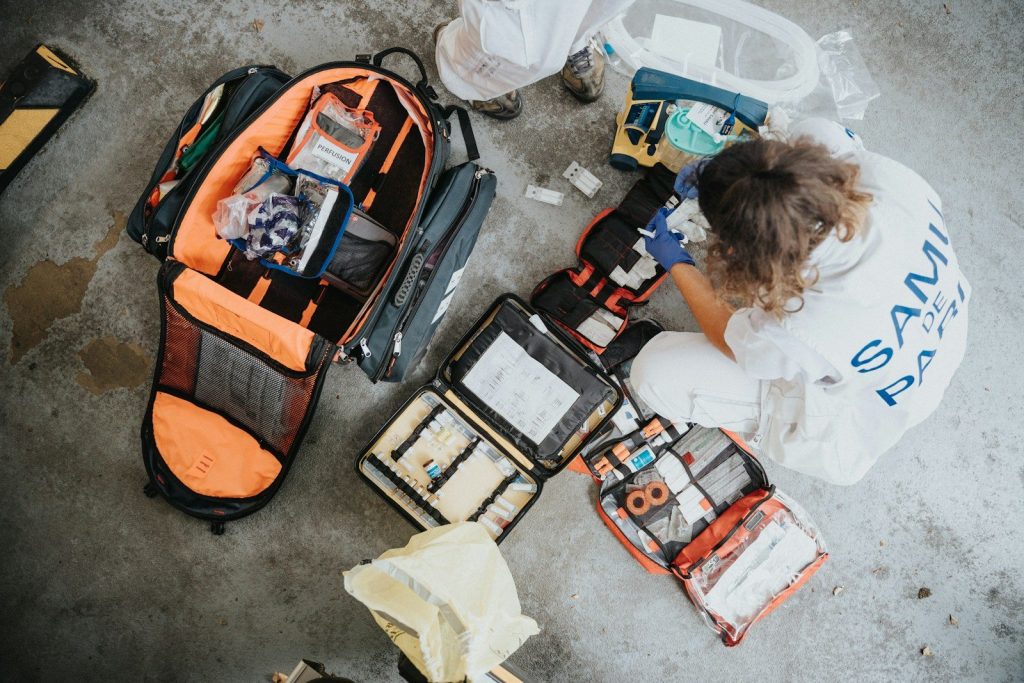
More frequent hurricanes, floods, and wildfires have highlighted the importance of emergency preparedness for pet owners. Evacuation plans increasingly include pet carriers, identification tags, medications, food, and vaccination records.
Planning ahead helps ensure pets can be evacuated safely alongside their families. Having emergency supplies readily available can make a significant difference during natural disasters.
Veterinary Costs May Continue to Rise

Climate related illnesses, injuries, and changing environmental conditions are contributing to growing veterinary expenses in many areas. Some owners are also exploring pet insurance to help manage unexpected healthcare costs.
Preventive care, routine wellness visits, and maintaining a healthy lifestyle may help reduce the likelihood of more serious medical problems later. Investing in prevention often benefits both pets and owners over the long term.
Pet Owners Are Becoming More Environmentally Conscious

Many people are also considering the environmental impact of pet ownership by choosing durable products, reducing waste, and selecting more sustainable pet care options. Small lifestyle changes can help lower a pet’s environmental footprint without compromising its wellbeing.
Experts emphasize that responsible ownership involves balancing excellent animal care with environmentally mindful choices. As awareness grows, sustainability is becoming another important part of modern pet ownership.