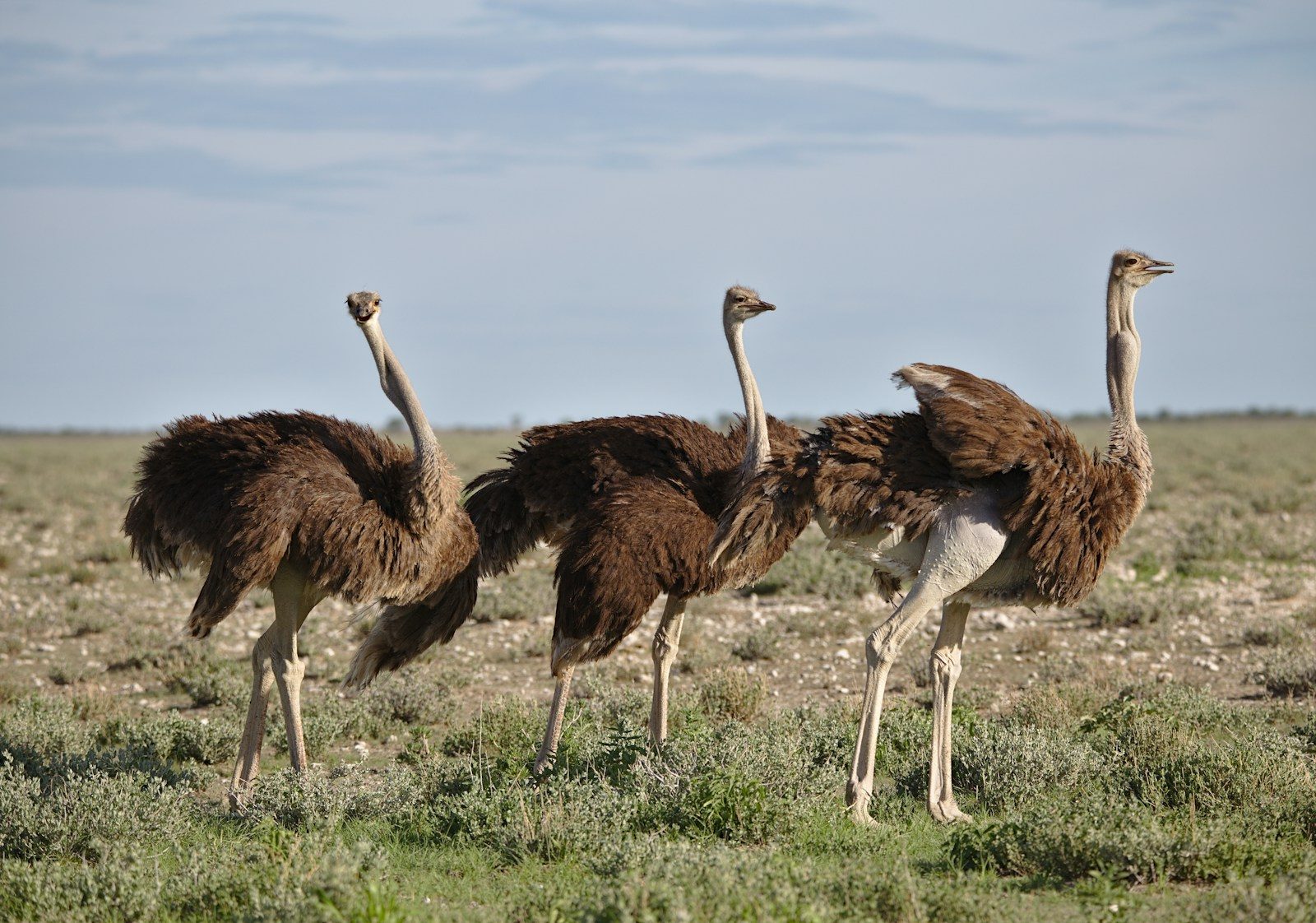
Ostriches are the largest living birds on Earth and are famous for their incredible speed and powerful legs. Although they generally avoid people, these flightless birds can become highly defensive if they feel threatened, especially during the breeding season or when protecting their nests and chicks.
Serious encounters with ostriches are uncommon, but their strength should never be underestimated. Knowing how these birds behave and understanding the safest way to respond can help reduce the risk of injury if you ever come across one.
Ostriches Can Deliver Powerful Kicks
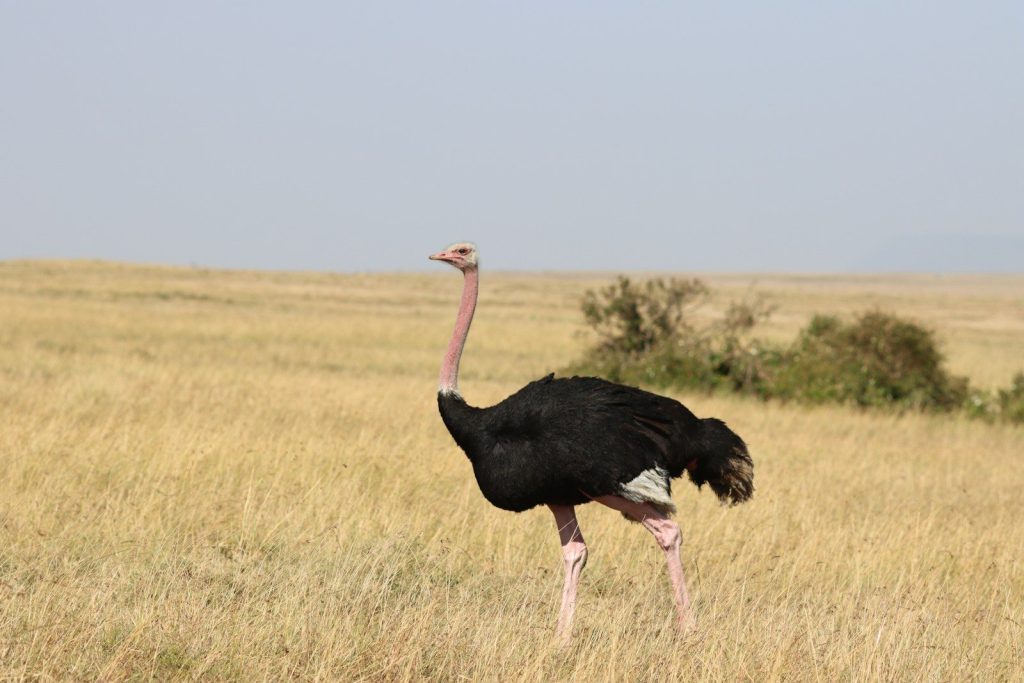
An ostrich’s legs are its primary form of defense and are capable of delivering extremely forceful forward kicks. Their long, muscular limbs and sharp claws can cause serious injuries to predators and, in rare cases, to humans.
Unlike many birds that rely on pecking or flapping their wings, ostriches use their legs to protect themselves. This makes maintaining a safe distance especially important during any encounter.
They Usually Prefer to Avoid Humans
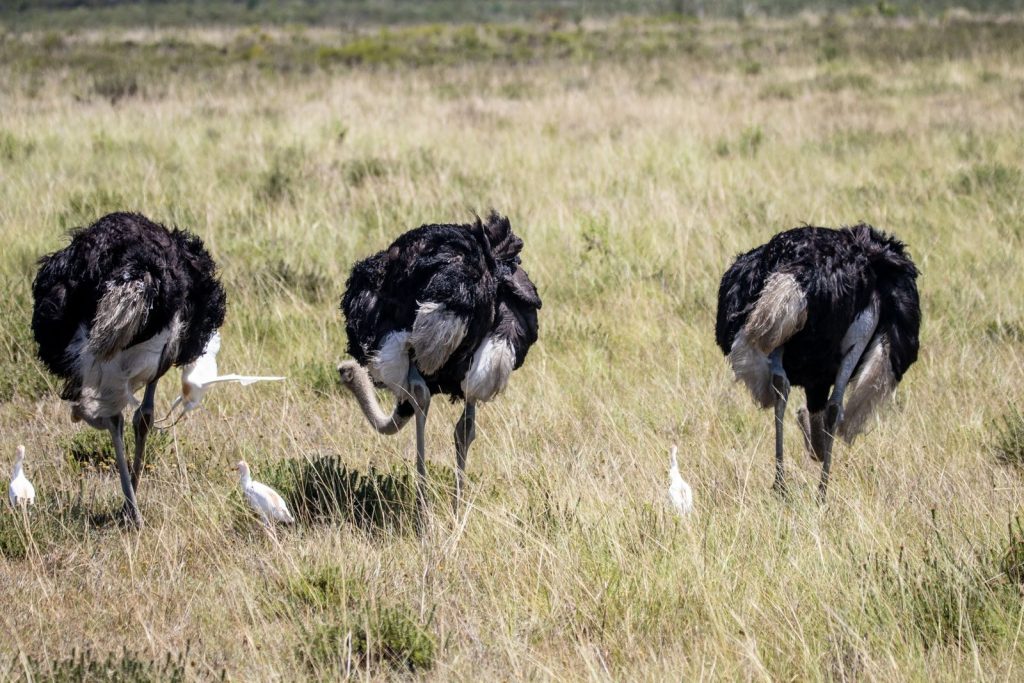
Despite their intimidating size, ostriches are not naturally aggressive toward people. In most situations, they will move away if they have enough space and do not feel cornered.
Problems are more likely to occur when an ostrich is surprised, defending its territory, or protecting young. Giving the bird plenty of room is the best way to avoid conflict.
Never Try to Approach or Feed an Ostrich
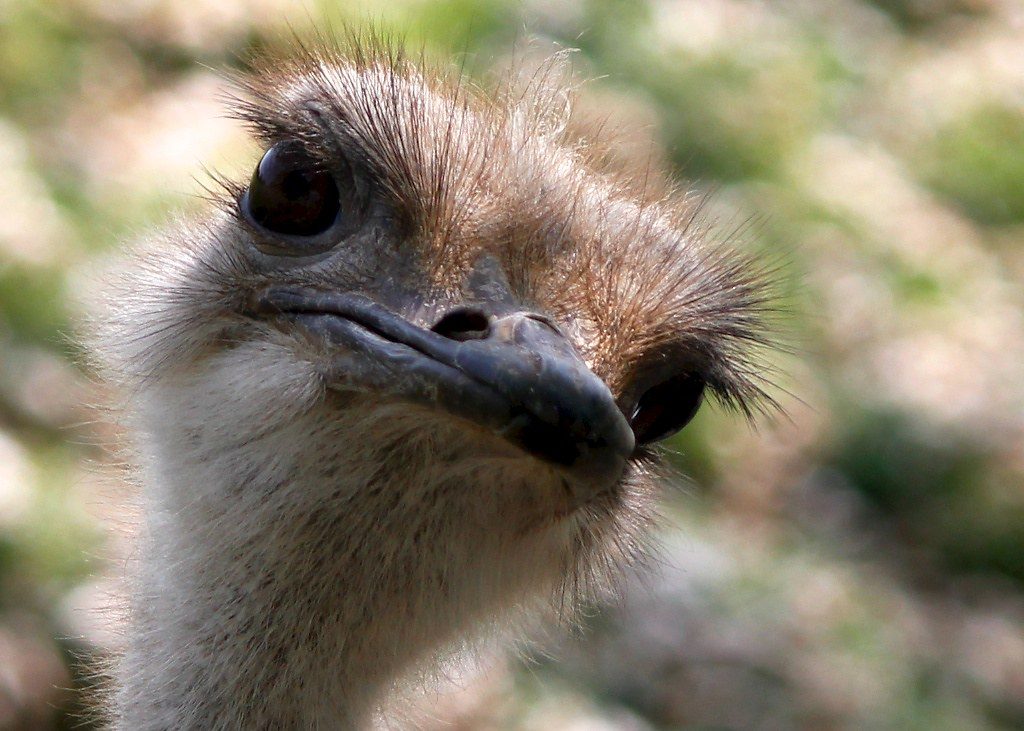
Attempting to get close for photographs or feeding can cause an ostrich to feel threatened. Wild animals should always be observed from a respectful distance, regardless of how calm they appear.
Approaching an ostrich may also block its escape route, increasing the chance of a defensive response. Respecting its personal space helps keep both people and wildlife safe.
Stay Calm and Back Away Slowly
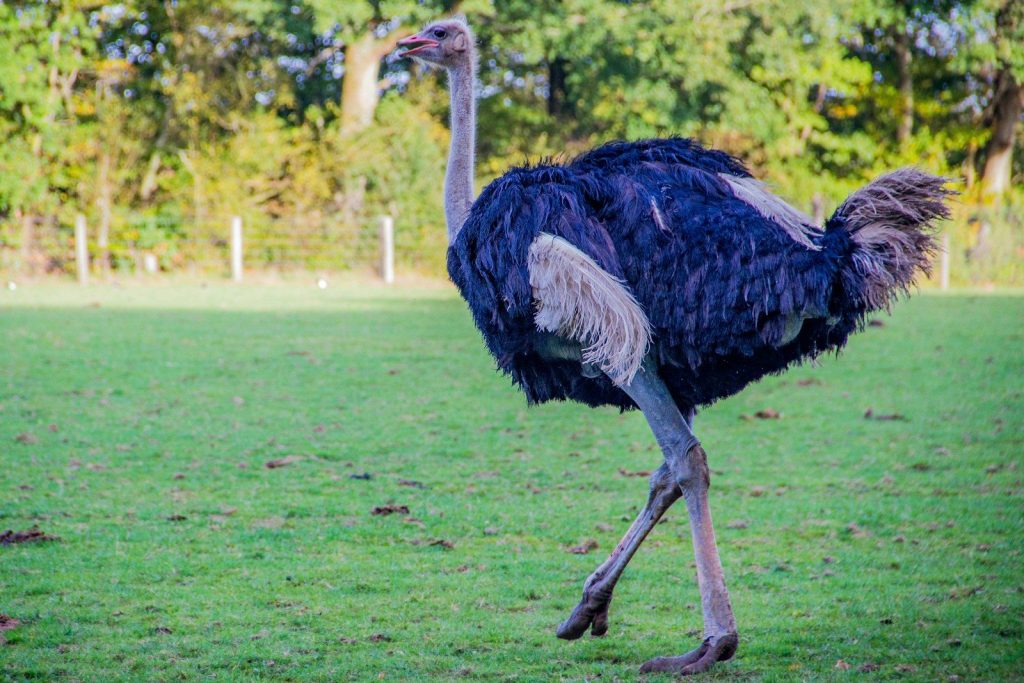
If an ostrich appears alert or begins moving toward you, avoid running or making sudden movements. Slowly increasing the distance between yourself and the bird is usually the safest response.
Keeping your movements controlled helps reduce the likelihood that the ostrich will interpret you as a threat. Look for a safe path away without turning the situation into a chase.
Use Large Objects as Barriers if Necessary
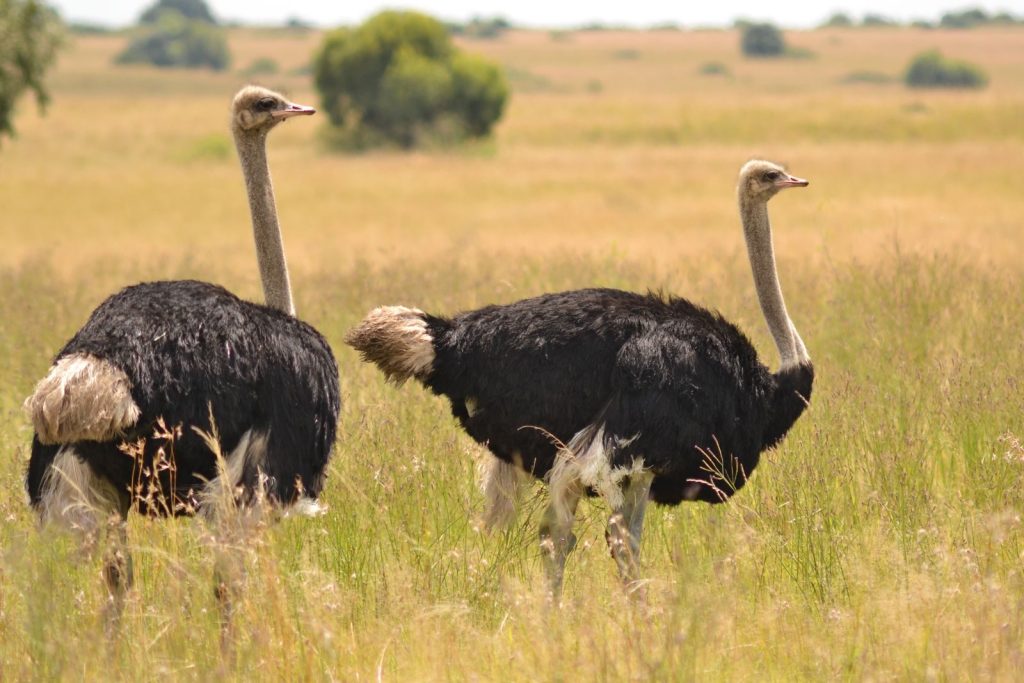
If you cannot leave the area immediately, placing a tree, fence, vehicle, or other solid object between yourself and the ostrich can provide valuable protection. Physical barriers make it more difficult for the bird to reach you directly.
Avoid attempting to confront or scare the ostrich away. Creating distance while using available cover is generally the safest strategy.
Avoid Nests and Chicks
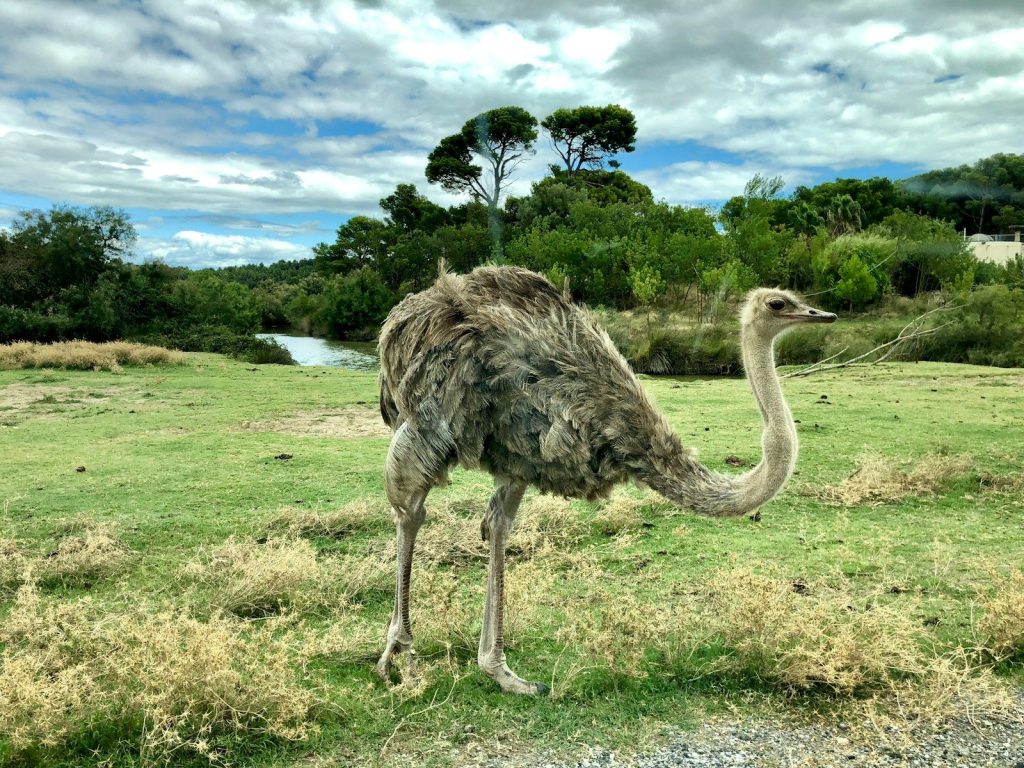
Adult ostriches become far more defensive when protecting eggs or young birds. Entering nesting areas greatly increases the chance of provoking a protective response.
If you notice chicks nearby, leave the area calmly and give the family plenty of space. Respecting breeding sites helps prevent unnecessary conflicts.