Ranking animal intelligence is far more complicated than it may seem. Every species has evolved to survive in its own environment, meaning behaviors that appear simple or unusual to humans may actually be highly effective adaptations. For this reason, scientists generally avoid labeling any animal as truly “dumb.”
Still, certain species have earned reputations for being less intelligent because of their behavior, brain size, or limited problem solving abilities in comparison with other animals. In reality, each of these creatures possesses specialized skills that allow it to thrive in its natural habitat.
Sloths Prioritize Energy Conservation
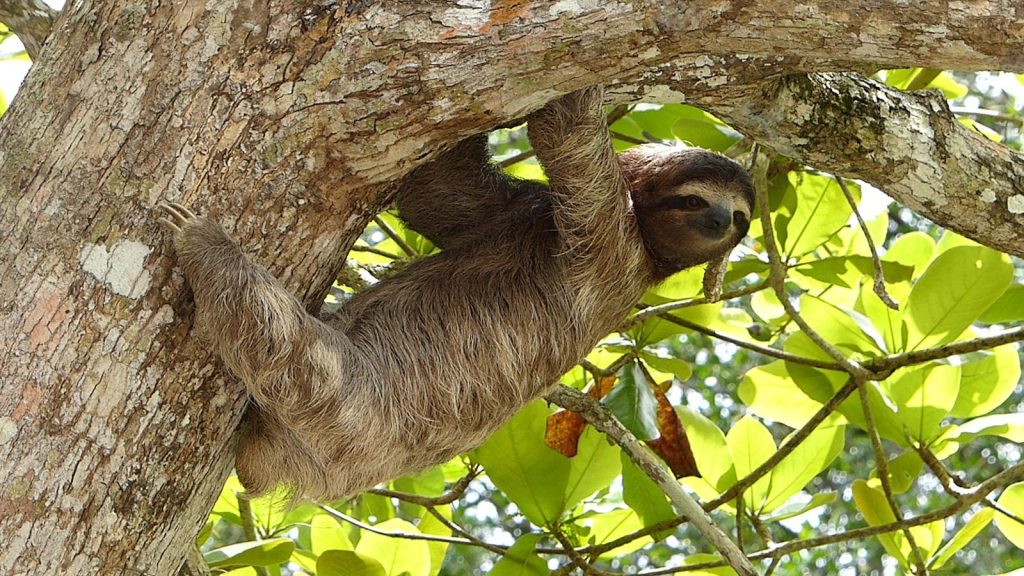
Sloths are often described as unintelligent because they move slowly and spend much of their lives hanging from trees. However, their sluggish lifestyle is an adaptation to their low energy diet rather than a sign of poor intelligence.
By conserving energy, sloths can survive on nutrient poor leaves that few other mammals rely upon. Their slow movements also make them less noticeable to predators.
Turkeys Are Smarter Than Their Reputation Suggests
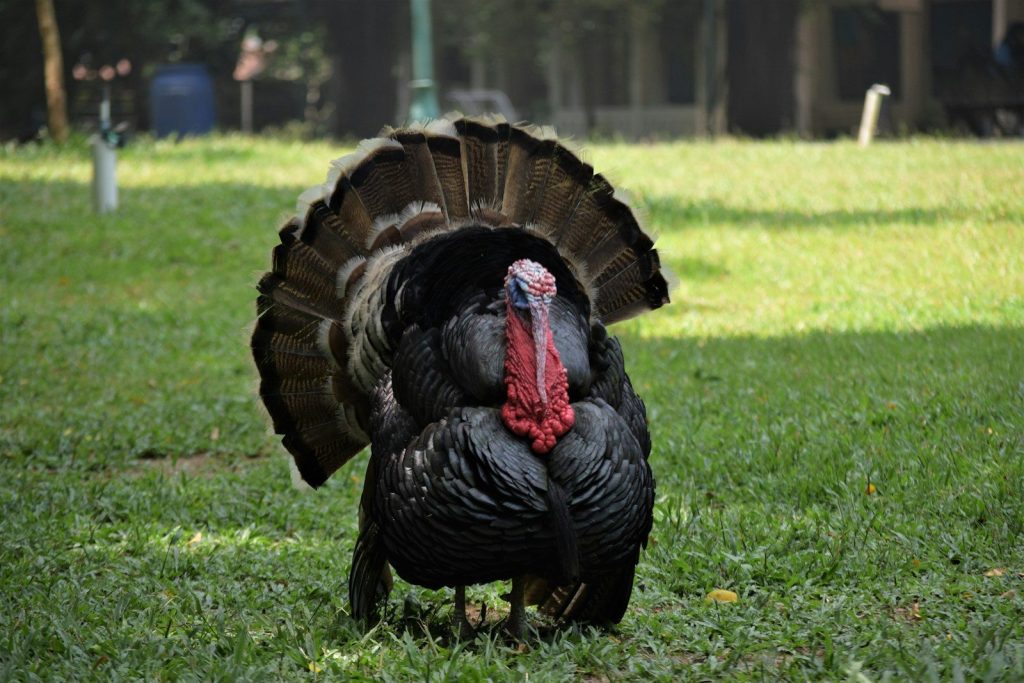
Domestic turkeys have long been the subject of myths suggesting they lack awareness or basic instincts. In reality, wild turkeys demonstrate excellent vision, strong memories, and complex social behaviors.
Their reputation largely comes from misconceptions rather than scientific evidence. Studies have shown that wild turkeys can recognize danger and adapt well to changing environments.
Koalas Have Specialized Brains for Their Lifestyle
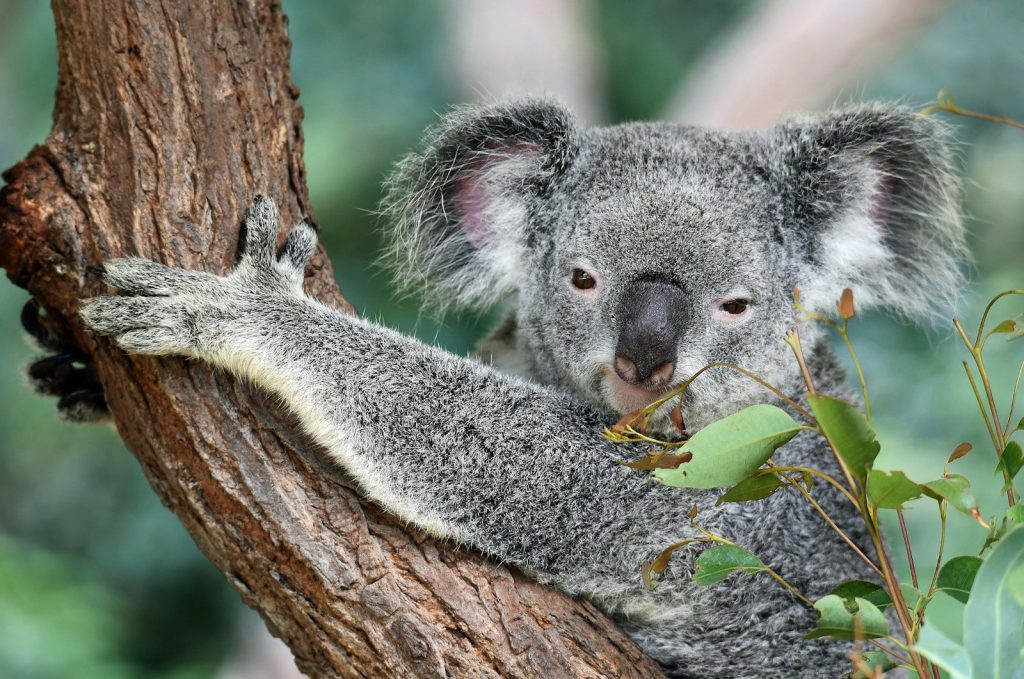
Koalas are sometimes labeled unintelligent because they rely almost entirely on eucalyptus leaves and can struggle to recognize food presented in unfamiliar ways. Their brains have evolved specifically to support a highly specialized lifestyle.
Since eucalyptus provides little energy, koalas spend much of the day resting to conserve calories. Their behavior reflects adaptation rather than a lack of survival skills.
Ostriches Depend on Speed Instead of Problem Solving
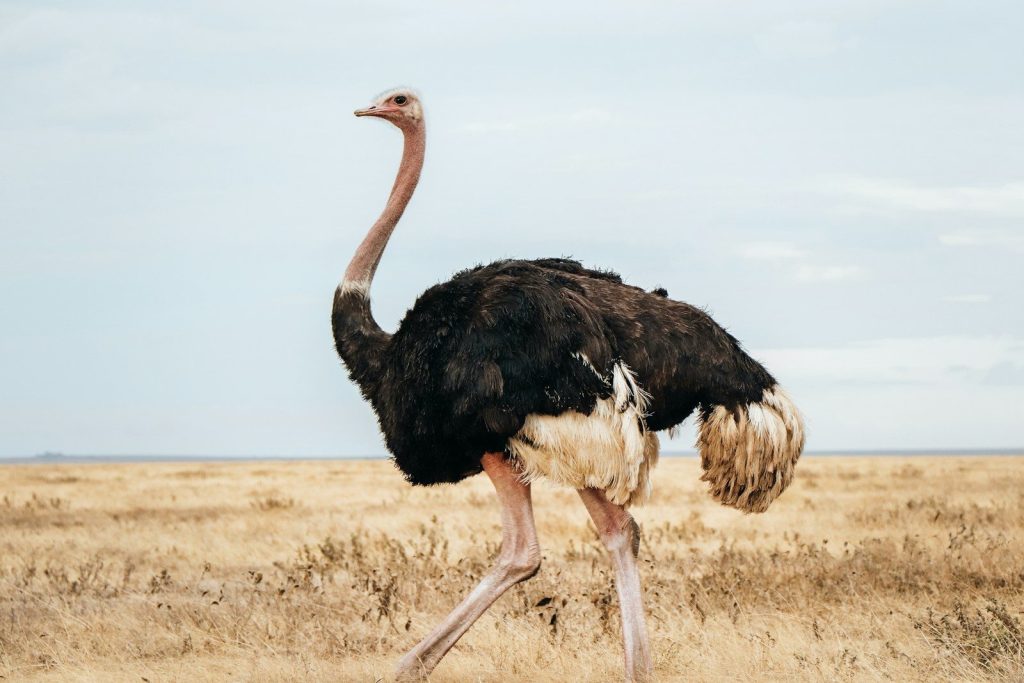
Ostriches are occasionally considered unintelligent because they react quickly to threats rather than carefully analyzing situations. Their survival strategy depends on powerful legs and exceptional running speed instead of complex decision making.
Capable of reaching impressive speeds across open landscapes, ostriches rely on physical adaptations that have served them well for millions of years. Fast reactions are often more valuable than extended deliberation.
Jellyfish Thrive Without a Brain
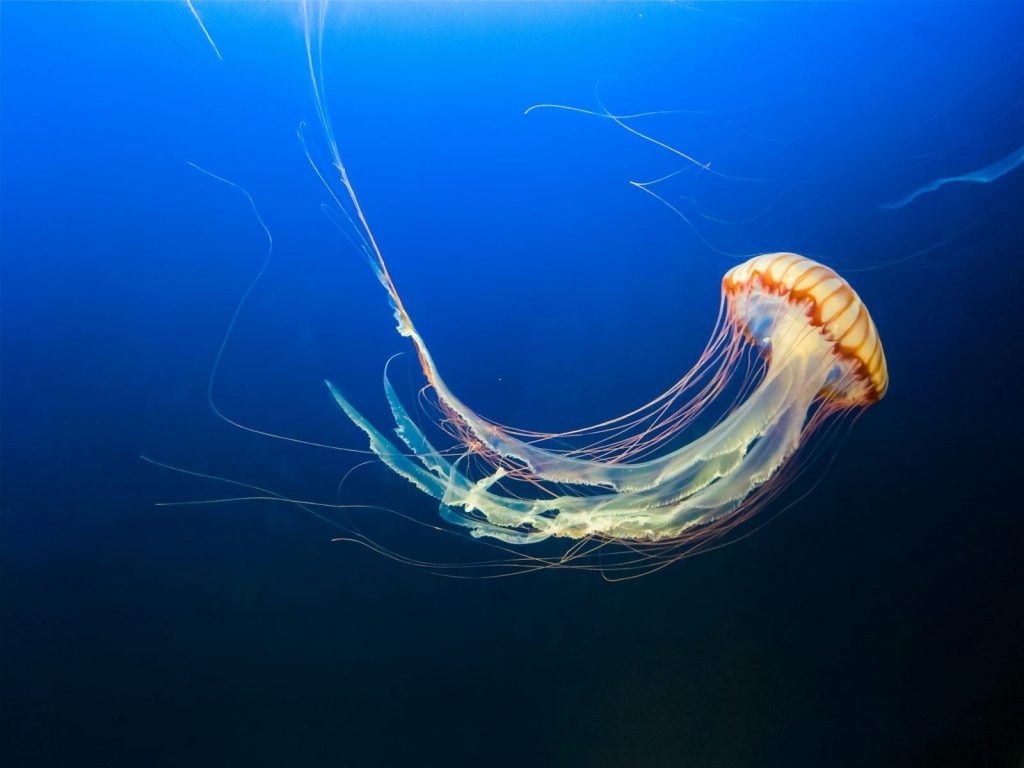
Jellyfish are among the simplest animals on Earth because they do not possess a centralized brain. Instead, they rely on a network of nerves that coordinates movement and responses to their environment.
Despite this simple nervous system, jellyfish have survived for hundreds of millions of years. Their remarkable longevity demonstrates that complex intelligence is not necessary for evolutionary success.
Pandas Follow a Highly Specialized Lifestyle
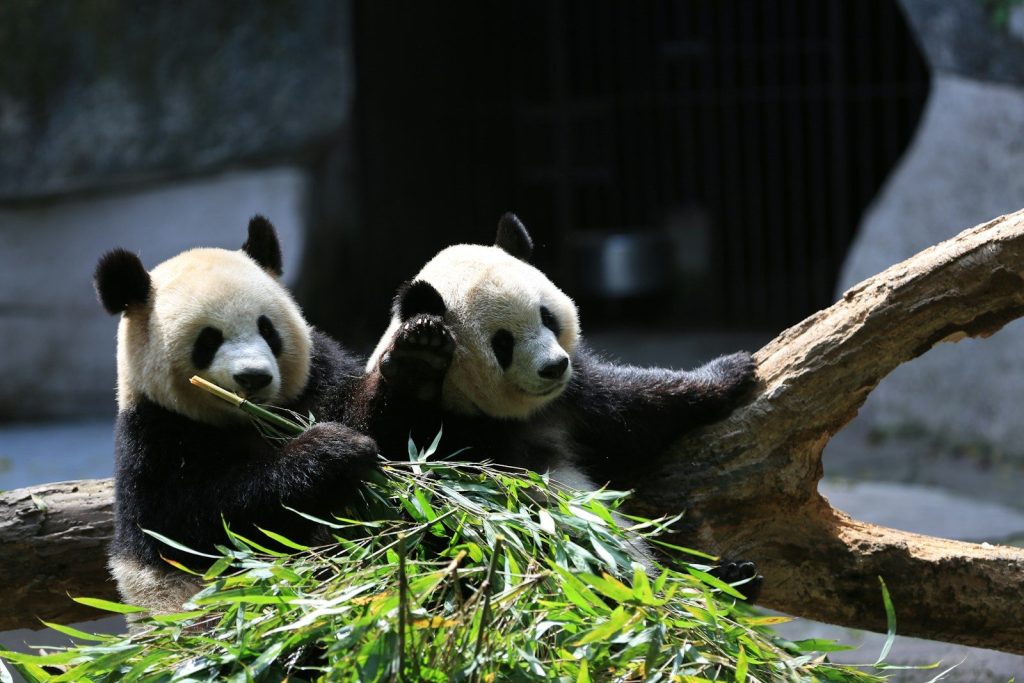
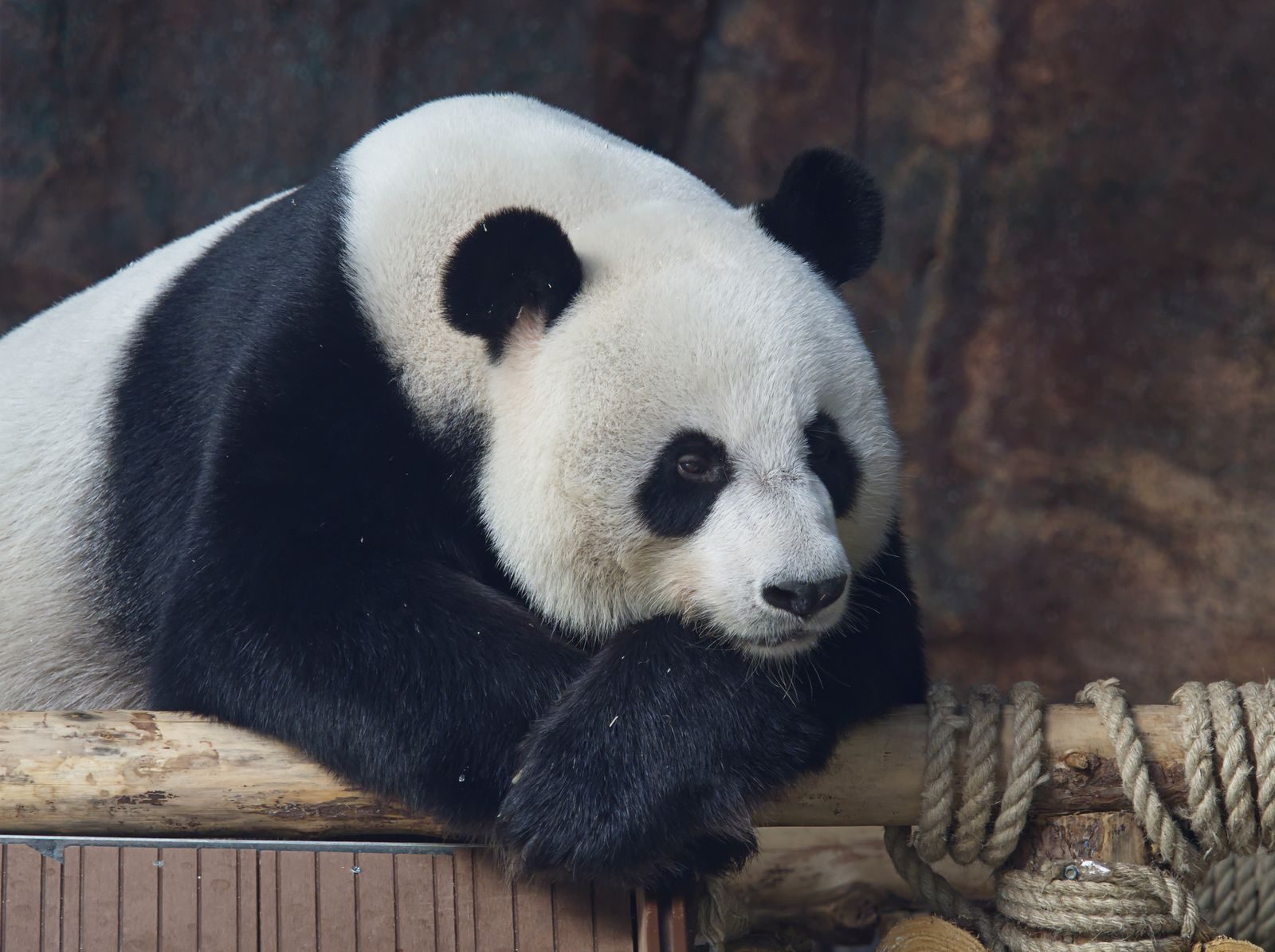
Giant pandas are sometimes criticized for their limited diet and low reproductive rates. However, these traits reflect their unique evolutionary history rather than an absence of intelligence.
Their daily routines revolve around consuming bamboo and conserving energy, allowing them to survive in mountain forests where food choices are limited. Their behavior is highly specialized for their ecological niche.