California wildlife officials believe invasive nutria may have been deliberately reintroduced into the state after new genetic research challenged the idea that the rodents migrated naturally. The findings raise fresh concerns about the spread of a species known for damaging wetlands, farms, and critical water infrastructure.
Officials have already removed thousands of nutria since they resurfaced in 2017, but the new evidence suggests human activity may have played a key role in restarting the invasion.
New Study Points to Human Involvement
A recent study by the California Department of Fish and Wildlife found that California’s nutria share a strong genetic connection with populations in Oregon.
Because the two populations are separated by a considerable distance, researchers say it is highly unlikely the rodents traveled naturally. Instead, they believe the animals were likely introduced by people, although the exact reason remains unknown.
How Nutria Returned to California
Native to South America, nutria were originally brought to the United States in the early 1900s for the fur trade. California had considered the species eradicated until a pregnant female was discovered in Merced County in 2017.
Since then, wildlife officials have removed more than 7,800 nutria through extensive trapping programs and by using sterilized, radio-tagged animals to locate hidden populations.
Why Nutria Are Such a Serious Threat
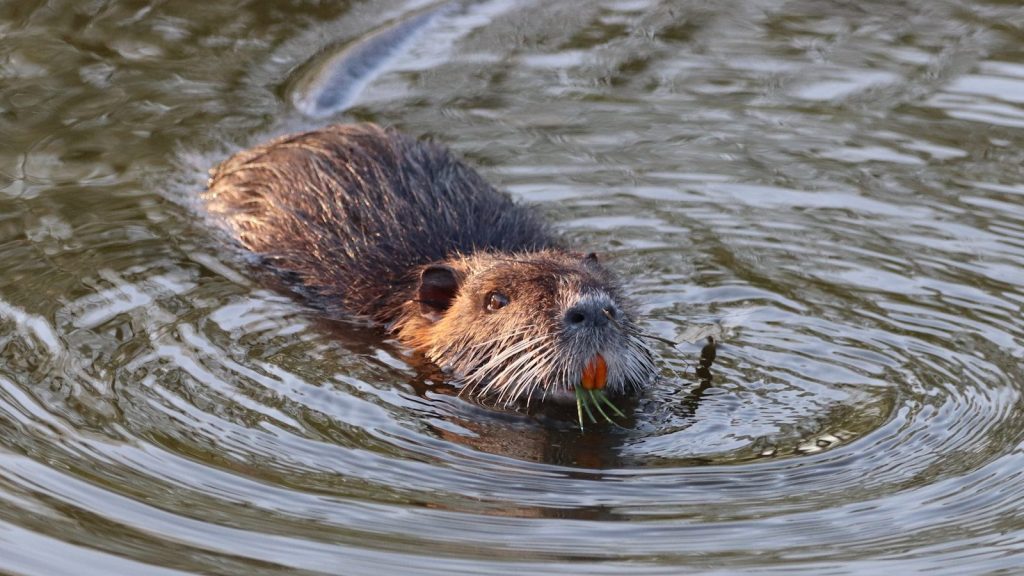
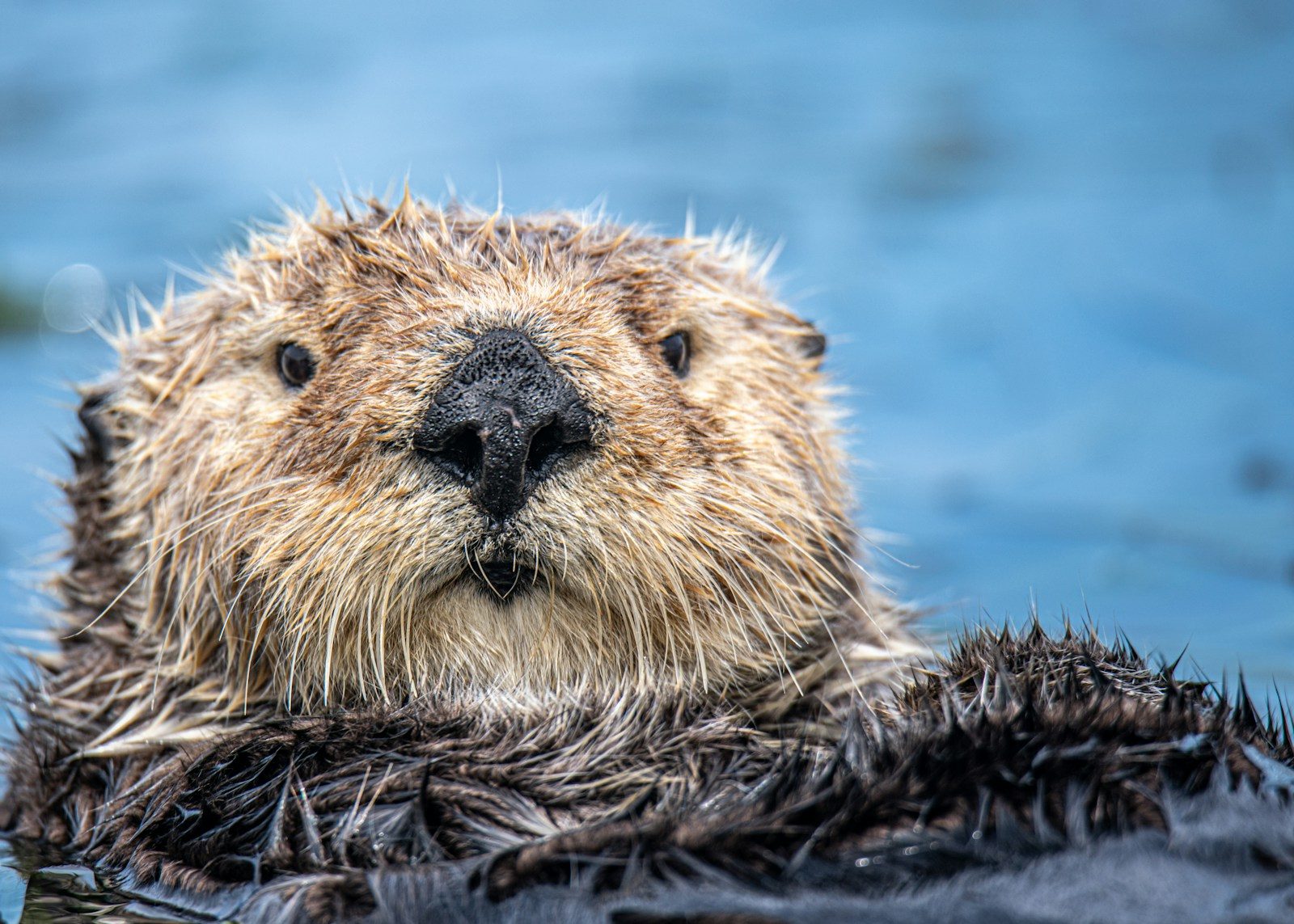
Despite their beaver-like appearance, nutria are among the most destructive invasive rodents. They consume large amounts of vegetation, burrow into levees and marshes, and weaken waterways that support agriculture and flood control.
Their growing presence in California’s Central Valley, especially around the Sacramento-San Joaquin Delta, threatens fragile wetlands, irrigation systems, and the state’s water infrastructure.
How Officials Are Fighting the Invasion
California continues its aggressive eradication campaign using traps and tracking techniques to prevent nutria from spreading further.
Federal officials have even suggested harvesting nutria for food as one possible population control method, with some people already experimenting with recipes. Wildlife experts also remind the public that moving animals into new habitats—whether intentionally or accidentally—can have lasting environmental and economic consequences.
Why Scientists Believe the Rodents Didn’t Arrive Naturally
Researchers found that California’s nutria are genetically very similar to populations in Oregon. Given the long distance between the two states, experts say it is highly unlikely the animals migrated on their own. The findings suggest that people may have intentionally released the rodents into California, though the exact motive remains unknown.