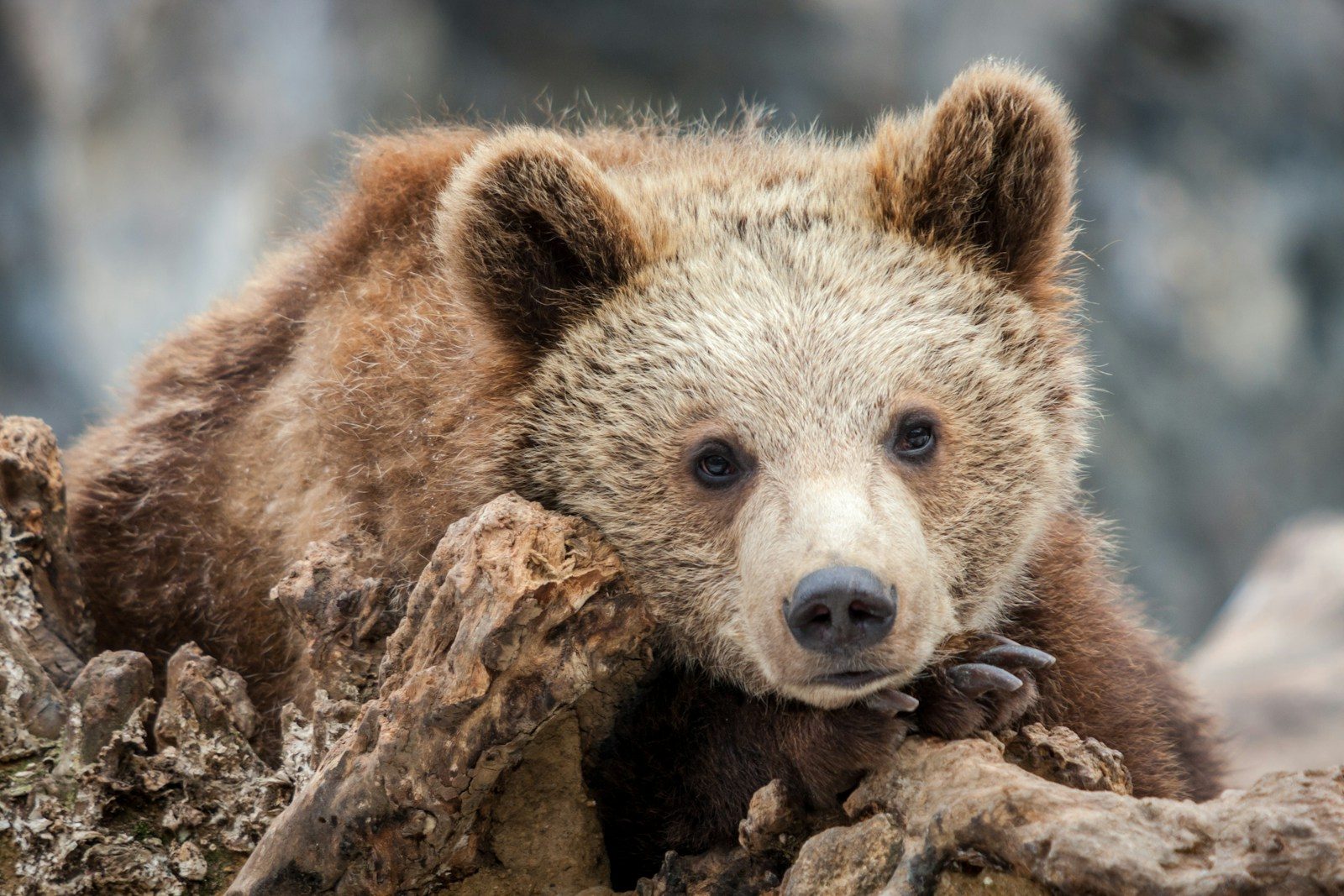
Two tiny grizzly bear cubs are beginning a new chapter after arriving at Colorado’s Cheyenne Mountain Zoo following the loss of their mother in the wild. Although their story began with tragedy, wildlife experts hope they will now inspire visitors to better understand and protect wild bears.
The six-month-old cubs are currently adjusting to life behind the scenes while receiving specialized care. Their journey also highlights the challenges wildlife face when repeated encounters with humans make survival in the wild impossible.
Two Tiny Cubs Begin a Fresh Start
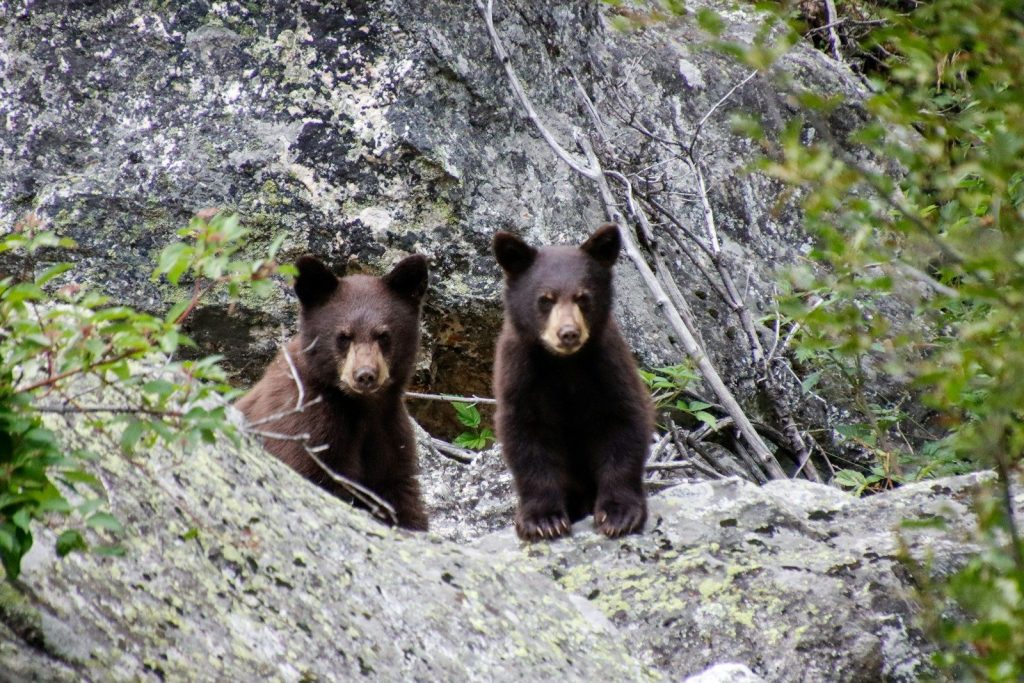
The orphaned cubs arrived at Cheyenne Mountain Zoo after a 10-hour journey from Montana, where wildlife officials determined they could no longer survive on their own. At just six months old, they weighed around 30 pounds each and still displayed the fluffy ears and distinctive white neck collars typical of young grizzlies.
Since arriving, the pair have been settling into their new surroundings away from public view. Keepers say they are eating well, growing quickly, and spending much of their time playing, climbing, exploring, and cuddling together.
Life Behind the Scenes
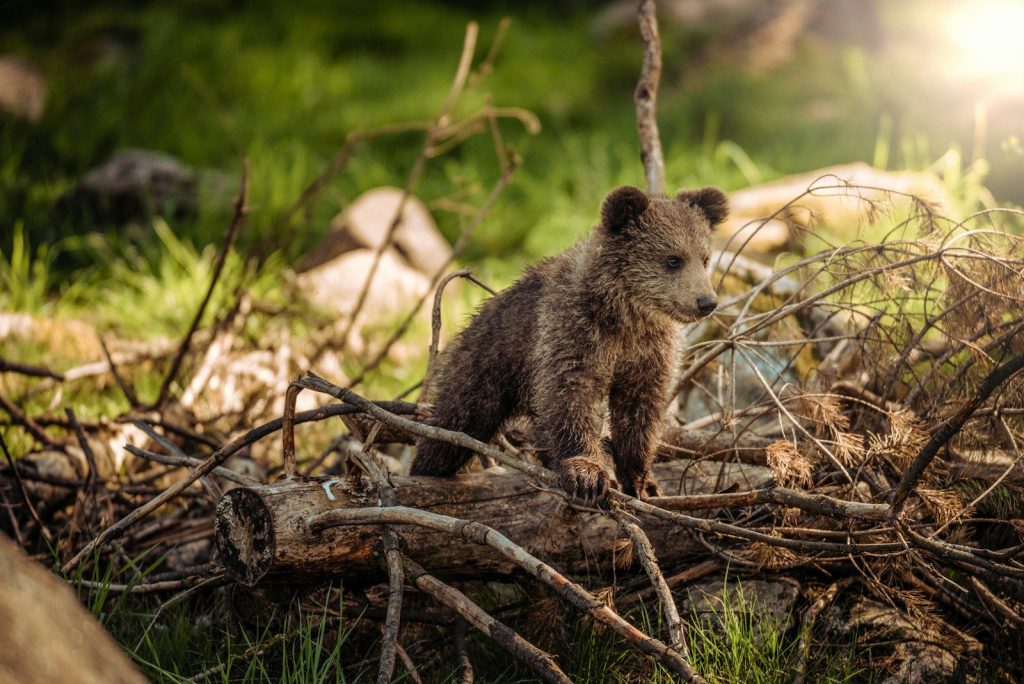
The cubs are currently living in the zoo’s conservation center while completing an important quarantine period. During this time, veterinarians are conducting health examinations, vaccinations, and routine treatments to ensure they remain healthy before eventually joining the public habitat.
Animal care staff are also building trust with the young bears through daily interactions and training sessions. One cub has already shown a slightly bolder personality by approaching keepers first and eagerly investigating enrichment items and even surveillance cameras.
Learning from Older Grizzlies
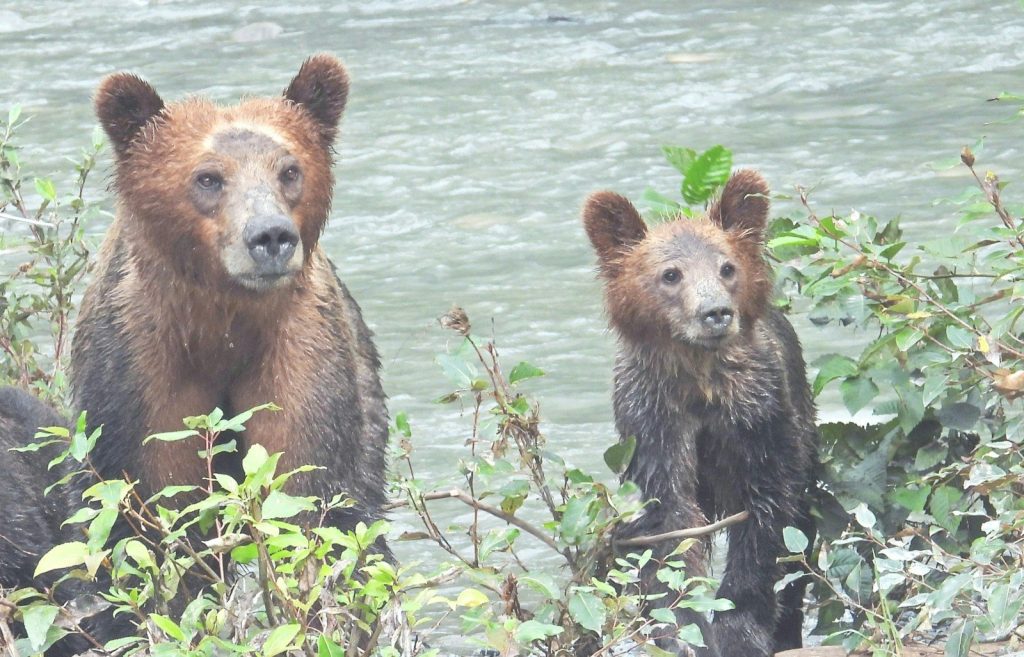
The zoo already cares for two adult grizzly bears, Emmett and Digger, who also arrived after being removed from the wild because of repeated conflicts with people. For more than two decades, they have helped educate visitors about living safely alongside bears.
Although the new cubs will not share the same enclosure, zoo staff hope they will eventually become familiar with the older bears through secure fencing. Any introductions will happen gradually once both the cubs and their care team feel they are ready.
Why Their Mother Could Not Stay Wild
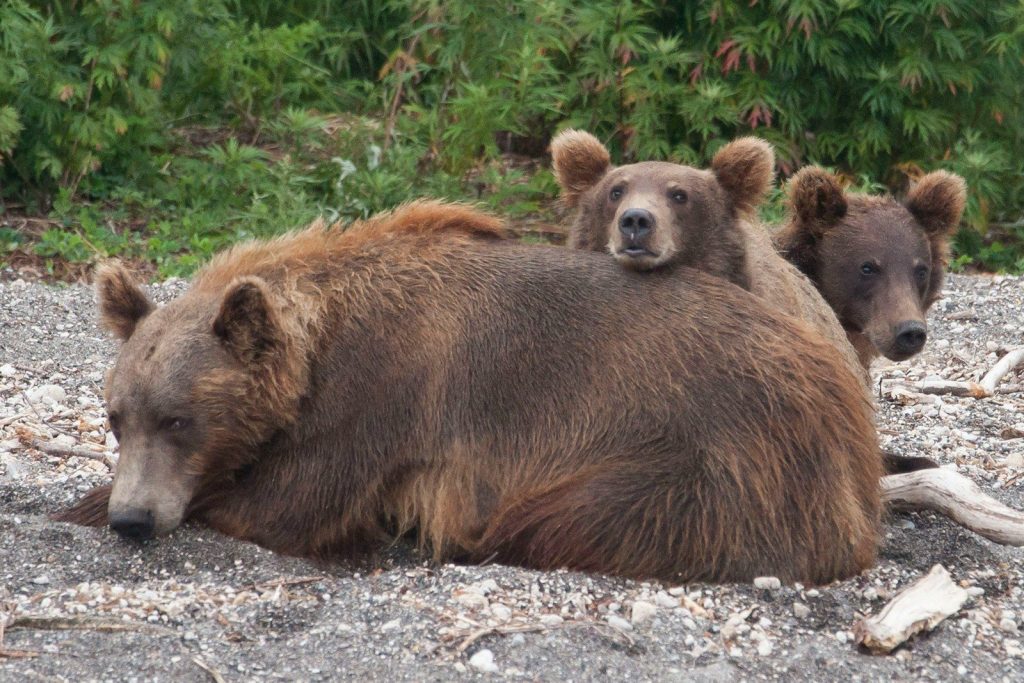
The cubs became orphaned after wildlife officials euthanized their mother following a long history of conflicts with humans. Her most recent incident involved livestock, adding to previous encounters that ultimately made relocation impossible.
Wildlife experts stress that these difficult decisions are often linked to bears becoming comfortable around people or human food sources. Feeding wildlife or getting too close for photographs can unintentionally change animal behavior and reduce their chances of surviving in the wild.
A Reminder to Respect Wildlife
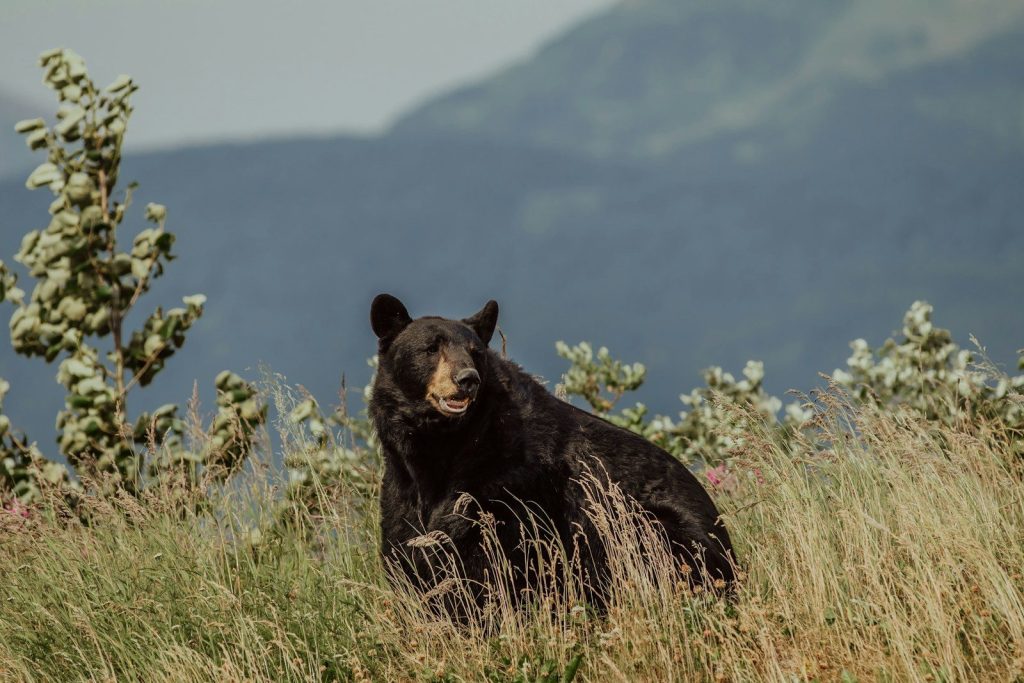
Zoo staff hope the cubs’ story encourages people to admire wildlife responsibly while keeping a safe distance. Preventing bears from associating humans with food remains one of the best ways to reduce dangerous encounters and protect wild populations.
For now, the young siblings will continue growing behind the scenes until they are ready for public viewing. While they can never return to the wild, their new home offers them a safe future and an opportunity to teach thousands of visitors why keeping wildlife truly wild is so important.