Cats and dogs have shared our homes for thousands of years, but many people have wondered whether humans are more closely related to one species than the other. While both animals belong to the mammal family, evolutionary biology offers a fascinating perspective on how our lineages are connected.
The answer is not as straightforward as choosing one over the other. Humans, cats, and dogs all share ancient common ancestors, but millions of years of evolution have shaped each species into the unique animals we know today.
Humans, Cats, and Dogs All Share Ancient Mammalian Ancestors
Humans, cats, and dogs are all mammals, meaning they descend from early mammalian ancestors that lived long before modern species appeared. These shared ancestors existed hundreds of millions of years ago, long before the evolution of primates or carnivores.
Although we have a common evolutionary history, the branches leading to humans, cats, and dogs separated over vast periods of time. As a result, each lineage developed its own distinctive characteristics and adaptations.
Cats and Dogs Belong to the Carnivore Family
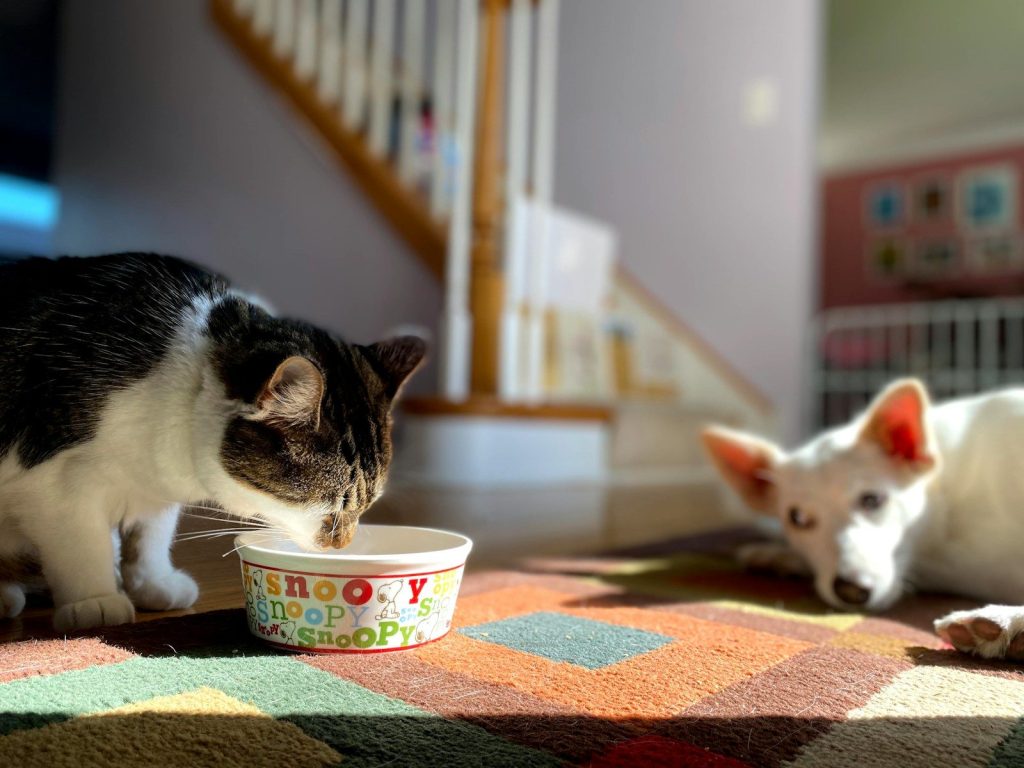
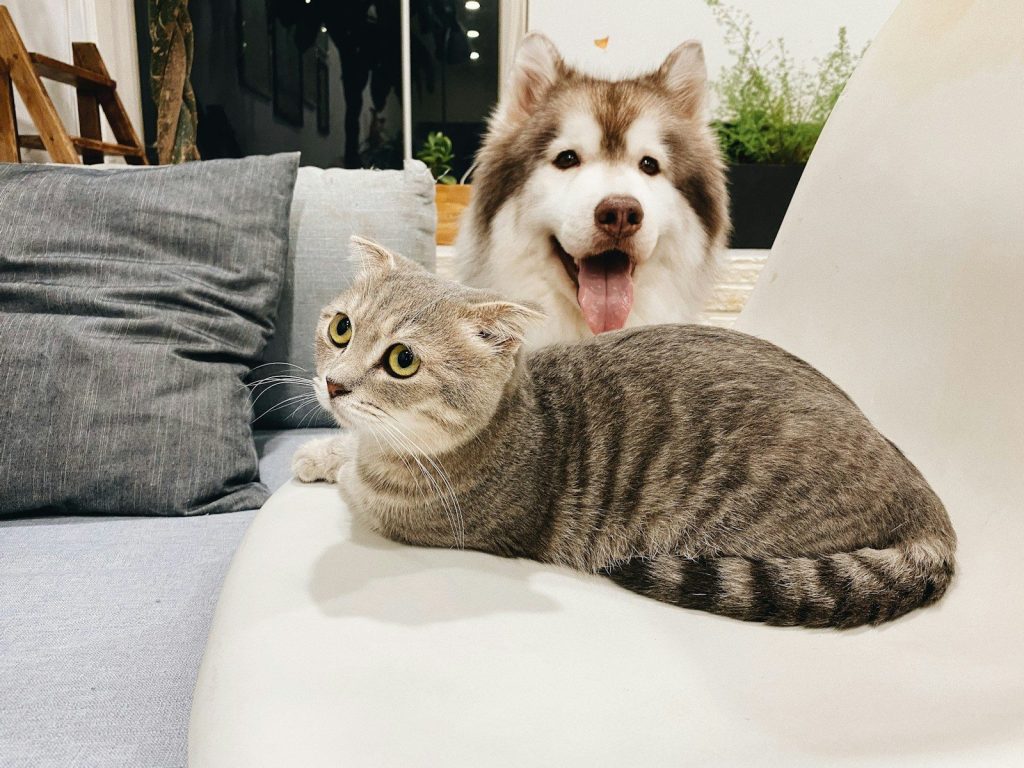
Cats and dogs are much more closely related to one another than either is to humans. Both belong to the order Carnivora, even though modern dogs have evolved to eat a more varied diet than cats.
Within this order, cats belong to the Felidae family, while dogs are members of the Canidae family. Their shared ancestry explains why they possess certain similar skeletal and anatomical features despite their differences.
Humans Followed a Different Evolutionary Path
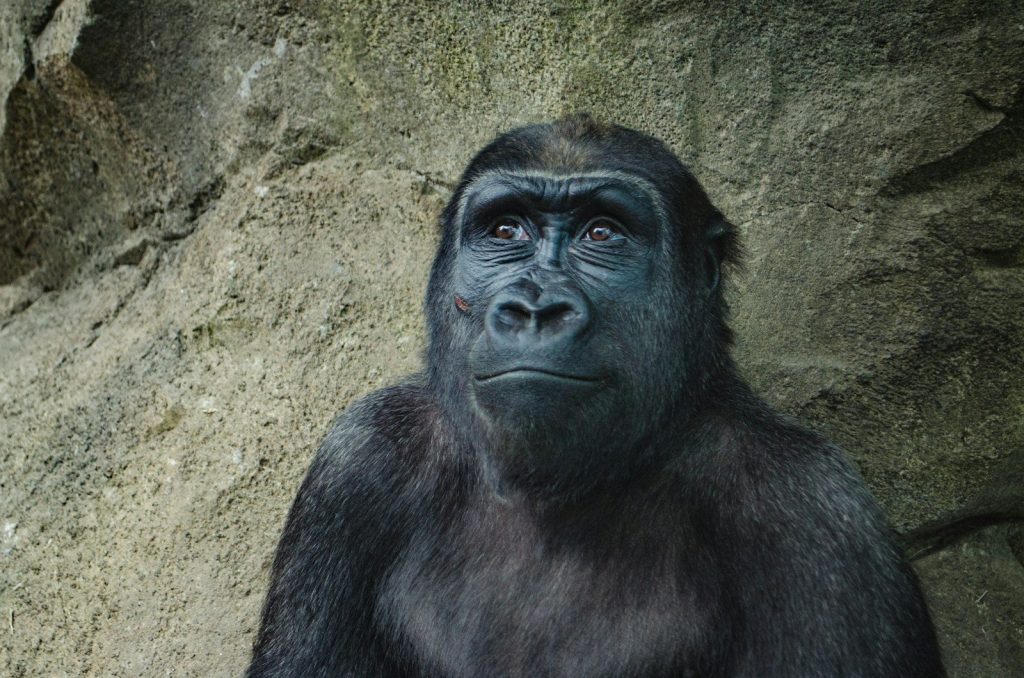
Humans belong to the order Primates, which includes monkeys, apes, and other closely related species. Our evolutionary journey diverged from the ancestors of modern cats and dogs tens of millions of years ago.
Because of this separation, humans share a much closer genetic relationship with other primates than with any carnivorous mammals. Chimpanzees and bonobos remain our closest living relatives.
Genetics Reveal Similar Distances
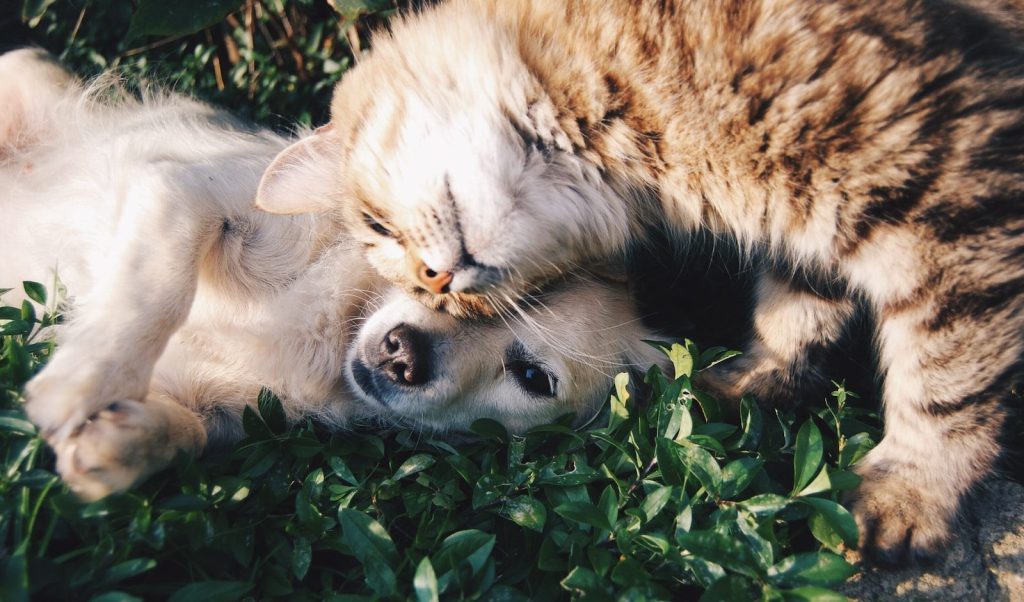
Modern genetic research shows that humans share a large percentage of their genes with both cats and dogs because all mammals rely on many of the same biological processes. However, neither species is significantly closer to humans than the other in evolutionary terms.
The genetic similarities mostly involve essential functions that mammals have inherited from common ancestors. These shared genes help regulate growth, organ development, metabolism, and other fundamental biological systems.
Why We Share So Much With Other Mammals
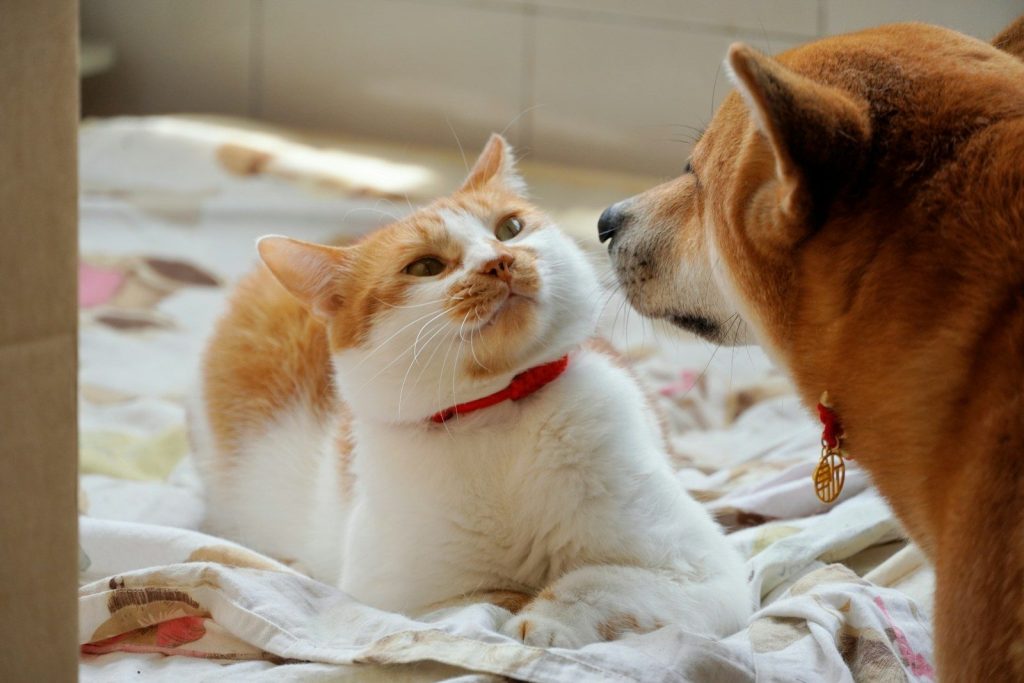
Many of the genes found in humans are also present in cats, dogs, and numerous other mammals. This genetic overlap reflects the shared blueprint that has been passed down through millions of years of evolution.
Despite these similarities, relatively small genetic differences can produce major changes in appearance, behavior, and physiology. Evolution has gradually shaped each species according to its environment and lifestyle.
The Human Bond With Cats and Dogs Is Equally Unique
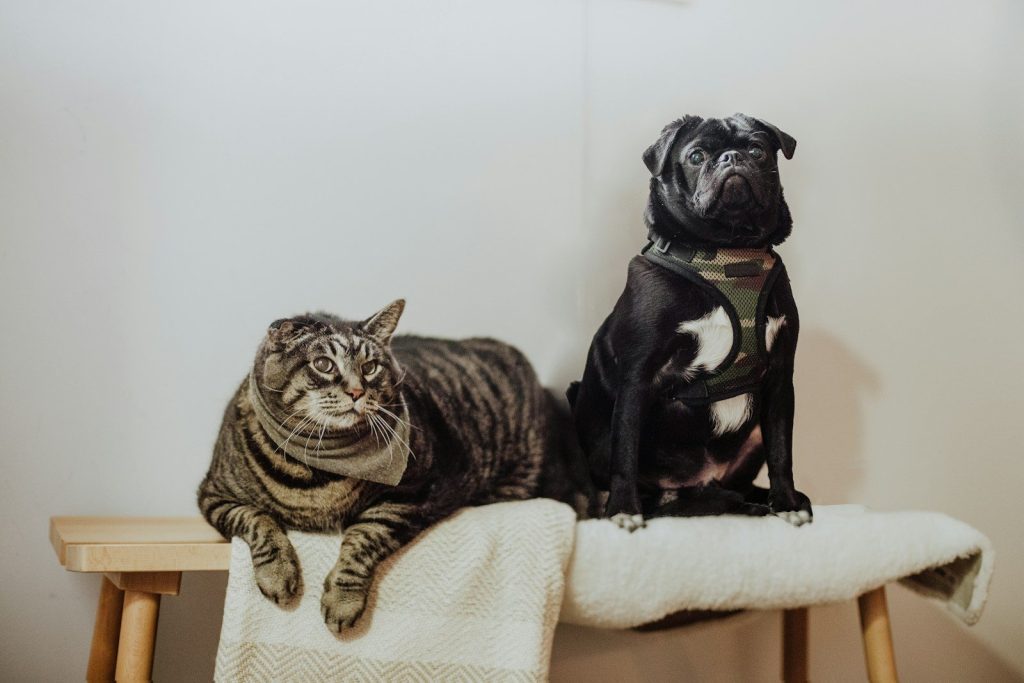
Our close relationships with cats and dogs are the result of domestication rather than biological relatedness. Dogs were domesticated thousands of years ago to assist with hunting, guarding, and companionship, while cats became valued partners by helping control rodent populations.
Over time, both species developed strong social connections with humans. Today, they remain among the world’s most popular companion animals because of their intelligence, adaptability, and ability to form lasting bonds.