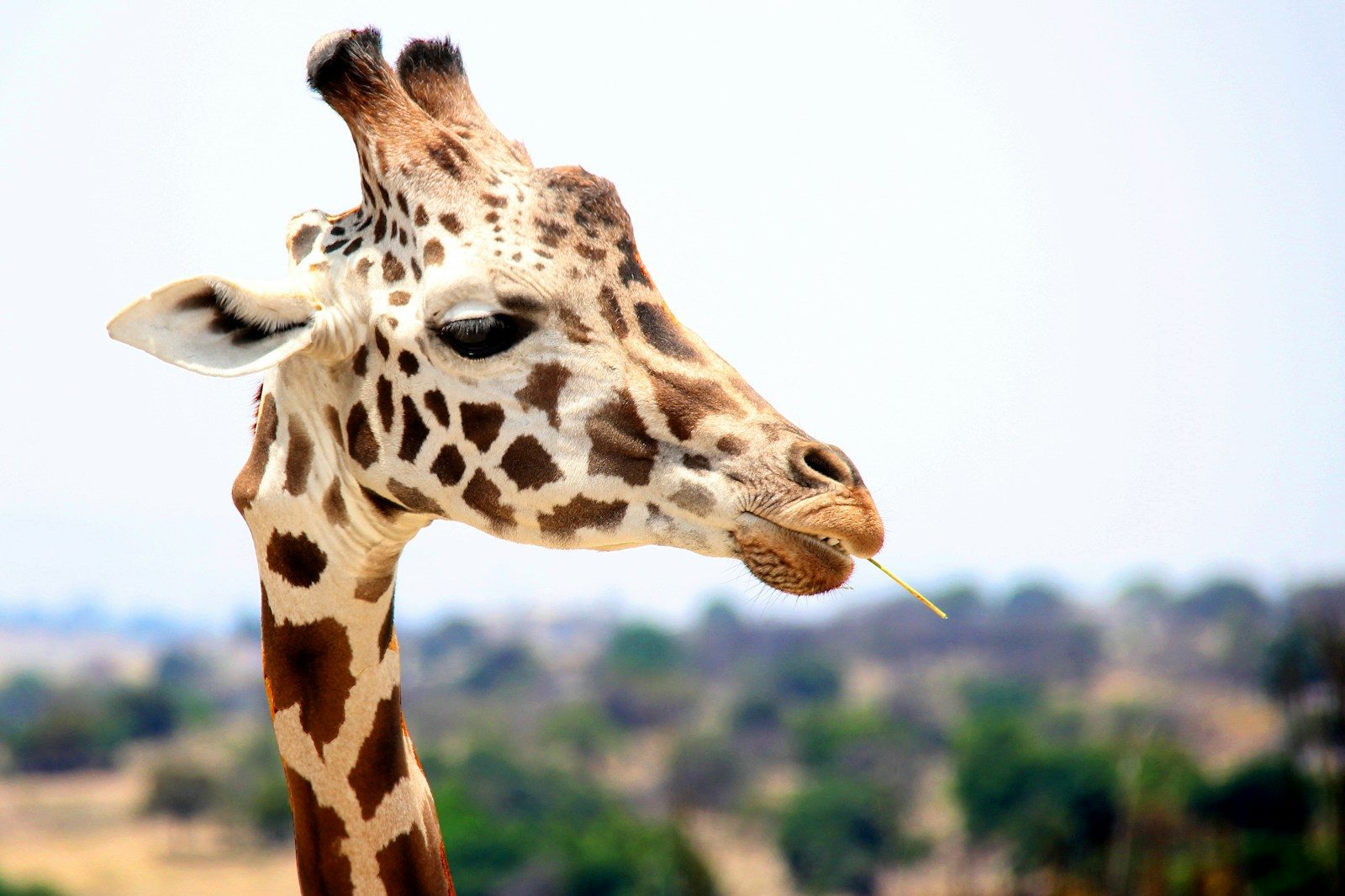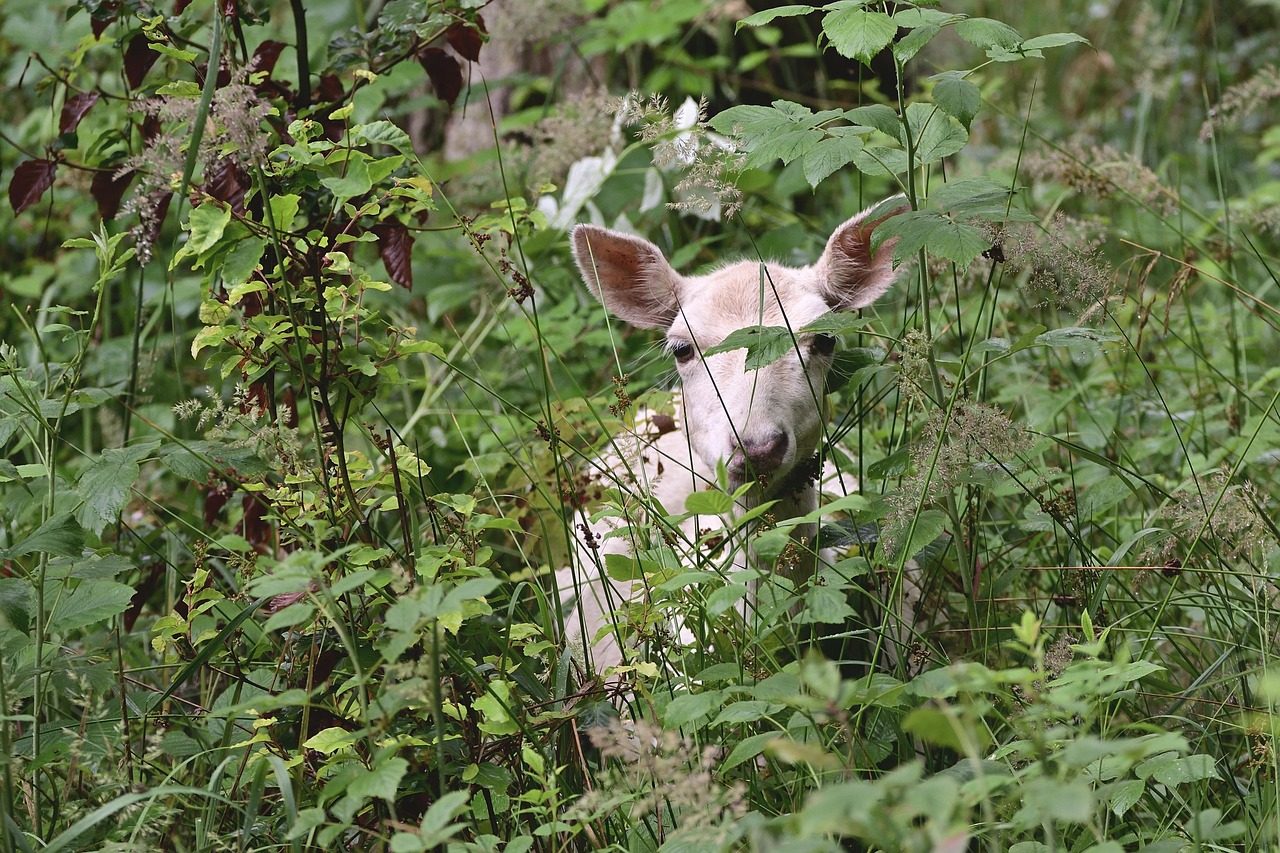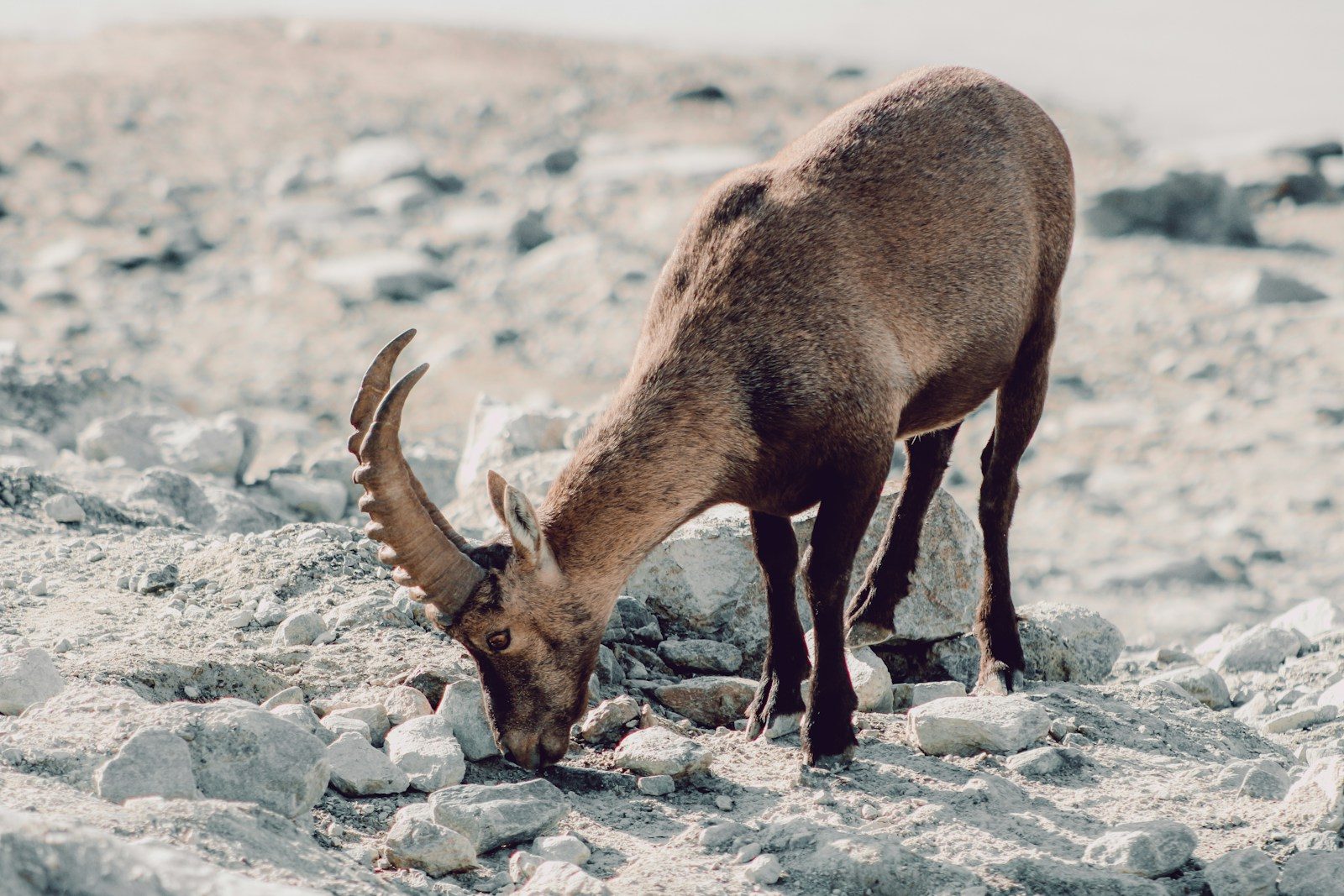
Salt is one of the most important minerals animals need to survive. It helps regulate muscles, nerves, hydration, and many other essential body functions. Unlike humans, wild animals cannot simply add salt to their food, so they must rely entirely on natural sources found in their habitats.
Over millions of years, different species have developed unique ways to obtain this vital nutrient. Whether they are licking mineral-rich rocks, drinking from salty springs, or getting sodium from their prey, every animal has its own strategy for meeting this essential need.
Natural Salt Licks Are Nature’s Mineral Stations
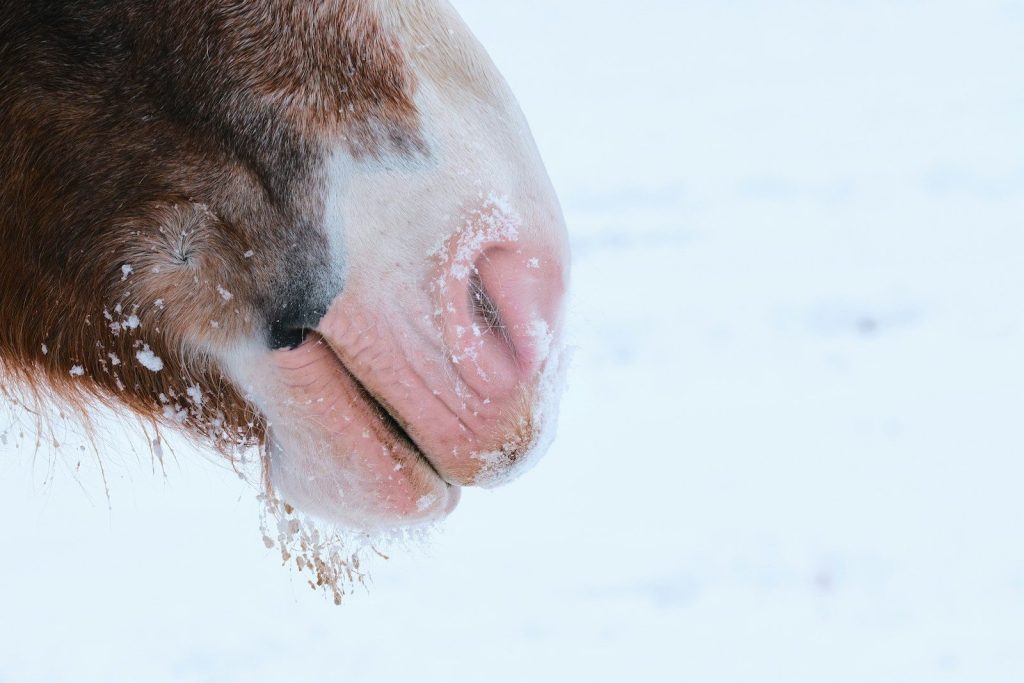
Natural salt licks are places where mineral-rich rocks or soil contain high concentrations of sodium and other nutrients. Herbivores such as deer, elk, moose, elephants, and bison often travel long distances to reach these valuable locations.
These sites become important gathering spots for wildlife throughout the year. Visiting salt licks helps animals replace minerals lost through sweating, growth, pregnancy, and seasonal changes in their diet.
Plants and Water Can Supply Small Amounts of Salt
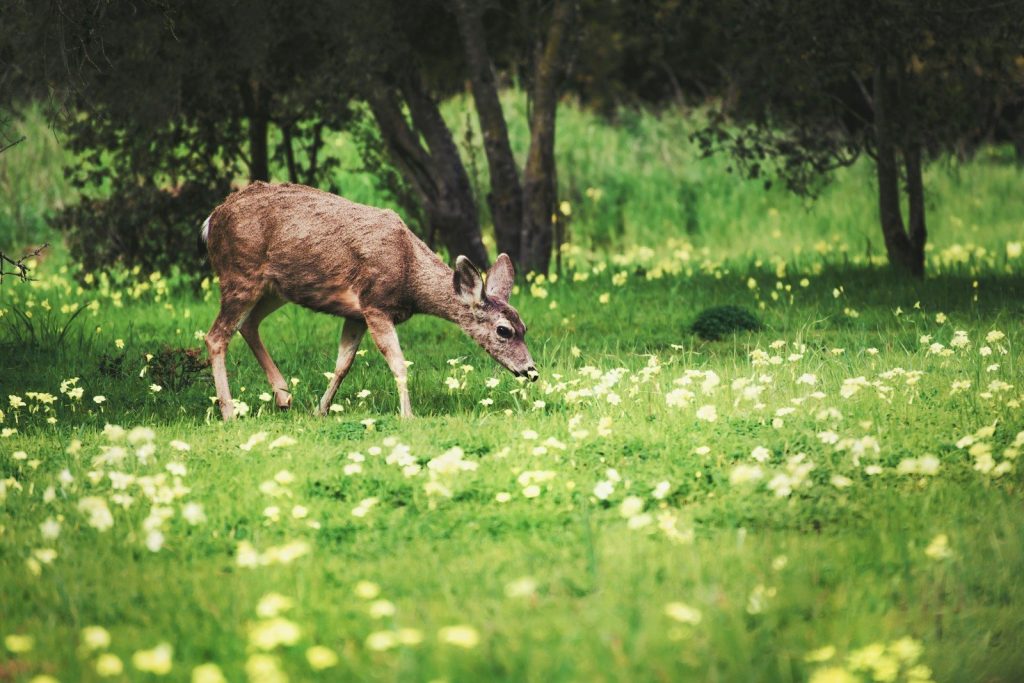
Some plants absorb sodium from mineral-rich soils, especially in coastal regions or areas with naturally salty ground. Animals feeding on these plants receive small but important amounts of salt as part of their regular diet.
Mineral springs, salty ponds, and brackish water also provide natural sources of sodium. Drinking from these water sources allows many animals to maintain healthy mineral levels without traveling to dedicated salt licks.
Carnivores Get Salt from Their Prey
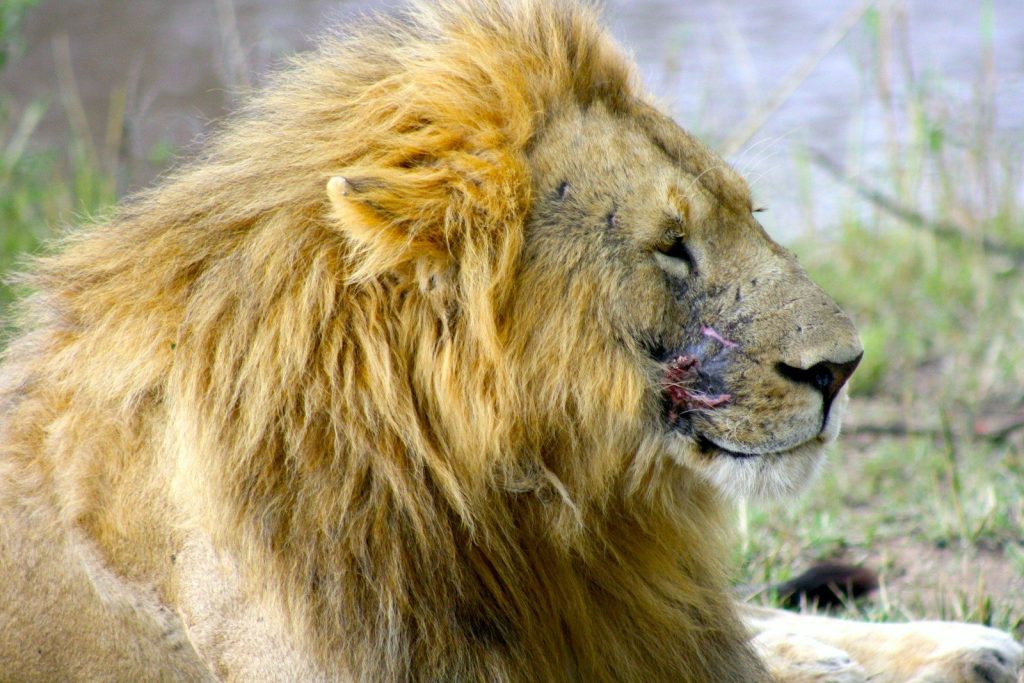
Unlike herbivores, meat-eating animals rarely need to search for salt. The blood, muscles, and internal organs of their prey already contain enough sodium to meet their nutritional requirements.
Predators such as wolves, lions, tigers, and bears naturally obtain essential minerals every time they feed. This is why carnivores are seldom seen visiting natural salt licks compared to plant-eating animals.
Some Animals Eat Soil for Extra Minerals
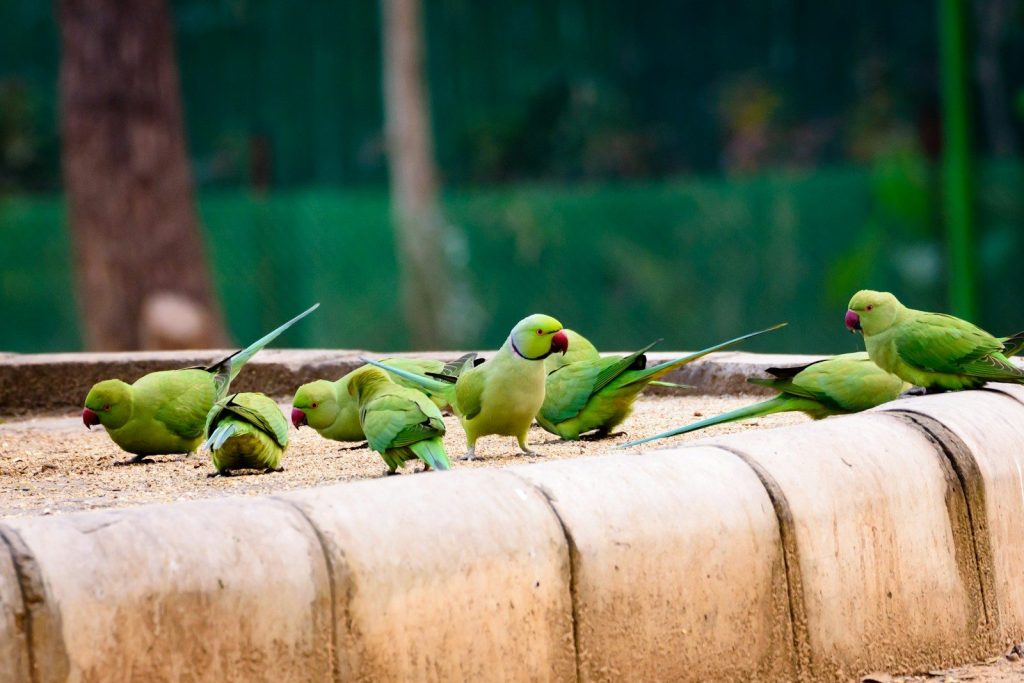
Several species, including elephants, parrots, and some primates, intentionally eat clay or mineral-rich soil in a behavior known as geophagy. This unusual habit helps them absorb sodium along with calcium, magnesium, and other important minerals.
African elephants have even been observed digging into caves and rocky cliffs to reach hidden mineral deposits. Their determination shows how valuable salt is for maintaining good health in the wild.
Salt Influences Wildlife Movements
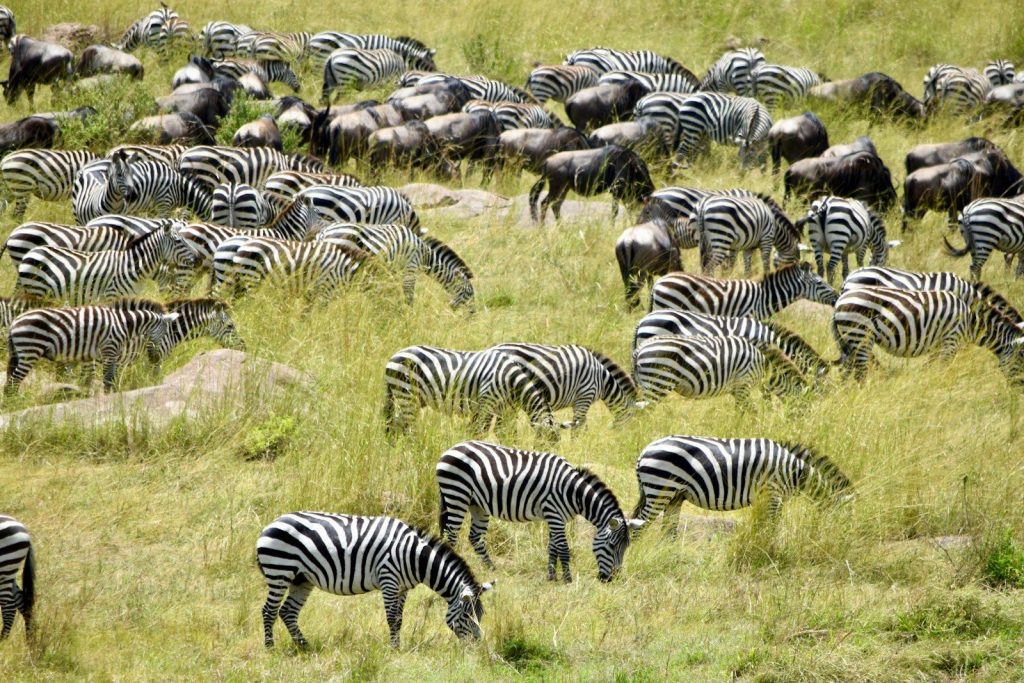
The availability of natural salt often affects where animals travel and feed throughout the year. Many herds return to the same mineral-rich locations every season because they know these areas provide nutrients that are difficult to find elsewhere.
Young animals also learn the locations of these important sites by following older members of their groups. This knowledge is passed from one generation to the next and plays an important role in wildlife survival.
Protecting Natural Salt Sources Is Important
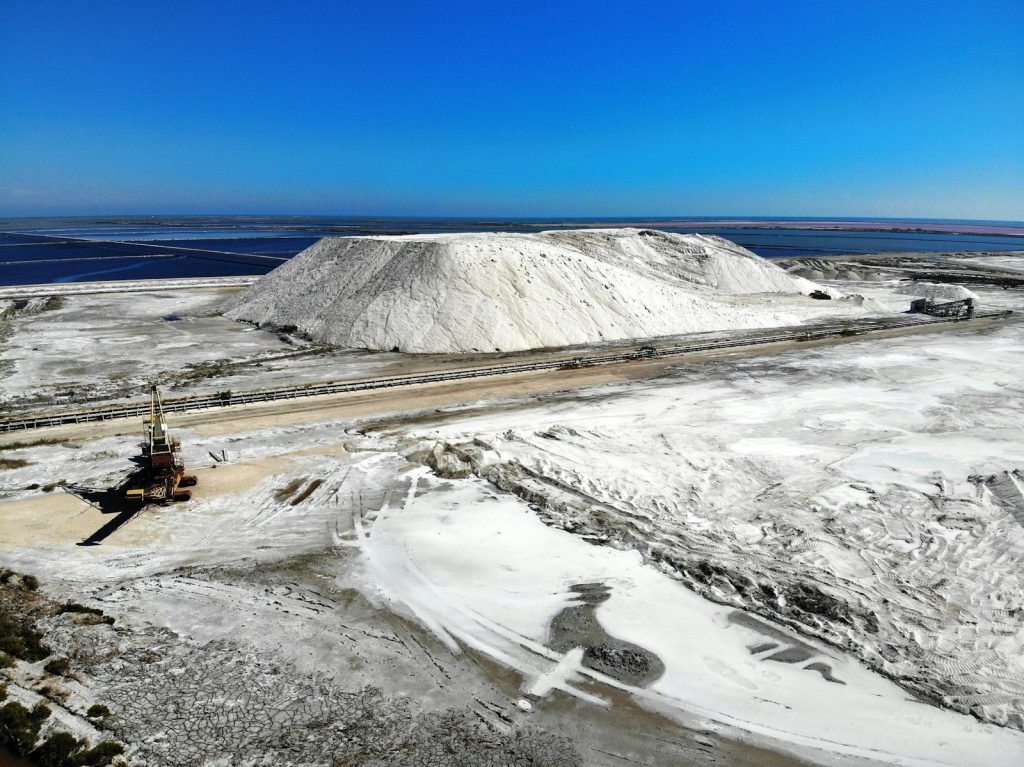
Healthy ecosystems provide animals with reliable access to the minerals they need. Habitat destruction, pollution, and human development can damage natural salt licks and mineral springs, making it harder for wildlife to find these essential resources.
Protecting these habitats helps animals continue their natural behaviors while supporting healthier ecosystems. Conserving these special places benefits not only wildlife but also the balance of nature as a whole.