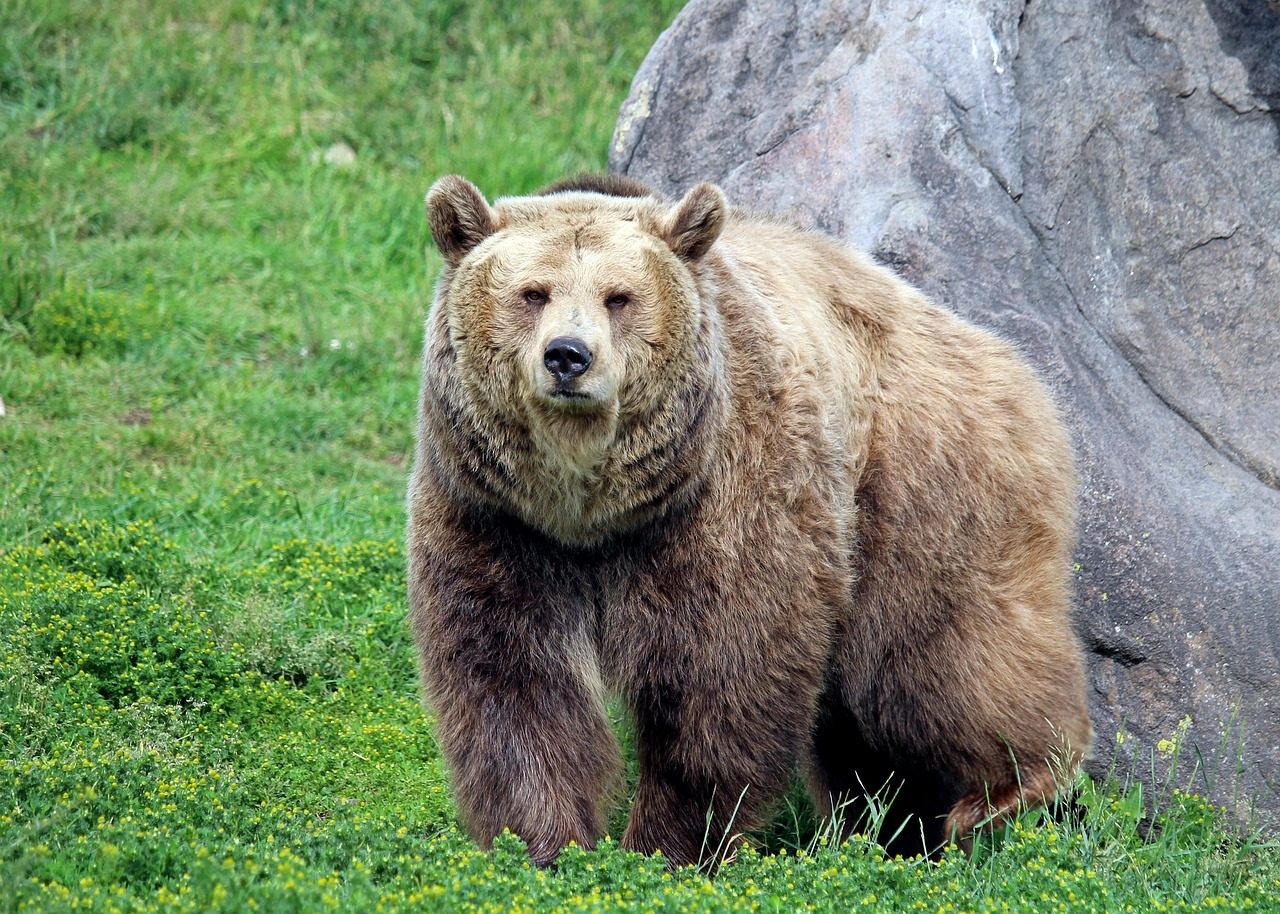
Most bear encounters don’t happen by pure bad luck. Wildlife experts say many incidents can be traced back to a handful of common human mistakes that increase the chances of surprising or attracting bears.
Understanding these risks can make outdoor adventures much safer for both people and wildlife.
Moving Quietly Through Dense Areas

One of the biggest causes of bear encounters is accidentally surprising a bear at close range.
Dense vegetation, limited visibility, and low-light conditions make it easier for hikers and hunters to stumble upon bears before either side has time to react.
Ignoring Food Safety

Improperly stored food, garbage, and cooking equipment can attract bears from long distances.
Once bears learn that human campsites provide easy meals, they may return repeatedly and become more comfortable around people.
Careless Handling of Animal Remains

Hunters can unintentionally attract bears by leaving carcasses or remains in areas where bears frequently travel.
Bears often investigate these food sources and may defend them aggressively if approached later.
Letting Dogs Roam Freely
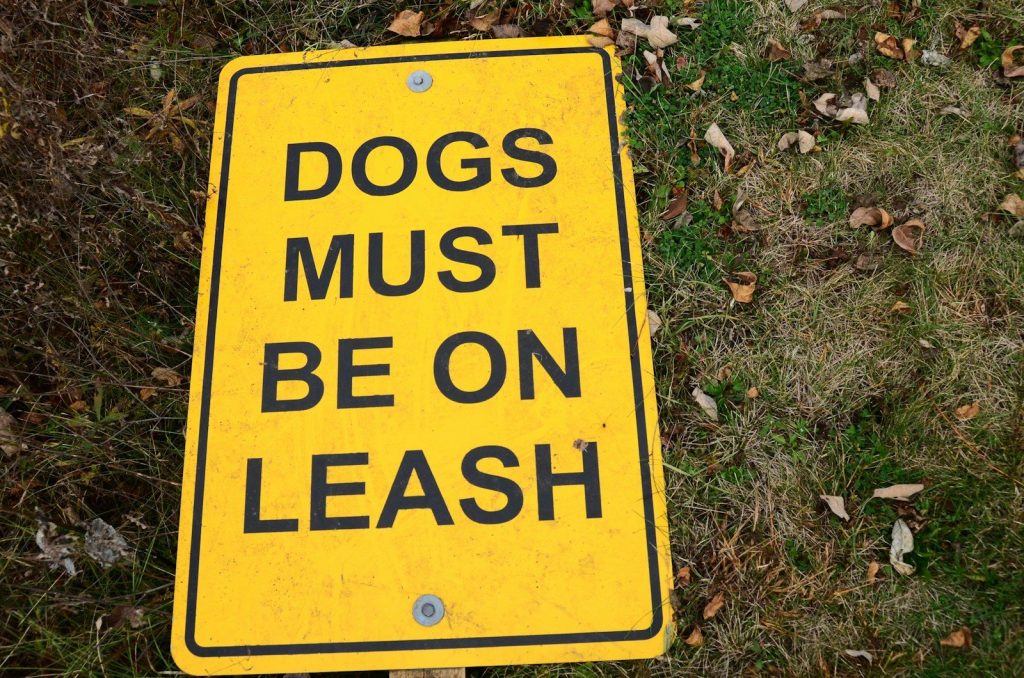
Off-leash dogs can create dangerous situations by surprising bears and then running back toward their owners.
This can transform a minor wildlife encounter into a direct confrontation between a bear and a person.
Getting Too Close for Photos
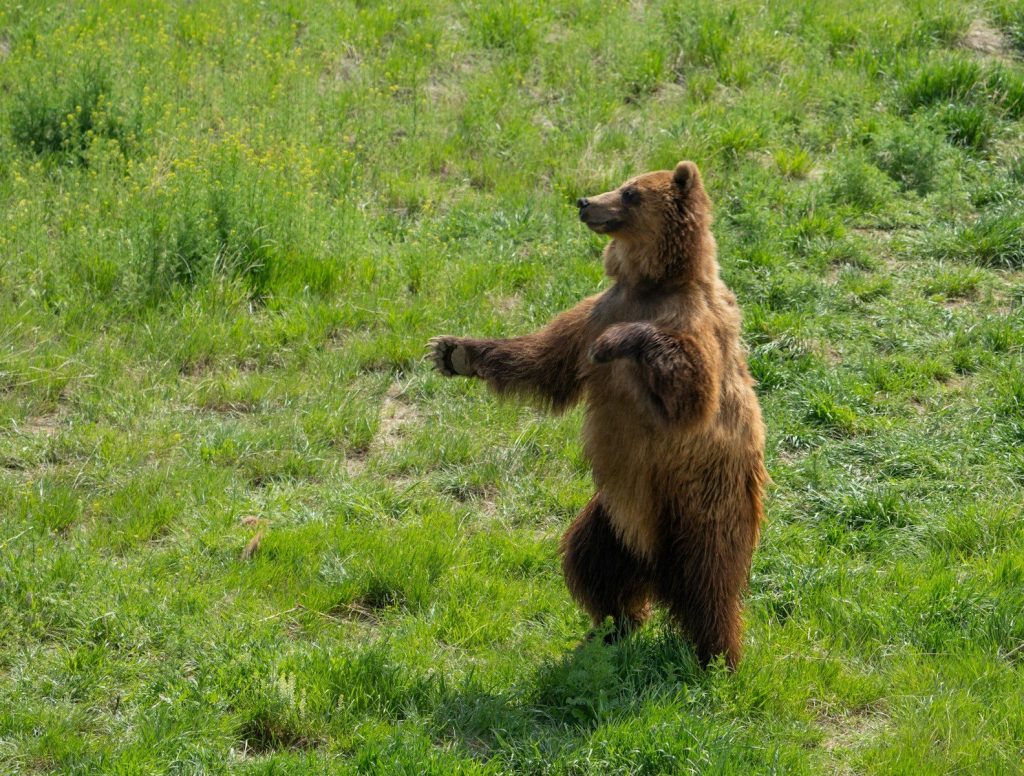
Many incidents begin when people intentionally approach bears to get a better look or photograph.
Even calm-looking bears can become defensive if they feel cornered or threatened.
Missing Warning Signs
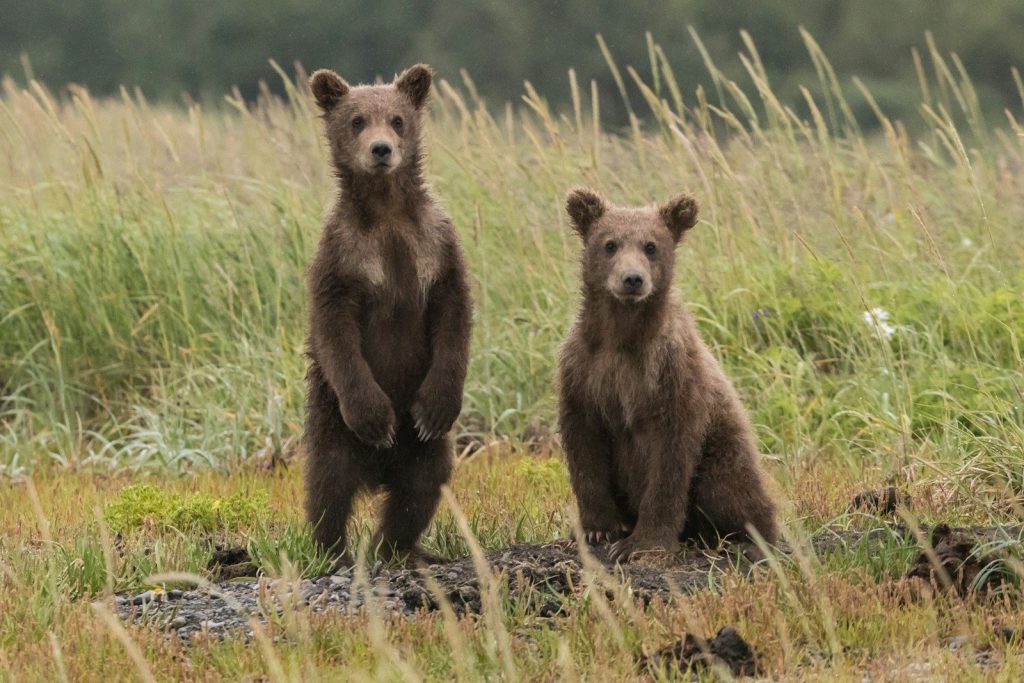
Bears often provide clear signals before becoming aggressive.
Huffing, jaw popping, bluff charges, and other behaviors are warnings that people sometimes ignore or misunderstand.
Depending on Luck Instead of Preparation
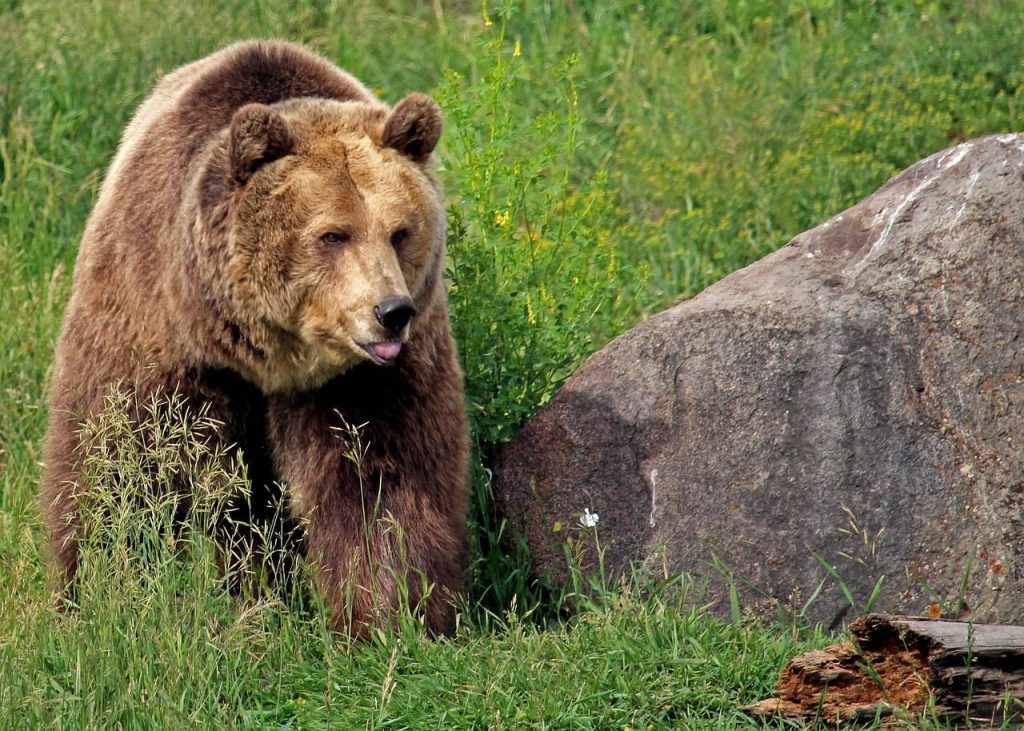
Venturing into bear habitat without a plan can leave people unprepared during a sudden encounter.
Safety tools are only effective if they are readily accessible and users know how to react under pressure.
Respecting Wildlife Space
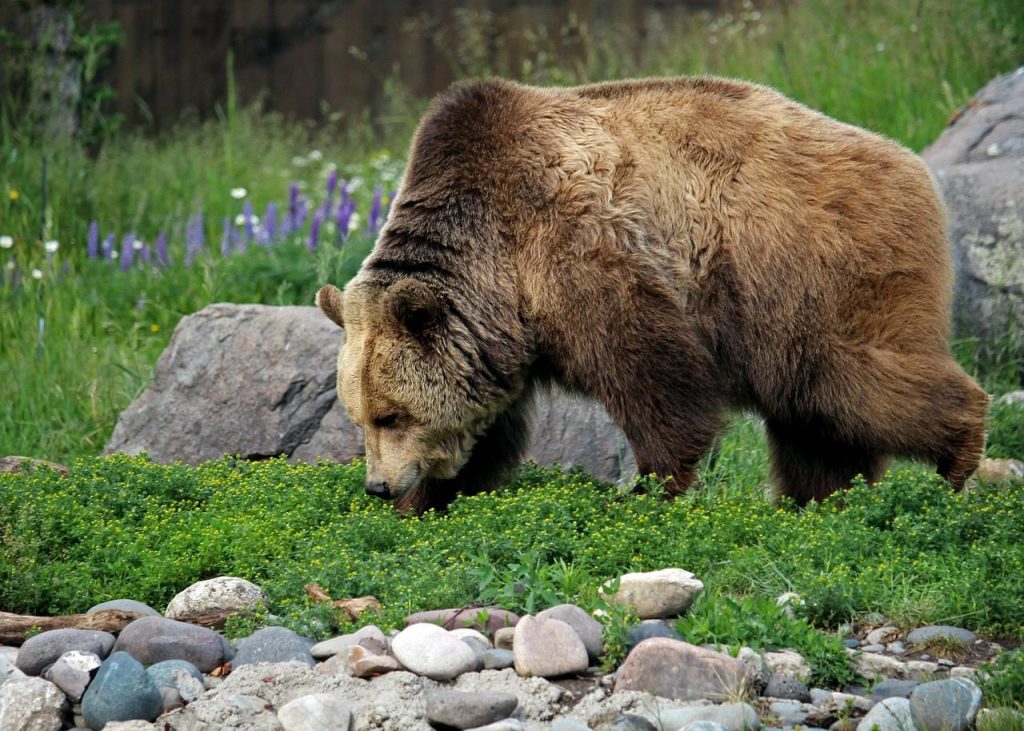
Maintaining a safe distance allows bears to continue their natural behavior without feeling threatened.
Giving wildlife plenty of room is one of the simplest and most effective safety measures.