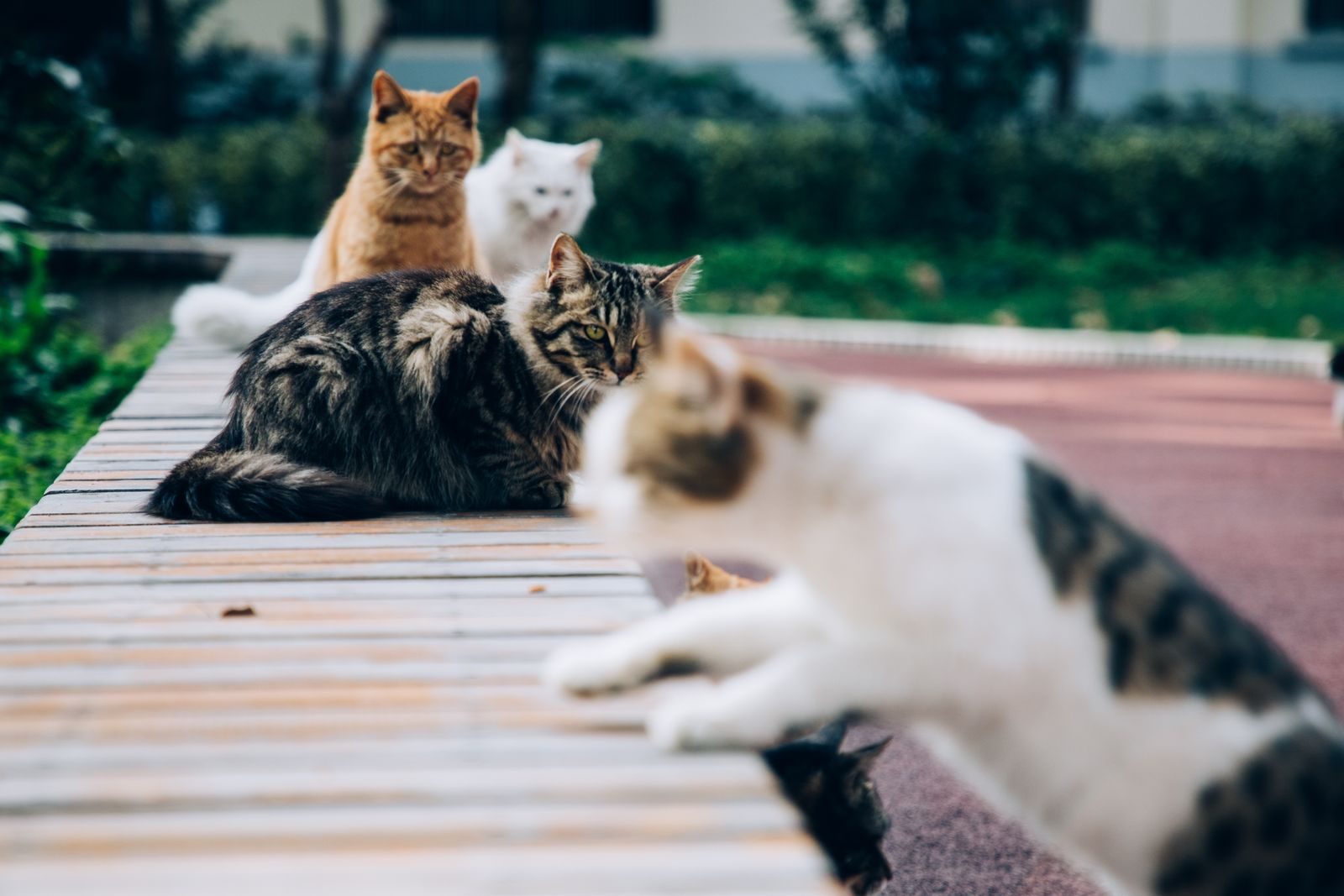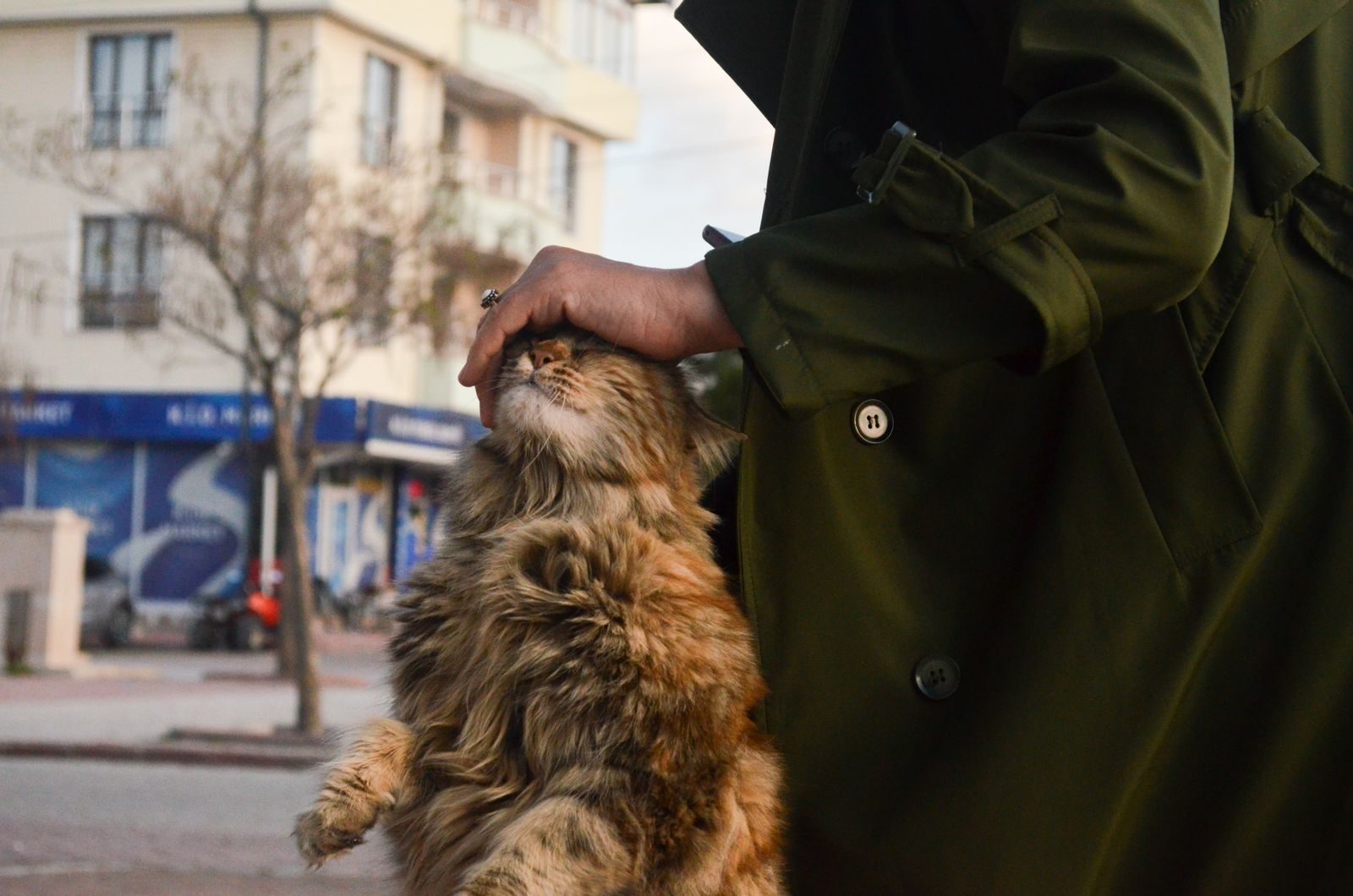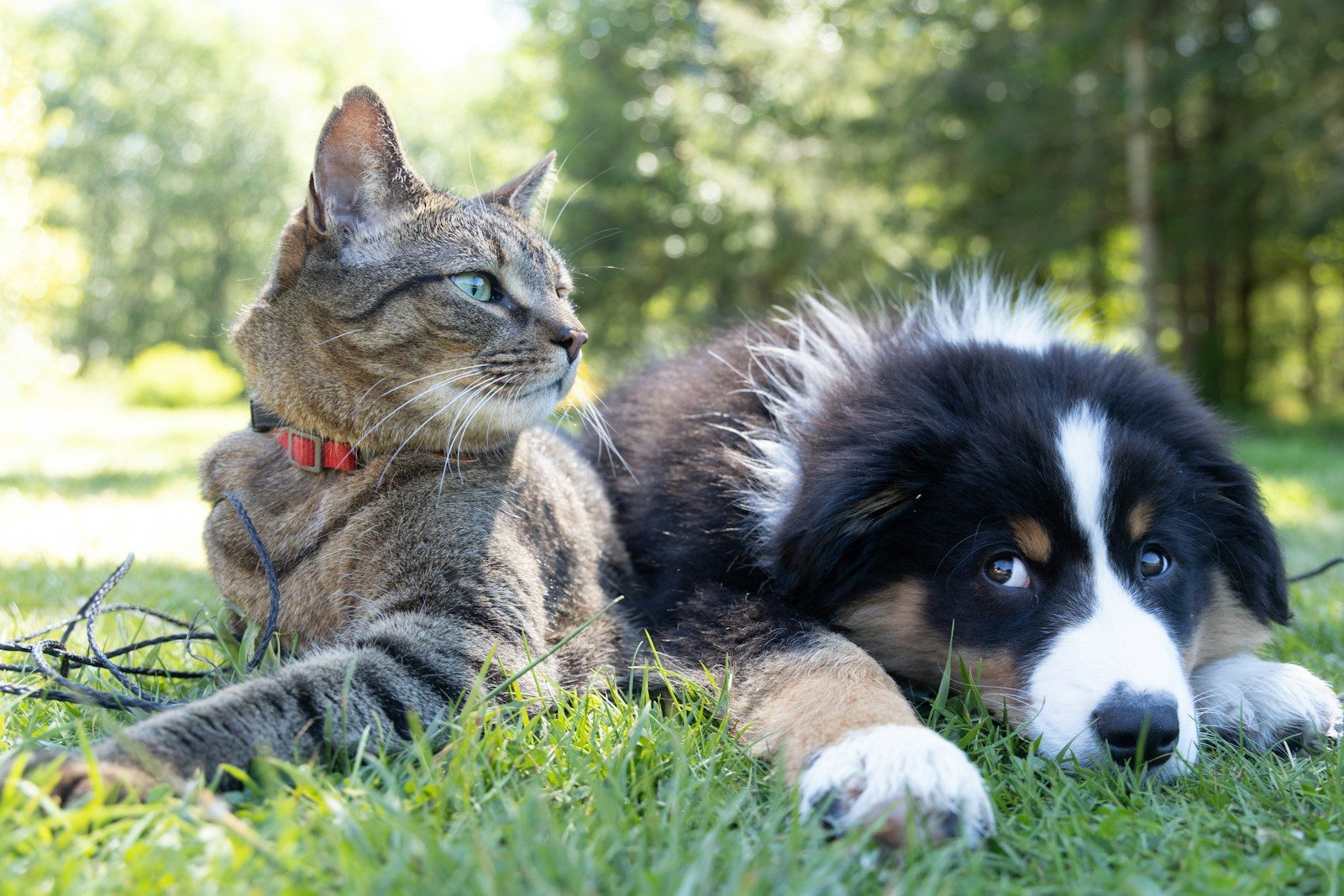
For decades, dogs were considered the preferred household pets in many parts of East Asia. Today, however, cats are rapidly gaining popularity as changing lifestyles, urban living, and shifting demographics reshape pet ownership trends across the region.
From bustling cities in Japan and South Korea to growing urban centers in China, more people are choosing feline companions over their canine counterparts. Experts believe this trend reflects both practical considerations and evolving cultural attitudes toward pets.
Urban Living Is Making Cats a More Practical Choice
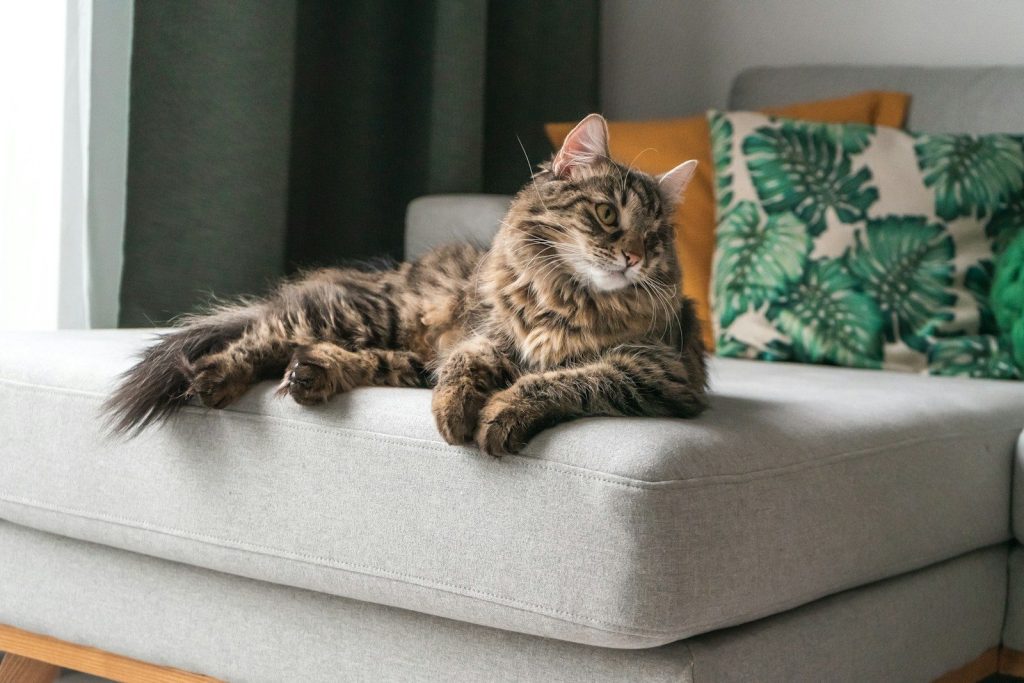
Many East Asian cities are known for their high population density and compact living spaces. Apartments often provide limited room, making cats a more convenient option for residents than larger, more active dogs.
Cats generally require less space to move around comfortably and can adapt well to indoor lifestyles. This flexibility has made them particularly appealing to city dwellers seeking companionship without the demands of extensive outdoor exercise.
Busy Lifestyles Favor Low Maintenance Pets
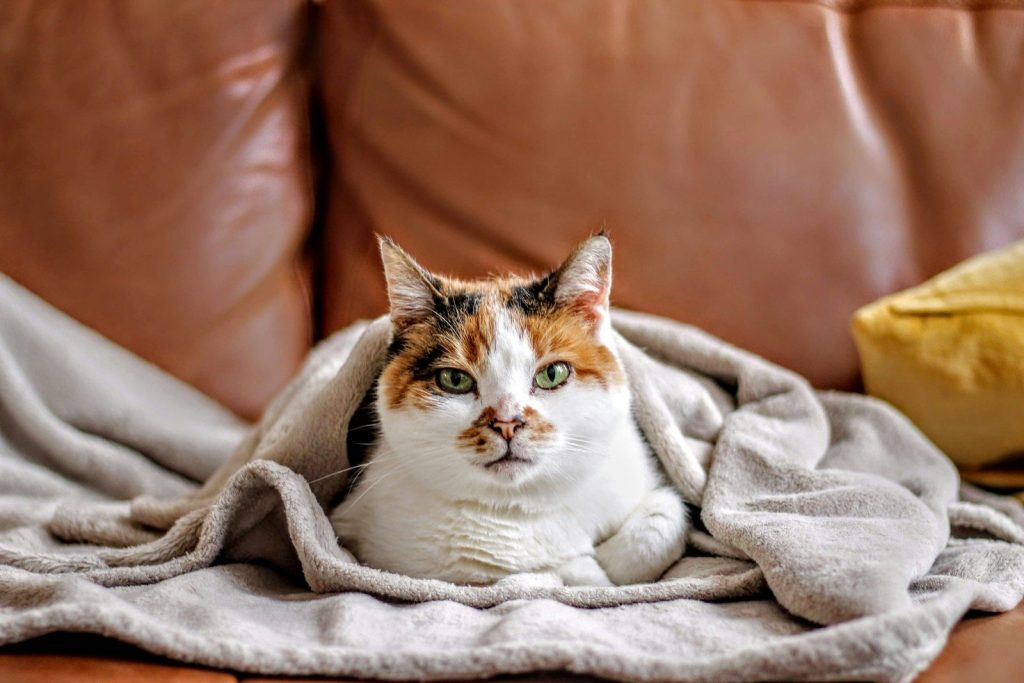
Modern work schedules leave many people with limited free time for pet care. Compared with dogs, cats typically require less daily attention and do not need regular walks outside.
For professionals balancing long working hours and busy routines, cats offer companionship with fewer time commitments. This convenience has become a major factor driving their growing popularity.
Younger Generations Are Embracing Cat Ownership

Younger adults across East Asia are increasingly delaying marriage and parenthood while seeking alternative forms of companionship. Many have turned to pets to fill that role, with cats emerging as a favored choice.
Social media has also helped boost the appeal of feline ownership. Viral cat videos, online communities, and pet focused content have contributed to a stronger appreciation for cats among younger audiences.
Aging Populations Are Influencing Pet Preferences
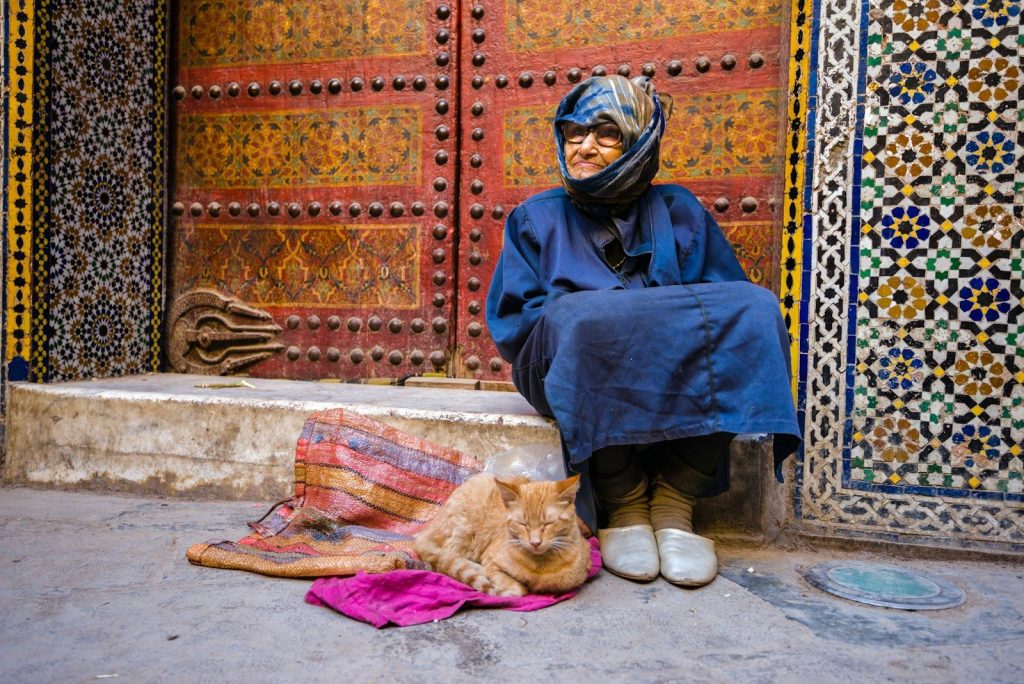
Several East Asian countries are experiencing significant demographic shifts as populations age. Older adults often prefer pets that are easier to manage and require less physical activity.
Cats fit these preferences well because they are generally independent and adaptable. Their relatively low maintenance nature can make them suitable companions for seniors living alone.
The Pet Industry Is Adapting to the Feline Boom
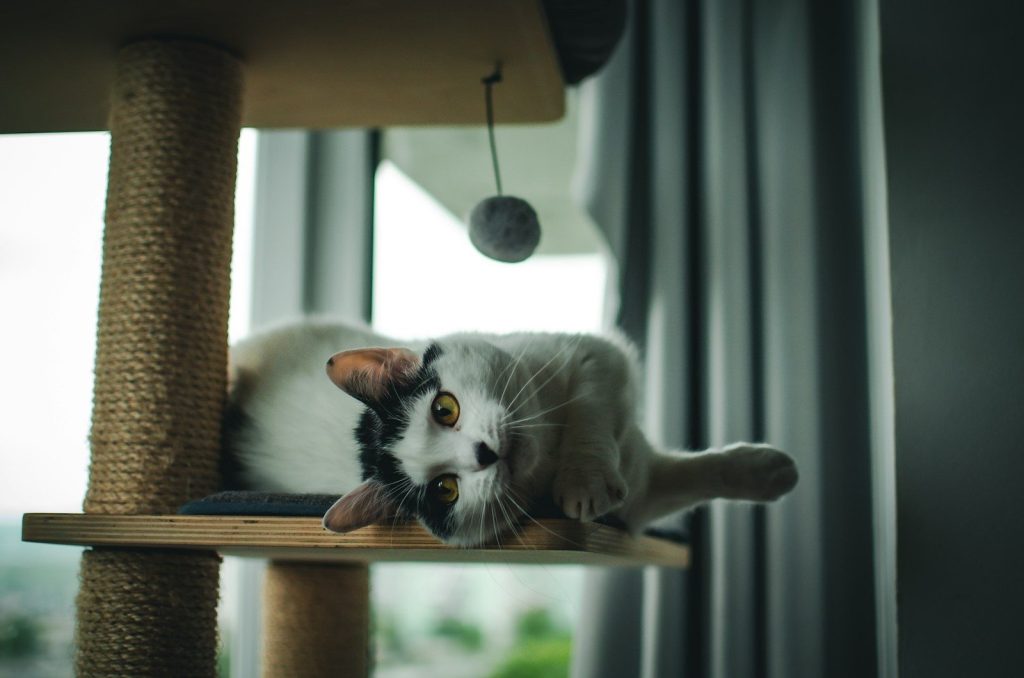
The growing demand for cats has sparked major changes within the pet care industry. Companies are expanding their offerings to include specialized cat food, toys, furniture, healthcare products, and grooming services.
Businesses are also developing cat friendly spaces and services designed specifically for feline owners. This increasing market focus reflects the significant rise in cat ownership across the region.
Dogs Still Have a Loyal Following

Despite the rise of feline popularity, dogs remain beloved companions for millions of households. Many people continue to value the loyalty, companionship, and active lifestyle that dogs encourage.
Certain breeds remain particularly popular among families and outdoor enthusiasts. As a result, the shift toward cats does not signal the decline of dogs but rather a diversification of pet ownership preferences.