Many pets are friendly, affectionate, and easy to care for under normal circumstances. However, even the gentlest animals can react defensively when they feel scared, cornered, stressed, or threatened.
Understanding these behaviors is important for building trust and ensuring safe interactions between pets and people.
Parrots
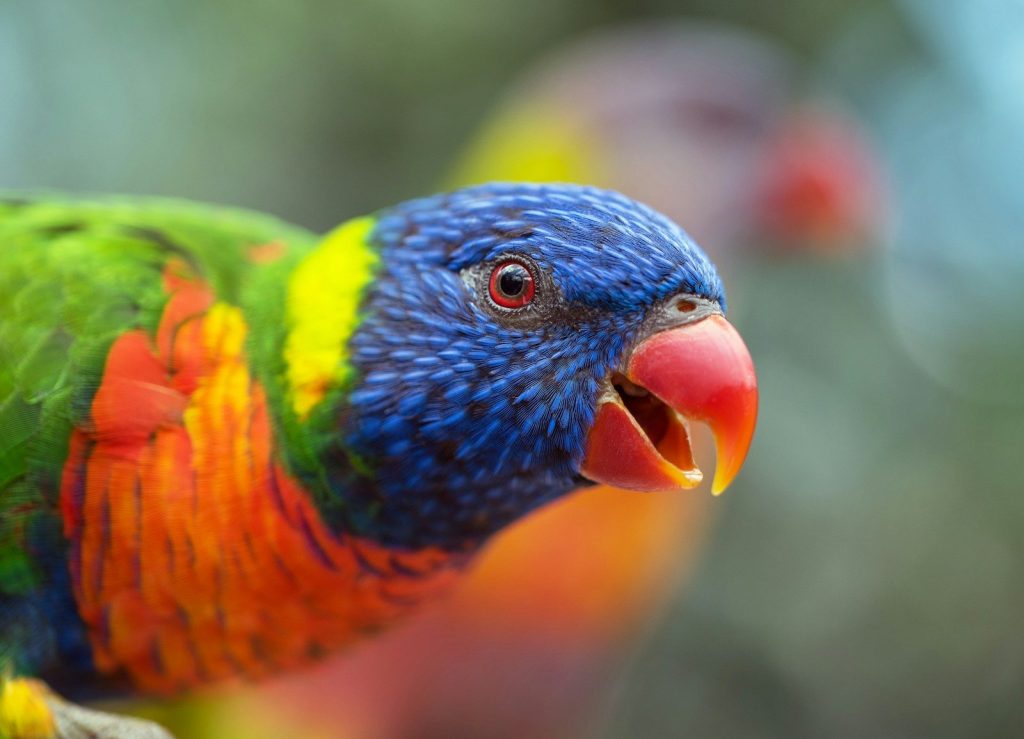
Parrots are intelligent and social birds that often form strong bonds with their owners. However, they can become defensive if startled or if they feel their territory is being invaded.
A frightened parrot may bite, scream, or display aggressive body language to protect itself.
Rabbits
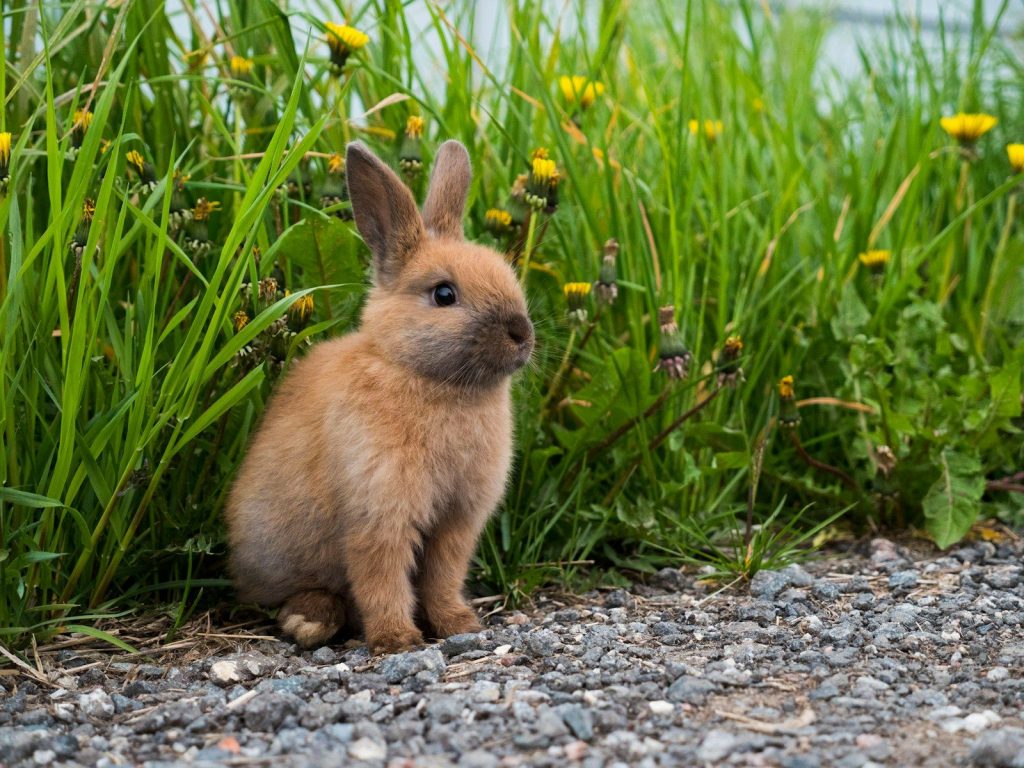
Rabbits are typically gentle animals, but they are also prey species with strong survival instincts. Sudden movements or unfamiliar situations can make them feel vulnerable.
When threatened, they may kick, scratch, or attempt to escape quickly.
Hamsters
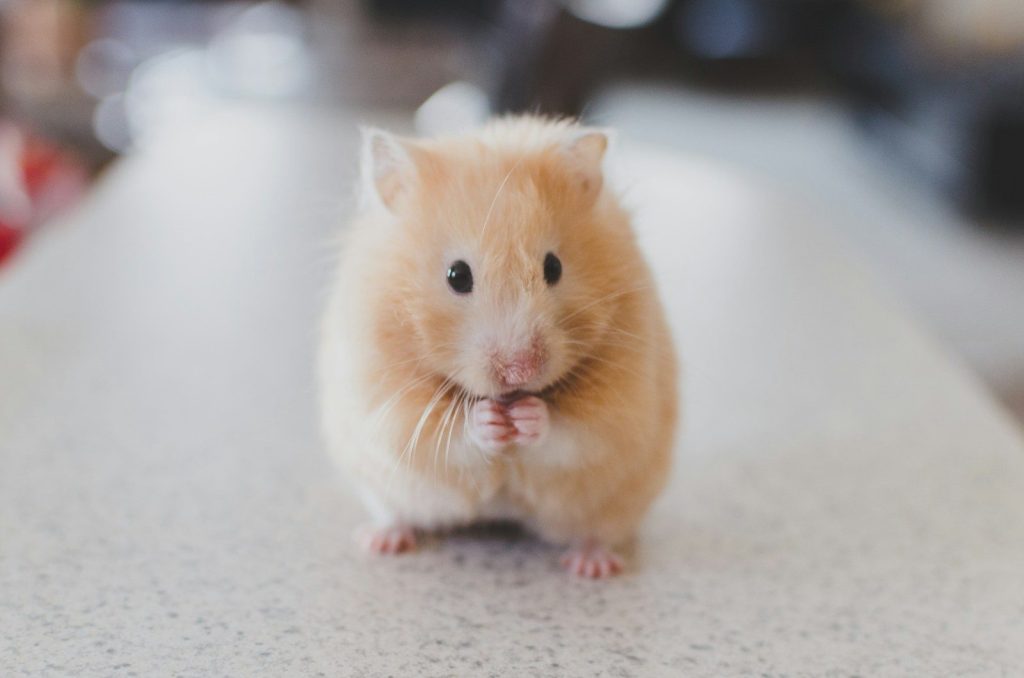
Hamsters are small pets that can become stressed when handled improperly. Because of their size, they often react defensively when they feel trapped.
A frightened hamster may bite if it believes it has no other way to protect itself.
Guinea Pigs
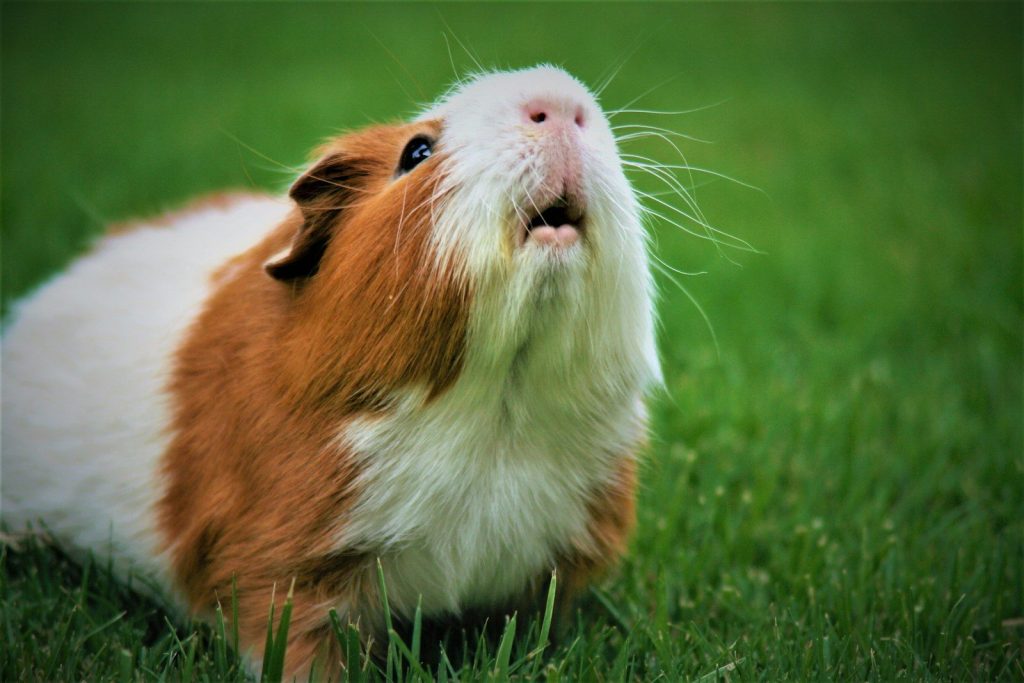
Guinea pigs are generally calm and social animals. However, loud noises or rough handling can make them anxious.
Their first response is usually to flee, but they may struggle or nip if they feel cornered.
Cats
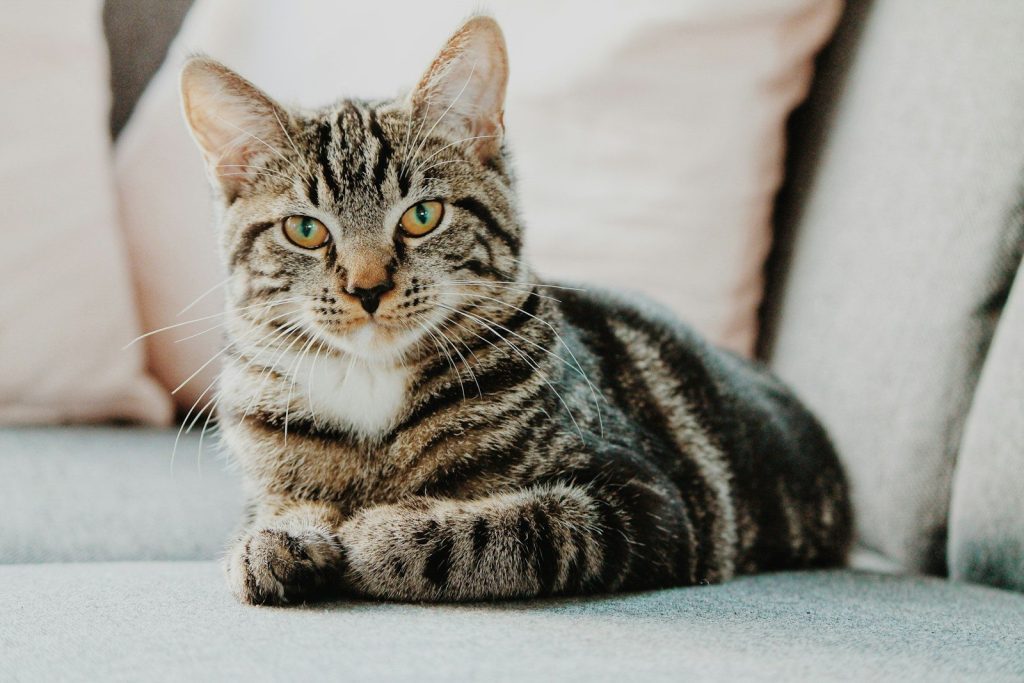
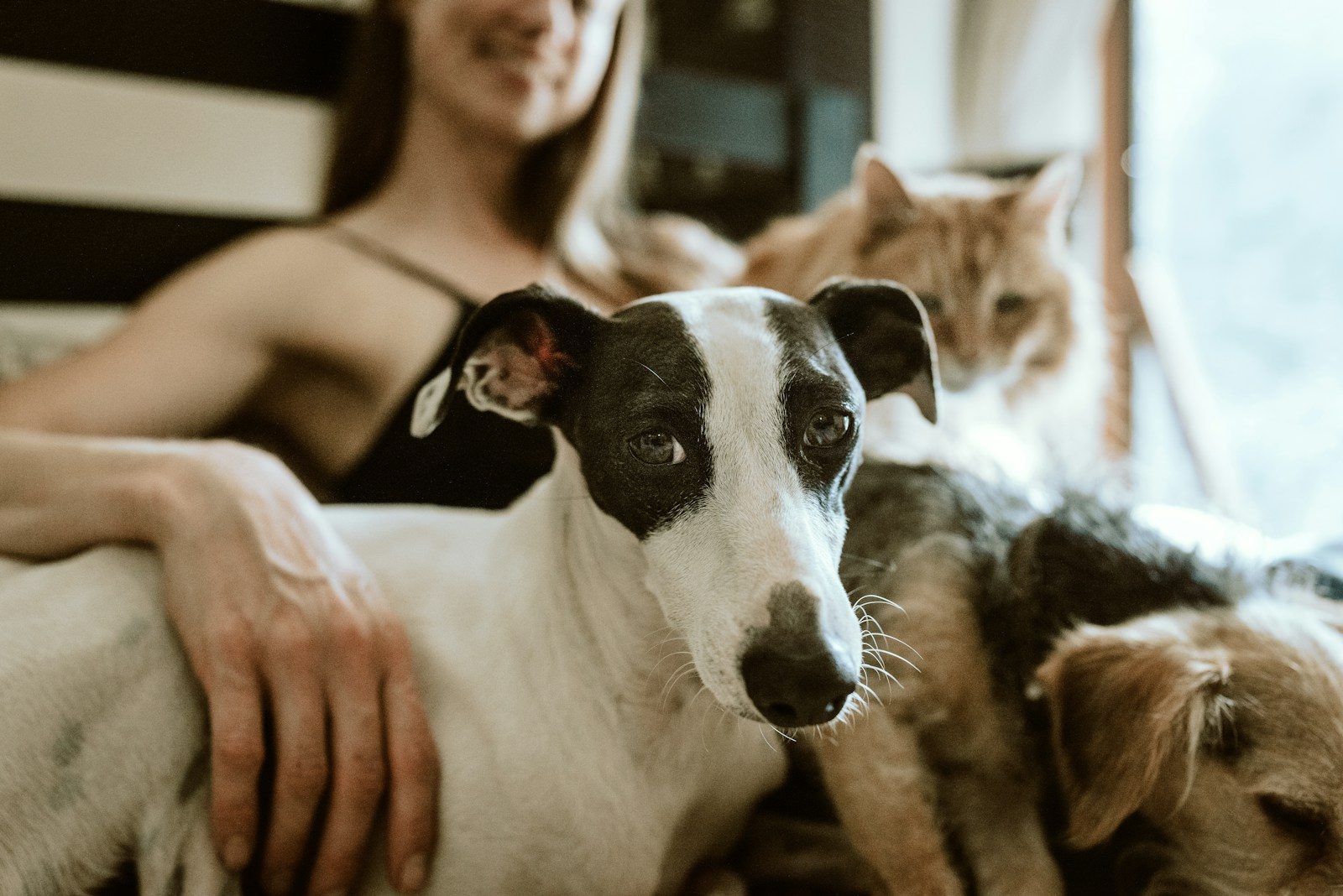
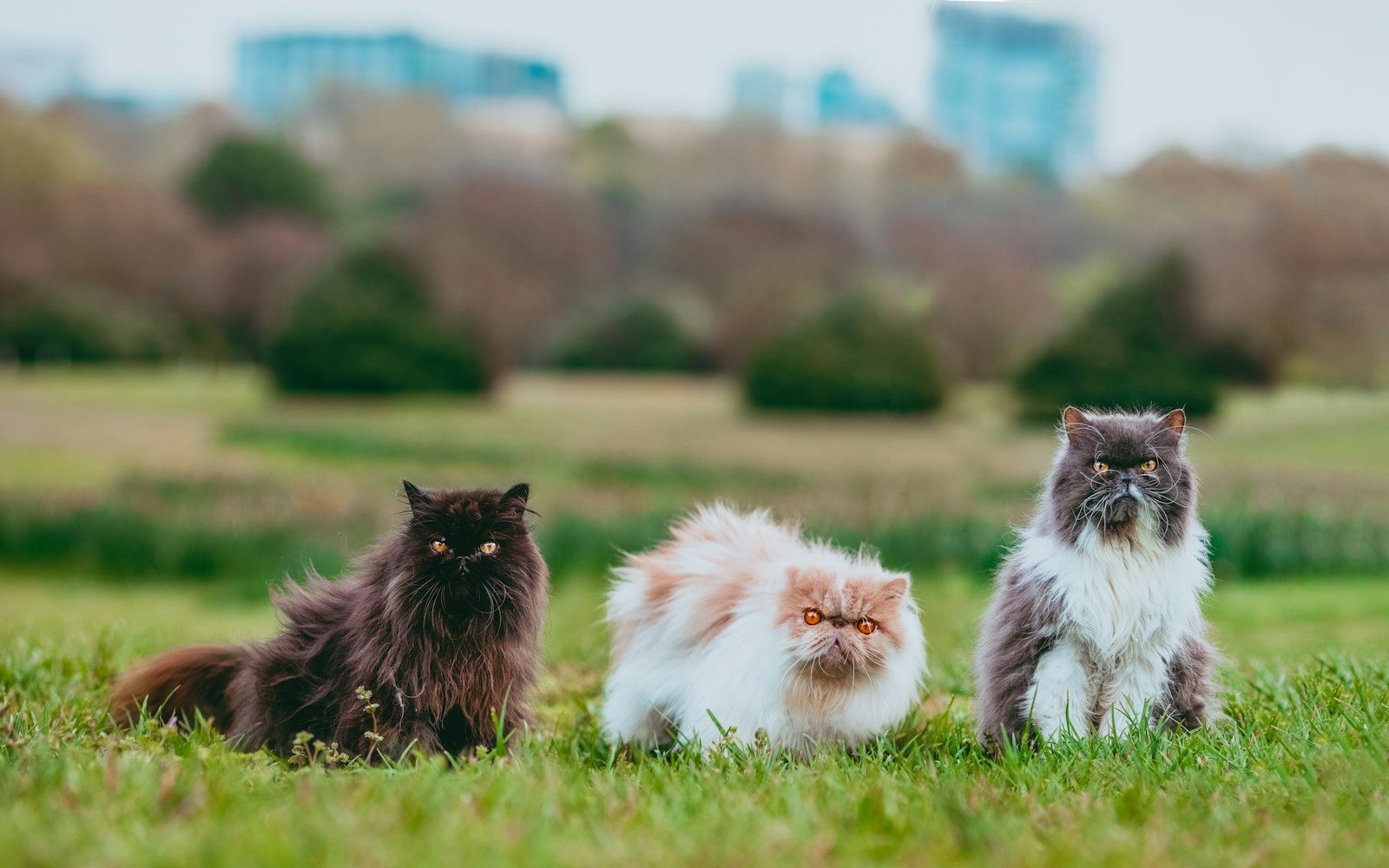
Cats are independent animals that prefer having control over their environment. When stressed or frightened, they may hiss, growl, or swipe with their claws.
Recognizing warning signs can help prevent defensive reactions and strengthen the bond between cat and owner.
Dogs
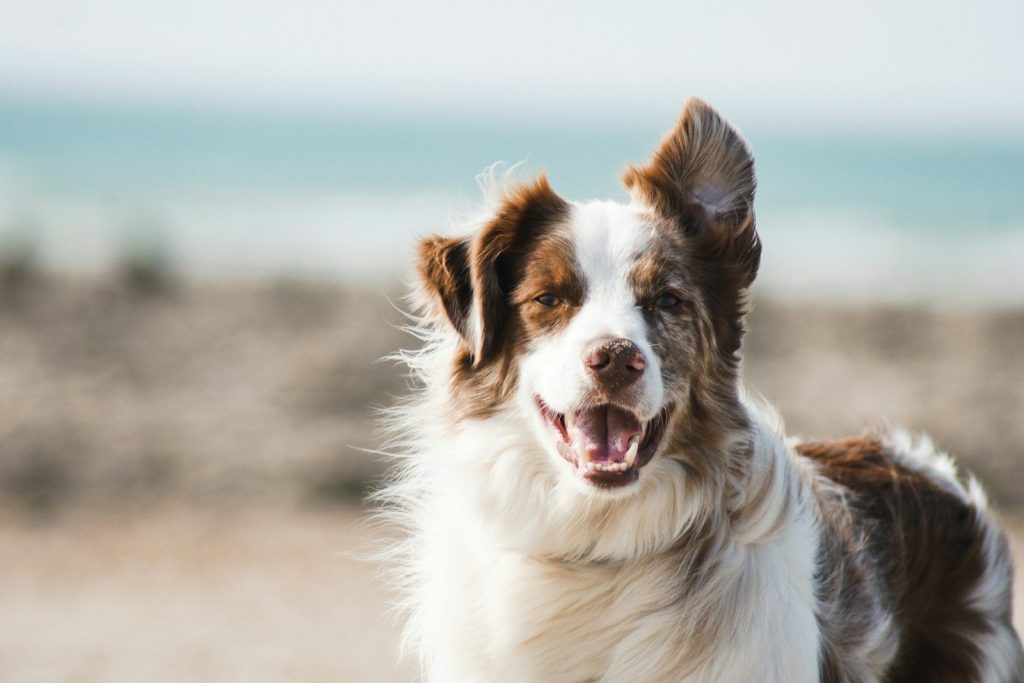
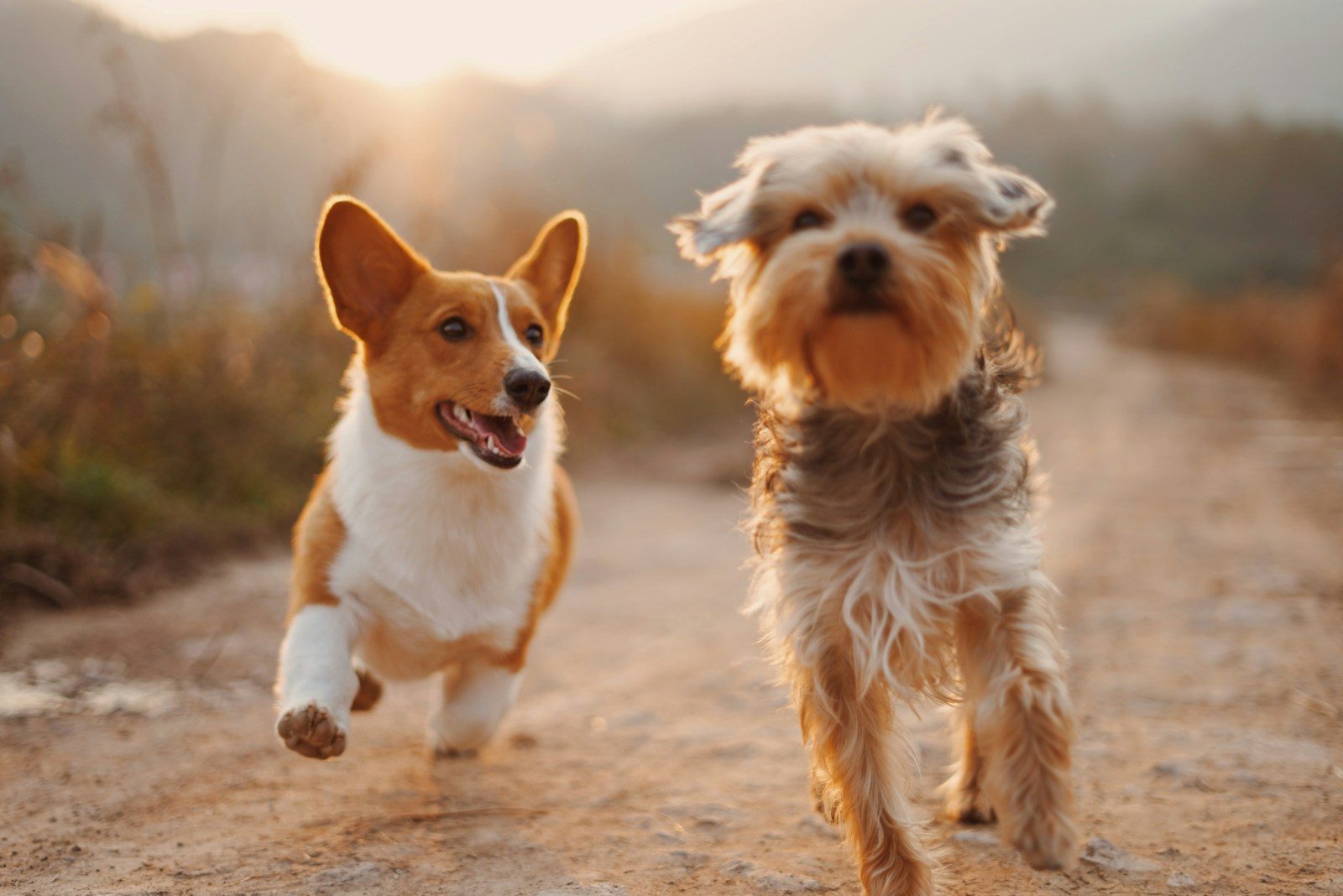
Most dogs are loyal companions, but fear can trigger defensive behavior in any breed. A dog that feels threatened may bark, growl, or react aggressively if it believes it is in danger.
Proper socialization and training help reduce fear-based responses.