In a world where speed often means survival, some animals have evolved in the opposite direction. These slow-moving creatures rely on patience, camouflage, and energy conservation rather than quick escapes or fast hunting.
Despite their lack of speed, they are perfectly adapted to their environments and have developed unique survival strategies that make slowness an advantage rather than a weakness.
Sloths
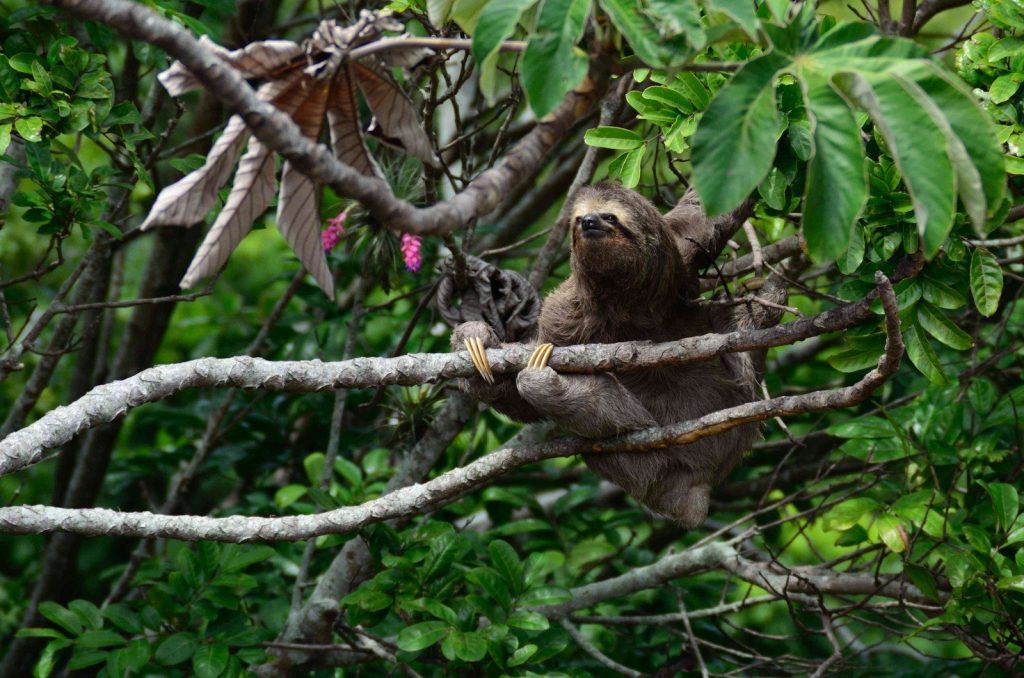
Sloths are famously slow mammals that spend most of their lives hanging in trees. Their movements are so gradual that algae can grow on their fur, helping them blend into the forest canopy.
This slow pace helps them conserve energy, as their diet of leaves provides very little nutrition. They also move slowly to avoid detection by predators.
Starfish
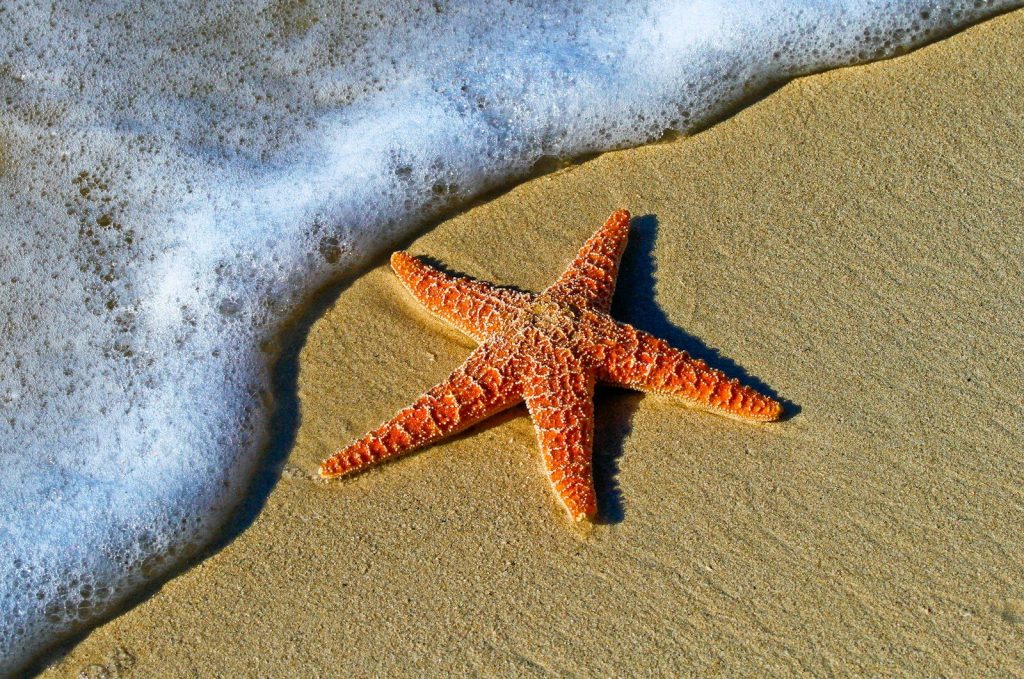
Starfish move using tiny tube feet located on the underside of their bodies. Their movement is extremely slow, often taking several minutes to cover just a few inches.
They rely on this slow pace to feed on mollusks and other marine life. Their simple nervous system matches their low-energy lifestyle.
Giant Tortoises
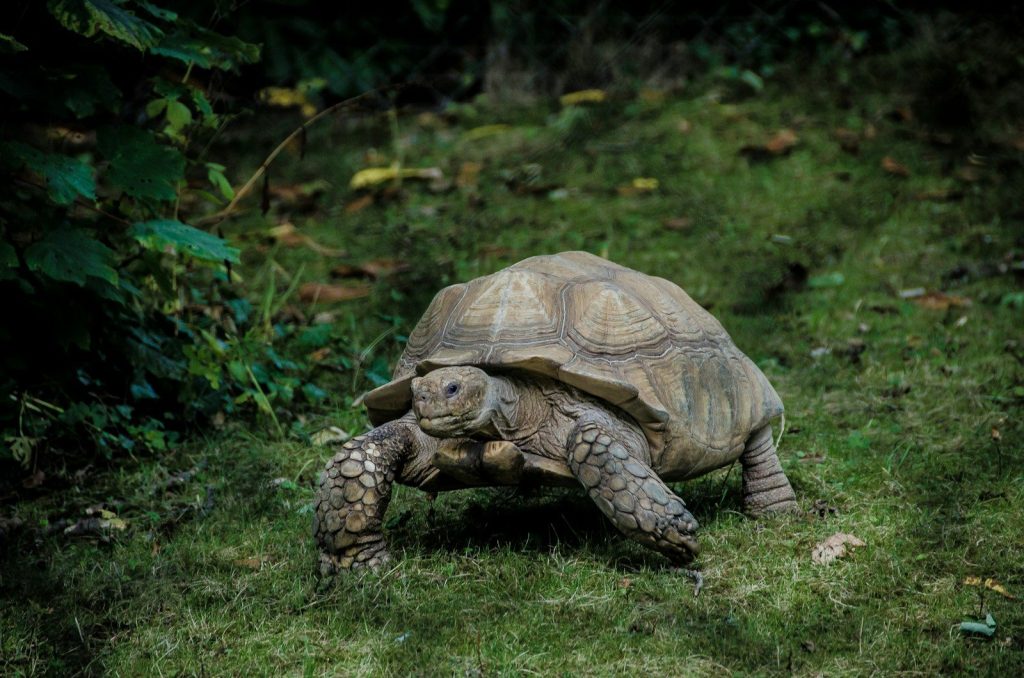
Giant tortoises are among the slowest land animals. They move deliberately and can take several hours to travel short distances.
Their slow metabolism allows them to live long lives and survive in harsh environments. They conserve energy by moving only when necessary.
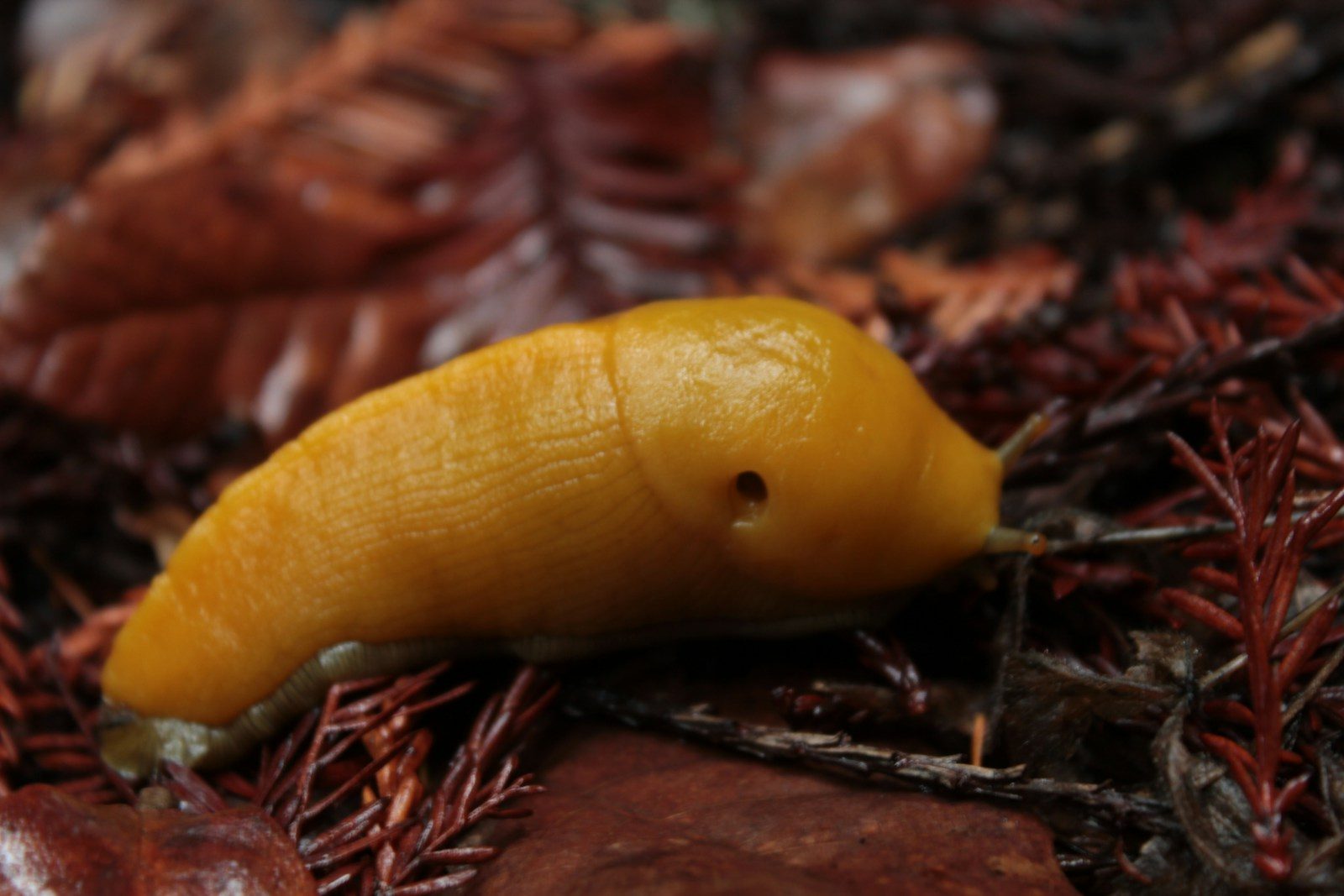
Banana Slugs
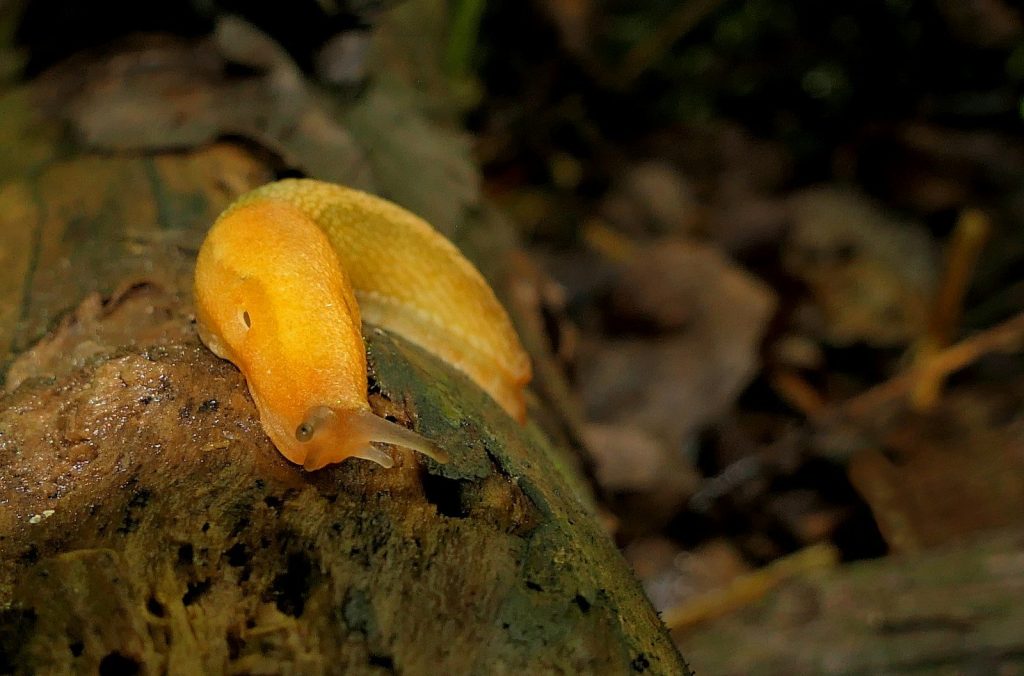
Banana slugs are slow-moving land mollusks found in forests. They glide across surfaces using mucus to reduce friction
Their slow speed helps them avoid drying out and stay hidden from predators. They play an important role in breaking down organic material in forests.
Seahorses
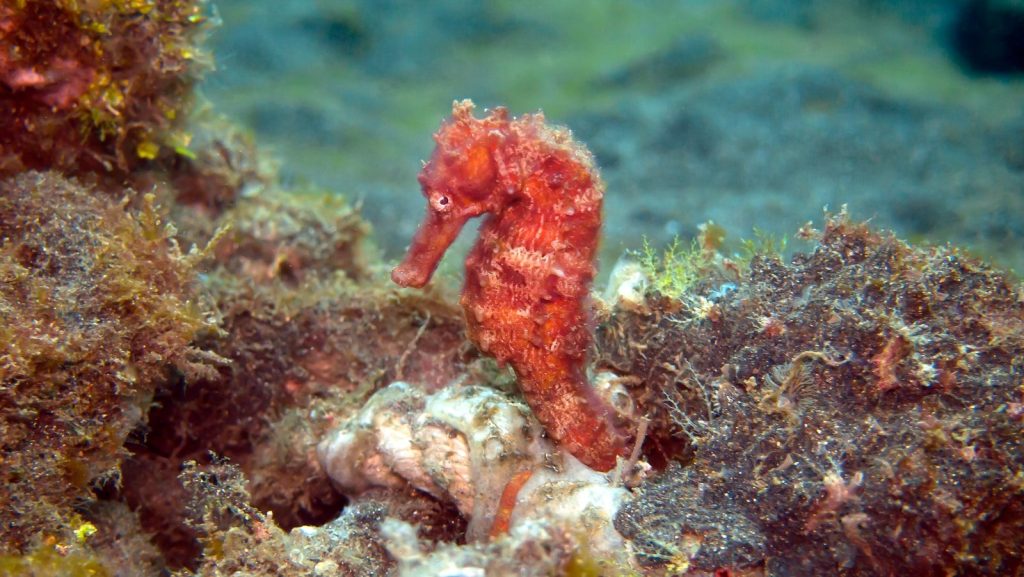
Seahorses are slow swimmers that rely on camouflage and stealth. They often anchor themselves to sea plants using their tails.
Instead of chasing prey, they use quick strikes to feed on small organisms drifting nearby. Their slow movement helps them remain undetected.
Garden Snails
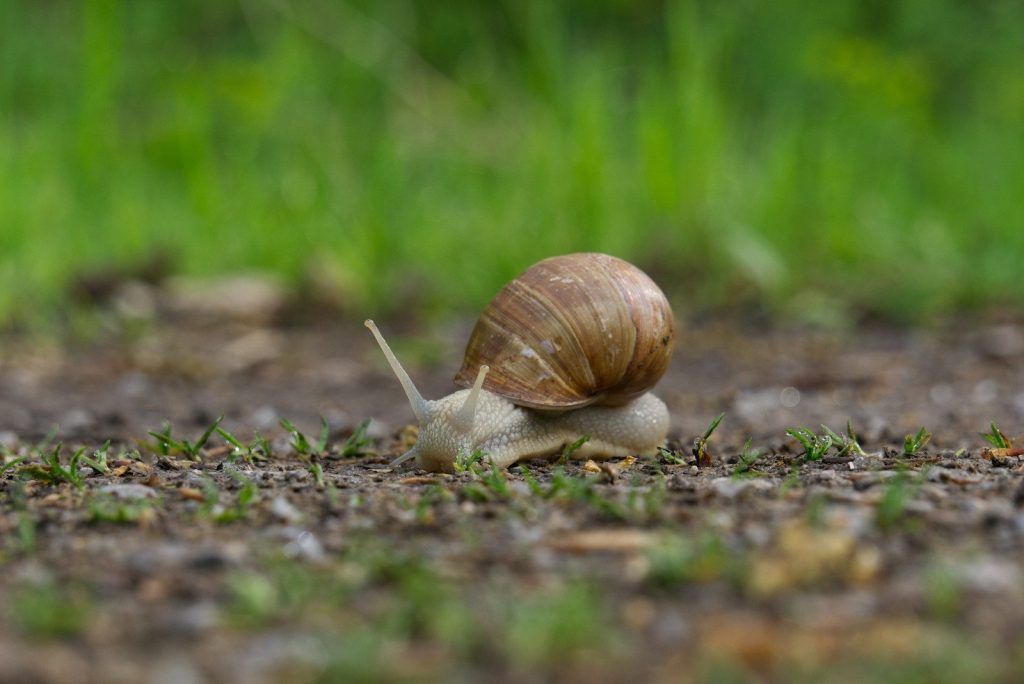
Garden snails move at a very slow pace using a muscular foot. They secrete mucus that allows them to glide over rough surfaces.
Their slow movement helps them conserve moisture and energy. They are most active during cool, damp conditions.