In the natural world, eating is not always simple or predictable. While many animals stick to plants, meat, or insects, some species have developed extremely unusual feeding strategies that help them survive in competitive environments.
These strange diets often look bizarre from a human perspective, but they are highly effective adaptations shaped by evolution. From farming fungi to stealing food or even digesting bones, nature shows incredible creativity in how animals eat.
Leafcutter Ants and Fungus Farming
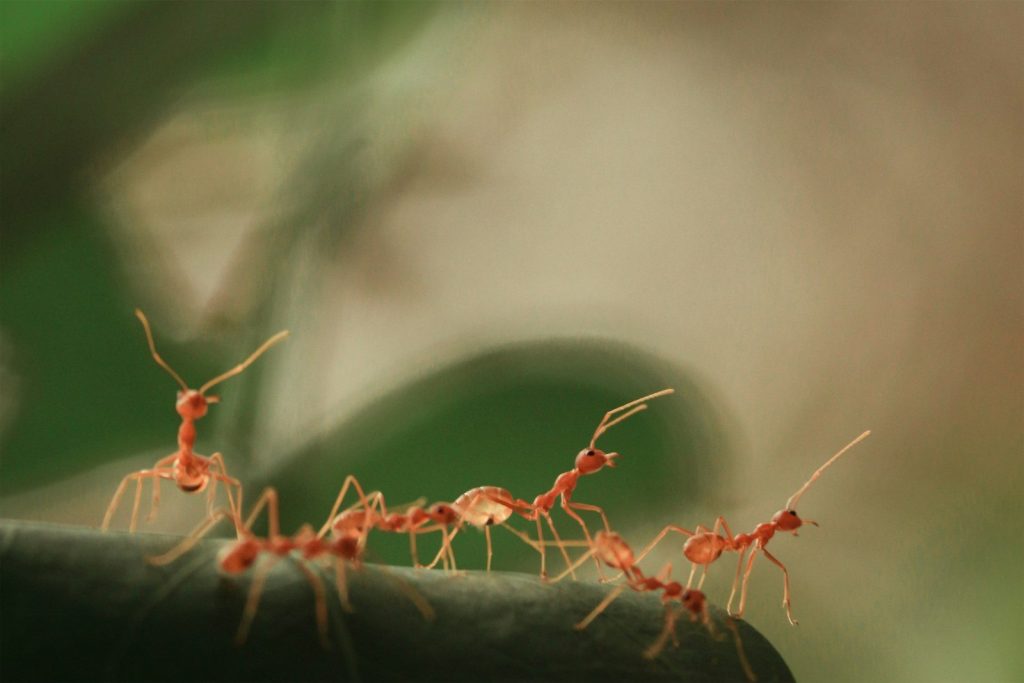
Leafcutter ants do not actually eat the leaves they collect. Instead, they cut plant material and bring it back to underground colonies to grow fungus, which serves as their real food source.
This makes them one of the few known animals that practice agriculture. Their survival depends on carefully maintaining their fungus gardens.
Skua Birds and “Vomit Feeding”

Skuas are seabirds known for forcing other birds to regurgitate their food. They harass and chase their victims until they drop or spit out their meal.
The skua then quickly steals and consumes the regurgitated food. This energy-saving strategy allows them to feed without hunting directly.
Snakes That Eat Eggs Whole
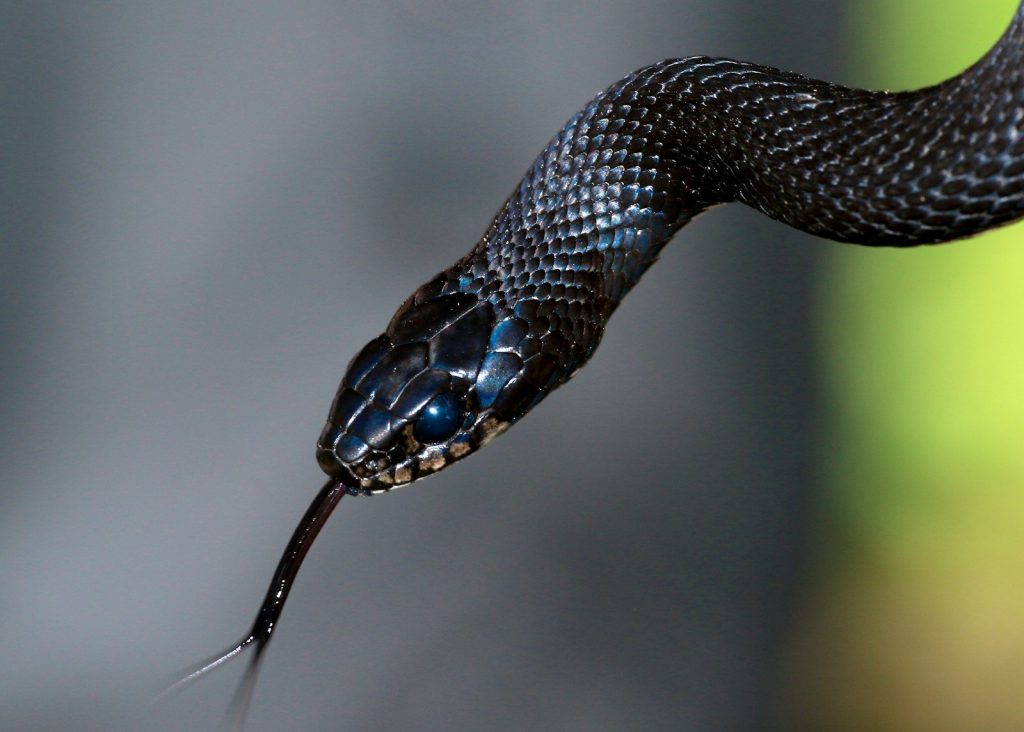
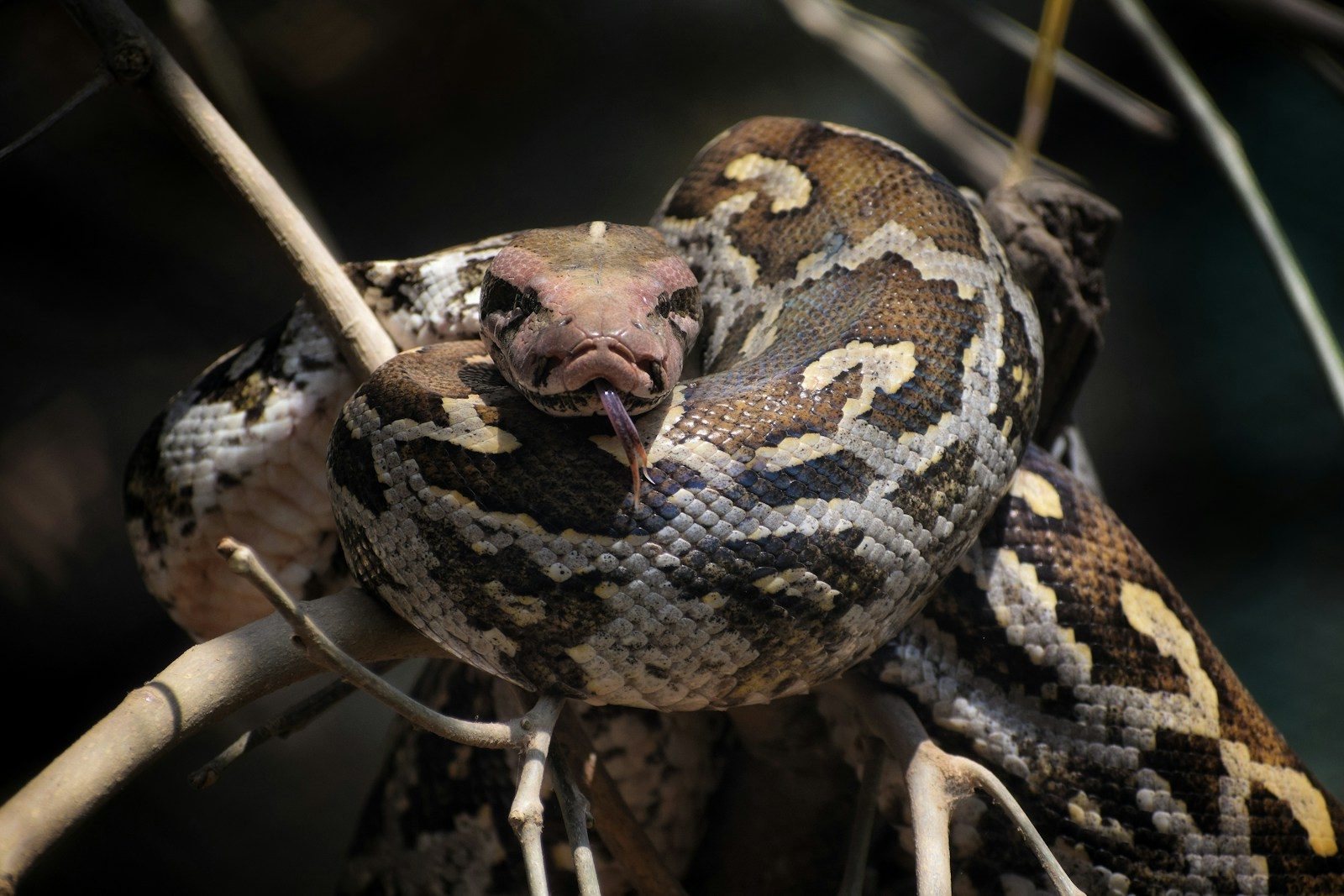
Some snakes, such as egg-eating species, consume entire eggs without chewing. They have specialized spine-like structures in their throat that help break the shell internally.
After cracking the shell, they spit it out and digest only the contents. This unusual diet allows them to exploit a food source many predators cannot use.
Flamingos and Filter Feeding
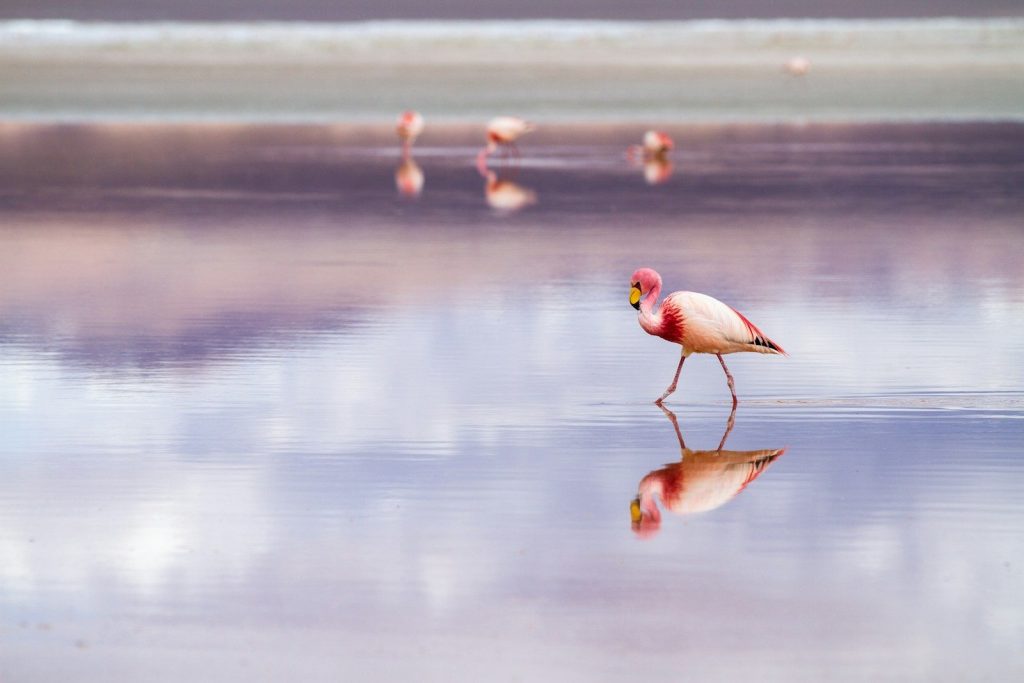
Flamingos feed by filtering tiny organisms from water. They use their specially shaped beaks to separate algae, shrimp, and plankton from mud and water.
Their pink color comes from pigments in the organisms they eat. Without this diet, their appearance would be completely different.
Vampire Bats and Blood Feeding
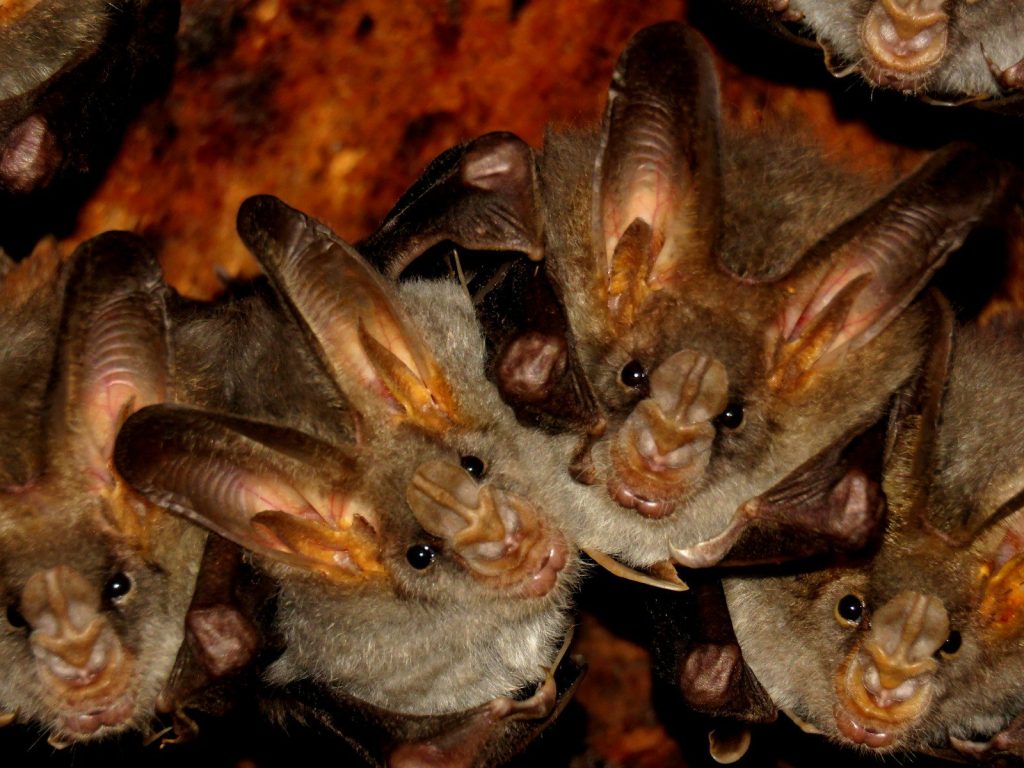
Vampire bats survive entirely on blood from other animals. They make small incisions in skin and lap up the blood that flows out.
Their saliva contains anticoagulants that keep blood from clotting. This adaptation allows them to feed efficiently without killing the host.
Pandas With a Carnivore Digestive System
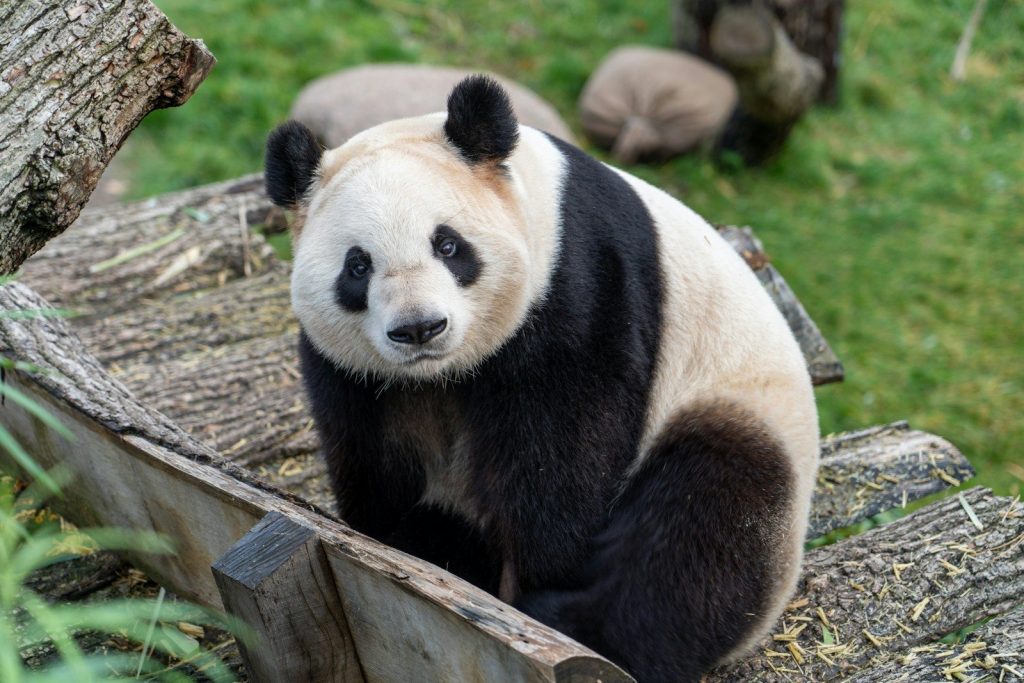
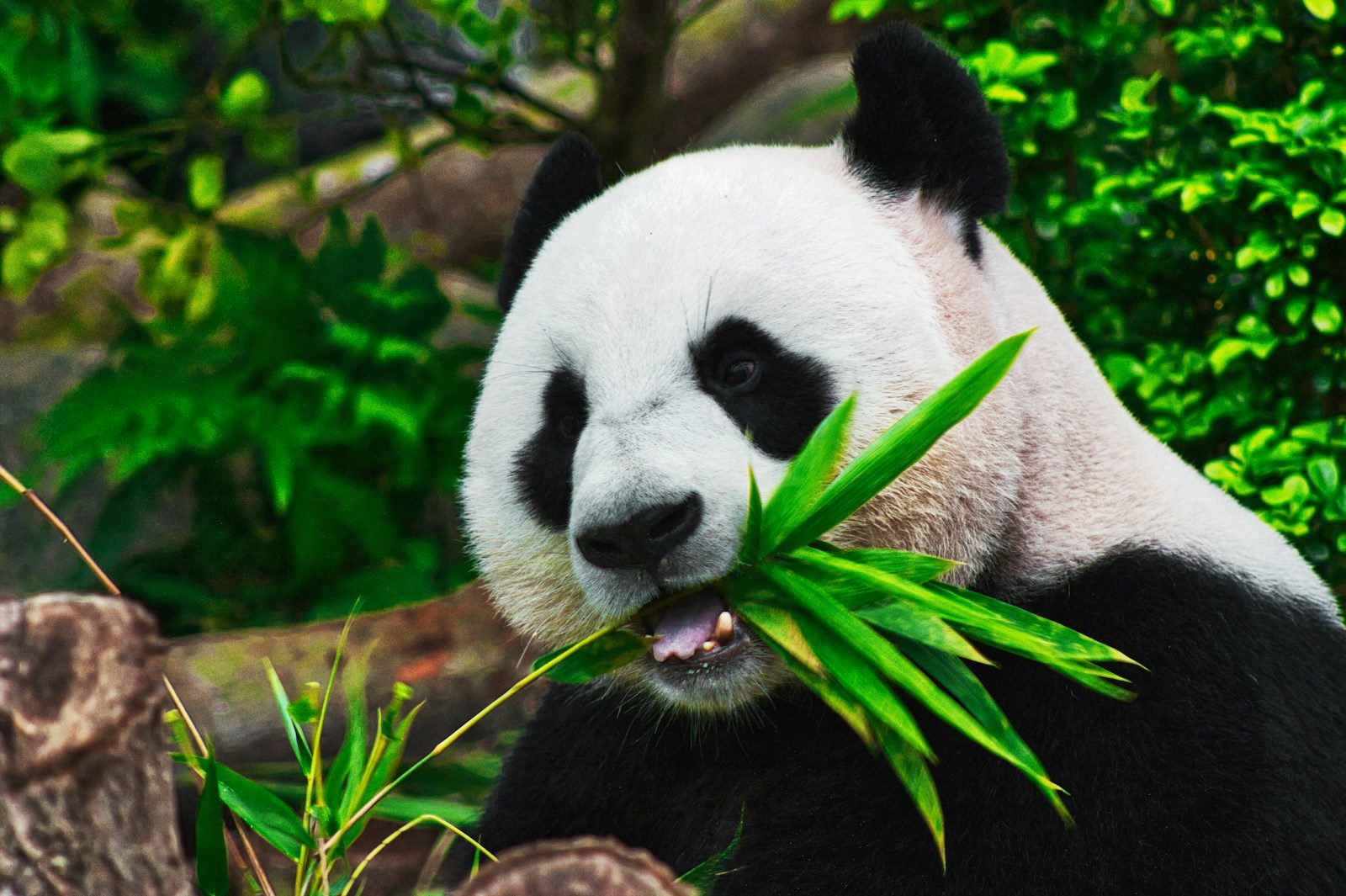
Giant pandas mainly eat bamboo even though they have a carnivore-style digestive system. They must consume large quantities daily to meet their energy needs.
This mismatch between diet and biology makes their feeding behavior highly unusual. They spend most of their day eating to survive.