In the natural world, survival is not always about strength or speed, sometimes it is about strategy. Many animals have evolved clever ways to take resources from others instead of hunting or collecting them on their own.
This behavior, known as kleptoparasitism, is common across birds, mammals, insects, and even marine species. It allows animals to conserve energy by stealing food or resources that others have already worked for.
Frigatebirds
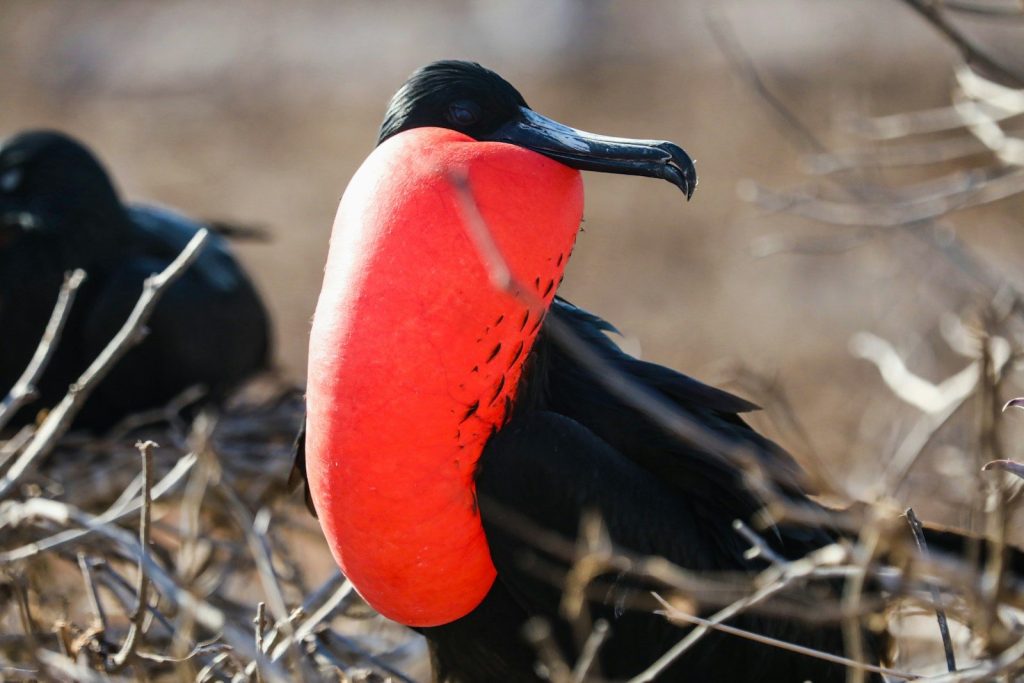
Frigatebirds are aerial specialists known for harassing other seabirds until they drop their catch. They rely on speed and persistence to force other birds to release food mid-flight.
Once the prey is dropped, the frigatebird quickly snatches it before it reaches the water. This method allows them to feed without diving or hunting directly.
Hyenas
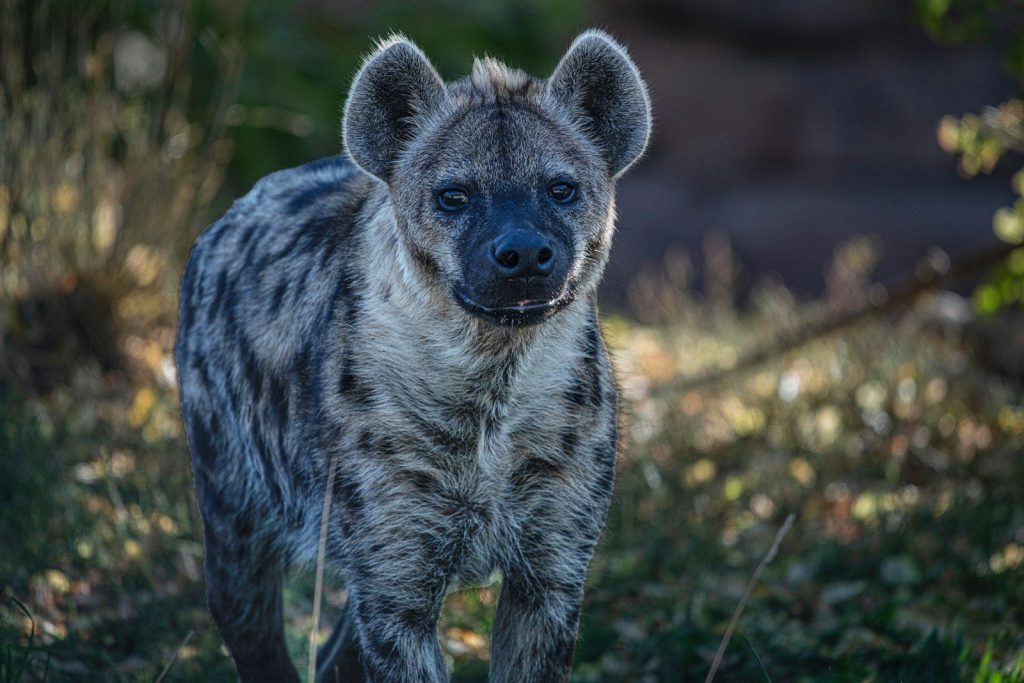
Hyenas are powerful scavengers that often steal kills from other predators. They use group coordination to intimidate animals like lions and cheetahs into abandoning their prey.
Although they are also skilled hunters, kleptoparasitism gives them an energy-efficient feeding strategy. Their intelligence and teamwork make them highly effective opportunistic thieves.
Skuas
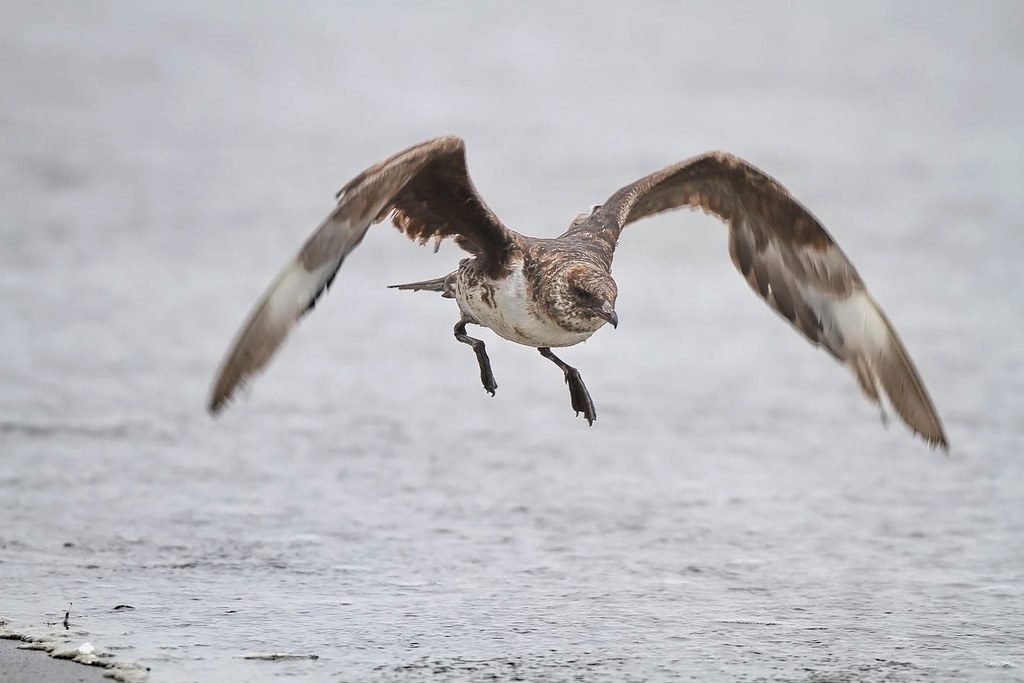
Skuas are aggressive seabirds that specialize in chasing and harassing other birds. They often force gulls and terns to regurgitate their food.
This relentless pursuit makes them one of the most persistent thieves in the bird world. Their strong flying ability allows them to dominate weaker species in the air.
Cuckoo Bees
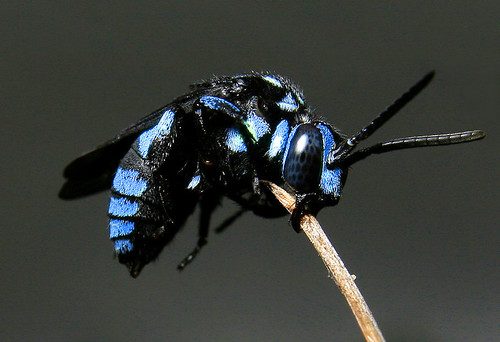
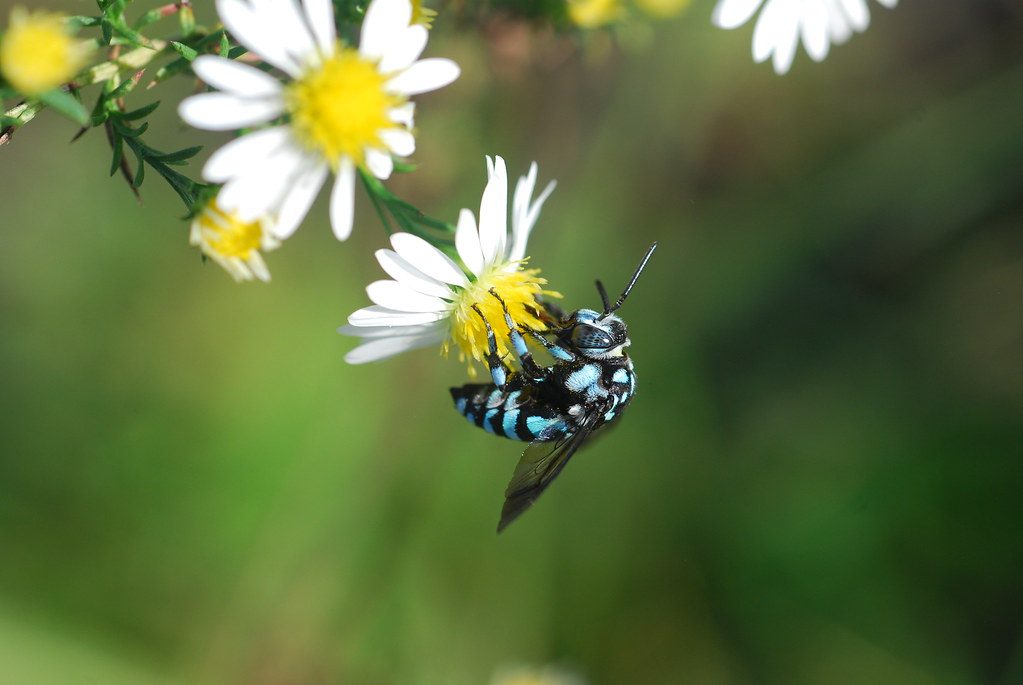
Cuckoo bees do not collect pollen for themselves but instead lay eggs in other bees’ nests. Their larvae consume the food stores prepared by host bees.
This parasitic strategy removes the need for foraging entirely. It is a highly specialized form of resource theft in the insect world.
Spotted Crows
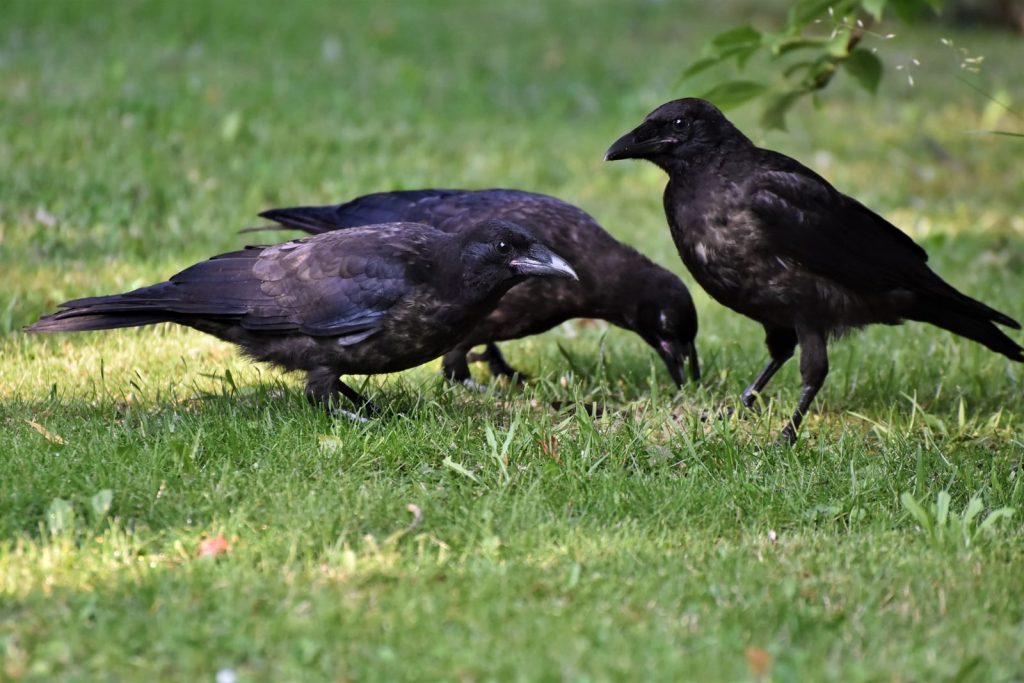
Some crow species are known for stealing food from other birds and even humans. They are highly intelligent and can observe and exploit opportunities quickly.
Their problem-solving skills allow them to adapt to urban environments where stealing becomes easier. This flexibility makes them successful opportunistic kleptoparasites.
Sperm Whales
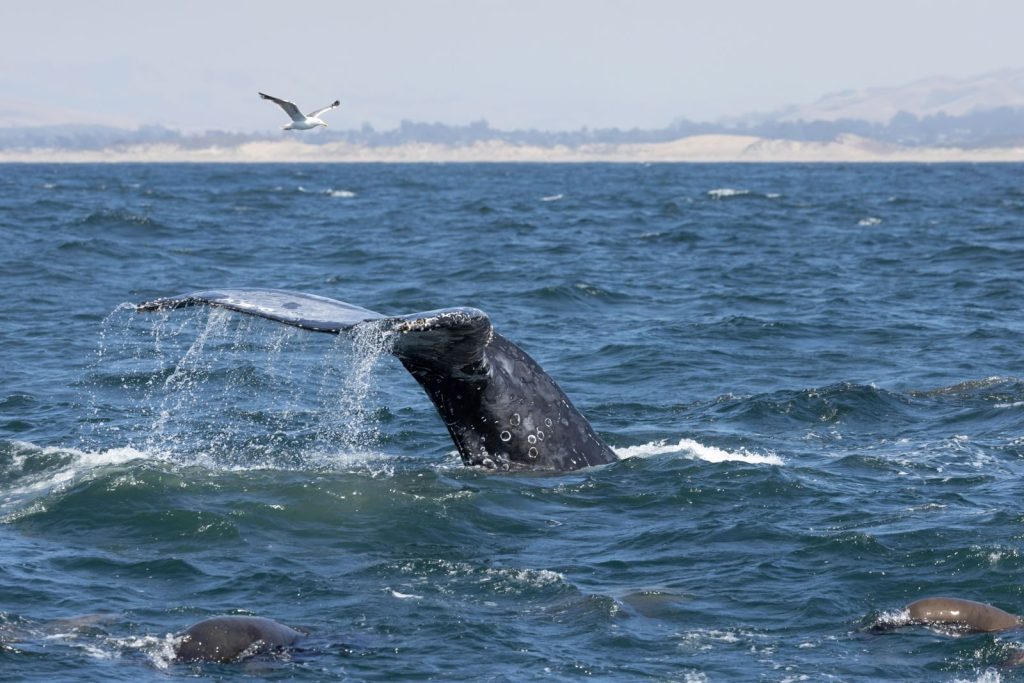
Sperm whales have been observed stealing fish from fishing lines and nets. They take advantage of human fishing efforts to secure easy meals.
This behavior shows that kleptoparasitism is not limited to land animals. Even large ocean predators use theft as a survival strategy.