In the animal kingdom, lifespan varies dramatically, from creatures that live for centuries to others that survive only a few hours or days. These short-lived species often live fast, reproduce quickly, and die shortly after completing their life cycle.
Their brief existence is usually shaped by environmental pressure, predators, and evolutionary strategy. For many of these animals, survival is all about speed and reproduction rather than longevity.
Mayfly
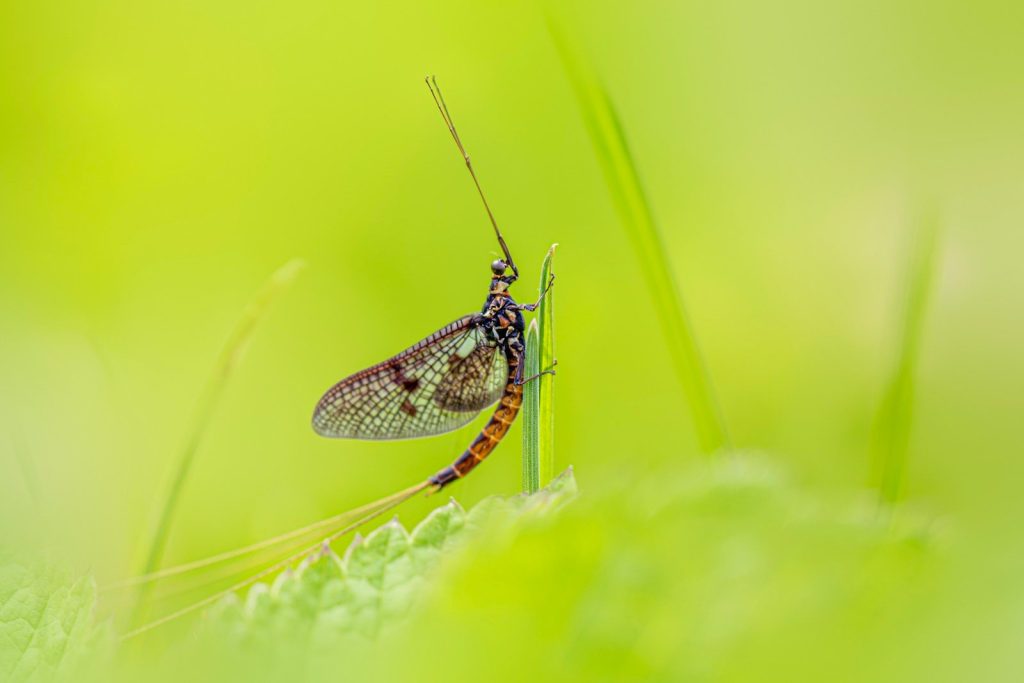
The mayfly is one of the most famous short-lived insects. Some adult mayflies live for just a few hours to a couple of days.
Their main purpose is reproduction, and many do not even eat as adults. After mating and laying eggs, they die quickly, completing their life cycle.
Gastrotrichs
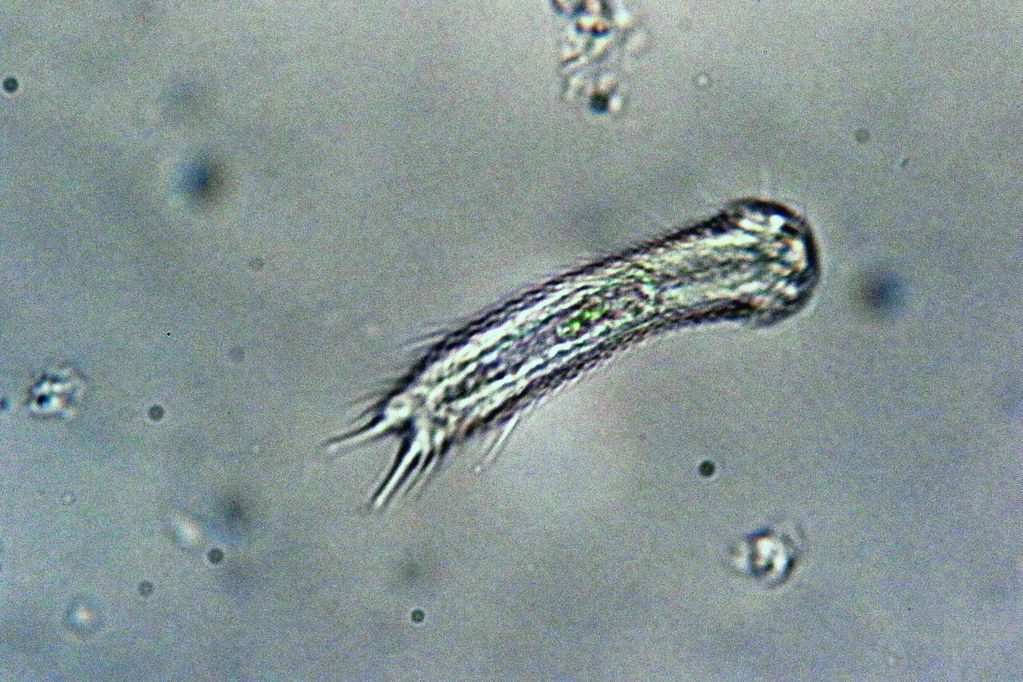
Gastrotrichs are microscopic aquatic animals. Many species live for only a few days, making them among the shortest-lived organisms.
They reproduce quickly in favorable conditions. Their tiny size and simple structure contribute to their short lifespan.
Fruit Fly
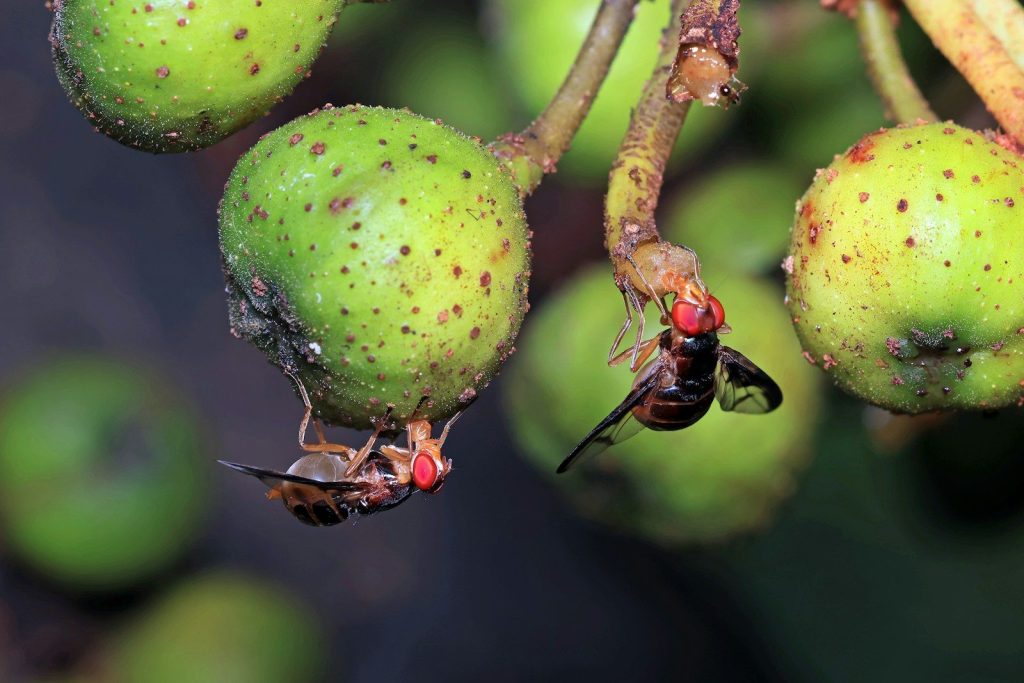
Fruit flies are commonly found around ripe or decaying fruit. They typically live for about 30 days, depending on environmental conditions.
They are widely used in scientific research due to their fast life cycle. This allows scientists to study genetics over many generations in a short time.
House Mouse
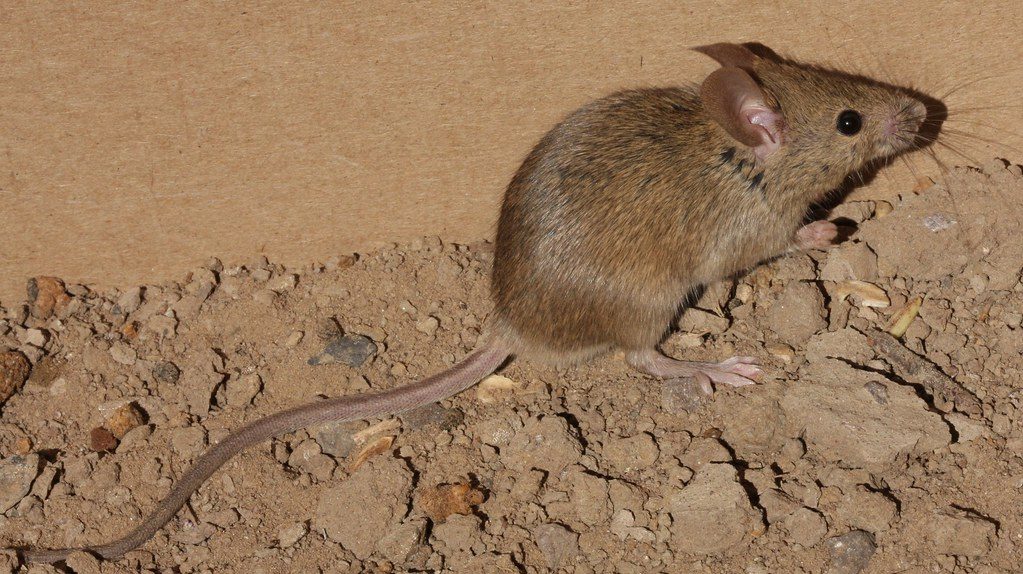
The house mouse has a relatively short lifespan compared to other mammals. In the wild, it often lives only 1–2 years.
Predators, disease, and environmental risks limit their survival. Despite this, they reproduce rapidly and maintain large populations.
Drone Ants
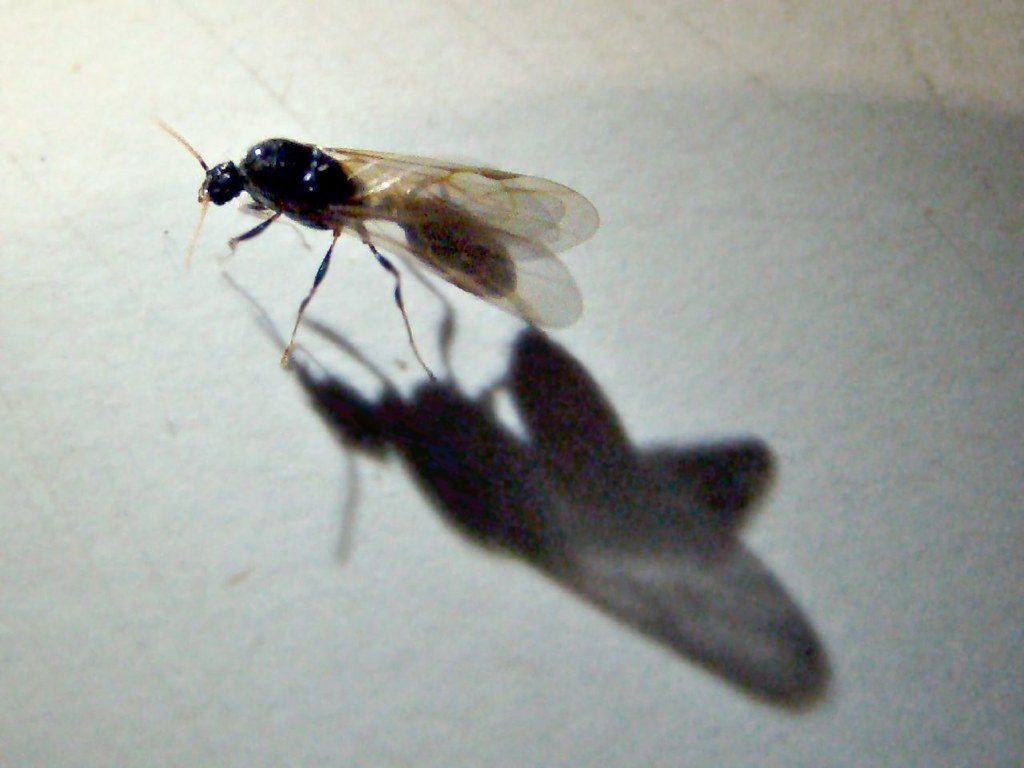
Drone ants have extremely short lives compared to worker ants. Their main role is to mate with the queen.
After mating, they usually die shortly afterward or are removed from the colony. Their existence is focused entirely on reproduction.
Labord’s Chameleon
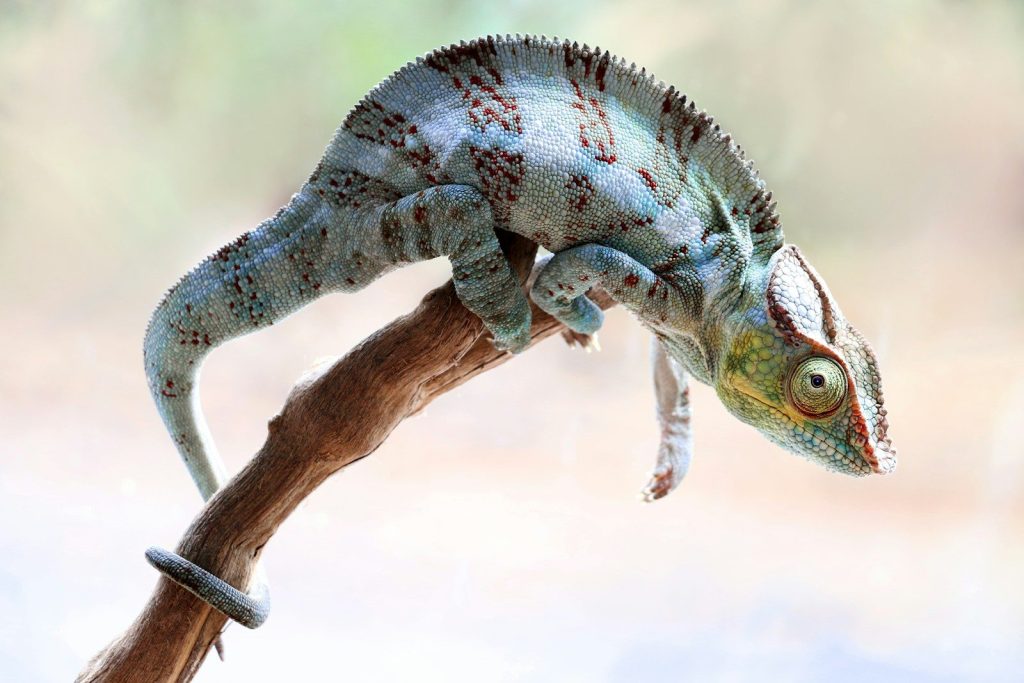
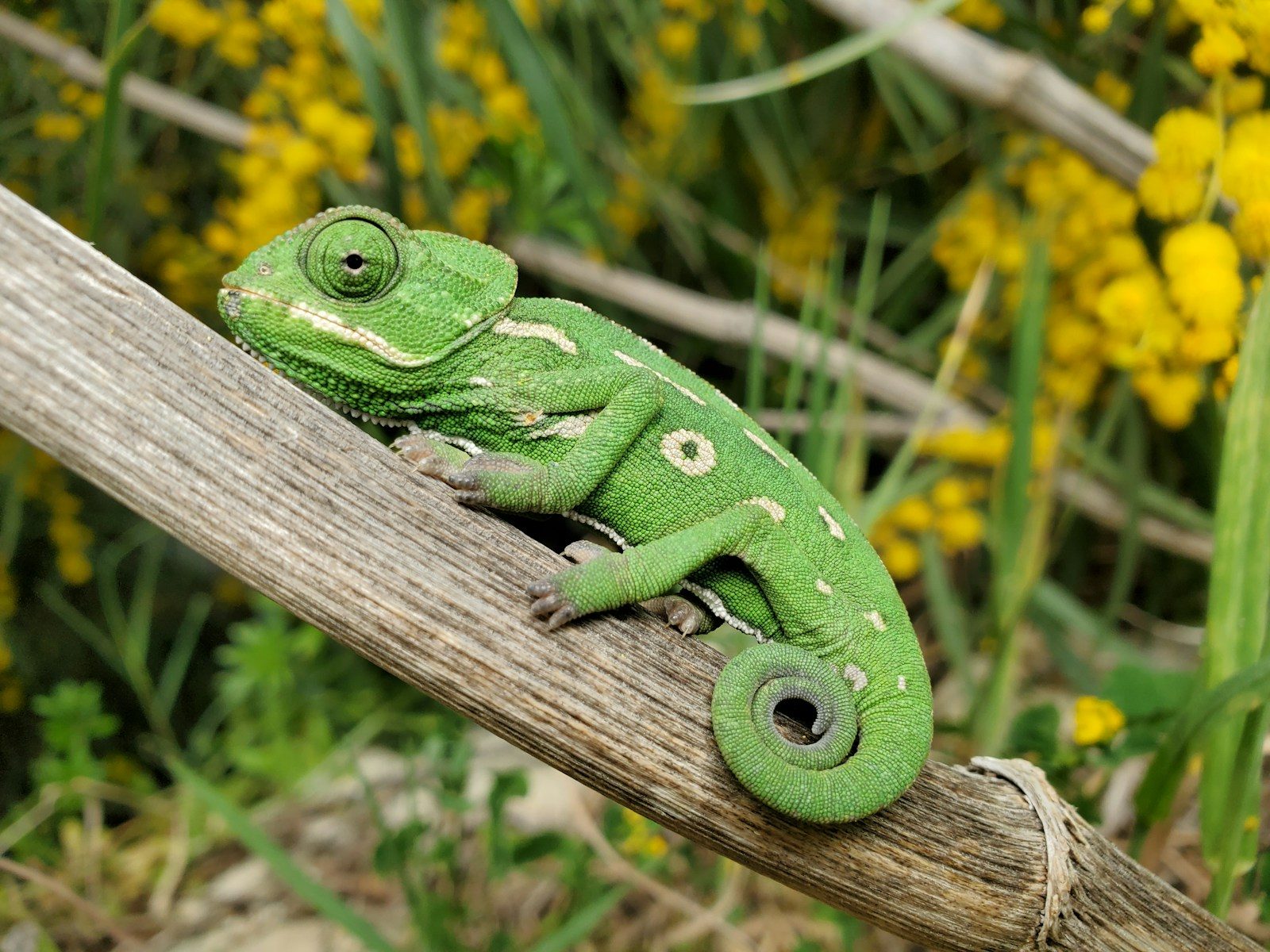
Labord’s chameleon has one of the shortest lifespans of any vertebrate. It lives for only about 4–5 months.
It spends most of its life developing inside the egg, with adulthood lasting only a few weeks. After breeding, the adults die, and a new generation begins.