The natural world includes many animals that use poison or venom as a defense mechanism or hunting tool. While often confused, “poisonous” animals are harmful when touched or eaten, unlike venomous animals that inject toxins through bites or stings.
These species have evolved powerful chemical defenses that help them survive in highly competitive environments.
Poison Dart Frog
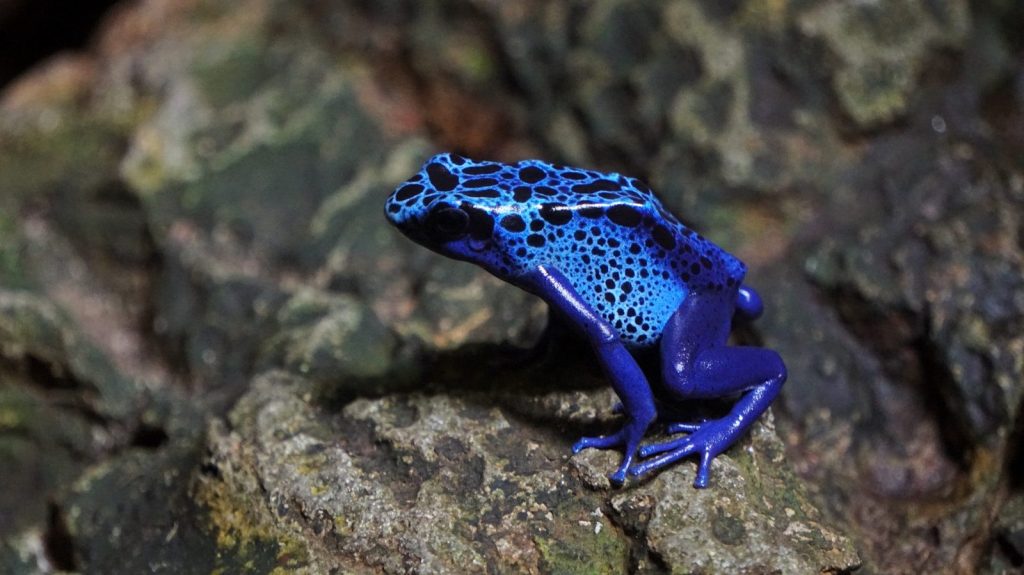
The poison dart frog is one of the most famous toxic animals in the world. Its bright colors serve as a warning to predators that it is highly poisonous.
These frogs obtain their toxins from their diet in the wild. In captivity, they often lose much of their toxicity due to changes in food sources.
Pufferfish
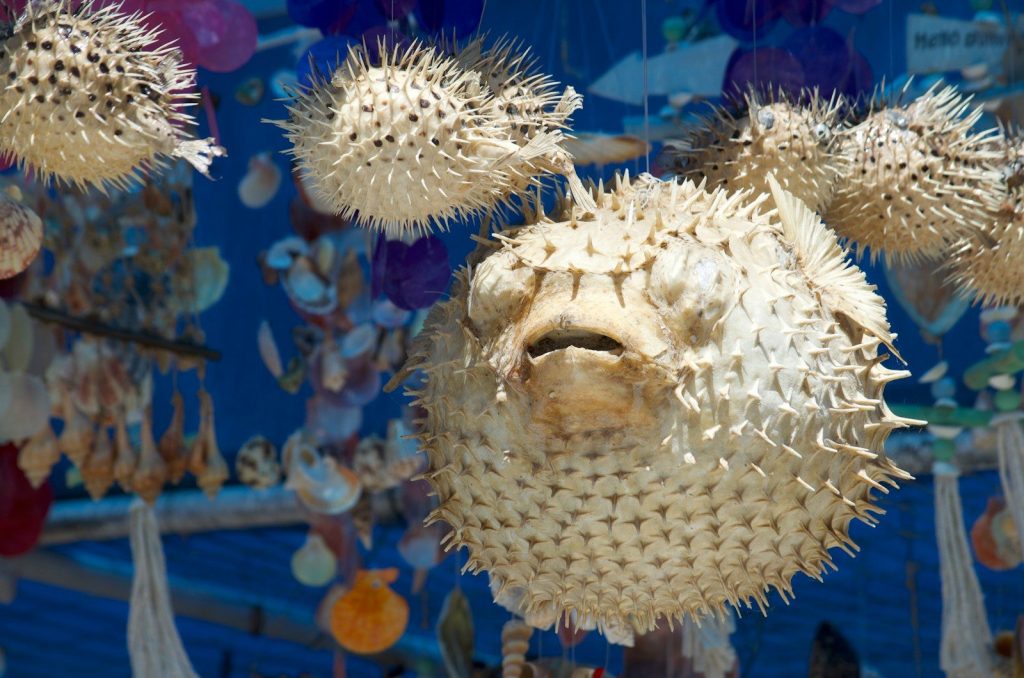
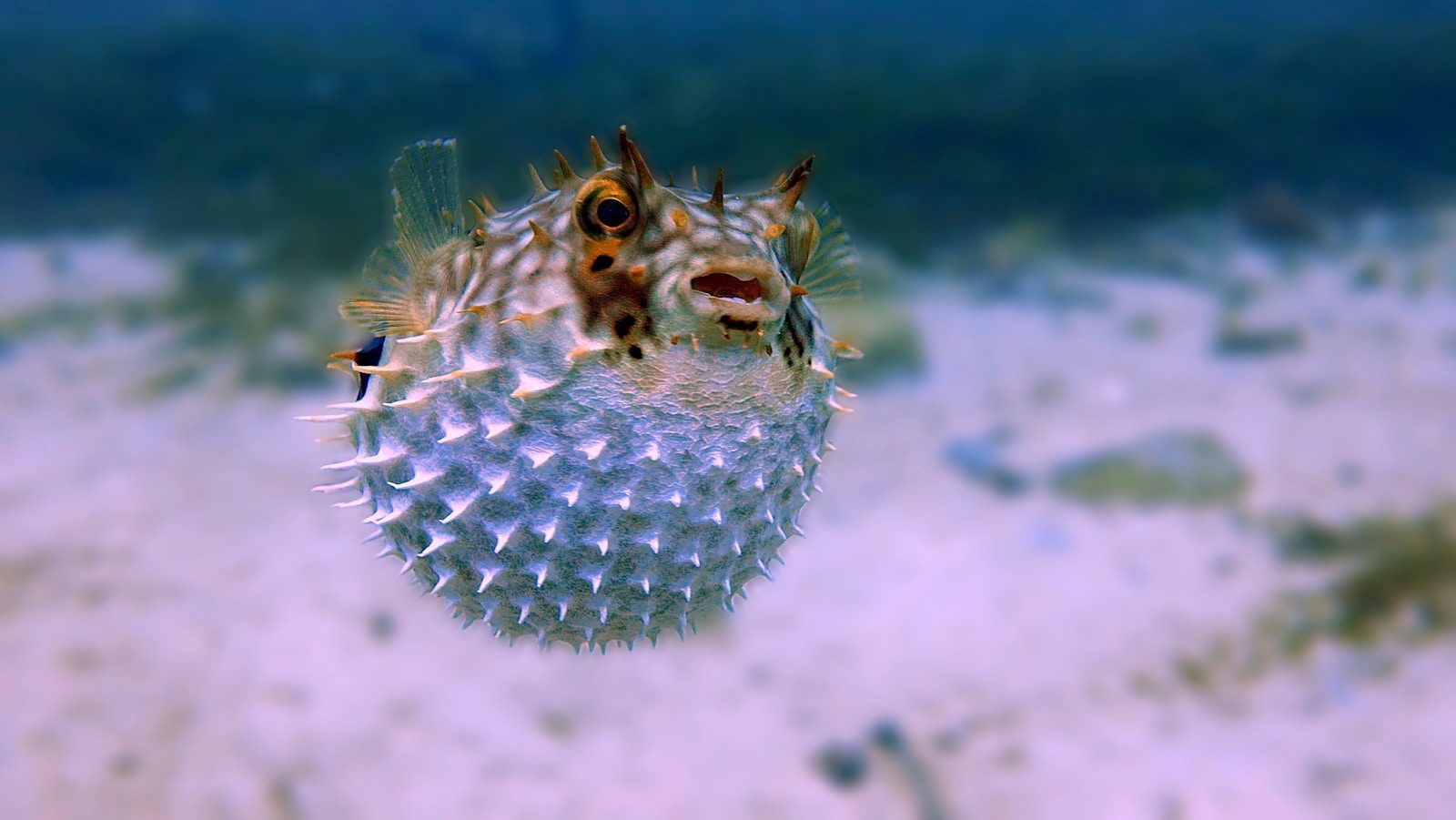
The pufferfish is a marine animal known for its ability to inflate its body when threatened. It also contains a deadly toxin called tetrodotoxin in its organs.
Even small amounts of this toxin can be extremely dangerous if consumed. Despite this, it is considered a delicacy in some cultures when carefully prepared.
Blue-Ringed Octopus
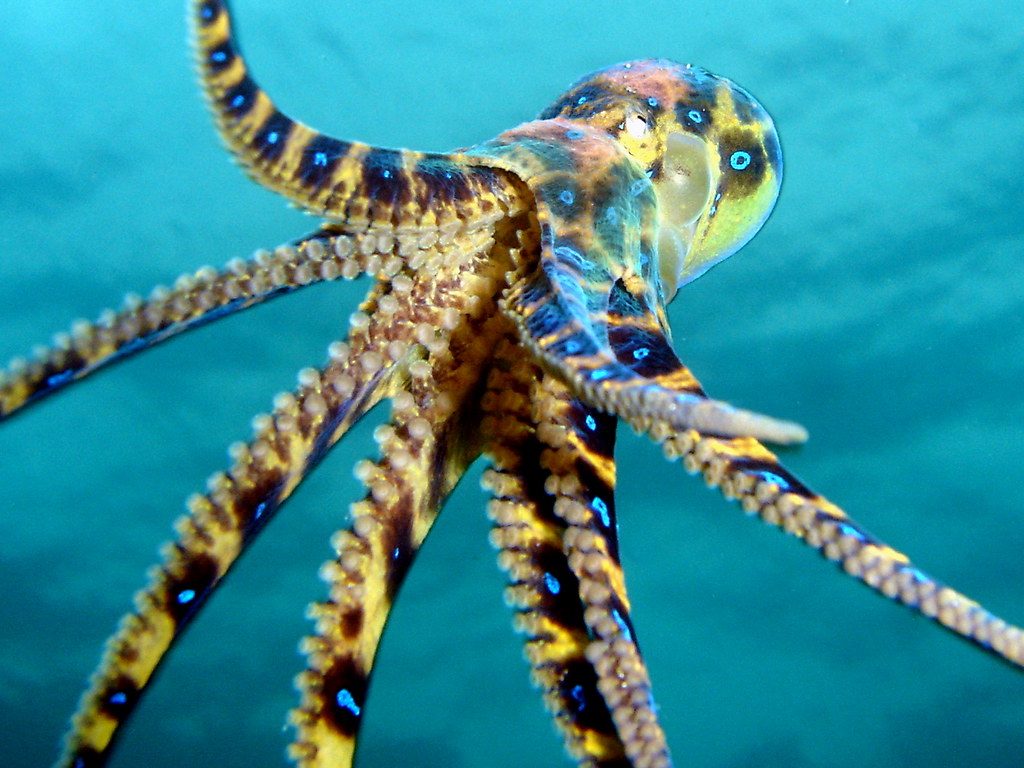
The blue-ringed octopus is a small but extremely dangerous marine animal. Its venom contains a powerful neurotoxin that can be fatal to humans.
It is usually calm and hidden in reefs or tide pools. However, it displays bright blue rings as a warning when threatened.
Box Jellyfish
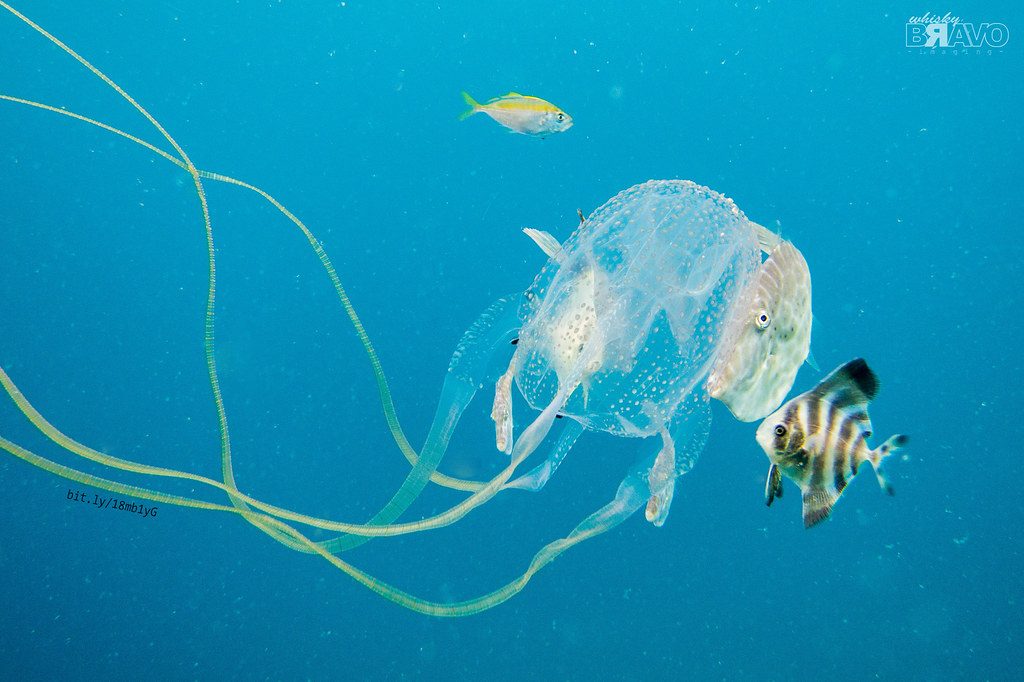
The box jellyfish is one of the most toxic marine creatures in the world. Its tentacles contain venom that can affect the heart and nervous system.
Encounters with humans are rare but can be extremely dangerous. It is found mainly in tropical ocean waters.
Stonefish
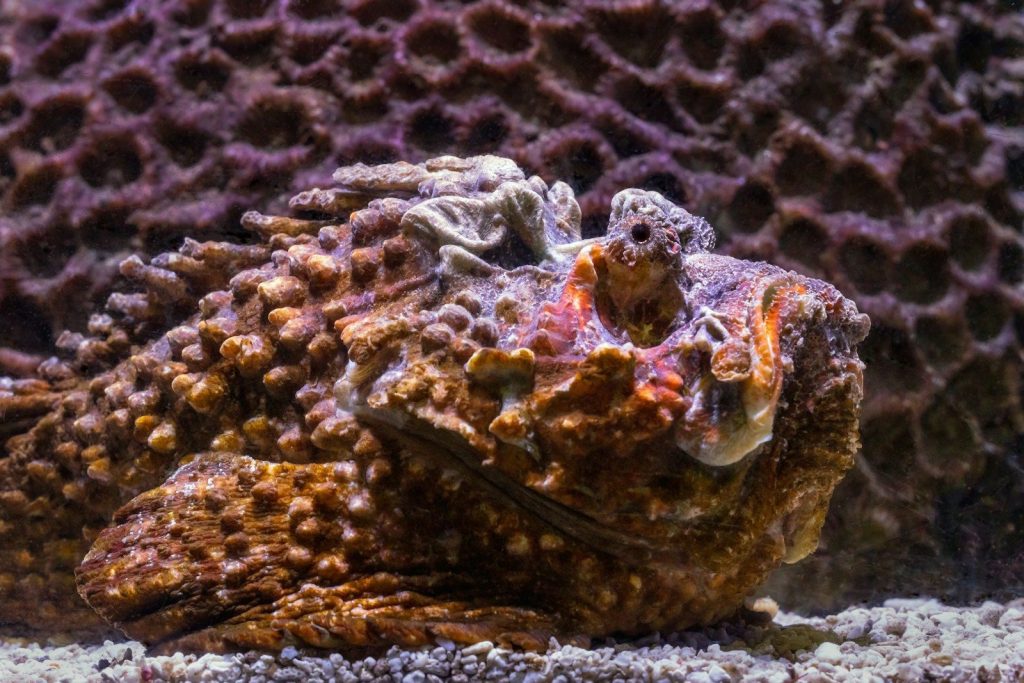
The stonefish is a master of camouflage, blending in with rocks on the ocean floor. It delivers venom through spines on its back when stepped on.
Its sting is considered one of the most painful in the animal kingdom. Immediate medical treatment is often required.
Golden Poison Frog
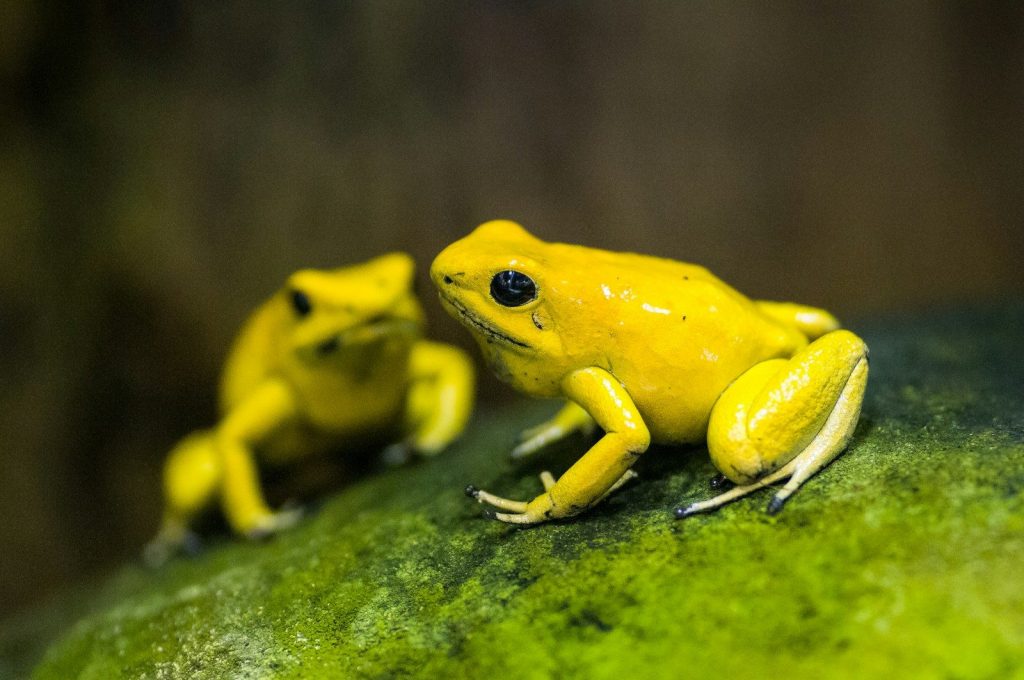
The golden poison frog is considered one of the most toxic animals on Earth. Even tiny amounts of its toxin can be lethal to predators.
Like other poison frogs, its toxicity comes from compounds in its natural diet. It uses bright coloration to warn predators.