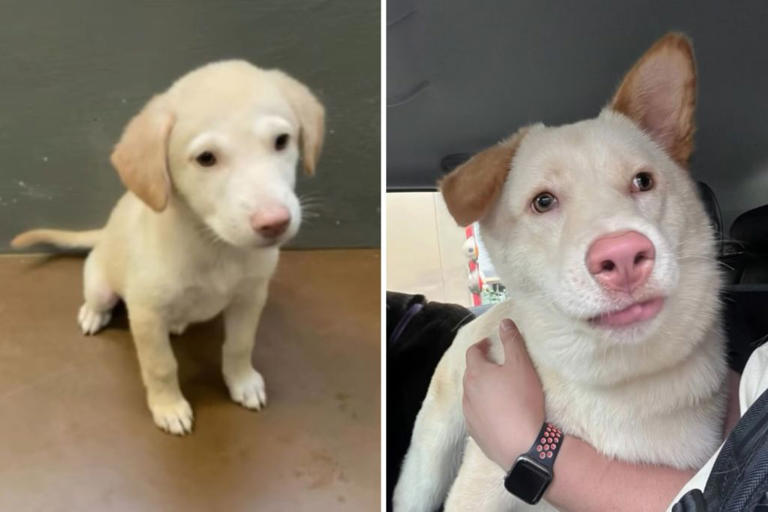
When a couple adopted a rescue puppy from a shelter, they were convinced they were bringing home a Labrador mix. The tiny pup had a short tan coat, floppy ears, and all the features they associated with the beloved breed. But as the months passed, their new companion began developing traits that told a very different story.
A Puppy That Looked Like A Labrador

The couple first spotted Buffy through an animal shelter listing and immediately fell in love with her appearance. Based on her looks alone, they assumed she was likely a Labrador or a Labrador mix.
Like many rescue puppies, Buffy’s exact background was unknown. Her adorable puppy photo was enough to convince the family that she was the perfect addition to their home.
The Surprising Changes Began Early
As Buffy grew older, her appearance started changing in unexpected ways. Her ears, which were once floppy, gradually began standing upright.
Another noticeable difference was her pink nose, a feature not commonly associated with Labrador retrievers. With each passing month, Buffy looked less like the breed her owners had imagined.
The Shelter Had Left A Small Clue
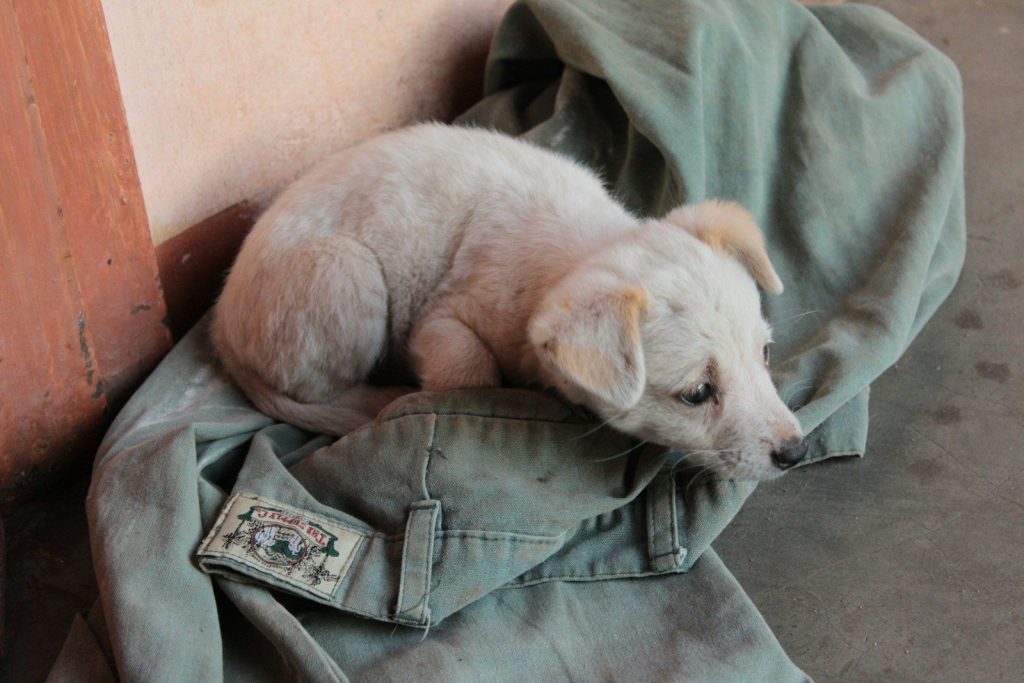
Looking back, the answer may have been there from the beginning. The shelter had listed Buffy simply as a “mongrel,” a general term used for dogs with mixed or unknown ancestry.
Without genetic information, the couple relied on visual clues when making their assumption. As Buffy matured, it became clear that her heritage was likely much more complex than a single breed.
Why Puppy Breeds Are Often Misidentified
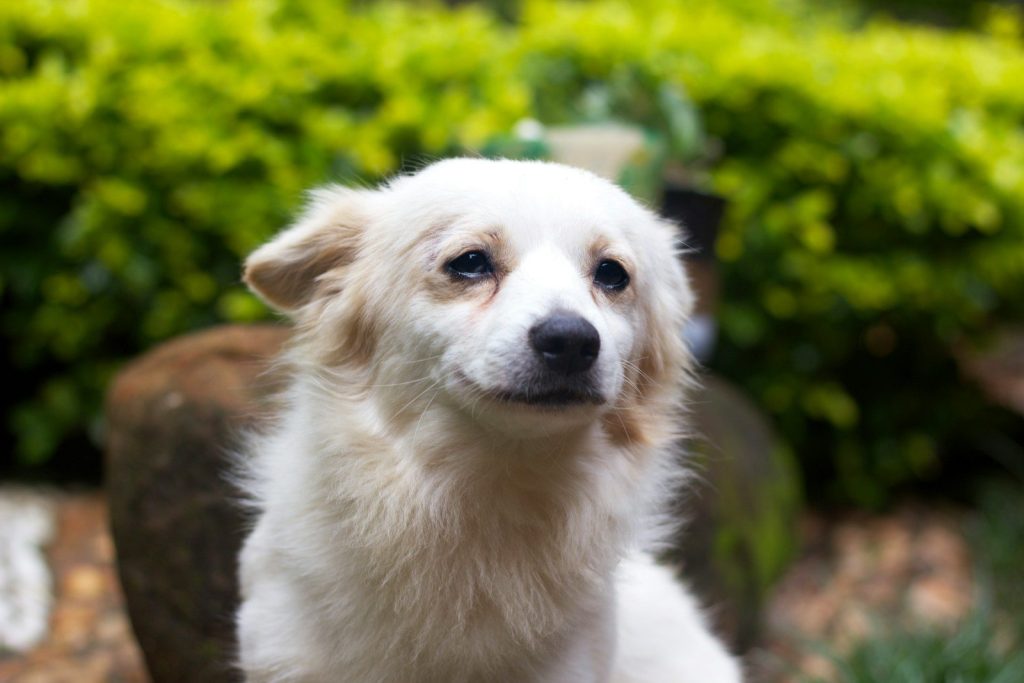
Identifying a puppy’s breed based on appearance alone can be surprisingly difficult. Features such as ear shape, coat texture, body structure, and coloration often change significantly during the first year of life.
Many breed-specific traits do not fully develop until adolescence or adulthood. This means even experienced shelter workers and veterinarians can sometimes struggle to accurately predict a puppy’s ancestry.
Mixed Breed Dogs Often Defy Expectations
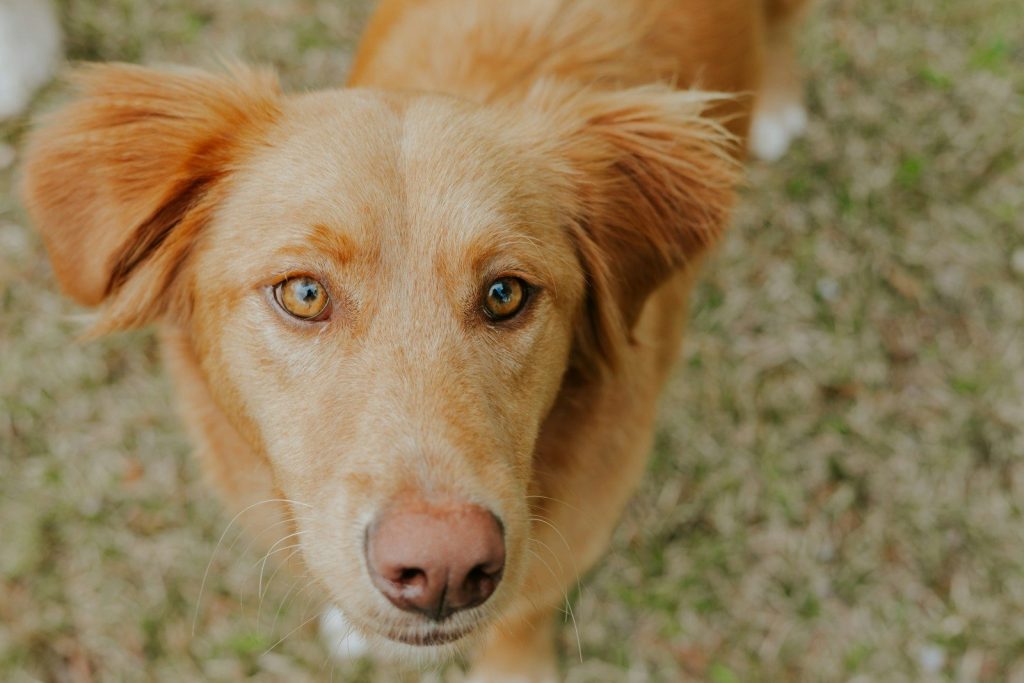
Research has shown that visual breed identification is frequently unreliable, especially for shelter dogs. Many rescue animals have ancestry from multiple breeds, creating combinations that can be difficult to recognize.
As a result, puppies may grow into adults who look very different from what adopters initially expected. Their genetics often reveal a far more diverse background than their early appearance suggests.