Cats are highly sensitive animals with strong preferences for routine, personal space, and gentle interaction Domestic Cat. While they can form close bonds with humans, certain common human behaviors may unintentionally cause them stress or discomfort.
Understanding these reactions can help improve the relationship between cats and their owners. Small adjustments in daily interaction often lead to a more relaxed and trusting pet.
Forcing Physical Affection
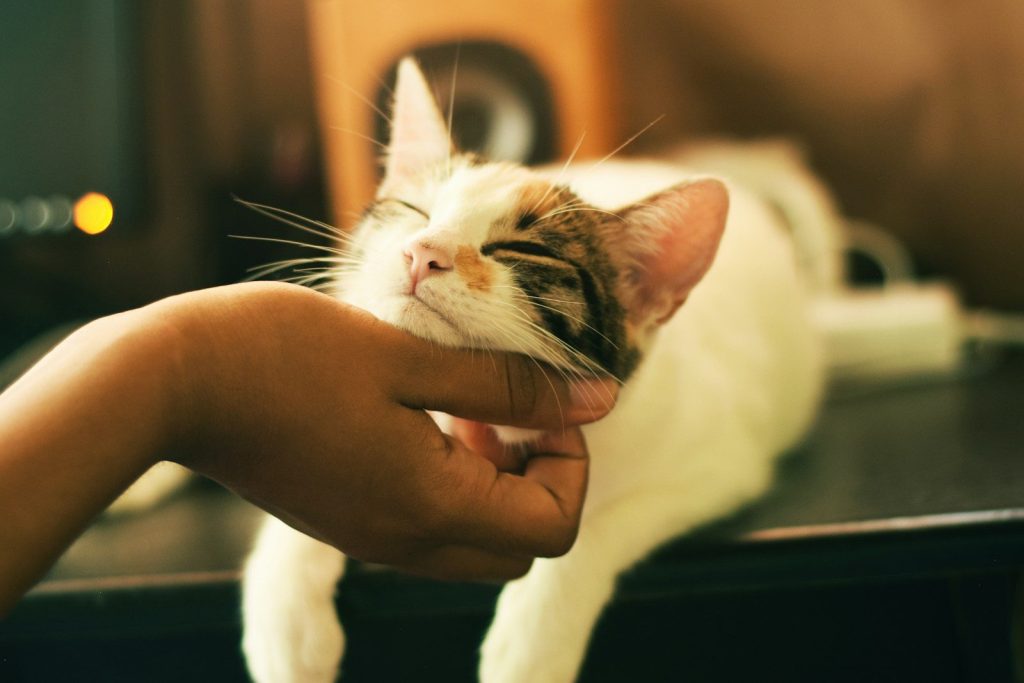
Many cats dislike being held or petted when they are not in the mood for it. Forcing hugs or prolonged contact can make them feel trapped or anxious.
Cats prefer to approach affection on their own terms. Respecting their boundaries helps build trust over time.
Loud Noises and Sudden Movements
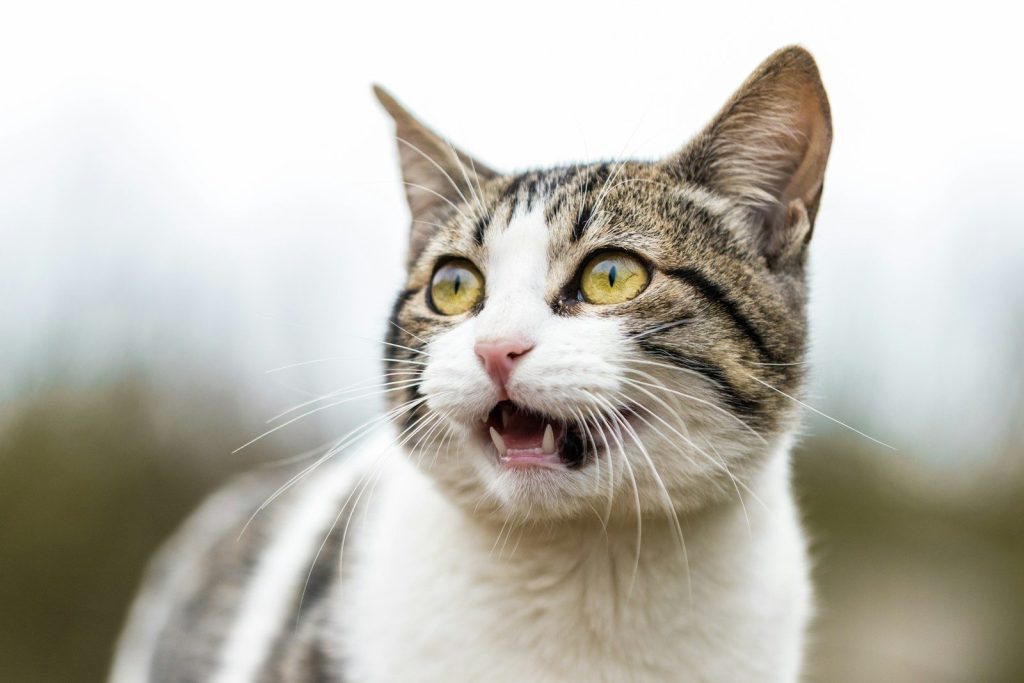
Cats have sensitive hearing and can easily be startled by loud sounds or abrupt actions. Everyday noises like shouting, vacuum cleaners, or sudden gestures may cause stress.
A calm and predictable environment helps cats feel safe. Reducing unnecessary noise can improve their comfort significantly.
Ignoring Their Need for Space

Cats often need time alone to rest and recharge. Constant interaction or interruption can make them feel overwhelmed.
Providing quiet areas where they can retreat is important for their well-being. Respecting their independence strengthens the bond with their owner.
Staring Directly at Them
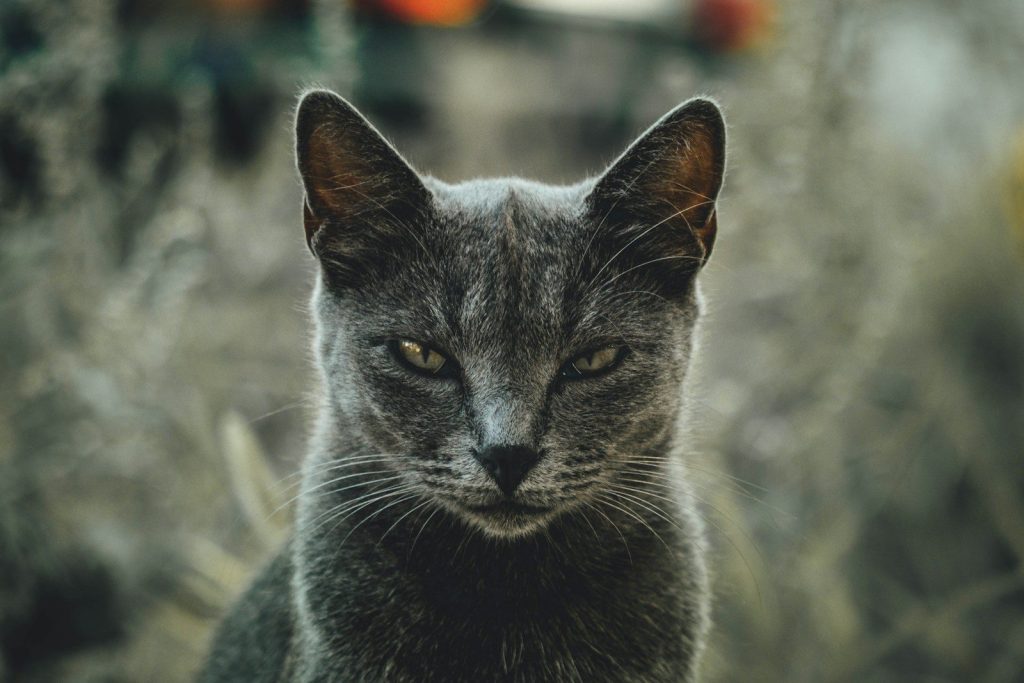
Prolonged direct eye contact can be interpreted as a threat in feline communication. Cats may feel uneasy or defensive when stared at intensely.
Slow blinking is often a better way to communicate trust. It is a form of positive social signaling between cats and humans.
Inconsistent Feeding or Routine Changes
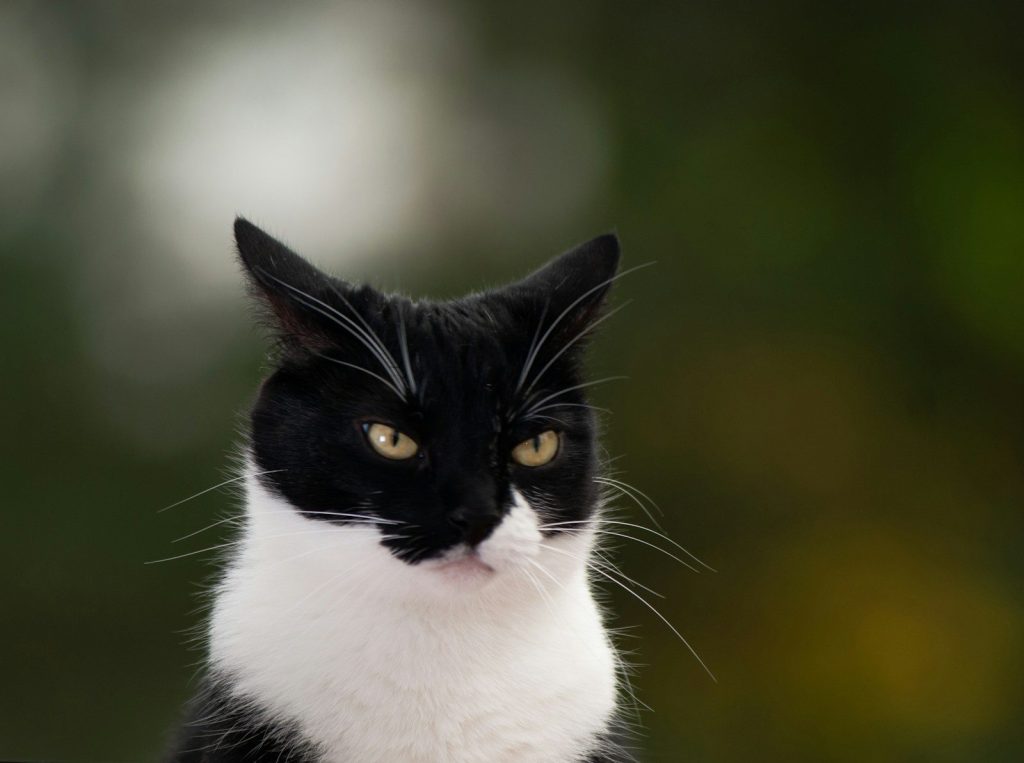
Sudden changes in feeding times or daily routines can cause stress for cats. They rely heavily on predictability to feel secure.
Maintaining a consistent schedule helps reduce anxiety. Stability is especially important in multi pet households.
Strong Smells and Chemical Products
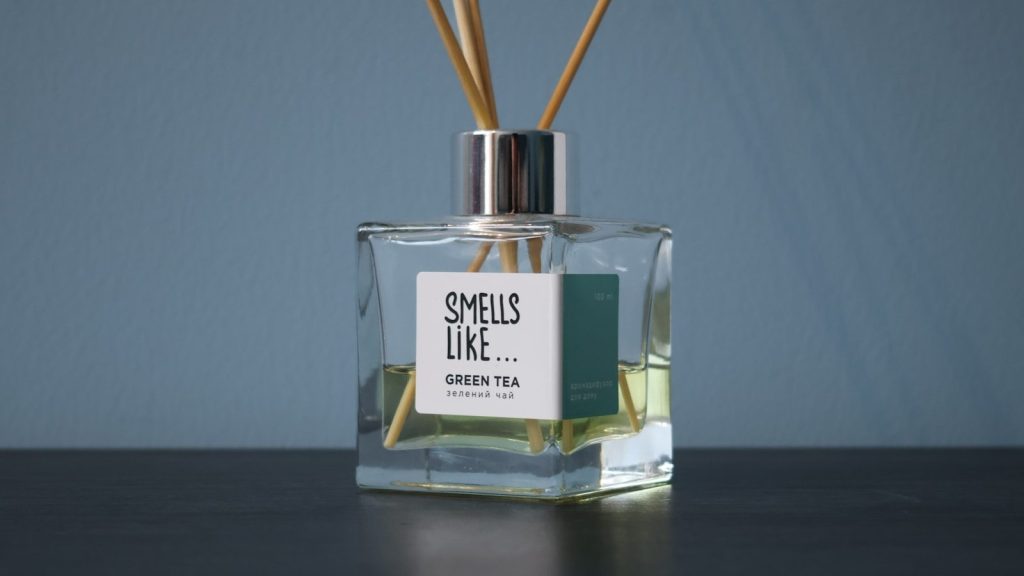
Cats have a strong sense of smell and may dislike overpowering scents. Cleaning products, perfumes, or certain foods can be overwhelming.
Using mild, pet safe products can make the home environment more comfortable. Good ventilation also helps reduce odor related stress.
Unclean Litter Boxes
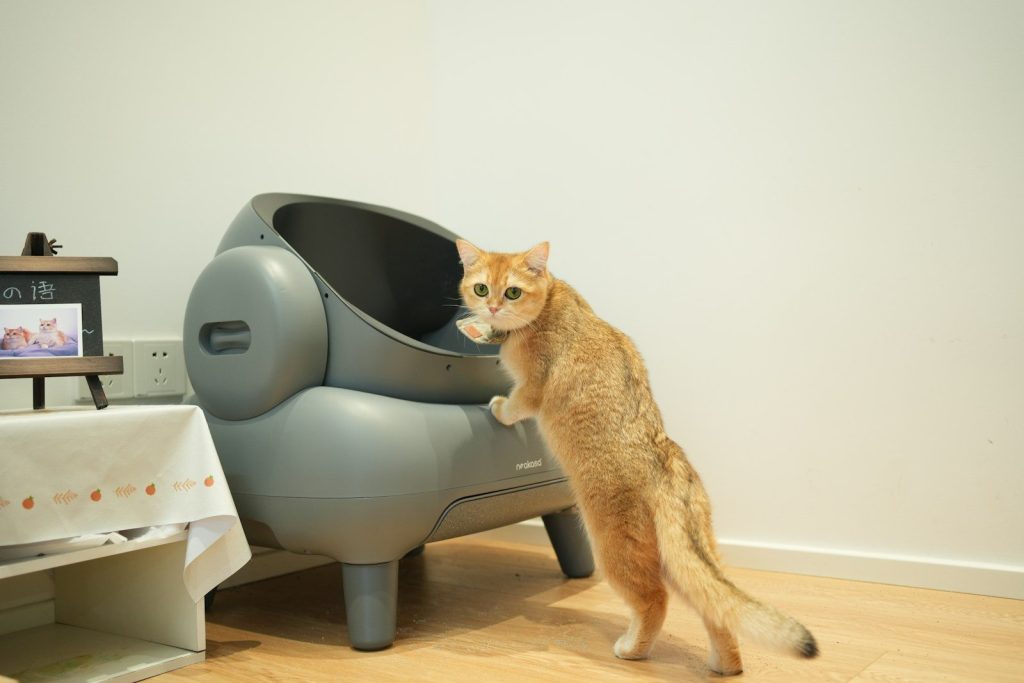
A dirty litter box is one of the most common reasons for feline stress or avoidance behavior. Cats prefer clean, private spaces for elimination.
Regular cleaning supports both hygiene and emotional comfort. It also helps prevent behavioral issues in the home.